You know that split second panic when a heavy pan slides on the burner, spilling your carefully seared steak? The X pattern on these three skillets solves that entirely, locking your cookware in place with a non slip grip that feels like it’s gripping the stove. This isn’t just about fancy design, it’s about safety and stability at every heat level, from a gentle simmer to screaming hot oven use. Let’s break down which one belongs in your kitchen.
| DASH Zakarian Nonstick Cast Iron Skillet 7.5-Inch |  | Best for Small Spaces | Material: Cast iron with nonstick coating | Oven-Safe Temperature: Up to 500°F | Cooking Surface: Nonstick coated | VIEW LATEST PRICE | Read Our Analysis |
| Bachdomc 9.7″ Cast Iron Skillet with Handle |  | Best Versatile Value | Material: Heavy-duty cast iron | Oven-Safe Temperature: Up to 500°F | Cooking Surface: Pre-seasoned, naturally nonstick | VIEW LATEST PRICE | Read Our Analysis |
| Lodge 12-Inch Cast Iron Skillet with Handle Holder |  | Best Overall | Material: Heavy-duty cast iron | Oven-Safe Temperature: Not specified (oven-safe) | Cooking Surface: Pre-seasoned with vegetable oil, naturally nonstick | VIEW LATEST PRICE | Read Our Analysis |
More Details on Our Top Picks
DASH Zakarian Nonstick Cast Iron Skillet 7.5-Inch
If you’re cooking in a cramped kitchen or tiny apartment, the DASH Zakarian 7.5-inch nonstick cast iron skillet is a perfect fit. It’s small, nimble, and tough. Made from durable cast iron with a corrosion resistant coating, this pan handles high heat up to 500°F. You can sear a steak, roast veggies, or even bake with it. The dual pour spouts make draining grease a breeze, and the ergonomic handle gives you solid control. Plus, its maintenance free nonstick surface means you’re scrubbing less and cooking more.
- Material:Cast iron with nonstick coating
- Oven-Safe Temperature:Up to 500°F
- Cooking Surface:Nonstick coated
- Heat Source Compatibility:Oven, grill, stovetop
- Handle Design:Ergonomic fixed handle
- Size:7.5 inches
- Additional Feature:Dual pour spouts
- Additional Feature:Maintenance-free nonstick coating
- Additional Feature:Corrosion-resistant lead-free coating
Bachdomc 9.7″ Cast Iron Skillet with Handle
The Bachdomc 9.7″ Cast Iron Skillet is your ticket to versatile value without the premium price tag. You get a heavy duty performer that retains heat beautifully, so your sears stay crisp. It’s oven safe to 500°F, and you can use it on any heat source, even a campfire. The pre seasoned surface offers naturally nonstick cooking, and the removable wooden handle keeps your grip cool.
- Heat control: The smooth machined surface lets you nail precise temperatures for frying or baking.
- Maintenance: Hand wash, dry over low heat, and apply a light oil coat. Never use the dishwasher.
- Versatility: Perfect for searing, braising, roasting, or baking sourdough. It doubles as a mini Dutch oven.
At 9.7 inches, this skillet earns a spot in your daily rotation and outdoor adventures. A smart buy without the hassle!
- Material:Heavy-duty cast iron
- Oven-Safe Temperature:Up to 500°F
- Cooking Surface:Pre-seasoned, naturally nonstick
- Heat Source Compatibility:Stove, grill, oven, induction, campfire
- Handle Design:Removable wooden handle
- Size:9.7 inches
- Additional Feature:Removable wooden handle
- Additional Feature:Pre-seasoned natural nonstick
- Additional Feature:Smooth machined surface
Lodge 12-Inch Cast Iron Skillet with Handle Holder
You value a skillet that delivers both versatility and safety, making the Lodge 12-Inch Cast Iron Skillet with Handle Holder a top pick among cast iron options. This pre-seasoned 12-inch workhorse moves seamlessly from stove to oven to campfire, and its red silicone handle holder keeps you safe after cooking. No more fumbling for a towel! It’s made in the USA from heavy duty cast iron with a PFAS-free, naturally nonstick surface from 100% vegetable oil. Expect even heat distribution for searing, sautéing, baking, or frying. And cleanup? Easy. Just wash and dry. That’s it.
- Material:Heavy-duty cast iron
- Oven-Safe Temperature:Not specified (oven-safe)
- Cooking Surface:Pre-seasoned with vegetable oil, naturally nonstick
- Heat Source Compatibility:Stove, oven, grill, campfire
- Handle Design:Teardrop handle with silicone holder
- Size:12 inches
- Additional Feature:Red silicone handle holder
- Additional Feature:Pre-seasoned with vegetable oil
- Additional Feature:PFAS-free/non-toxic finish
Factors to Consider When Choosing a Cast Iron Skillet With X on Bottom
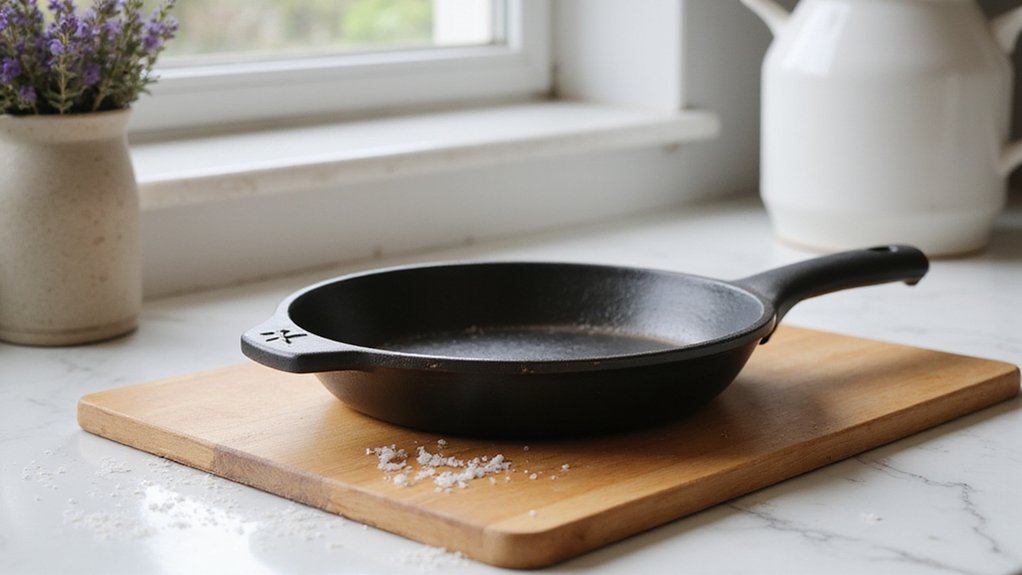
You’ll want to start by nailing down the size and capacity that fits your usual cooking needs, because a 10-inch skillet works for solo meals while a 12-inch one handles family portions. Next, pay close attention to the material and build, since high quality cast iron guarantees even heat distribution and a skillet that can handle high oven safe temperatures without warping. And don’t overlook handle design features like a long, ergonomic grip or a helper handle, which make lifting and maneuvering your skillet much safer and easier.
Size and Capacity
Wondering how much food you can actually cook in a cast iron skillet with an X on the bottom? It all comes down to diameter. Common sizes range from 7.5 inches to 12 inches, and that small span makes a big difference.
A 12-inch skillet gives you serious surface area. You can sear multiple steaks, bake a full cornbread, or cook a family-sized batch of fried chicken without crowding. Perfect for big meals or meal prep.
On the flip side, a 7.5-inch skillet is your go-to for individual portions: a single egg, a personal frittata, or a side of sautéed greens. It heats up faster and fits in tighter storage spaces.
Material and Build
Since the material and build directly determine how your skillet performs, you’ll want to focus on a few key details. First, always choose high-quality cast iron for superior heat retention and long-term durability. A well-constructed skillet boasts a smooth, machined surface, which helps food release easily. The build should also include a corrosion-resistant seasoning layer; this prevents rust and extends the skillet’s life. Heavier models are your best bet. They provide better stability, hold heat more effectively, and generally improve cooking performance. And don’t overlook the bottom design. A flat or slightly textured base ensures even heat transfer to your cooking surface. So, prioritize these material and build factors. Your skillet’s longevity and performance depend on them.
Heat Distribution
When you’re looking for even cooking across your entire skillet, heat distribution matters just as much as the material itself. A thicker cast iron construction delivers more consistent heat retention, so you won’t deal with frustrating hot spots that burn your eggs or undercook your steak. The X pattern on the bottom isn’t just for grip; it subtly influences how heat spreads, helping the skillet maintain steady temperatures vital for searing, frying, or baking.
But pay attention to the core’s thermal properties. Pre-seasoned or coated surfaces can slightly affect heat transfer, so you want a skillet with excellent thermal conductivity underneath. Here’s what to check:
- Look for a thick, heavy base – it holds heat evenly.
- Make certain the bottom design doesn’t disrupt heat flow.
- Prioritize a solid core over fancy coatings.
That way, every inch of your cooking surface works for you, not against you.
Oven Safe Temperature
After you’ve dialed in heat distribution, it’s time to think about oven safe temperature. Most cast iron skillets handle up to 500°F, which covers baking cornbread or roasting chicken with ease. But don’t assume all do. Check the manufacturer’s specs. Some handles or non-cast iron components can’t take that heat, and you don’t want a melted grip ruining dinner.
Your skillet’s nonstick surface and structure stay solid at high temps, as long as you respect its limit. Properly seasoned or coated cast iron won’t release harmful stuff or warp. So, for recipes that need a hot oven, confirm the max rating first. A quick look at the specs saves you from a nasty surprise. And remember: 500°F gives you plenty of room for searing, baking, and roasting without worry.
Handle Design Features
While heat tolerance matters, don’t overlook handle design—it’s a big deal for daily use. You’ll want an ergonomic grip that reduces hand fatigue and gives you better control when flipping or lifting. Removable handles or silicone covers offer safer handling, especially when moving hot cookware from oven to stovetop. Long handles keep your hands away from heat and make maneuvering heavy skillets easier. Look for heat-resistant materials to prevent burns, even when you’re grabbing straight from a fire. And don’t forget storage: a hanging hole or built-in hook lets you dry and store your skillet conveniently. Prioritize comfort and safety here, because a poorly designed handle can ruin your cooking rhythm fast.
Surface and Seasoning
You’ve got your handle sorted, so now let’s talk about the part that actually touches your food: the surface and seasoning. A well-seasoned skillet develops a natural, nonstick finish that improves with every meal, making both cooking and cleanup easier over time. You’ll want to contemplate whether it comes pre-seasoned or not; many skillets arrive ready to use right out of the box. But don’t stop there. The surface finish matters too:
- Smooth surfaces distribute heat evenly and release food beautifully.
- Textured surfaces can grip seasoning layers well but might need more initial work.
To deepen that seasoning, you’ll need regular maintenance: clean without soap, then apply a light oil after each use. Repeated heating bonds the oil, building up rust resistance and that coveted nonstick magic. Stick with it, and your skillet only gets better.
Versatile Cooking Uses
Since you’ll likely use your skillet for everything from a quick sear to a full roast, choosing one that’s built for versatility really pays off. A pre-seasoned surface boosts nonstick performance, letting you fry eggs for breakfast and sear steaks for dinner. Plus, the right skillet safely moves across heat sources. You’ll cook on your stovetop, then slide it into the oven for baking cornbread. Take it to the grill or even a campfire without worry. Its even heat distribution guarantees consistent results, whether you’re sautéing veggies or roasting chicken. Look for a size and handle design that makes that stovetop-to-oven shift smooth. Durability means you’ll master diverse techniques, from delicate fish to crusty bread. That’s real multifunctionality, not just hype.
Ease of Cleaning
Cleaning a cast iron skillet doesn’t have to be a chore, and the design of its bottom plays a big role in that. Look for a smooth, well-seasoned or nonstick surface on the bottom; it simplifies food release and cuts down residue buildup. A flat, even bottom prevents food from trapping in uneven crevices, making rinsing a breeze. Enamel coated or corrosion resistant bottoms require far less scrubbing, saving you time. Plus, a bottom with balanced weight distribution keeps the skillet stable during cleaning, so you’re safer and more efficient. Avoid rough textures: they’re traps for stuck-on bits. Instead, prioritize minimal texture for quick wipe-downs. You’ll spend minutes, not hours, on upkeep!