You might not realize that hospital triage nurses often use the same compact infrared guns you can keep in your kitchen drawer. These rugged, instant read devices rely on adjustable emissivity and wide measurement ranges, not just basic fever checks. But which specific models earn their trust for home use? Let’s walk through the seven you’ll actually want on hand.
| Klein Tools IR1 Infrared Thermometer Laser Gun | 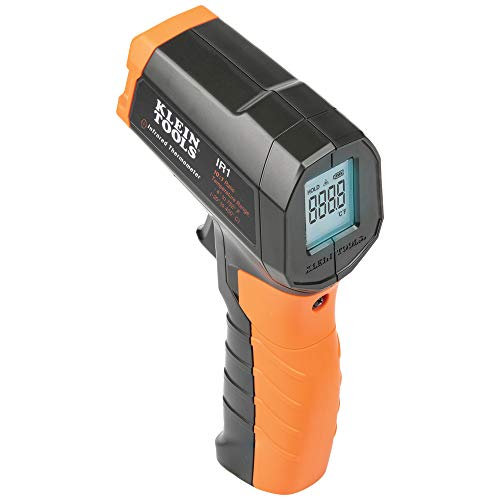 | Best for Durability | Max Temperature Range: 752°F (400°C) | Distance-to-Spot Ratio: 10:1 | Emissivity: Fixed 0.95 | VIEW LATEST PRICE | Read Our Analysis |
| Etekcity Infrared Thermometer Laser Temperature Gun 774 |  | Best for Versatility | Max Temperature Range: 842°F (450°C) | Distance-to-Spot Ratio: 12:1 | Emissivity: Not specified | VIEW LATEST PRICE | Read Our Analysis |
| Gedaye Infrared Thermometer Laser Temperature Gun |  | Best Dual Mode | Max Temperature Range: 1562°F (850°C) | Distance-to-Spot Ratio: 13:1 | Emissivity: Adjustable 0.1-1.0 | VIEW LATEST PRICE | Read Our Analysis |
| Surpeer 12:1 Infrared Thermometer Temperature Gun |  | Best Adjustable Emissivity | Max Temperature Range: 1022°F (550°C) | Distance-to-Spot Ratio: 12:1 | Emissivity: Adjustable 0.1-0.99 | VIEW LATEST PRICE | Read Our Analysis |
| Kizen Infrared Temperature Gun (-58°F to 1112°F) |  | Best for Cooking | Max Temperature Range: 1112°F (600°C) | Distance-to-Spot Ratio: Not specified | Emissivity: Adjustable 0.1-1.0 | VIEW LATEST PRICE | Read Our Analysis |
| Infrared Thermometer Gun for Cooking & BBQ |  | Best Budget Pick | Max Temperature Range: 932°F (500°C) | Distance-to-Spot Ratio: Not specified | Emissivity: Fixed 0.95 | VIEW LATEST PRICE | Read Our Analysis |
| TempPro TP420 2-in-1 Instant Read Thermometer |  | Best 2-in-1 | Max Temperature Range: 1022°F (550°C) | Distance-to-Spot Ratio: 12:1 | Emissivity: Adjustable | VIEW LATEST PRICE | Read Our Analysis |
More Details on Our Top Picks
Klein Tools IR1 Infrared Thermometer Laser Gun
If you need a rugged thermometer that can take a knock (or a drop), the Klein Tools IR1 is your go to. It’s built with 6.6 ft. drop protection, so you don’t have to baby it. You’ll get a broad temperature range from -4°F to 752°F, perfect for checking HVAC vents or electrical panels. The 10:1 distance-to-spot ratio lets you stand back while you work. Point the laser, pull the trigger. The backlit display helps in dim crawl spaces. Plus, it auto powers off to save battery. Just remember, it’s not for medical use. It comes with a pouch and batteries, ready to go.
- Max Temperature Range:752°F (400°C)
- Distance-to-Spot Ratio:10:1
- Emissivity:Fixed 0.95
- Backlit Display:Yes
- Includes Probe for Internal Measurement:No
- Power Source:Included batteries (not specified type)
- Additional Feature:Auto power off
- Additional Feature:6.6 ft. drop protection
- Additional Feature:Custom pouch included
Etekcity Infrared Thermometer Laser Temperature Gun 774
The Etekcity Infrared Thermometer Laser Temperature Gun 774 is a clear winner for versatility. You’ll use it for everything from checking your oven’s real temp to seeing if your car’s AC blows cold enough. It even handles DIY crafts and candy making. Its 12:1 distance-to-spot ratio lets you measure accurately from about 14 inches away, giving results in under half a second on its bright, backlit LCD screen. Just scan, hold the trigger, and read. It shows average temperature within the targeted circular area, plus a maximum reading for extra detail. Powered by two included AAA batteries, it’s a snap to use.
- Max Temperature Range:842°F (450°C)
- Distance-to-Spot Ratio:12:1
- Emissivity:Not specified
- Backlit Display:Yes
- Includes Probe for Internal Measurement:No
- Power Source:2 AAA batteries (included)
- Additional Feature:Measures average temperature
- Additional Feature:Maximum temperature display
- Additional Feature:Bright backlit LCD screen
Gedaye Infrared Thermometer Laser Temperature Gun
This thermometer’s dual mode sets it apart. You get both a non contact infrared sensor and a long K type metal probe for internal readings. Measure surface temps from -58°F to 1076°F with the laser, and plunge the probe into food or liquids up to 1562°F. Accuracy hits within +/-1.5% on the probe and +/-2% on infrared. Adjust emissivity from 0.1 to 1.0 for different surfaces. Plus, it screams at you with audible and LED alarms when you cross high or low temperature limits. Perfect for cooking, HVAC, or auto diagnostics, but don’t use it on people or pets.
- Max Temperature Range:1562°F (850°C)
- Distance-to-Spot Ratio:13:1
- Emissivity:Adjustable 0.1-1.0
- Backlit Display:Yes
- Includes Probe for Internal Measurement:Yes
- Power Source:Not specified
- Additional Feature:Audible/LED high/low alarms
- Additional Feature:MIN/MAX/AVG/DIF functions
- Additional Feature:Includes K-type metal probe
Surpeer 12:1 Infrared Thermometer Temperature Gun
Surpeer’s GM550 gives you adjustable emissivity from 0.1 to 0.99, so you can dial in precise readings for metals, liquids, or foods. Its 12:1 distance-to-spot ratio means you can measure from a safe distance and still get rapid results in just 0.5 seconds. The backlit LCD screen works well in dim garages or bright kitchens, and you can switch between Fahrenheit and Celsius with a button press. It handles temperatures from -58°F up to 1022°F, perfect for grilling, pizza ovens, reptile habitats, or automotive repairs. Just remember, it’s not for human or animal temps. Low battery indicator keeps you from being caught off guard.
- Max Temperature Range:1022°F (550°C)
- Distance-to-Spot Ratio:12:1
- Emissivity:Adjustable 0.1-0.99
- Backlit Display:Yes
- Includes Probe for Internal Measurement:No
- Power Source:Not specified
- Additional Feature:Adjustable emissivity (0.1-0.99)
- Additional Feature:Dedicated customer support
- Additional Feature:Rapid readings in 0.5 seconds
Kizen Infrared Temperature Gun (-58°F to 1112°F)
Kizen’s infrared gun nails surface temps from -58°F to 1112°F. You’ll love it for checking pizza ovens, griddles, or pans, and you can tweak emissivity from 0.1 to 1.0 for different materials. Just hold it about 14 inches away for the best accuracy. It’s perfect for quickly monitoring your oven or grill, or for diagnosing car engine temps and HVAC issues. The large, backlit LCD is easy to read even in dim garages, and it runs on two included AAA batteries. But remember: this is for surfaces, not human temps. Professional grade, no fuss.
- Max Temperature Range:1112°F (600°C)
- Distance-to-Spot Ratio:Not specified
- Emissivity:Adjustable 0.1-1.0
- Backlit Display:Yes
- Includes Probe for Internal Measurement:No
- Power Source:2 AAA batteries (included)
- Additional Feature:Ergonomic orange design
- Additional Feature:Professional-grade HVAC tool
- Additional Feature:14-inch distance accuracy tip
Infrared Thermometer Gun for Cooking & BBQ
For the cook who wants grill temps without guesswork, the Soomkoda GM50 is your cost effective infrared thermometer gun. You’ll measure from -50°C to 500°C (‑58°F to 932°F), with 0.1° resolution and a handy Celsius/Fahrenheit toggle. It’s preset to an emissivity of 0.95, so organic surfaces like meat, painted steel, or ceramic pizza stones read accurately. But watch out: shiny or polished metals can fool it. Cover those with tape or black paint for real precision. The LCD backlight works in dim firelight, and data hold keeps your reading after you release the trigger. It auto-powers off to save batteries.
- Max Temperature Range:932°F (500°C)
- Distance-to-Spot Ratio:Not specified
- Emissivity:Fixed 0.95
- Backlit Display:Yes
- Includes Probe for Internal Measurement:No
- Power Source:2 AAA batteries
- Additional Feature:Auto power-off after 8 seconds
- Additional Feature:0.1°C/0.1°F resolution display
- Additional Feature:Data hold with SCAN/HOLD icons
TempPro TP420 2-in-1 Instant Read Thermometer
This one’s for the cook who wants to master both surface and internal temps. The TempPro TP420 combines an infrared scanner with a meat probe, giving you dual control without juggling separate tools. Scan your pan’s surface from a distance (12:1 D:S ratio) to nail the perfect sear, then switch to the probe for internal meat readings that hit within ±1.8°F in 2 seconds flat. It handles everything from 58°F to 1022°F, so you’re covered for candy, frying oil, or home HVAC checks. Features include:
- Motion sensing wake/sleep
- Large backlit display
- Adjustable emissivity
- Auto turn off
Just remember: it’s for food and surfaces, not human temps.
- Max Temperature Range:1022°F (550°C)
- Distance-to-Spot Ratio:12:1
- Emissivity:Adjustable
- Backlit Display:Yes
- Includes Probe for Internal Measurement:Yes
- Power Source:Not specified
- Additional Feature:Motion sensing wake/sleep
- Additional Feature:Built-in magnet and hanging hole
- Additional Feature:Stainless steel meat probe
Factors to Consider When Choosing an Infrared Thermometer for Home
When you’re choosing an infrared thermometer for home, focus on a few key specs that make a real difference. You’ll want a good measurement range for different uses, plus a tight distance-to-spot ratio so you can get accurate readings from farther away. And don’t overlook emissivity settings for surfaces like food or a display with a strong backlight, as durability also matters for everyday handling.
Measurement Range
Measurement range is one of those specs that can make or break your infrared thermometer’s usefulness around the house. You’re probably measuring everything from oven heat to fridge cold, so you need a device that covers both extremes. Look for a range like -58°F to 1022°F. That gives you flexibility for cooking, HVAC checks, or home repairs without swapping tools.
Need to check your freezer’s temp? A thermometer that dips below zero handles that. Want to see if your grill’s hot enough for searing? The high end’s got you covered. Consider the specific thresholds you hit regularly. A broader range reduces clutter, so you don’t buy multiple devices. It’s a simple check: does this thermometer match your household’s heat and cold demands? If yes, you’re set.
Distance-to-Spot Ratio
You already know that a wide measurement range lets you tackle everything from freezer temps to grill heat with one tool. But the distance-to-spot ratio determines how precisely you can snag that reading from afar. Think of it like this: a 10:1 ratio means you can accurately measure a 1-inch diameter spot from 10 inches away. That’s perfect for checking a baking sheet’s surface.
- Go higher (12:1 or 13:1) if you’re measuring small objects or hard-to-reach vents from a distance. You’ll get pinpoint accuracy without moving.
- Stick with lower (8:1 or 6:1) for rougher checks on large surfaces like a whole wall or a big pot. It’s less fussy but still reliable.
For most home tasks, a 10:1 ratio strikes a solid balance. You don’t need industrial precision for soup or a drafty window. Just match it to your usual target and you’re set!
Emissivity Settings
Since different surfaces reflect heat differently, emissivity settings are what let you dial in the right reading for whatever you’re aiming at. Most home thermometers let you adjust from 0.1 to 1.0, so you can match emissivity values for plastics, painted walls, and even food. But shiny metals? They’ll trick a standard sensor without adjustment. You might need black paint or tape to get a fix. Get the setting wrong, and you’re looking at errors from a few degrees to big inaccuracies. That’s why you want a model with a built-in database of common materials or auto-emissivity adjustment. It saves guesswork and keeps temps reliable, whether you’re checking a child’s forehead or a skillet. Stick with adjustable settings for versatility, and you’ll avoid frustrating misreads.
Display and Backlight
A clear, backlit display isn’t just a nice-to-have—it’s a must for getting accurate readings when the lights are low. That backlight cuts through darkness, so you won’t need to re-position the thermometer to read a number. But size matters too: look for a display with large, bold fonts you can interpret quickly from arm’s length. An adjustable or bright backlight lets you customize visibility for different rooms or times of day. And you’ll appreciate extra info shown directly on screen, like maximum, minimum, or average temperatures from a session. These features simplify monitoring a feverish child or checking a surface at midnight. Don’t settle for a dim, tiny screen. Prioritize a display that works with your environment, not against it.
Durability and Build
Because infrared thermometers often take a tumble off counters or slip out of hands, durability is nonnegotiable for a tool you’ll reach for daily. You want a model with a drop protection rating of at least 6.6 feet so a fall onto tile doesn’t end its life. Look for an impact-resistant casing, like rubberized or reinforced plastic, to shrug off bumps. An IP rating means it resists dust and moisture, perfect for messy kitchens or cluttered workspaces. Plus, a sturdy build handles extreme temps, from a freezing 58°F up to a scorching 1,500°F, without losing accuracy. Don’t overlook the battery compartment either; secure internal components keep the whole unit reliable over the long haul. Choose tough construction, and you won’t be shopping for a replacement anytime soon!
Battery Life
Battery life can make or break your thermometer experience, especially when you need a quick reading without scrambling for fresh batteries. You’ll want a model that lasts through multiple uses, and low power consumption helps here. Automatic shutdown kicks in when you forget to turn it off, so you’re not draining power between readings. The battery type matters too. AAA batteries are common, but rechargeable options can save you money over time, just check the size. Look for a battery level indicator; that little icon keeps you from unexpected power loss during a fever check. Energy efficient circuitry extends your operational time on a single set. Pick a thermometer that prioritizes longevity, and you’ll avoid those frantic mid reading dead battery surprises!
Device Versatility
You should also think about device versatility, because a single purpose thermometer just won’t cut it for all the different tasks you’ll throw at it around the house. Look for a model that measures from as low as -58°F up to over 1500°F, so you can check everything from your freezer to your oven.
A multi-function design really shines here. You’ll want adjustable emissivity settings for accurate reads on different surfaces like metals or plastics. And don’t overlook models with both a contact probe and non-contact laser targeting. That combo lets you handle internal foods and external surfaces without switching tools.
Other handy features include min/max/average readings and data hold, which help you spot temperature changes in a room or grill. Plus, make sure you can switch between Fahrenheit and Celsius easily. That flexibility saves you headaches when following recipes or home repair guides.