Wondering how long your vacuum-sealed ham will stay good? Typically, an unopened package can last between six months to a year in the fridge past its sell-by date.
If you freeze it, you can enjoy it for up to a year with little loss in quality.
Once opened, it’s best to eat it within three to five days.
Keep reading to learn more about storage tips and signs of spoilage.
How Long Is an Unopened Vacuum-Sealed Ham Good For?
Unopened vacuum-sealed ham can last quite a while if stored properly. Fully cooked vacuum-sealed ham typically remains good for up to 6 months to a year when kept in a cool, dark place. If you store it in the refrigerator, it’s best to use within 1 to 2 weeks of purchase or by the “use-by” date on the packaging. Freezing it extends its safe storage time to about 6 to 12 months without significantly affecting quality, provided it’s wrapped tightly with proper freezer-safe materials. For reference, achieving a perfect sear on a steak requires preheating the skillet to a high temperature, typically around 500°F. Country ham, which is dry-cured rather than wet-cured, can last even longer when unopened—up to a year or more in a cool, dark environment. Sliced country ham, however, should be used within 6 to 12 months once opened and kept in a cool, dry place or wrapped carefully in the fridge. Always check the date stamp on the package, as it provides the most reliable indication of safety. A similar care approach applies to restoring cookware, where high-quality seasoning oil prevents flash rust after cleaning. Proper storage conditions and packaging are key to maintaining quality and safety over time. Similarly, sous vide cooking offers precise control to customize egg doneness by targeting specific temperatures and timing for textures ranging from runny to hard-boiled.
Once Opened, How Many Days Does Vacuum-Sealed Ham Last?
Once you’ve opened vacuum-sealed ham, you should use it within 3 to 5 days if kept refrigerated at or below 40°F. This applies to both cooked ham and deli-sliced options, as well as country ham. To maintain its quality and prevent spoilage, tightly wrap the ham in plastic wrap or foil or store it in an airtight container. Proper storage helps mimic the original vacuum seal and slows bacterial growth. Don’t rely solely on the sell-by date from the unopened package, because bacteria can grow rapidly once the seal is broken. Always check for signs of spoilage, such as off odors, sliminess, or changes in color, and discard the ham immediately if any are present. To keep track, label your storage container with the opening date and plan to consume the ham within 3 days for the best flavor and safety. Notably, for sous vide cooking enthusiasts, vacuum-sealing bags like these are designed to withstand boiling temperatures up to 212°F, making them suitable for reheating ham safely in a water bath.
How Long Does Vacuum-Sealed Ham Last in the Freezer?
Frozen ham remains safe indefinitely when vacuum-sealed and stored in the freezer. However, the quality of flavor and texture deteriorates over time. After about 6 to 12 months, you may notice freezer burn, off-flavors, or a dry, tough texture—even with vacuum sealing. To enjoy your ham at its best, try to consume it within this 6 to 12-month window. This preservation method slows bacterial growth by removing oxygen from packaging, allowing the ham to stay fresh even longer than conventional storage. For best results, always ensure the ham is thoroughly dried before sealing to prevent ice crystal formation. Similar to how a catalytic converter’s function is verified by checking that the outlet temperature is hotter than the inlet, monitoring temperature differences helps diagnose food storage quality issues.
What’s the Ideal Fridge and Freezer Temperature for Ham?
The ideal fridge temperature for storing ham is between 34°F and 38°F (1°C to 3°C). Maintaining this range slows bacterial growth and helps preserve the ham’s flavor and texture. It is crucial that the temperature never exceeds 40°F (4°C), as this increases the risk of bacterial proliferation and food spoilage. To ensure consistent temperature control, store the ham on the bottom shelf, which is typically the coldest part of your fridge. Using a calibrated thermometer to monitor the temperature regularly can prevent accidental safety breaches and keep your ham fresh and safe to eat. When cooking ham in a Dutch oven, searing the surface creates a rich crust similar to that of a pot roast. For a fully cooked ham, a similar approach of using a Dutch oven can create a hearty, flavorful dish when combined with potatoes, bacon, and cheese. Alternatively, for a quick single-serving meal, you can use mini cast iron skillets to achieve superior heat retention and perfect portion control.

Convenient and practical: Our refrigerator thermometer is suitable for traditional refrigerators, freezers, insulated boxes, etc. It has a large dial with clear blue and red area indication on the surface of the fridge thermometer, making it easier for you to read the temperature.
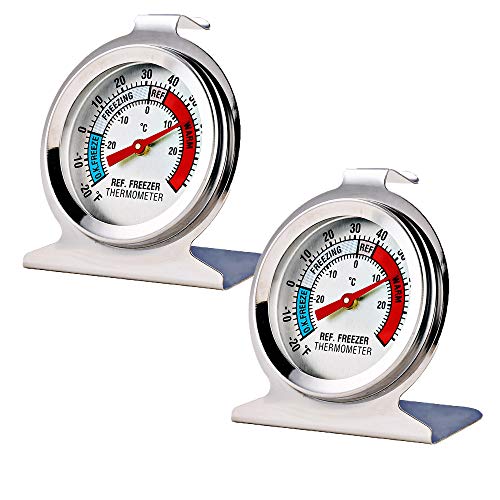
Measuring range:-20~80℉

Measuring range:-20~80℉
How Can You Tell If Vacuum-Sealed Ham Has Gone Bad?
To tell if vacuum-sealed ham has gone bad, start by inspecting the packaging for any defects. A bulging or puffy appearance indicates gas buildup from bacterial activity, which means it’s unsafe. Leaks, punctures, or loose seals also compromise the vacuum environment, so discard any compromised packages immediately.
Next, open the package and check the odor. A strong sour, rancid, ammonia-like, or skunk smell signals spoilage. If the odor persists after waiting 20 to 30 minutes, it’s best to throw the ham out. Observe the color; greenish, gray, or black discoloration suggests bacterial growth or mold. Examine the texture—if it feels slimy or sticky, this is another sign of spoilage. Look carefully for any mold growth on the surface. A slimy or sticky texture suggests bacterial presence, which is a key indicator of spoilage. For additional safety, use a meat thermometer to verify ham has reached an internal temperature of 165°F if reheating, as recommended for poultry. Like a Dutch oven pot roast that is slow-baked for hours, vacuum-sealed ham also requires careful handling to prevent spoilage. Proper cleaning methods, such as drying completely after rinsing, are essential for maintaining food-safe surfaces.
Finally, check the date on the packaging. If the ham’s use-by date has passed or it was stored above 40°F for an extended period, it’s safer to discard it. Combining these visual, odor, texture, and dating signs will help ensure your safety when assessing vacuum-sealed ham.

VACUUM AND PRESERVE MODE: Turn the top valve on these FoodSaver containers to "Vacuum" and connect your handheld sealer (sold separately) for an airtight seal that locks in freshness to keep foods fresh longer in the fridge, freezer, or pantry

AIRTIGHT COFFEE BEAN STORAGE CONTAINER FOR GROUND COFFEE AND WHOLE BEANS: The Coffeevac 1 LB holds one pound of whole beans or ground coffee in a 1.85-liter airtight container. At 7.75 inches tall and 4.875 inches wide, it fits on the counter, in the pantry, or in the freezer. Also stores loose-leaf tea, dried herbs, spices, and dry goods

Extra Large Capacity: Our reusable Extra Large Container boasts a generous 116.6 oz capacity, perfect for storing bulk items. These vacuum seal containers for food storage are designed to preserve freshness and extend the shelf life of your food. Vacuum unit sold separately
How Does Country Ham Compare to Regular Vacuum-Sealed Ham?
How Long Is Vacuum-Sealed Ham Good For?
How Does Country Ham Compare to Regular Vacuum-Sealed Ham?
Country ham and regular vacuum-sealed ham differ significantly in preservation, shelf life, and flavor. Country ham relies on traditional curing methods, specifically dry-rubbing with salt and air-drying, which give it an intensely salty and dry profile. It’s a form of meat curing that has been used for centuries to preserve meat without refrigeration. Regular vacuum-sealed ham, on the other hand, uses wet curing with added water, preservatives, and sometimes sugars, resulting in a milder, moister product.
The preservation methods impact how long each can be stored. An uncut, whole country ham can remain at room temperature for up to a year safely because the curing process inhibits bacteria growth. Once cut, however, it must be refrigerated and used within a few months. Regular vacuum-sealed ham typically needs to stay refrigerated even before opening; once opened, it is best consumed within about a week or two. The vacuum seal extends its refrigerated shelf life, keeping it fresh longer than traditionally cured hams. For comparison, cast iron’s superior thermal mass provides the consistent heat retention critical for other preserved food applications that require prolonged cooking. A vacuum-sealed ham stored in the freezer at 0°F can maintain best quality for up to 2 to 3 years, similar to other vacuum-sealed whole cuts. This vacuum seal also works by significantly slowing microbial growth to prevent spoilage and maintain moisture.
Flavor also varies notably. Country ham has a concentrated, salty taste with a dry, firm texture requiring soaking before cooking. Regular vacuum-sealed ham tends to be milder, slightly sweet, and moist, making it ready to eat straight from the package or after minimal heating. This stark contrast is a direct result of their different preservation techniques and aging processes.

【10-in-1 Precision Sealing】Expertly preserve food from dry to moist or delicate with multiple sealing modes. External vacuum ports seal jars and containers beyond standard bags. Built-in bag storage and cutter streamline operation for fast, neat results—ideal for sous vide and meal prep.
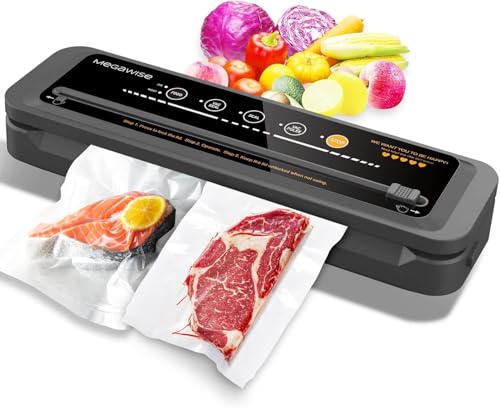
80kPa Suction Power: Updated 2025 vacuum sealer uses a DC motor pump with electromagnetics and pure copper for enhanced suction power. It sucks all air out tightly to preserve your meat and vegetables for 10 times longer or more to prevent oxidation and keep things fresh. Updated version solved many issues found from previous version
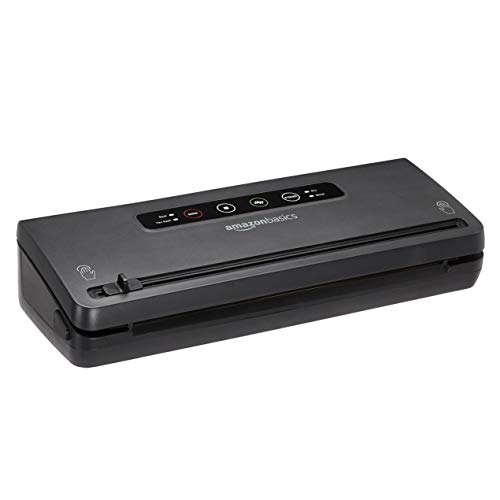
Vacuum sealer appliance with selectable modes for wet or dry food
Best Practices for Storing Opened Vacuum-Sealed Ham
Store the ham in the coldest part of your fridge, between 34°F and 38°F. Avoid the door or warm shelves, as temperature fluctuations can accelerate spoilage. Use clean utensils each time you handle the ham to prevent bacterial contamination. Once opened, you should consume the ham within 3 to 5 days to ensure freshness and safety. Waiting longer increases the risk of bacterial growth and quality loss. Before serving, let the ham sit exposed for about 30 minutes to oxygenate and help restore its flavor.
Is It Safe to Eat Vacuum-Sealed Ham Past the Use-By Date?
If the vacuum-sealed ham is intact and undamaged, it is generally safe to eat past the use-by date. The key is packaging integrity: a secure, sealed package prevents bacterial entry and keeps the ham safe beyond the printed date. Use your senses to assess quality—any foul smell, slimy texture, or noticeable color changes to gray, brown, or green indicate spoilage, regardless of the date. Unopened ham can often be safe for up to two weeks past its sell-by date if stored properly in the refrigerator. Always ensure the storage temperature stays below 40°F, as bacteria thrive above that. If the package shows punctures, leaks, or looseness, discard immediately. Even if you cook the ham to 169°F, which effectively kills bacteria, spoilage bacteria or toxins may have already accumulated if signs of spoilage are present. When in doubt, it’s safest to throw out any ham that looks or smells suspicious.

1. VACUUM SEAL HELPS KEEP FOOD FRESH LONGER REMOVE EXCESS AIR TO HELP PRESERVE FRESHNESS – The included manual hand pump removes excess air from the container to create a secure vacuum seal. By reducing the air inside, PrepSealer helps maintain food freshness longer and helps protect stored food from exposure to air.

SET INCLUDES: 1 large vacuum food storage container, 2 small and 2 medium vacuum sealer bags for food, 1 rechargeable vacuum sealer machine

Patented, No-Pump Airtight Design - Evak's push-down lid automatically forces air out as you close it — no switches, pumps, levers, or valves needed. Just press and seal. Keeps coffee beans, tea leaves, and dry goods fresher for longer without any complicated steps.