You’re referring to a prank where one person farts under shared bedding, then traps their partner’s head beneath the covers. The confined space intensifies the odor through heat, capitalizing on surprise and temporary helplessness. It’s common among intimate partners and close friends as playful humor. The term’s slang meaning emerged in the 1990s, though its etymology traces back to 17th-century Dutch metallurgy and cast iron cookware. The relationship dynamics and cultural acceptance surrounding this prank reveal fascinating layers worth exploring further.
The Basic Definition and How It Works
A Dutch oven, in slang parlance, describes a prank where one person releases intestinal gas beneath shared bedding, then traps a partner’s head under the covers to force them to inhale the odor. You’ll find this fart humor prevalent among intimate partners and close friends who engage in playful pranks together.
The mechanics are straightforward: you fart while covered by a blanket or duvet, then immediately pull the covers over your victim’s head, creating a confined, warm space. The enclosed environment intensifies the smell, mimicking how an actual Dutch oven pot traps heat inside. Your trapped companion can’t easily escape the odor or airborne particles beneath the covers. This prank capitalizes on surprise and the victim’s momentary helplessness, making it a staple of lighthearted bedroom shenanigans.
The Origin of the Term and Its Etymology
The nomenclature of the Dutch oven doesn’t trace to a single source but rather emerges from the convergence of metallurgical innovation, commercial enterprise, and linguistic evolution spanning the seventeenth and eighteenth centuries. Your etymology exploration reveals that “Dutch” originally meant “makeshift” or “ersatz,” combining with “oven” to denote substitutional cookware. Historical connections to Dutch traders peddling cast iron pots throughout colonial markets reinforced this nomenclature. Abraham Darby’s 1707 patent for sand-cast iron, derived from Dutch techniques, solidified England’s association with the cookware. Meanwhile, Dutch speakers called the vessel “braadpan” or “sudderpan,” terms reflecting functional purpose rather than nationality. This linguistic divergence demonstrates how regional manufacturing expertise and trade networks shaped naming conventions, ultimately cementing the term’s durability across centuries.
Historical Timeline of the Slang Usage
While the Dutch oven’s culinary heritage spans centuries, its slang meaning‘s documented history begins surprisingly late—in the 1990s, when written references first appeared in print. You’ll find explicit definitions in Bart Plantenga’s 1996 book “Wiggling Wishbone” and Jonathon Green’s “Words Apart,” both documenting the term’s association with flatulence pranks. Before this period, you won’t realize mainstream dictionary entries or widespread recognition. The slang evolution accelerated through youth culture channels—internet forums proliferated definitions in the early 2000s, while television appearances and meme culture amplified exposure among younger audiences. Urban Dictionary entries documented variations, solidifying the term’s meaning. Throughout this trajectory, you’ll notice the core definition remained consistent, establishing itself as firmly embedded within comedic and informal contexts before reaching broader cultural awareness.
How It Differs From the Cooking Pot
Beyond its documented emergence in late-20th-century youth culture, you’ll find that the slang term “Dutch oven” diverges fundamentally from its culinary namesake in both form and function. While the cooking pot employs heavy cast iron with a tight-fitting lid for slow-cooking methods like braising and stewing, the slang version uses a blanket as a seal. The culinary Dutch oven concentrates heat and moisture for even cooking results. Conversely, the slang variant traps air and fumes under bedcovers as humorous pranks. Both mechanisms create enclosed environments, yet their purposes couldn’t differ more starkly: one produces delicious aromas and meals, while the other generates comedic surprise and unpleasant odors. The terminology shares mechanical similarities while serving entirely opposite contexts.

Even Heat Distribution Retention: This Umite Chef Dutch oven Made with heavy-duty enameled cast iron, ensures even heat distribution for perfect searing and slow cooking, locking in flavors. thickened walls lock in heat for slow braising, searing, and baking. Unlike thin pots that scorch food, this professional-grade Enameled cast iron potSuperior heat retention after preheating (allow 5-7 mins for even distribution). CRITICAL: Always cool naturally for 45+ mins before cleaning. Thermal shock (hot-to-cold contact) cracks enamel. USE TIP: Preheat 2-3 mins on medium-low only
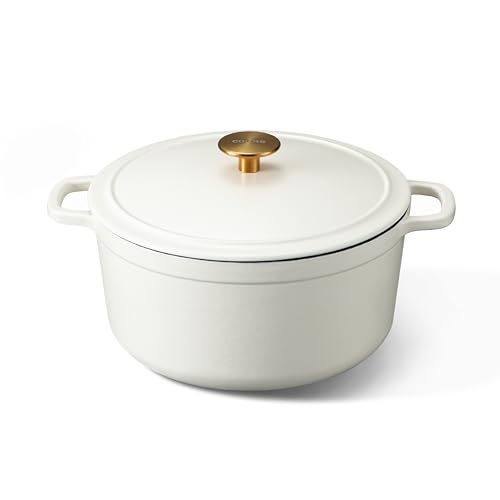
Superior Even Heat Control: One-piece thick cast iron delivers uniform heat with zero hot spots and excellent heat retention, ideal for searing, braising and crusty bread baking. Preheat on medium-low heat; cool naturally before washing to prevent enamel cracking.

BREAD BAKER'S DUTCH OVEN, 500°F OVEN-SAFE, SOURDOUGH-READY – one of the highest ratings in its class – delivering the sustained heat that sourdough, artisan bread, and pizza dough demand. Thick cast-iron walls trap and circulate heat like a brick oven, producing bakery-quality crusts at home. The tight-sealing lid features raised self-basting nodes that continuously recirculate steam: a perfect moisture chamber, every single bake.
Cultural Context and Social Acceptance
As the slang term gained traction through internet culture since its 2001 Urban Dictionary entry, its social acceptability hinged primarily on relationship proximity and cultural framework. You’ll find that cultural variations shape how different communities perceive this prank. In intimate settings, you might encounter it as bonding humor between partners or close friends, fostering closeness through playful teasing. However, social acceptance diverges sharply across contexts. Conservative or formal communities may view it as taboo due to its bodily function basis, while younger demographics embrace it as juvenile humor. You should recognize that professional environments demand its complete avoidance—the prank’s intimate bedroom origins make it fundamentally inappropriate for formal discourse. Ultimately, your comfort depends entirely on relational consent and shared cultural norms.
Common Variants and Related Terminology
Understanding how communities navigate this prank’s acceptability requires examining the specific methods and linguistic variations that’ve emerged since its popularization. You’ll encounter “Dutch ovening” as the present participle form, describing the active execution of the prank. The terminology extends beyond simple fart variations—you might hear “booty fumes” used colloquially to reference the flatulence itself, adding colorful descriptors to prank etiquette discussions.
The cooking pot origin remains central to understanding these linguistic choices. You can employ the term as both noun and verb, providing flexibility in describing either the prank itself or the act of executing it. These semantic variations reflect how communities have adapted the slang to suit different conversational contexts while maintaining the core reference to trapped odors and enclosed spaces.
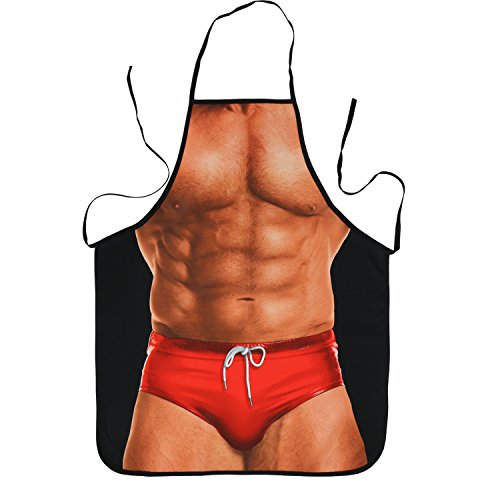

BE PREPARED FOR THE DUTCH OVEN – Have you had to fight for your life during a Dutch oven attack? With the Love Stinks Fart Relief Mask, you will never be a victim again.

Turn any normal gift into an unforgettable prank with this Roto Wipe gift box. Designed to look like a bizarre rotating bathroom accessory, it creates instant confusion before the real present inside is revealed.
The Psychology Behind the Prank
While the Dutch oven may seem like a crude bit of physical comedy, it’s rooted in psychological mechanisms that explain why people engage in pranks and what makes them socially meaningful.
You’ll find that pranks fulfill fundamental social needs through laughter and connection. The shared humor releases endorphins, strengthening group cohesion and fostering belonging. When you execute a successful prank, you’re likely seeking attention or social validation—emotions that reinforce your status within the group.
However, the emotional impact hinges critically on context. Your target’s reaction determines whether the prank generates bonding or resentment. The Dutch oven succeeds when mutual trust exists; it fails when boundaries dissolve. You must navigate cultural differences and individual sensitivities carefully. Ultimately, consent and understanding transform a potentially offensive act into meaningful social bonding that fortifies relationships through shared vulnerability and laughter.
Popular Culture and Media References
The Dutch oven’s evolution from obscure bedroom prank to mainstream cultural touchstone accelerated dramatically with the rise of internet culture in the early 2000s. You’ll find the term embedded across multiple media platforms—from animated humor in shows like *Alvin and the Chipmunks: The Squeakquel* to *The Loud House*, where writers employ flatulence-based jokes to enhance domestic comedy scenarios. Urban Dictionary and Wiktionary entries document its dual meaning, tracing the cooking vessel’s metaphorical application to bedroom pranks. Social media platforms amplified its reach considerably; Twitter conversations and user-generated content sparked viral moments that spiked online searches. This widespread exposure normalized the slang among younger demographics, transforming what you’d recognize as juvenile humor into a recognizable cultural reference point spanning entertainment, digital dictionaries, and comedic discourse.
Relationship Dynamics and Boundary Considerations
Because a Dutch oven involves physical intimacy and shared bodily space, it inherently reveals—and requires—significant trust between partners. You’re engaging in boundary negotiation when you participate in this playful act, testing the limits of comfort and humor within your relationship. Your reaction—and your partner’s—signals whether you’ve established mutual consent and emotional safety.
You’ll find that intimacy dynamics shift when you both acknowledge bodily functions without shame. This shared vulnerability strengthens your connection, provided you respect each other’s limits. If discomfort emerges, you must communicate openly about your preferences. Ongoing consent matters; what you both enjoy today may change tomorrow. By honoring these boundaries, you maintain respect while fostering the playful acceptance that characterizes resilient partnerships.



300 Deep Conversation Cards for Couples: Move past surface small talk and into meaningful conversations that help you feel truly seen, understood, and closer than ever.