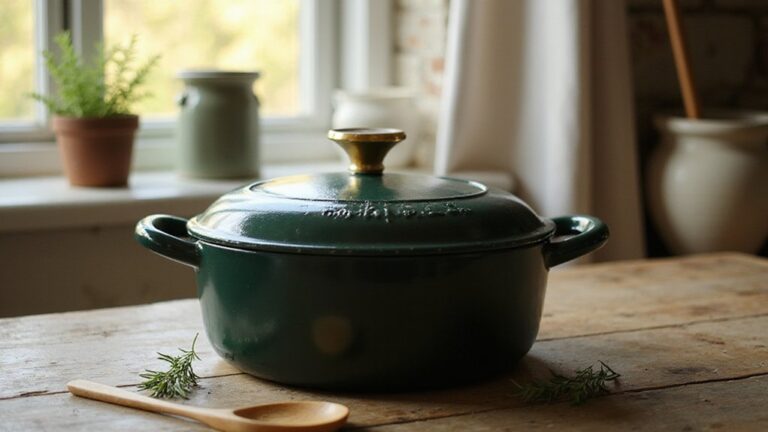
You’ll master campfire breakfasts by layering hash browns, sausage, and eggs in your Dutch oven—bake 45-60 minutes until golden. Try French toast casserole with day-old bread soaked in an egg custard, topped with pecans and blueberries. Use 8-10 briquettes underneath and 16-18 on the lid, rotating every 15 minutes for even cooking. Preheat your oven and maintain 350°F for best results. These techniques deliver restaurant-quality meals in the backcountry, and there’s much more to explore about adapting recipes for your specific needs.
Essential Ingredients for Campfire Cooking
When you’re preparing for campfire breakfast cooking, you’ll want to stock proteins that handle outdoor conditions well. Ground beef and chicken thighs are reliable choices, while eggs offer meal versatility for scrambles and burritos. Key vegetables like pre-chopped bell peppers, onions, and potatoes form your flavor foundation alongside minced garlic and jalapeños for heat. Additionally, you can use your Dutch oven to create easy and healthy dishes that make camping breakfasts satisfying.
For cooking fats, ghee and coconut oil work best over direct flame due to their high smoke points. Pack these in squeeze bottles for convenient portioning.
Your spice blends should include salt, pepper, cumin, chili powder, and oregano. These dried seasonings won’t spoil and save valuable cooler space.
Finally, stock condiment varieties—hot sauce, salsa, sour cream, and BBQ sauce—in small squeeze tubes to prevent leaks. These essentials transform basic ingredients into satisfying campfire meals. Additionally, be mindful of proper heat distribution, as it is crucial for ensuring even cooking and preventing burning in your Dutch oven.
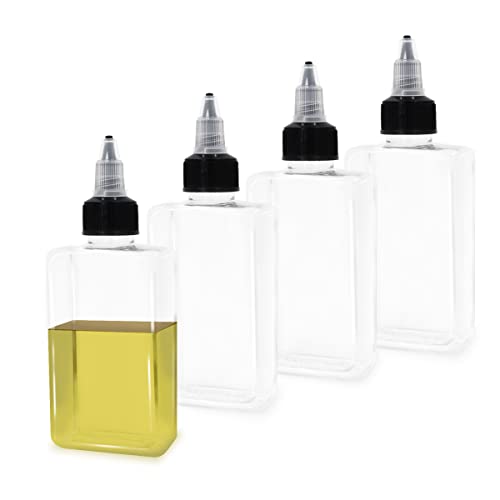
【Perfect Outdoor Condiment Dispenser Bottle】This small 100ml/3.4oz liquid condiment container is perfect for outdoor use, with a portable size that doesn't take up much storage space. They allow you to carry a full range of seasonings, and is very convenient

Unique attached cap stays open while you squeeze for a precise pour

Durable, reusable bottles are perfect for oil, ketchup, mustard, mayo, marinades, dressing, syrup – even soap
Classic Mountain Man Breakfast Recipe
The campfire’s heat and your Dutch oven’s capacity combine to create a hearty breakfast that’ll fuel your entire group. Start by layering thawed hash browns, then add your cooked and crumbled sausage or bacon. Pour beaten eggs mixed with cheese over everything, then bake 45-60 minutes until edges turn golden-brown. Remember to prepare in a well-ventilated area to enhance the cooking experience.
For flavor enhancements, consider maple sausage for smoky sweetness or jalapeños for added heat. Ingredient variations keep things fresh—try different bell pepper colors, green onions, or cilantro as finishing touches. Garlic and onion powder build foundational seasoning without overwhelming natural flavors.
This single recipe yields 12 servings at approximately 478 calories each, delivering 40g fat, 23g protein, and complete macronutrient balance for sustained energy throughout your camping day. Additionally, utilizing a Dutch oven allows for even cooking and maximum flavor extraction, making it an essential tool for outdoor meals.
Layered Dutch Oven Breakfast Casserole
For campfire cooking, place 8-10 briquettes beneath your oven and 16-18 on the lid, rotating every 10-15 minutes for 30-60 minutes total. At home, bake at 350°F until fork-tested. Pre-dice vegetables and mix ingredients at home to streamline your campsite preparation to just 5-10 minutes. To ensure that your casserole is perfectly tender and flavorful, consider using bone-in chicken thighs, as they offer enhanced richness and depth in your camping meals.

Even Heat Distribution Retention: This Umite Chef Dutch oven Made with heavy-duty enameled cast iron, ensures even heat distribution for perfect searing and slow cooking, locking in flavors. thickened walls lock in heat for slow braising, searing, and baking. Unlike thin pots that scorch food, this professional-grade Enameled cast iron potSuperior heat retention after preheating (allow 5-7 mins for even distribution). CRITICAL: Always cool naturally for 45+ mins before cleaning. Thermal shock (hot-to-cold contact) cracks enamel. USE TIP: Preheat 2-3 mins on medium-low only

Pre-seasoned 2-in-1 cast iron dutch oven: The 2-In-1 cast iron dutch oven pot with skillet lid has been burned with vegetable oil,(no synthetic coatings or chemicals). The shallow skillet that can be used as a lid

FEAST & BATCH COOKING - Designed for large families, holiday gatherings, and weekend meal prep, this 7QT Dutch oven comfortably serves 5–8 people. Its generous capacity easily handles family-size soups, large-batch stews, pot roasts, and whole chickens without overcrowding ingredients. Perfect for Thanksgiving recipes, holiday entertaining, and batch cooking with fewer rounds in the kitchen.
French Toast Casserole for Sweet Mornings
While savory casseroles dominate mountain cooking, you’ll find that French toast casserole delivers a satisfying sweet breakfast that’s equally suited to campfire preparation. You’ll want to use day-old French bread or brioche torn into chunks as your foundation. Combine 4-6 eggs with 1-1.5 cups milk or cream, then add vanilla, cinnamon, nutmeg, and sugar. Layer the bread in your 12-inch Dutch oven, pour the custard mixture over it, and bake at 350°F for 30-50 minutes using 9 briquettes beneath and 15-16 on top. Your topping ideas can include candied pecans, fresh blueberries, or diced apples. Finish with maple syrup and butter for an indulgent campfire breakfast. Additionally, if you plan to use your cast iron cookware for this dish, taking care of rust removal techniques will ensure it performs well and lasts for many camping trips to come.

【Even Heating & Outdoor Cooking】Constructed from premium cast iron, this black dutch oven pot with lid delivers superior heat retention and distribution for consistent, even heating throughout both the bottom and sidewalls. This enables energy-efficient outdoor cooking while the durable, non-toxic finish withstands rigorous camp use
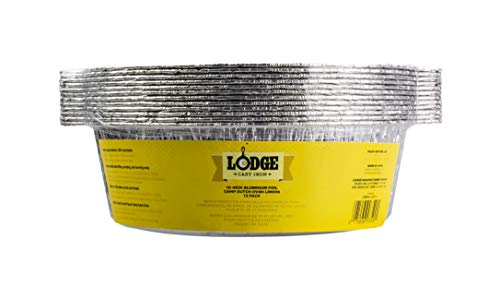
YOUR NEW GO-TO DUTCH OVEN LINERS: The Lodge Dutch Oven Liners make camp cooking cleanup easier than ever. Made of 100% recyclable aluminum, these durable liners are strong enough to lift, carry, and serve delicious outdoor meals.
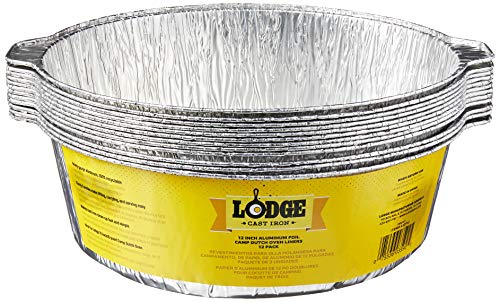
YOUR NEW GO-TO DUTCH OVEN LINERS: The Lodge Dutch Oven Liners make camp cooking cleanup easier than ever. Made of 100% recyclable aluminum, these durable liners are strong enough to lift, carry, and serve delicious outdoor meals.
Cooking Techniques for Even Heat Distribution
Since you’ve mastered the French toast casserole, you’ll want to understand how your Dutch oven actually delivers consistent results—and it all comes down to heat management. Preheat both your pot and cooking environment together to establish thermal stability and prevent uneven cooking. Place your Dutch oven on the middle oven rack rather than the floor, ensuring even heat circulation around all sides. Maintain lower, consistent temperatures between 185–195°F for breakfast dishes, avoiding scorching while achieving uniform doneness. Cast iron’s exceptional heat retention minimizes temperature fluctuations during cooking, allowing you to sear initially at higher temperatures, then shift to gentle, steady cooking. Additionally, using a little butter or oil during cooking can enhance the flavor and prevent food from sticking. Rotate your pot every 15 minutes outdoors to eliminate hot spots and promote even results throughout your meal. Always remember to avoid thermal shock by not placing a cold Dutch oven directly into a preheated oven, which enhances heat retention capabilities.
Dietary Adaptations and Meat Substitutions
Now that you understand how to master consistent heat distribution, you’re ready to adapt your Dutch oven breakfast recipes to fit any dietary preference.
Plant-based proteins like tofu, tempeh, and seitan provide hearty, high-protein alternatives to traditional eggs and meat. Crumble tempeh or seitan directly into your Dutch oven scrambles, or layer cubed tofu with vegetables for substantial breakfast hashes. This technique for proper preparation ensures that your plant-based ingredients are incorporated evenly and effectively.
For dairy-free options, swap cow’s milk with almond, oat, or soy milk in your pancake and French toast batters. Use vegan butter instead of conventional butter for greasing, and incorporate nutritional yeast for savory depth in scrambles. Additionally, consider using eco-friendly bag alternatives for storing your ingredients, which can help reduce environmental impact while prepping your meals.
These adaptations don’t sacrifice flavor or satisfaction. Your campsite breakfasts will fuel everyone at your table, regardless of their dietary choices.
Equipment and Preparation Tips for Success
The right equipment makes all the difference between a frustrating campfire breakfast and one that runs smoothly. You’ll need a 12-inch cast iron Dutch oven with a flat lid and feet specifically designed for outdoor cooking. Invest in a collapsible chimney starter and Kingsford charcoal briquettes for consistent heat control. To maintain the integrity of your Dutch oven, it is crucial to follow gentle cleaning methods that help preserve its finish.
For cooking safety, wear fireproof leather gloves and use metal tongs when handling hot coals. A lid lifter tool protects your hands when removing the hot lid. Use silicone or wooden utensils to prevent melting handles during meal preparation.
Set up on stable, flat ground near your firepit. Position your chimney starter safely away from tents. Keep your lid lifter, tongs, and gloves within arm’s reach for efficient operation throughout your breakfast service. Additionally, consider exploring popular proteins like steak to elevate your campfire meals with delicious flavors.

PRE-SEASONED CAST IRON: 7-quart heavy-duty dutch oven pot with lid and dual side handles for easy lifting and maneuvering

Heavy-Duty Camping Cookware: Designed for campfire coals, the Lodge Seasoned Cast Iron Camp Dutch Oven uses a flanged lid to distribute heat above and below for even cooking

Quality Enameled Dutch Oven: The Lodge Essential Enamel Cast Iron Dutch Oven gives you all the benefits of cast iron cooking, great heat retention and durability, without fear of rust; it's also PFAS free
Nutritional Benefits of One-Pot Camp Meals
When you’re cooking breakfast in a Dutch oven at camp, you’re not just preparing a meal—you’re fueling your body for the day ahead. One-pot cooking preserves nutrient retention through slow, even heating that breaks down tough fibers and enhances absorption of vitamins and minerals. You’ll benefit from balanced macronutrients—proteins from eggs or sausage, carbohydrates from potatoes or oats, and vegetables providing fiber and antioxidants. This combination creates sustained satiety, keeping you energized through morning activities without frequent snacking. Additionally, using an infrared thermometer to check the doneness of your food can help ensure your meals are safe and properly cooked.
Meal variety in Dutch oven breakfasts prevents monotony while optimizing nutrition. Rotating ingredients like kale, sweet potatoes, beans, and whole grains boosts micronutrient diversity. The practical efficiency means minimal cleanup and maximum time exploring the outdoors, making one-pot cooking essential for successful camping nutrition. Additionally, small Dutch ovens are perfect for preparing a wide array of delicious dishes, from baked eggs to hearty frittatas.