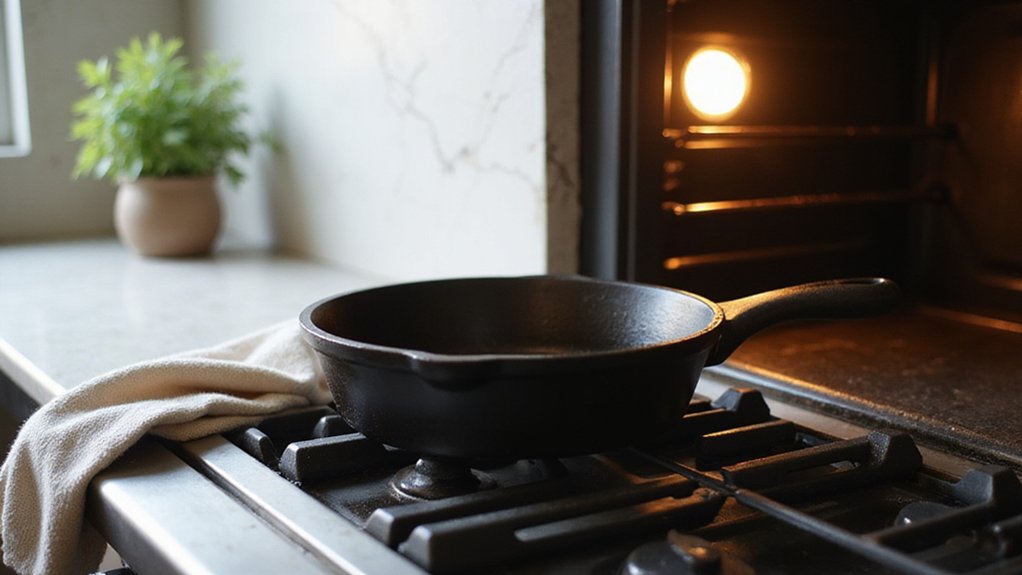
Wondering if your cast iron skillet can go straight into the oven? The good news is, it’s generally oven safe.
However, there are a few important things to keep in mind. Temperature limits, handle materials, and avoiding thermal shock are key to keeping your skillet in top shape.
Keep reading to learn how to safely use your cast iron in the oven.
How Hot Is Too Hot for Your Cast Iron Skillet?
The maximum safe temperature for your cast iron skillet depends mainly on the seasoning level and your manufacturer’s guidelines. Most seasoned coatings burn off between 500°F and 800°F, with optimal polymerization occurring between 350°F and 450°F. Temperatures exceeding 932°F can destroy the seasoning layer almost instantly. The iron itself can withstand up to about 1,500°F before it melts, but structural changes start around 1,328°F. Your kitchen oven rarely exceeds 700°F, so the metal generally remains safe. Some brands, like Lodge, specify a maximum temperature of 500°F, while others like Staub can handle up to 900°F. To avoid warping, cracking, or ruining your seasoning, keep your skillet in the range of 300°F to 450°F for regular cooking. This range provides a safety margin that protects both the seasoning and the iron. For precise monitoring, use an infrared thermometer’s non-contact temperature measurement to verify the skillet’s surface temperature instantly. Unlike digital probe thermometers that measure internal temperatures, infrared thermometers rely on surface temperature readings that may be influenced by steam or reflective surfaces, so they are best used for quick checks rather than critical candy-making precision. When adjusting heat, consider that charcoal placement ratios for outdoor cooking can help achieve even temperature distribution similar to oven settings.
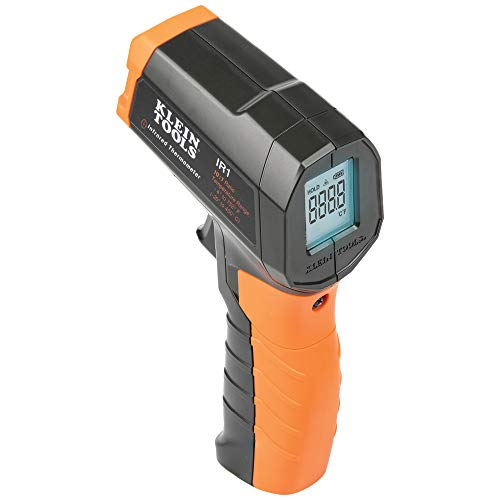
PRECISE TEMPERATURE MEASUREMENT: Optical resolution (distance-to-spot) of 10:1 ensures accurate temperature readings from a distance

【Highly Accurate & Adjusts to Any Surface】Designed with the latest thermopile sensor technology, the infrared laser thermometer gun is accurate to +/-1.5%; Improve this pizza oven thermometer gun measurements by adjusting the emissivity from 0.1–1.0 to match the surface material being measured

Temperature measurement range:-50℃-500℃ (-58℉-932℉)Display resolution: 0.1 ℃ or 0.1 ℉
Why Should You Never Put a Cold Cast Iron Skillet in a Hot Oven?
Putting a cold cast iron skillet directly into a hot oven causes thermal shock, which can lead to cracks, warping, or structural damage. When exposed to sudden high heat, the metal expands rapidly and unevenly. This rapid expansion creates internal stresses that the skillet’s material cannot withstand, even if it’s pure cast iron. To prevent this damage, you should gradually preheat the skillet rather than shocking it with immediate high temperatures. This can be done by placing the skillet in a cold oven before turning it on or warming it gently on a stovetop burner set to the lowest temperature for about five minutes. This slow heating process ensures even heat distribution, reducing the risk of cracks and warping. Remember, cast iron can tolerate very high temperatures when heated evenly—up to 1200°F—but it cannot handle abrupt temperature changes without risk. Always preheat gradually to protect your skillet and promote optimal cooking results. Furthermore, if your skillet has any rust or old seasoning, you should use a vinegar spray solution to remove the rust before applying a high-quality seasoning oil to prevent flash rust. The same principle of gradual temperature change also applies when cooking eggs, as sous vide methods rely on precise temperature and timing to achieve desired textures without shocking the ingredient. For those who want to avoid thermal shock entirely, using a vacuum sealer for sous vide cooking ensures that food is evenly heated in a water bath without sudden temperature changes.
Is Your Skillet Handle Safe for Oven Use?
Your skillet handle’s material determines whether it’s suitable for oven use. If your handle is made of pure cast iron, it’s safe because cast iron handles can withstand temperatures over 1200°F without warping. However, wooden handles are not oven-safe; high heat will char, crack, or even catch fire, posing safety hazards. Silicone handles can be tricky—most are only rated for up to 400–475°F. You shouldn’t leave them on during cooking as they get dangerously hot to the touch. Metal handles transfer heat freely, which means they become very hot and can burn your hand, so always use an oven mitt when handling them. Always check your manufacturer’s specifications before putting your skillet in the oven to avoid accidents.

Versatile Cooking Skillet: The Lodge Cast Iron Skillet is a multipurpose, everyday cooking pan that excels at searing, sautéing, baking, frying, and campfire meals

Moisture-Locking Lid: The Lodge Essential Enamel Braiser features a moisture-locking design ideal for broiling, braising, baking, or roasting

Secure Dual Assist Handle: The Lodge Seasoned Cast Iron Dual Handle Pan features dual assist handles for a secure grip when moving this cast iron skillet
Is Your Enameled Cast Iron Safe for the Oven?
Most enameled cast iron cookware is oven-safe up to at least 400°F, with many brands rating their pieces for 500°F. However, always check your manufacturer’s specific temperature limit because exceeding it can cause the enamel to crack. As long as the coating remains intact, you are safe to oven-roast, bake, or braise. Look for any chips or damage inside the cookware. Enamel chips expose bare iron, which can leach into your food—especially with acidic dishes—posing health risks. Even small exterior chips are typically only cosmetic, but chips on the interior surface are a concern and should lead to replacing the piece. Reputable brands use an inert glass coating that won’t leach metals or chemicals. To keep your enameled cookware safe and functional, keep it chip-free and use it confidently for various oven cooking methods.

Moisture-Locking Lid: The Lodge Essential Enamel Braiser features a moisture-locking design ideal for broiling, braising, baking, or roasting

All of the Flavor, None of the Sticky Mess: Seeking truly nonstick cast iron cookware? Try this braiser pan. The cast iron heats & cooks evenly while the smooth enamel coating resists sticking.

PREMIUM MATERIAL: This Cast iron dutch oven made of high-quality cast iron core, coated with food grade enamel coating; Durable and sturdy structure, the cast iron core achieves even heat distribution, maximizing the preservation of the original nutrition and taste of the food
How to Properly Season a Cast Iron Skillet in the Oven
Yes, you need to thoroughly season your cast iron skillet in the oven to build a durable non-stick surface. Start by washing the skillet with warm, soapy water to remove any manufacturing oils or residues. Dry it completely using a clean towel or by heating it briefly on the stove. To ensure all moisture is gone, place the skillet in a 200°F oven for 45 minutes. This step helps eliminate trapped moisture that could cause rust later. This polymerization bonds the oil to the pan, creating a hard, protective coating. Additionally, regular use and proper maintenance of the seasoning will help preserve its non-stick surface over time. For best results, repeat the oiling and baking process multiple times to build a durable seasoning layer.
Once the skillet feels dry and shiny, apply a very thin layer of neutral oil such as canola or vegetable oil. Use a paper towel to spread the oil evenly over every surface, including the handle and the exterior. Wipe off all excess oil until the pan feels almost dry; any pooling or thick spots will create a sticky or uneven finish during baking. A well-seasoned skillet is ideal for recipes like chicken pot pie, which require even heat distribution and a non-stick surface.
Next, place your skillet upside down in a preheated 450°F oven. Put a sheet of aluminum foil or a baking sheet on the rack below to catch any drips. Bake the skillet for at least one hour. This high temperature polymerizes the oil, creating a durable, non-stick coating. After baking, turn off the oven and let the skillet cool inside for about two hours before handling. Repeat this seasoning process if necessary to enhance the coating’s strength and longevity.

YOUR NEW GO-TO SEASONING SPRAY: The Lodge Seasoning Spray is the perfect seasoning spray to maintain your cast iron cookware. It is made of 100% canola oil - no additives or propellants, to protect your cookware and enhance its finish.

TLC for your griddle cooktop: All you need to build a slick, easy-release surface that's protected from rust and easy to work with using Blackstone griddle seasoning and cast iron conditioner
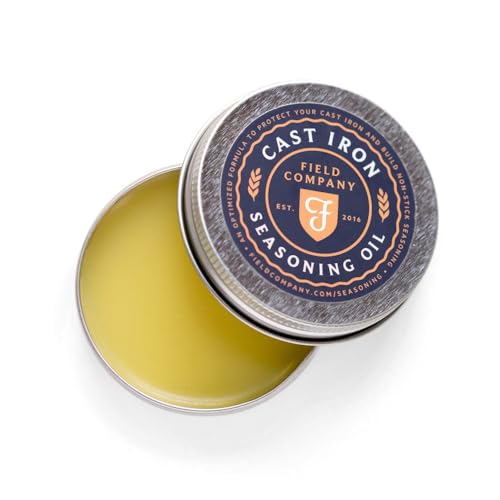
HOW TO USE: The key to naturally nonstick cast iron cookware? Cook often, and apply Seasoning Oil every time you clean your pan. Clean your cast iron with soap and a brush, then use a chain mail scrubber to smooth out existing seasoning layers. Apply a dab of Seasoning Oil and spread it thinly over the surface with a paper towel or clean rag. Wipe away excess oil to leave a dry, matte finish.