You’ll clean your skillet thoroughly, then apply a thin layer of high smoke-point oil like grapeseed or avocado. Heat your oven to 450–500°F and place the skillet upside down on the middle rack for one hour, allowing the oil to polymerize. Cool it completely inside the oven. Repeat this layering process 3–6 times for ideal durability. Regular cooking with fatty foods accelerates seasoning development, creating that coveted dark, glossy finish that’ll protect your investment for decades.
Cleaning and Preparation Before Seasoning
Before you season your cast iron skillet, you’ll need to clean and prepare it thoroughly to guarantee the best results. Start by allowing your skillet to cool completely, as cleaning a hot surface risks warping or cracking. Once cooled, address food residue using a stiff brush or non-abrasive scrubber. For stubborn particles, simmer water for 3–5 minutes to loosen debris, then use a pan scraper for removal. Avoid metal scouring pads that damage the surface. Next, perform skillet cleaning with warm water and gentle dish soap, then rinse thoroughly. Immediately dry all surfaces using towels or low heat to prevent rust. Finally, inspect for rust spots or damaged seasoning, addressing imperfections with steel wool before proceeding to oil application. This method can be enhanced by using coarse salt and a potato for effective natural cleaning, which helps maintain the seasoning. Additionally, if rust is present, the use of vinegar spray can be effective for loosening rust and preparing the skillet for seasoning.
Oil Selection and Application
Now that you’ve prepared your skillet’s surface, selecting the right oil determines how effectively your seasoning’ll develop. Choose oil types with high smoke points—grapeseed, avocado, or organic canola oil work best. These oils polymerize properly at seasoning temperatures, creating durable non-stick layers. Avoid low smoke point oils like extra virgin olive oil, which break down and leave sticky residue. Proper seasoning involves heating the oil to its smoke point, which allows the oil to bond chemically with the cast iron.
Beef tallow is an excellent option for seasoning due to its high smoke point, which allows it to withstand high heat without burning or smoking. For application methods, use a small dab of oil on a paper towel and distribute it evenly across your entire skillet, including sides and walls. Wipe away excess oil completely until you achieve a dry, matte finish. This prevents pooling and guarantees uniform seasoning development. Heat your prepared skillet on the stovetop for several minutes to complete the polymerization process, ensuring a strong bond between the oil and the skillet.
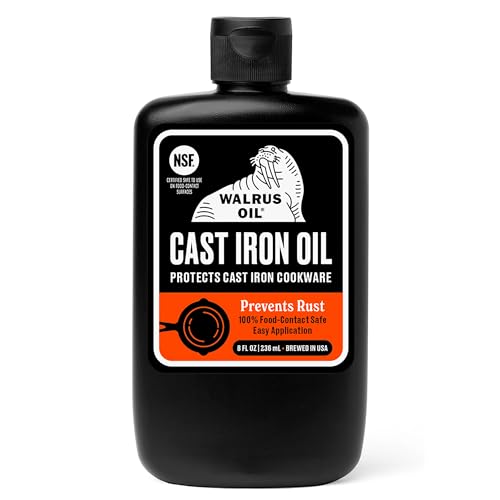

Light Buttery Flavor That Elevates Every Meal: Algae Cooking Club Chef-Grade Algae Oil enhances every dish with subtle richness. Its neutral profile makes it ideal for searing, baking, and dressings, transforming everyday meals into gourmet experiences.

Mild and Easy: Grapeseed Oil is at its best in stir-fries and sautés; it doesn't overwhelm other ingredients and lets fresh flavors shine. When grilling or frying, it is a must-have in the pantry.
Oven Temperature and Timing
The oven’s temperature and duration you select directly determine whether your oil polymerizes into a durable seasoning layer or burns into a useless residue. You’ll achieve ideal temperatures between 450–500°F for your main seasoning bake, typically lasting one hour. Start lower at 200°F for 15–20 minutes to warm your skillet evenly before oil application. Increase gradually to 300°F for initial polymerization, then finish at 400–450°F for full curing. This process is essential for creating a hard, nonstick finish that will enhance your cooking experience. These seasoning durations prevent oil pooling and burning while building smooth, glossy layers. You should avoid exceeding 500°F, which risks combusting your oil rather than bonding it properly. Always cool your skillet inside the turned-off oven to allow hardening and prevent thermal shock. Additionally, using high smoke point oil ensures optimal results during the seasoning process.
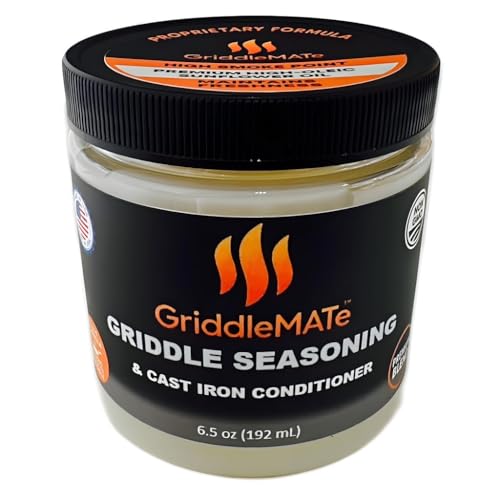
PROPRIETARY FORMULA - Crafted with a unique blend of high-quality ingredients, this proprietary formula is designed to deliver superior seasoning and long-lasting protection for your griddle or cast iron.
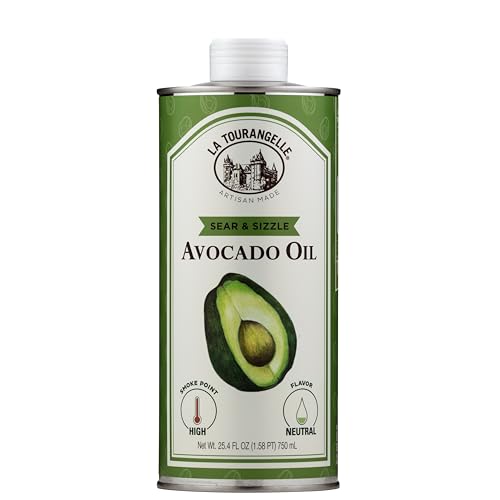
Healthy High Heat Oil: Expeller-pressed from fresh avocados and protected in our iconic light-blocking tin, this smooth, neutral oil preserves freshness and flavor. Fire up the grill, sear the perfect steak, or master a golden, crispy fry — all without losing the natural taste of your ingredients. With a high smoke point and everyday versatility, Sear & Sizzle should be every kitchen’s secret weapon.

100% GRAPESEED OIL BULK SIZE: Expertly crafted by The Olive Oil People using wine grape seeds imported from France
Pan Position and Oven Setup
Proper positioning of your cast iron skillet directly impacts the quality of your seasoning layer, so you’ll want to place it upside down on the middle oven rack to prevent oil from pooling on the cooking surface. This skillet orientation guarantees excess oil drips away rather than accumulating in uneven patches that compromise the non-stick finish. Proper care of your skillet also involves monitoring the seasoning process to ensure an even baking result.
Position a baking sheet or aluminum foil on the rack below to catch drips. Confirm adequate air circulation by maintaining distance from oven walls and neighboring items, which optimizes heat distribution around all surfaces, including the handle.
Before seasoning, preheat your oven completely and verify temperature accuracy with an oven thermometer. After seasoning completes, allow your skillet to cool entirely within the oven to prevent thermal shock and strengthen the polymerized layer’s integrity. Regularly seasoning with oil helps keep the skillet in great condition while preventing rust.

CAST IRON SKILLET is 10.25 inches in diameter and includes red silicone hot handle holder. An improvement on the original: the Lodge Cast Iron Skillet, featuring an assist handle. This will be your go-to pan for generations to come
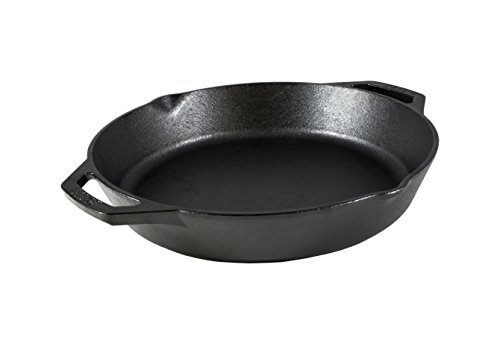
YOUR NEW GO-TO PAN: Lodge cast iron cookware is the perfect kitchen tool for beginners, home cooks and chefs. Cast iron can handle any kitchen cooktop, oven, grill, and open flame. Crafted in America with iron and oil, its naturally seasoned cooking surface creates an easy-release and improves with use.

Layering and Repeating Process
Once you’ve positioned your skillet and preheated your oven, you’re ready to build your seasoning through multiple thin layers. Apply oil with a lint-free cloth, then wipe away excess thoroughly—this layering technique prevents pooling and sticky residue. Each application requires a full baking cycle at 450–500°F before cooling and reapplying the next coat. This method of applying a thin layer of olive oil is essential for creating a durable seasoning.
Repeat this process 3–6 times, depending on your desired finish durability. The seasoning benefits compound with each cycle, creating a robust, non-stick surface. Monitor visual indicators: a smooth, black patina signals proper layering, while flaking suggests insufficient coats. Don’t skip cycles or reduce applications—doing so compromises the final seasoning quality. The entire process takes several hours but yields a hardwearing, professional-grade finish worthy of your investment. Additionally, ensure the skillet is thoroughly dried before applying oil to avoid any moisture-related issues.
Cooling and Storage
Patience during cooling is your foundation for preserving the seasoning you’ve built. You’ll employ two primary cooling techniques: turning off your oven and allowing the pan to cool gradually inside, or removing it to the stovetop for several minutes. Complete cooling prevents thermal shock and warping while ensuring an even seasoning layer. Proper cleaning procedures are also vital for maintaining the integrity of your skillet’s seasoning.
Once cooled to room temperature, apply storage tips by thoroughly drying your skillet with paper towels, eliminating moisture from rims and crevices. Apply a thin protective oil coating—vegetable, canola, or grapeseed work well—after complete drying to prevent rust during dormancy. Regular maintenance, including proper storage techniques, is essential for the longevity of your skillet.
Store your seasoned skillet in a dry, well-ventilated location away from moisture sources. Place paper towels between stacked pans, or use vertical storage with dividers to maximize airflow and minimize condensation accumulation.
Maintenance and Troubleshooting
Your cast iron skillet’s longevity depends on consistent maintenance practices that preserve and rebuild the seasoning layer you’ve carefully established. Regular use and oiling directly combat rust prevention by maintaining protective oil layers. To address rust spots, scrub them vigorously with a stiff brush while rinsing with cold water, then dry thoroughly on the stovetop. Reapply seasoning oil immediately after. For optimal cooking results, consider that properly seasoned pans can help regulate heat and moisture during cooking, much like a preheated Dutch oven enhances sourdough baking.
For seasoning longevity, handle common issues strategically. Discoloration during break-in normalizes through continued cooking. Remove flaky seasoning before re-seasoning with thin oil layers and proper heat polymerization. Sticky residue indicates excess oil—heat the pan and wipe thoroughly. Minor bare patches aren’t permanent; frequent cooking naturally restores protection. Avoid overzealous scouring, which damages seasoning, though regular use rebuilds it effectively. Additionally, seasoning with oil after drying helps maintain the skillet’s natural non-stick properties and prevent future rust.

TLC for your griddle cooktop: All you need to build a slick, easy-release surface that's protected from rust and easy to work with using Blackstone griddle seasoning and cast iron conditioner

YOUR NEW GO-TO SEASONING SPRAY: The Lodge Seasoning Spray is the perfect seasoning spray to maintain your cast iron cookware. It is made of 100% canola oil - no additives or propellants, to protect your cookware and enhance its finish.

RESTORE & PROTECT YOUR CAST IRON: Keep skillets, Dutch ovens, griddles, grill grates, and carbon steel cookware in peak condition with our premium cast iron skillets seasoning oil. Builds a durable protective layer that helps prevent rust, preserves the classic black patina, and maintains naturally nonstick cooking performance.
Building Long-Term Seasoning Through Cooking
While maintenance practices protect your cast iron, the most effective seasoning strategy involves regular cooking that deposits layers of polymerized oil directly onto the skillet’s surface. Your cooking frequency directly accelerates seasoning development; each session adds incremental polymerization when you cook with oil at moderate to high heat.
Select oil types strategically. Flaxseed, canola, and vegetable oils create durable seasoning layers through superior polymer formation. Avoid low smoke point oils, which degrade rather than build seasoning. To ensure the best results, always preheat your skillet, as this enhances the oil’s ability to bond with the skillet surface.
Searing, frying, and baking with oil maximize seasoning accumulation. Cooking starchy or fatty foods releases oils that bond to your surface, strengthening the finish. Consistent heat exposure guarantees uniform development across all cooking surfaces, creating the dark, glossy appearance that indicates well-developed, resilient seasoning. Additionally, cooking with cast iron can increase food’s iron content, offering a potential health benefit for those in need.
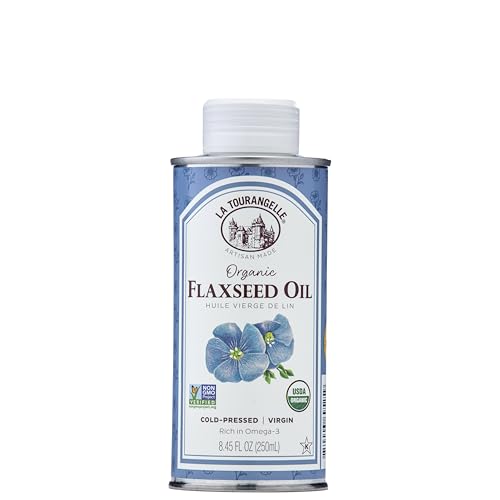
Organic Flaxseed Oil: This oil provides over 7 grams of plant based Omega-3, making it the ideal ingredient to add to your smoothies, oatmeal, or salad dressings.
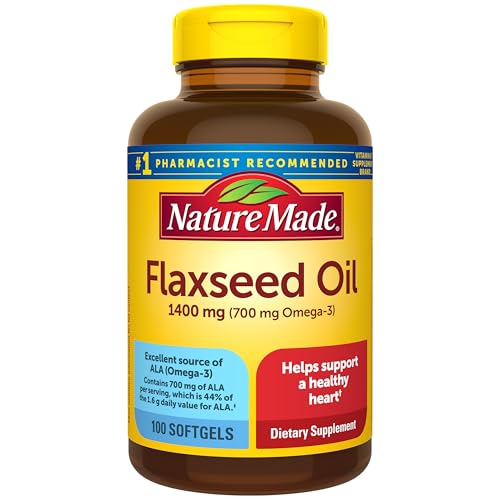
Extra strength flaxseed oil softgels formulated with 700 mg of Omega-3 to help support a healthy heart

PURE, ORGANIC AND UNREFINED: Barlean's organic flax oil is cold pressed without the use of heat or solvents. Each drop is protected from damaging heat and light from seed to bottle, offering a potent and healthy balance of Omegas 3, 6, and 9 and a pleasant and mild nutty flavor.