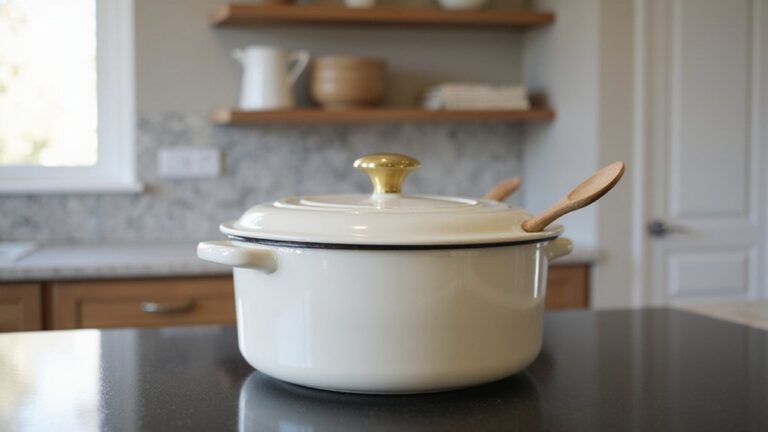
You’ll create a one-dish masterpiece by sautéing aromatics with shredded chicken and vegetables, then building a creamy filling with a flour-based roux and broth. Top with buttery biscuit dough spaced ½ inch apart, brush with milk, and bake at 425°F for 15–25 minutes until golden. The biscuits’ll rise beautifully while the filling thickens during your 5–10 minute rest. You’re uncovering just the foundation here—explore variations, reheating techniques, and texture restoration strategies for consistent results.
Essential Ingredients You’ll Need
Before you assemble your Dutch oven chicken pot pie, you’ll want to gather the core components that define this dish: a rich, savory filling built on 4 cups of shredded chicken, a medley of vegetables like carrots, celery, onions, and potatoes, and a creamy base made from 2–3 cups of chicken broth combined with heavy cream or half-and-half, thickened with 3–4 tablespoons of flour.
For optimal cooking, consider using a butane torch to add a finishing touch to your dish, ensuring the flavors are enhanced and the presentation is elevated.
For the biscuit topping, you’ll need 2 cups all-purpose flour, 1–2 tablespoons baking powder, ½–1 teaspoon salt, and ¼–½ cup butter. Mix in 1 cup milk to form your dough.
Elevate your pot pie with essential herbs like thyme or rosemary. Consider cheese variations—sharp cheddar adds depth—and black pepper for complexity. These ingredient choices transform a classic comfort dish into something distinctly memorable. Additionally, ensure that you use the right internal temperature to guarantee the chicken is thoroughly cooked and safe to eat.

One 16 fluid ounce carton of Heavy Whipping Cream, Ultra-Pasteurized

One 32 fluid ounce carton of Heavy Whipping Cream, Ultra-Pasteurized

Step-by-Step Preparation Guide
To set yourself up for success, you’ll want to position your oven rack at center and preheat to 425°F—this guarantees even heat distribution across your Dutch oven and promotes consistent biscuit browning. While your oven heats, prepare your filling by sautéing aromatics with butter and herbs until soft and fragrant. Add diced cooked chicken and vegetables, then incorporate flour to create a roux. Stir in broth or cream to achieve the proper filling consistency—thick enough to prevent sogginess beneath your biscuits. Season last with salt, pepper, and optional lemon juice. It’s important to note that reusing traditional canning lids is not advisable for preserving food safely, which aligns with ensuring your dish is prepared with fresh ingredients.
For added flavor and texture, consider incorporating classic recipes that highlight the versatility of your Dutch oven. Simultaneously, mix dry ingredients and cut cold grated butter into your flour mixture until crumbly. Add wet ingredients minimally to maintain tender biscuit texture. Shape dough into ¼” to ½” thick discs, spacing them ½” apart. Transfer hot filling into your Dutch oven, arrange biscuits on top, brush with egg wash, then bake exposed fifteen to twenty minutes until golden and bubbling.


BISCUIT MIX: Make a delicious meal with this mouth-watering biscuit mix
Cooking Instructions and Timing
Once you’ve assembled your pot pie, the oven’s performance becomes your primary focus—425°F guarantees your biscuits rise properly and develop that coveted golden-brown exterior while the filling heats through. Position your Dutch oven on the center rack for even heat distribution across both components. Searing the chicken thighs prior to adding them to the pie will enhance the overall layering flavors of your filling.
Bake revealed for 15-25 minutes, monitoring biscuit color closely. Space biscuit dough discs ½ inch apart to enable proper expansion. Brush tops with milk or melted butter before baking to enhance browning and crispness. For added moisture and flavor in your filling, consider incorporating extra ingredients similar to those suggested in cornbread recipes.
Your baking techniques should remain flexible—thicker doughs require extended time, potentially reaching 25-30 minutes. Check for visual doneness: biscuits should separate easily when cut and display firmness throughout.
After baking concludes, rest your pot pie 5-10 minutes. This temperature adjustment period allows filling to thicken and biscuits to firm properly before serving.
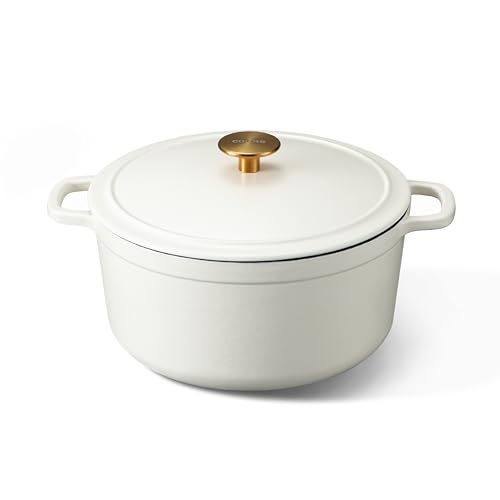
Superior Even Heat Control: One-piece thick cast iron delivers uniform heat with zero hot spots and excellent heat retention, ideal for searing, braising and crusty bread baking. Preheat on medium-low heat; cool naturally before washing to prevent enamel cracking.

【Airtight Lid Locks In Freshness & Flavor】Experience the magic of this Dutch oven with lid, precision-engineered to create a tight seal. It locks in moisture and essential nutrients, delivering richer flavor and incredibly tender, juicy results in every dish—from slow-braised meats to hearty soups. Achieve a perfect, crispy crust on your artisan loaves—it's the ultimate Dutch oven for bread baking. The interior self-basting dots continuously redistribute condensation, ensuring your food stays perfectly moist, never dry or mushy

Moisture-Locking Lid: The Lodge Essential Enamel Braiser features a moisture-locking design ideal for broiling, braising, baking, or roasting
Creative Variations to Try
Your Dutch oven chicken pot pie doesn’t need to stay traditional—you can transform it by swapping proteins, reimagining the biscuit topping, adjusting the filling components, or modifying your sauce base. Consider creative leftovers like turkey or rotisserie chicken for convenience. Explore seafood substitutions with crab or shrimp for coastal variations, or vegetarian adaptations using chickpeas and lentils. Enhance your filling with mushrooms, green beans, or root vegetables for depth. Elevate biscuits through herb infused varieties featuring thyme or cheese additions. Adding smoky flavor additions via sausage or bacon to your filling can create a unique twist. Adjust your sauce by incorporating cream cheese or sour cream for richness, but remember to keep a clear line of sight to ensure you achieve perfectly cooked results. These strategic modifications deliver distinct flavor profiles while maintaining the dish’s structural integrity and cooking methodology. Additionally, ensure your cooking environment is safe by keeping well-ventilated areas in mind while preparing to cook.

What's Included: A single 11.36-ounce box of Red Lobster Cheddar Bay Biscuit Mix with a garlic herb seasoning pouch

12-ounce cheddar and herb biscuit mix

BISCUIT MIX: Make a delicious meal with this mouth-watering biscuit mix
Nutritional Information and Serving Suggestions
Dutch oven chicken pot pie’s nutritional profile depends greatly on ingredient choices and portion sizes, with a single serving typically containing 339 to 676 calories. You’ll find approximately 29-30g of protein, primarily from chicken and dairy, while carbohydrates range from 30-38g sourced from flour and vegetables. Fat content varies between 17-46g, with saturated fat reaching up to 25g per serving.
Sodium levels typically range from 1,184mg upward, depending on your broth selection. You can implement dietary substitutes to optimize nutritional benefits: substitute whole milk with almond milk, use low-fat cheese, or reduce butter quantity. These adjustments greatly lower calories and saturated fat. Adding extra vegetables boosts fiber content beyond the typical 5g while decreasing sodium through low-sodium broth selections. Most recipes yield 6-8 servings, accommodating flexible portion planning.
Equipment and Helpful Tips
Three essential components—a properly sized Dutch oven, quality baking tools, and precise measuring instruments—form the foundation for successful chicken pot pie preparation. You’ll need a 4-quart ovenproof pot for adequate space and even heat distribution, which provides critical equipment benefits for consistent results.
Employ a pastry cutter or food processor to cut cold butter into flour, creating the flaky biscuit texture you’re seeking. Measure ingredients accurately using cups and spoons, then mix dry components thoroughly before incorporating wet elements. Handle dough gently to avoid overmixing, which compromises tenderness.
Position your oven rack centrally and preheat to 425°F. Space biscuit discs ½ inch apart atop the filling. Use a basting brush to apply milk or egg wash before baking, enhancing browning and flavor development.
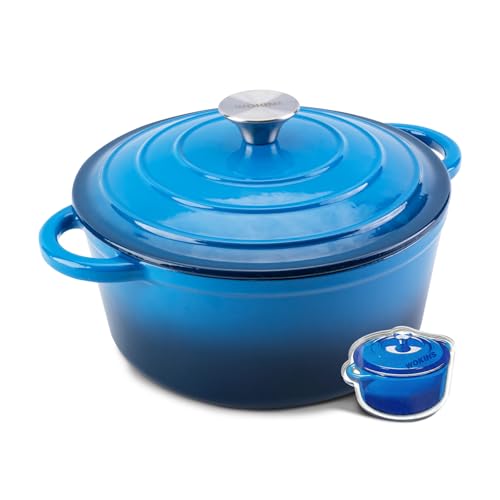
【Even Heat Distribution & Heat Retention】Our premium Dutch oven is crafted from heavy-duty enameled cast iron.Even Heat Distribution,Thick walls lock in heat and flavor.Ideal for slow cooking, searing, and bread baking, its robust, one-piece construction offers exceptional durability.Note: For best results on the stovetop, use low to medium heat to help prevent food from sticking.

Enhanced Cooking Experience: Carote enameled cast iron Dutch oven delivers exceptional heat conduction and heat retention. Crafted from heavy-duty enameled cast iron and featuring a condensation design on the inner lid, it ensures a perfect cooking experience, locking in the flavors of your ingredients. Whether you're searing, roasting, or braising, the Carote enameled cast iron Dutch oven is your ultimate choice.
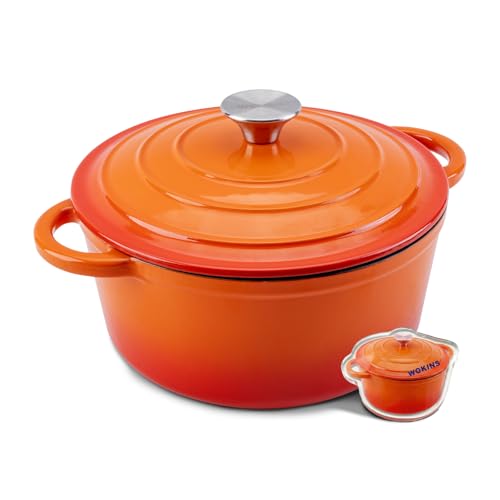
【Even Heat Distribution & Heat Retention】Our premium Dutch oven is crafted from heavy-duty enameled cast iron.Even Heat Distribution,Thick walls lock in heat and flavor.Ideal for slow cooking, searing, and bread baking, its robust, one-piece construction offers exceptional durability.Note: For best results on the stovetop, use low to medium heat to help prevent food from sticking.
Storing and Reheating Leftovers
Once you’ve mastered the baking techniques that yield a golden, crispy crust, you’ll want to know how to preserve that same quality in your leftovers. For leftover storage, refrigerate your pot pie for up to three days in airtight containers. Freeze it for two to three months by wrapping it tightly in plastic wrap and foil, or freeze components separately for convenient assembly later. It’s crucial to ensure your oven’s accuracy so that when reheating, you achieve the desired temperature and texture, which is best verified using a reliable thermometer.
When reheating, employ these reheating techniques: thaw overnight in your refrigerator, then warm at 350°F for twenty to thirty minutes. Cover the pie loosely with foil, removing it during the final five minutes to restore crust crispness. Monitor internal temperature until it reaches 165°F, ensuring food safety without compromising texture. To add extra flavor, consider serving with buttered apples or a side of sautéed cabbage, similar to how sides enhance the profile of a savory-sweet pork roast.