

You’ll master nine essential cooking techniques with a single Dutch oven. Braise tough cuts of meat, bake artisan bread, simmer soups and stews, roast vegetables and meats, deep fry and sauté, slow cook comfort foods, prepare casseroles and gratins, make stocks and broths, and bake desserts and cobblers. Its heavy construction, tight-fitting lid, and superior heat distribution make it the most versatile cookware you’ll own. Each technique reveals distinct culinary possibilities worth exploring further.
Braising Tough Cuts of Meat
A Dutch oven‘s heavy construction, tight-fitting lid, and oven-safe design make it the ideal vessel for braising tough cuts of meat. You’ll pat your meat dry, season generously, then sear all sides over medium-high heat until deeply browned—this caramelization locks in juices and builds flavor. Next, you’ll deglaze the pot with wine or vinegar, releasing browned bits that concentrate taste. One can use beef stock or wine during deglazing to lift the flavorful browned bits off the pot’s bottom. Add your aromatics: softened onions, celery, and carrots, along with stock and optional pastes like miso or tomato. Maintain cooking temperatures between 275–325°F for 2.5 to 3 hours, keeping liquid halfway up the meat’s sides. Marinade techniques aren’t necessary when you’re using this method—the braising liquid itself tenderizes collagen, delivering fork-tender results every time. This technique is similar to making Dutch Oven Pot Roast, which also utilizes a flavorful cooking liquid to enhance the dish.

Even Heat Distribution Retention: This Dutch oven Made with heavy-duty enameled cast iron, ensures even heat distribution for perfect searing and slow cooking, locking in flavors. thickened walls lock in heat for slow braising, searing, and baking. Unlike thin pots that scorch food, this professional-grade Enameled cast iron pot maintains steady temperatures

Moisture-Locking Lid: The Lodge Essential Enamel Cast Iron Dutch Oven features a moisture-locking design ideal for roasting, braising, and slow cooking pot meals

Even Heat Distribution Retention: This Umite Chef Dutch oven Made with heavy-duty enameled cast iron, ensures even heat distribution for perfect searing and slow cooking, locking in flavors. thickened walls lock in heat for slow braising, searing, and baking. Unlike thin pots that scorch food, this professional-grade Enameled cast iron potSuperior heat retention after preheating (allow 5-7 mins for even distribution). CRITICAL: Always cool naturally for 45+ mins before cleaning. Thermal shock (hot-to-cold contact) cracks enamel. USE TIP: Preheat 2-3 mins on medium-low only
Baking Artisan Bread
Because Dutch ovens trap steam exceptionally well, they’re perfectly suited for baking artisan bread at home. You’ll preheat your pot at 450°F for at least 30 minutes, mimicking professional steam ovens. Line it with parchment paper to prevent sticking and burning.
Shape your artisan dough into a round or oval loaf, then score it with a sharp knife for controlled expansion. Place the dough inside and bake covered for 20–35 minutes. This covered period enables steam creation, developing a shiny, crackly crust while keeping your crumb soft and open. The Dutch oven’s ability to create moisture-sealed environments enhances the bread’s rise and texture, resulting in a more authentic artisan loaf.
Remove the lid after this initial phase and bake exposed for 10–20 minutes until golden brown. This final stage allows excess moisture to escape, crisping your crust. Total baking time typically runs 30–45 minutes depending on loaf size. Additionally, the Dutch oven’s ability to create steam enhances the bread’s rise and texture, resulting in a more authentic artisan loaf.

𝐃𝐨𝐦𝐞 𝐃𝐞𝐬𝐢𝐠𝐧: Perfect for Crusty Sourdough The AHJ pre-seasoned Dutch oven is ideal for sourdough baking. When used with the lid in the oven, it locks in steam—ensuring condensation drips down the lid walls without soggying the bread—for an ultra-crisp crust and soft, fluffy interior. The 5-quart large capacity easily accommodates big sourdough loaves, perfect for sharing with the whole family.

The Ultimate 9-in-1 Pro Bread Baking Kit – From Beginner to Artisan. This complete set is engineered for perfect homemade bread, covering the entire workflow: a 5QT Enameled Cast Iron Sourdough Bread Oven (with lid), 10inch Rattan Proofing Banneton, Stainless Steel Dough Scraper, Bread Sling, Dough Whisk, Bread Scoring Lame, Cleaning Brush, and Heat-Resistant Gloves. No need for extra purchases. Ideal for sourdough, no-knead, rustic bread, and even meatloaf.
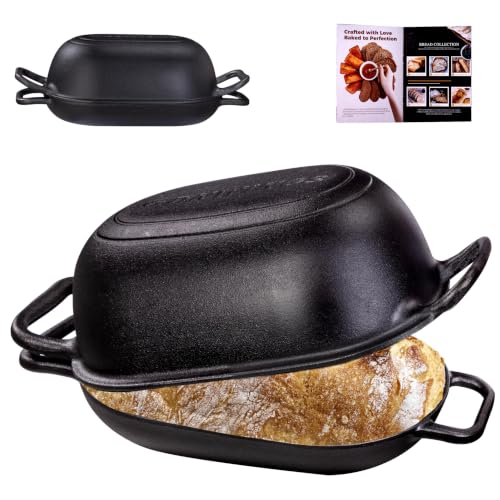
Elevate your sourdough bread baking with a 5QT 12 x 8 inch oval Dutch oven designed to recreate the conditions of a professional bakery. The oval shape promotes even heat circulation and excellent steam retention, helping you create rustic artisan loaves with a crisp, golden crust and beautifully developed crumb.
Simmering Soups and Stews
While artisan bread showcases your Dutch oven‘s steam-trapping prowess, you’ll reveal the vessel’s true versatility when you’re simmering soups and stews. The thick cast iron walls and tight-fitting lid create an ideal environment for Dutch oven simmering, distributing heat evenly across all surfaces. This controlled, moist environment allows tough meat collagen to break down gradually while vegetables soften without disintegrating. Additionally, it’s crucial to remember that never heating an empty enameled Dutch oven ensures the pot maintains its integrity during cooking.
Dutch oven simmering excels at flavor melding, as extended low-heat cooking intensifies spices and herbs while extracting natural juices from ingredients. You can preheat your Dutch oven, brown meat in batches, sauté aromatics, deglaze with broth or wine, then transfer to a preheated oven at 325–375°F. This hands-off approach maintains consistent heat for 1.5 to 2 hours, producing tender, complex-flavored stews without active stirring. Additionally, using a trivet for heat distribution can help further control cooking temperatures and prevent burning.
Roasting Vegetables and Meats
Once you’ve mastered Dutch oven simmering, roasting becomes your next frontier for capitalizing on the vessel’s superior heat distribution and moisture retention. Select vegetable combinations like carrots, butternut squash, parsnips, and Brussels sprouts—chopped uniformly to 1 to 1.5 inches for even cooking. Additionally, you can create a flavorful meal by including potatoes and carrots that soak up the delicious juices during roasting.
Brown your vegetables in butter or oil over medium heat before roasting at 325°F to 425°F. Cover the Dutch oven to trap steam, then roast 30 to 60 minutes, stirring halfway through. Remove the lid near the end for caramelization.
Your seasoning techniques should layer flavors: coat vegetables with oil, apply salt and pepper before roasting, then add fresh herbs like rosemary and thyme. For meats, sear first with garlic and herb rubs. Add harder vegetables early, softer ones later, ensuring ideal doneness throughout. A Dutch oven is also excellent for classic recipes like Beef Stew, showcasing its ability for rich and hearty meals.

Crock Pot Artisan Round Enameled Cast Iron Dutch Oven, 7-Quart, Slate Grey w/Lid


OVEN SAFE DESIGN: Withstand temperatures up to 500 degrees Fahrenheit, making this enamel cast iron dutch oven suitable for various cooking methods
Deep Frying and Sautéing
Your Dutch oven‘s exceptional heat retention and thick construction that made roasting successful also make it ideal for high-heat cooking methods like deep frying and sautéing. For deep frying techniques, fill your Dutch oven halfway with high smoke-point oil and maintain temperatures between 325–375°F using a thermometer. The tall sides minimize splatter and prevent burns. Fry in small batches, lowering food slowly with tongs to avoid overflow. When sautéing vegetables and proteins, the even heat distribution prevents hot spots that burn delicate ingredients. The enameled surface facilitates cleanup while eliminating sticking. Additionally, deep frying and sautéing in a Dutch oven can enhance flavor retention, ensuring that your dishes remain delicious. Season fried foods immediately after cooking for maximum flavor adherence, then drain on wire racks to preserve crispness. Both methods leverage your Dutch oven’s superior thermal properties for consistent, professional results. Additionally, be sure to avoid thermal shock by preheating the oven with the Dutch oven inside rather than introducing a cold pot to the heat suddenly.

🔥Self-Circulating Lid: This Dutch oven pot features a circulating shower-type lid designed to capture steam as it rises, condense it back into water inside the lid, and evenly distribute the moisture over the food to preserve its original nutrients.

【2-IN-1 DUTCH OVEN SET】This cookware and bakeware set includes 5 qt dutch oven with 2 qt lid, They are enough large to make a dish for 4 -5 people at least, Dutch oven pot is great for baking bread and roasting chicken in the oven, braising, stewing and simmering food on the multi stoves, such as electric, gas, ceramic, induction or halogen cooktop, The matching lid not only can be a cover but also can be a skillet for frying fish and making pancake, A ideal gift for family and friends

2-in-1 Versatile Cookware Design: The Lodge Cast Iron Double Dutch Oven is a Dutch oven and dual-handle skillet in one smart design, expanding your options for searing, baking, frying, and more
One-Pot Meal Preparation
Dutch ovens excel at consolidating multiple cooking stages into a single vessel, dramatically reducing both preparation time and cleanup demands. You’ll find they’re ideal for crafting quick dinners that combine protein, carbohydrates, and vegetables simultaneously. One-pot chicken and rice dishes exemplify this efficiency, merging all components in one cooking environment. Additionally, these versatile pots are perfect for preparing savory Dutch oven chicken recipes that showcase various delicious flavors.
You can leverage store-bought rotisserie chicken and canned beans to accelerate preparation without sacrificing flavor in creamy chicken and corn chili. Lemon pasta recipes demonstrate how you’ll create flavorful meals in under 30 minutes using minimal ingredients like garlic and lemon. Additionally, the versatility of Dutch ovens allows for creating comforting meals like Dutch oven chicken pot pie, which utilizes a savory filling and a variety of topping options.
Your Dutch oven’s heat distribution guarantees even cooking throughout, whether you’re browning ingredients on the stovetop before transferring to the oven. This versatility allows you to develop complex flavors through multiple cooking methods, transforming simple components into restaurant-quality results while minimizing your kitchen workload.

Brought to you by Whole Foods Market. When it comes to innovative flavors and products sourced from artisans and producers around the world, the Whole Foods Market brand has you covered. Amazing products, exceptional ingredients, no compromises.

✔️ Casseroles, Crisps & More: Perfect for cooking up personal pot pies, stews, pastas, and we especially love using them to serve fruit crumbles.
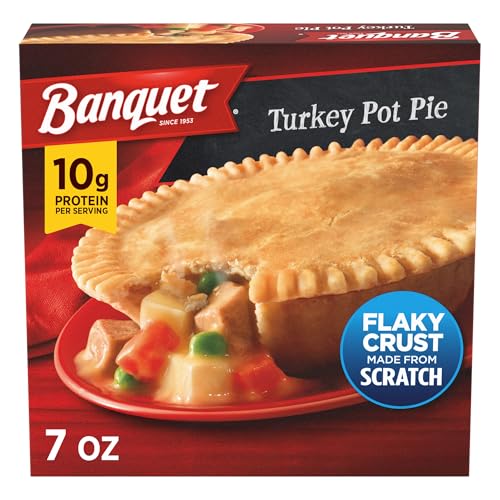
One 7 oz Banquet Turkey Pot Pie frozen meal
Slow Cooking Comfort Foods
While one-pot meals prioritize speed and efficiency, slow cooking transforms your Dutch oven into a vessel for developing deep, complex flavors through extended, low-temperature cooking. You’ll find hearty soups like Cheeseburger Soup and Sausage, White Bean, and Kale Soup benefit from sustained heat retention, creating creamy, well-developed bases. Slow cooked chilies, such as Black Bean Chili Con Carne, leverage the Dutch oven’s superior temperature control to balance acidity and spice while achieving tender texture. Beyond soups and chilies, your Dutch oven excels at braising lamb shoulder and beef cheeks, where initial browning followed by low-temperature cooking infuses flavors deeply. Dutch oven pork roast is another traditional dish that showcases this technique, which features slow-braised pork infused with aromatic ingredients and rich broth. Roasted vegetable soups similarly develop concentrated sweetness. This methodical approach yields batch-friendly meals ideal for meal prep and cold-weather comfort. A traditional dish that showcases this technique is Dutch Oven Pot Roast, which features slow-braised beef infused with aromatic ingredients and rich red wine gravy.
Preparing Casseroles and Gratins
Three critical advantages make cast iron Dutch ovens ideal for casseroles and gratins: even heat distribution, superior browning capability, and ingredient versatility within a single vessel. You’ll benefit from the cast iron’s slow heat absorption, which prevents hot spots that compromise delicate gratin layers. Your cooking techniques improve when you leverage the Dutch oven’s dual-heat capability—combining bottom and top heat guarantees thorough baking without burning. Moreover, the results can be further enhanced by integrating sous vide techniques that ensure precise temperature control for perfectly cooked ingredients.
Ingredient layering proves essential for peak results. Position tougher vegetables and meats at the bottom for extended cooking, while delicate components stay on top. You’ll achieve superior crust development by increasing top heat during final stages. Preheating your Dutch oven guarantees immediate cooking initiation and promotes caramelization. The enamel coating facilitates monitoring browning without sticking, allowing you to achieve the golden crust characteristic of exceptional gratins while maintaining consistent cooking throughout. A Dutch oven’s slow roasting method is also instrumental in creating tender dishes like pot roast, enhancing the overall versatility of your cooking.
Making Stocks and Broths
Creating rich, flavorful stocks and broths demands patience and precision, qualities that a cast iron Dutch oven delivers exceptionally well. The vessel’s heavy walls maintain consistent, low temperatures essential for extracting gelatin and developing complex flavors without emulsifying fats.
Start with cold water covering bones and vegetables by two inches. Add vinegar to break down collagen, then bring slowly to a bare simmer—rapid boiling compromises clarity. Skim foam regularly throughout cooking. For stock variations, simmer poultry stocks 3-5 hours; beef stocks benefit from 18-24 hours in a 200°F oven.
Flavor enhancement occurs through optional bone roasting at 400°F beforehand and aromatics like bay leaves, thyme, and peppercorns. Strain through cheesecloth, cool overnight, then refrigerate to solidify surface fat for easy removal. Store refrigerated up to four days or frozen for six months.
Baking Desserts and Cobblers
A Dutch oven transforms into an exceptional baking vessel for desserts, delivering the even heat distribution and moisture retention that stock-making demands but in an entirely different culinary application. You’ll find that cobbler toppings—made from cake mix combined with lemon-lime soda—create moist, tender batters that brown beautifully under the oven’s sealed lid. For dump cakes, you layer pre-made cake mix with canned fruit and melted butter, achieving caramelization and flavor complexity with minimal effort. Proper heat management proves essential; position coals both beneath and atop the Dutch oven, rotating every fifteen minutes to guarantee uniform baking. The lid’s moisture-locking properties prevent dry textures, yielding consistently moist desserts whether you’re baking indoors or outdoors over coals. Additionally, the Dutch oven’s ability to retain moisture ensures that your rich gravy from savory dishes can also be developed with similar techniques when baking, enhancing overall flavor. Furthermore, popular options like Dutch oven desserts such as s’mores cake and peach cobbler make excellent campfire treats that are easy to prepare.


