You can vacuum seal unblanched asparagus, but you’ll considerably limit its shelf life. Without blanching, you’re leaving active enzymes intact that degrade flavor, color, and texture rapidly. Unblanched vacuum-sealed asparagus lasts only 7-14 days refrigerated versus 12-18 months when properly blanched and frozen. Enzyme activity causes mushiness, nutrient loss, and off-flavors during storage. Freezing extends unblanched asparagus to 6-8 weeks, but quality deteriorates faster than blanched varieties. Understanding ideal preservation techniques reveals why blanching remains essential.
Why Blanching Matters for Asparagus Preservation
When you vacuum seal asparagus without blanching, you’re fundamentally preserving the enzymes that’ll degrade your produce throughout storage. Polyphenol oxidase and peroxidase continue breaking down flavor, color, and texture without enzyme inactivation, causing accelerated quality loss even in sealed environments.
Beyond enzymatic degradation, you’re also compromising microbial safety. Blanching’s heat treatment kills surface microorganisms that remain active in non-blanched asparagus, increasing spoilage risk during long-term storage. These microbes proliferate regardless of vacuum sealing effectiveness.
Proper blanching—typically 2-4 minutes in boiling water—halts enzymatic browning, preserves your asparagus’s natural bright green color, and maintains structural integrity. Skipping this critical step means your vacuum-sealed asparagus will develop off-flavors, lose crispness, and deteriorate nutritionally as degradative enzymes continue working throughout your storage period.

Durable Construction: Our vegetable asparagus cooker is constructed of heavy duty stainless steel to make it everlasting. The extra thick 3-ply capsuled bottom done by impact bonding transfers heat quickly and efficiently, thus resulting in even cooking while preventing hot spots. High polished stainless steel cooking surface offers superior stick resistance and will not react with food. Safe to use.

MULTIFUNCTIONAL HIGH POT WITH STRAINER- Prepare delicious meals with ease using our asparagus pots. Made from stainless steel, these pots are designed to prevent splashing and scalding while cooking

MULTIPURPOSE POT - Life in the kitchen is easier when you use the right tool for the task, the asparagus pot is designed for everything from simmering sauces to cooking vegetables. The GLENDAVENY asparagus pot is the perfect solution for cooking asparagus and other long, voluminous vegetables. It also doubles as a convenient option for cooking long pasta, such as spaghetti and linguini - without breaking it. It comes with a stainless-steel mesh basket for deep-frying food, such as French fries, fish, shrimp, tempura, chicken nuggets and more.
The Vacuum Sealing Process for Asparagus
To successfully vacuum seal asparagus, you’ll need specific equipment and materials that work together to remove air effectively and maintain long-term freezer storage. Arrange flash-frozen spears in single layers within vacuum bags, positioning them parallel to prevent crushing and preserve asparagus flavors. Leave adequate headspace at the bag’s top for proper sealing execution. Insert your prepared bag into the vacuum sealer and allow the machine to complete its full cycle, extracting all air to create an airtight seal. This process prevents freezer burn and ice crystal formation that compromise quality. Test the seal’s integrity after completion. For sous vide preparation, consider adding a small butter pat before vacuum sealing. Properly sealed bags maintain peak quality for up to one year in standard freezer conditions.

Compatible with All Desktop Vacuum Sealers: These vacuum sealer bags are designed to work with all traditional desktop vacuum sealer machines. Simple to operate and convenient to use. (Note: These bags do not feature an air valve and are not compatible with handheld vacuum sealers.)

Customizable Length: Cut the roll to suit your specific storage needs
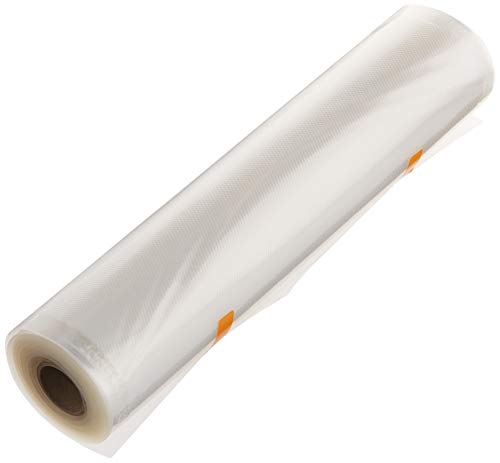
ROLL OUT: Including 2 rolls measuring 11" x19. 6' each, you have the ability to custom cut your bags to any length you wish. A perfect option for the cook who likes to keep their options open.
Storage Quality Without Blanching
While vacuum sealing effectively prevents freezer burn, unblanched asparagus won’t maintain the same storage quality as its blanched counterpart. Without blanching’s enzyme-inhibiting effects, you’ll experience accelerated texture deterioration and nutrient loss during storage.
Active enzymes continue breaking down cell walls, causing spears to become mushy upon thawing rather than remaining crisp. Water-soluble vitamins like vitamin C and B vitamins degrade rapidly without blanching’s protective mechanism. Antioxidant levels decline faster, reducing overall nutritional value considerably.
Additionally, unblanched asparagus carries higher initial microbial loads. Vacuum sealing slows but doesn’t eliminate spoilage risk, resulting in shorter shelf life. You’ll notice off-flavors developing sooner, with natural sweetness and fresh aroma diminishing noticeably compared to blanched specimens.

Easy Use Design: No scissors required for these bags. Just align to seal and tear to open.
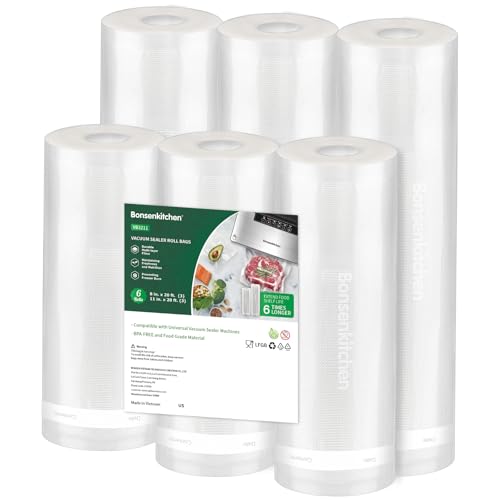
BPA FREE: Bonsenkitchen vacuum food sealer roll bags can be microwaved, frozen, re-used, washed, boiled and dishwasher safe. Allows you to precisely control your cooking temperature to achieve perfect results. You can cook sous vide in Bonsenkitchen bags by placing them in water at any temperature up to 230°F/110°C

Multilayer Design: Ensures an airtight seal, extending freshness and locking in flavors.
How Long Unblanched Asparagus Lasts
Unblanched vacuum-sealed asparagus deteriorates rapidly despite oxygen exclusion, maintaining acceptable quality for only 7–14 days under refrigeration before enzymatic and microbial activity compromises texture, flavor, and nutritional content. Beyond this window, you’ll encounter significant spoilage risks as residual enzyme activity accelerates degradation. Gas buildup from microbial metabolism creates anaerobic conditions, potentially triggering off-odors and slime formation. Your freshness duration depends heavily on initial asparagus quality and storage temperature consistency. If you freeze unblanched asparagus instead, you’ll extend storage to 6–8 weeks, though quality still deteriorates faster than blanched alternatives. For peak results, blanching before vacuum sealing substantially improves preservation and prevents the accelerated breakdown characteristic of unblanched storage methods.
Freezing Vacuum Sealed Asparagus
Freezing offers markedly better preservation outcomes than refrigeration alone, and combining freezing with vacuum sealing amplifies those benefits considerably. You’ll achieve superior results by employing proper freezing techniques that minimize ice crystal formation. Pre-freeze asparagus spears on parchment-lined trays before vacuum sealing to prevent them from sticking together. This approach preserves asparagus nutrition more effectively than conventional freezing methods. Store your vacuum-sealed packages at 0°F (-18°C) or below in your freezer’s coldest zones, avoiding temperature-fluctuation areas like doors. You’ll notice that unblanched vacuum-sealed asparagus deteriorates rapidly—often within days to weeks—because vacuum sealing alone doesn’t halt enzyme activity. Proper freezing techniques combined with blanching enable you to maintain quality for 12-18 months. Using cast iron pans also allows for improved techniques, such as precise temperature control, when cooking with vacuum-sealed vegetables like asparagus. Label packages with dates and use frozen asparagus directly in cooking applications like sous vide or roasting.

HEAVY DUTY AND PUNCTURE PREVENTION - 200 pack of 6 by 10 inch precut bags with embossed channels to increase suction, with a box for storage, keep fresh without freezer burn or dehydration
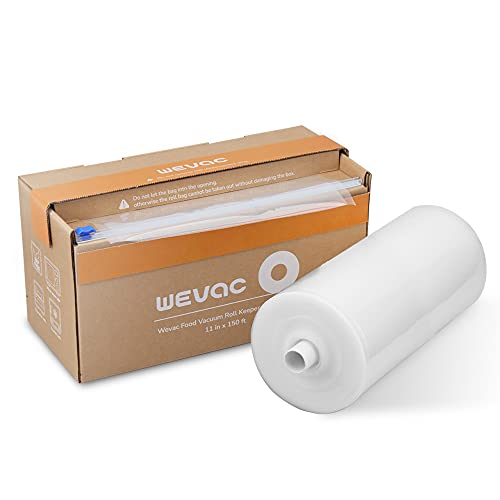
HEAVY DUTY AND PUNCTURE PREVENTION - 1 pack of 11 inch by 150 feet roll with embossed channels to increase suction, with a cutter box for cutting and storage, keep fresh without freezer burn or dehydration

ECONOMICAL & & TIME SAVING: Total 150 count Bonsenkitchen 20 Gallon 11" x 16"+ 80 Quart 8" x 12"+ 50 Pint 6" x 10" vacuum sealer bags are different sizes of packaging, meet your different usage needs. Vacuum bags are pre-cut and ready-to-use, saving you time whenever you’re preserving leftovers, preparing make-ahead meals, and portioning bulk items in the freezer.Just pull out and use, no need to cut, no need to seal one side before putting food in
Alternative Blanching Methods to Consider
Because traditional boiling methods can leach nutrients and require substantial water usage, you’ll want to weigh several alternative blanching techniques that offer comparable enzyme inactivation with distinct advantages. Steaming asparagus delivers superior nutrient retention through minimal water contact while maintaining color integrity in 2-3 minute intervals. Microwave blanching rapidly inactivates enzymes using microwave steam, conserving time and energy for small batches—though quick cooling remains critical. Acidic treatments with diluted lemon juice or vinegar provide supplementary enzyme inhibition, preserving color without full heat blanching; you can combine these with vacuum sealing. Chemical alternatives exist primarily in industrial settings and aren’t recommended for home use due to regulatory restrictions and safety considerations. Select methods based on your batch size and nutrient preservation priorities.

Comfort grip, high-heat handle

SUPERIOR COOKING SURFACE - High polished stainless steel cooking surface with starburst finish offers superior stick resistance and easy maintenance, plus won’t react with food, does not discolor, or alter flavors, maintains its original brilliant finish with easy cleanup.