You can’t fly with a butane torch. The TSA and FAA classify torch lighters as hazardous materials and prohibit them in both carry-on and checked baggage without exception. Butane’s extreme flammability creates explosion risks in pressurized aircraft cabins. Heat exposure can rupture containers, and heavier-than-air vapors accumulate in low spaces, forming dangerous atmospheres. You’ll face confiscation without compensation at security. Approved alternatives exist—disposable soft flame lighters, Zippo models, and electronic lighters comply with regulations. Understanding your options helps you avoid penalties and travel safely.
TSA and FAA Regulations on Butane Torches
If you’re planning to travel by air with a butane torch, you’ll need to understand that both the TSA and FAA categorically prohibit torch flame lighters in all luggage and on your person. The FAA classifies butane torches as hazardous materials under 49 CFR 175.10(a)(2), explicitly forbidding unabsorbed liquid lighters from aircraft. TSA agents possess discretionary authority to confiscate prohibited items without compensation at security checkpoints. Butane torch safety concerns stem from flammability risks inherent to pressurized fuel canisters. To maintain safety while cooking, it’s important to know how to properly season a cast iron skillet, which can reduce the likelihood of flare-ups. Travel restrictions apply universally—no exceptions exist for protective cases or packaging methods. Attempting to bring a butane torch creates security delays, potential civil penalties, and confiscation. Your safest option involves shipping the torch separately or purchasing it at your destination. Additionally, using the specified fuel type for your torch is crucial for safe operation, making it even more important to adhere to these regulations.
Why Butane Torches Are Prohibited on Aircraft
Now that you understand the regulatory framework prohibiting butane torches, it’s important to recognize the specific hazards that drive these restrictions. Butane risks stem from the gas’s extreme flammability and pressurized storage, creating substantial explosion hazards in confined aircraft environments. Heavier-than-air vapors accumulate in low spaces, forming explosive atmospheres far from ignition sources. Heat exposure can rupture containers catastrophically, while mechanical impacts or static discharge trigger unintended ignition. High-temperature flames pose accidental fire risks to combustible materials throughout the aircraft. Additionally, butane displaces oxygen in enclosed spaces, potentially causing suffocation. The volatile nature of butane fuel demands strictly controlled ignition sources—a requirement impossible to guarantee during dynamic air travel. These compounding dangers necessitate complete prohibition of butane torches on all commercial flights.
Characteristics That Make Torch Lighters Hazardous
Because torch lighters combine pressurized fuel storage with high-temperature flame generation, they present compounding hazards that extend far beyond standard lighter devices. You’re exposed to dual pressure hazards: container rupture from overfilling or damage, and explosive gas expansion when exposed to heat. The concentrated flames create severe burn risks through direct skin contact and uncontrolled flame direction, threatening both operators and bystanders. Additionally, you face inhalation dangers from butane vapor, which causes immediate respiratory effects including nausea, chest pain, and potential loss of consciousness. Poor-quality fuel compounds these risks by increasing flare-up potential and creating operational instability through nozzle clogging. Static discharge can trigger ignition, while vapor accumulation in enclosed spaces creates explosive atmospheres. These interconnected characteristics make torch lighters exceptionally dangerous devices unsuitable for aircraft environments.

[Portable Torch Lighter Gun] ravs cooking torch baking tools are made of quality metal material, which is more sturdy than plastic butane torches on the market. With an ergonomic design handle, the micro torch offers a great grip and and comfort. (Note: Pls use quality and pure refillable butane for torch refill)
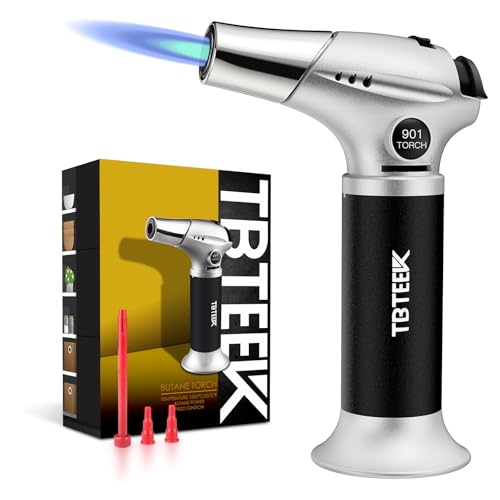
Safe and Sturdy Creme Brulee Torch: The safety lock could prevent accidental ignition. Also the ergonomic design provides comfort to your hand and keep away from the flame; the aluminum alloy material adopted makes it more resistant and sturdy, ensuring the longevity (Note: After each use, please turn the flame adjustment valve to the lowest level(OFF Position), and engaging the safety lock for indicent ignition)

【WINDPROOF JET TORCH LIGHTERS】This elongated survival lighter is specifically designed for low-altitude regions, utilizing an advanced electronic ignition system to ensure rapid and reliable ignition each time. The flame temperature can reach up to 1300°C (approximately 2300°F), Even under harsh weather conditions, its strong wind-resistant flame stability remains intact.It is a ideal gear for tactical,outdoor adventures and emergency situations.
Differences Between Torch Lighters and Standard Lighters
The distinction between torch lighters and standard butane lighters fundamentally hinges on flame characteristics, operational capabilities, and design specifications. Torch lighter performance delivers concentrated blue jets reaching 2,500°F, while standard lighters produce gentler yellow flames around 1,400°F. You’ll find torch lighters feature wind-resistant capabilities suitable for outdoor conditions, whereas soft flame safety principles make standard lighters ideal for controlled indoor environments. Torch lighters consume fuel rapidly and offer adjustable flame controls for precision tasks, which is essential for achieving a fully oxidizing, dark blue flame. Standard lighters provide superior fuel efficiency and consistent output without fine adjustments. From a regulatory perspective, torch lighters’ higher intensity and faster fuel consumption increase operational hazards. Standard lighters present reduced fire risk due to their lower temperatures and softer flame characteristics, making them inherently safer for general use. Additionally, using refined culinary butane fuel in torch lighters ensures better safety and performance during culinary tasks.

Well-made and Safety: Industrial style, sturdy metal body design. Long-angled nozzle keeps your hand safely away from the flame. The wide metal base provides excellent support and anti-tipping to the butane torch lighter body. The ergonomic anti-slip handle offers a great grip and stays cool.
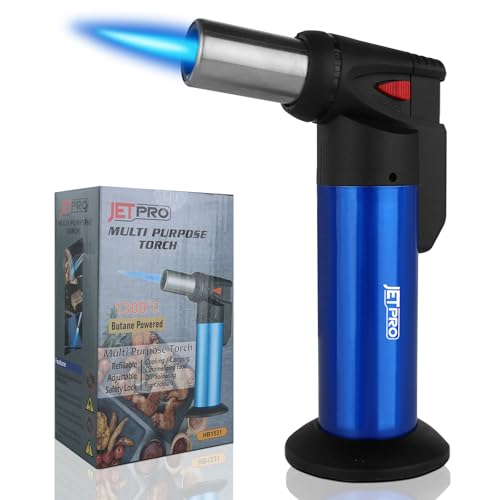
-In Compliance with DOT Regulations - Butane fuel is NOT pre-filled. Before use, please fill the torch lighter with gas fuel refill according to Refill Instructions.
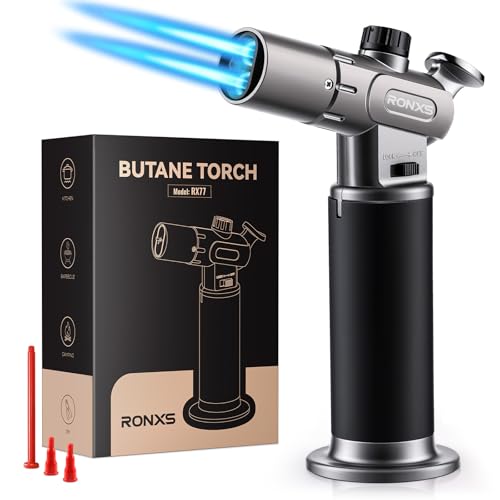
Double Flame Design - RONXS butane torch features a double flame function, which can enlarge the heating area and improve the heating effect. You could adjust double or single fire as needed without affecting the flame level.
What You Can Bring Instead of a Butane Torch
While torch lighters remain prohibited across all TSA baggage categories, you’ll find several approved alternative lighters that deliver reliable flame capabilities without regulatory complications. Disposable soft flame lighters and Zippo-type models are permitted in carry-on baggage without restrictions. For safe lighting options, consider lithium battery-powered alternatives—arc, plasma, and Tesla coil lighters—which comply with TSA regulations when carrying proper safety features preventing accidental activation. Additionally, you can explore one-pot meals that simplify cooking using a Dutch oven, showing that not all cooking requires a traditional flame source. Butane lighters with soft flame (non-torch style) also qualify for carry-on transport. If you require fuel, soft flame lighter fuel cells are allowable in original packaging, limited to two per passenger. These alternative lighters provide dependable performance while maintaining full regulatory compliance, eliminating confiscation risks during airport screening. It’s important to note that many kitchen torches are sold without butane included, which is a key factor to consider when thinking about flame devices for travel.

[Classic Side Slide Ignition]Designed with a unique side slide ignition mechanism that delivers a satisfying and traditional lighting experience. Simply slide to ignite and enjoy the charm of a classic pocket lighter.
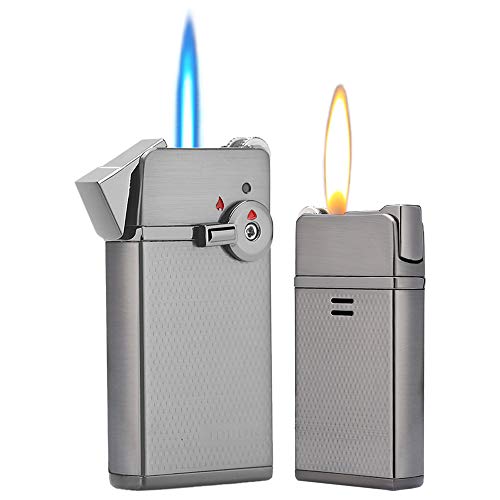
Double Flame and Ignition Modes: Two ignition modes can be achieved by purchasing only one lighter. Slide the wheel to the soft flame or press the button to ignite the jet flame. You can choose whatever mode you like. Such a great choice for you or as a gift!

FEATURES: Soft flame, refillable, ultra thin, small. Windproof flame. Lightweight. Size: 6x2.5x0.5cm. Weight: 1.3 oz
Special Permit Containers and Legal Transportation Options
If you’re determined to fly with torch lighters, you’ll need to use DOT special permit containers—the only legally authorized method for transporting certain lighters in checked baggage on U.S. domestic flights. These airtight containers comply with federal hazmat safety standards and prevent accidental ignition during transport. You can legally carry up to two fuel-filled lighters per container, provided it’s properly certified and marked with the DOT special permit number. Using a cast iron skillet can be a great reminder of the importance of proper preparation in the kitchen as you ensure your container’s authorization before packing. Follow manufacturer instructions precisely to maintain compliance. The special permit importance cannot be overstated—violations result in confiscation, boarding denial, and potential penalties. Additionally, it’s crucial to ensure that excess air is purged from the torch’s fuel tank prior to filling, as this can help prevent malfunction and enhance safety during transport.
Legal alternatives include leaving your butane torch at your destination or purchasing one upon arrival. Lithium battery-powered electronic lighters offer another option, though they require carry-on placement with separate battery protocols.
Consequences of Attempting to Bring a Butane Torch Through Security
Attempting to bring a butane torch through airport security won’t succeed—you’ll face immediate confiscation, and TSA agents possess final authority to determine whether your lighter violates safety standards at the checkpoint. Confiscation is permanent with no return guarantee. You’ll experience significant security delays as officers conduct additional screening and interrogation, potentially creating bottlenecks affecting other passengers. Public PA announcements may single you out, causing passenger embarrassment and stress. If detected in checked baggage, you’ll be called to open your bags for item removal. Violations can result in civil penalties and fines under 49 CFR 175.10(a)(2). Repeated non-compliance may trigger extended luggage inspection, further delaying your boarding and risking missed flights entirely. Using a butane torch for lighting cigarettes also poses health risks, including butane inhalation which can lead to respiratory issues and more severe health effects. It’s crucial to remember that items like cast iron skillets are also restricted in carry-on bags due to safety concerns.
Best Practices for Travelers Who Need a Lighter at Their Destination
Since you’ll need a lighter at your destination, you’ve got several compliant alternatives that eliminate confiscation risks altogether. Purchase disposable or Zippo-type lighters after clearing security—most airports and convenience stores stock them. Alternatively, ship butane torch lighters ahead using standard courier services, ensuring proper sealing and labeling per regulations. Verify shipping legality with your destination country first. Electronic lighters qualify as lighter alternatives if you secure the battery or encase them protectively in carry-on luggage. Matches represent another viable option, though they’re prohibited in checked baggage. Request lighters or matches from your hotel upon arrival. These travel essentials strategies bypass transportation restrictions while ensuring you maintain access to flame at your final destination. It’s also wise to consider proper refilling technique to prevent leaks if you choose to use a butane torch after you arrive.


Lot Classic Disposable Lighter Soft Flame Kitchen Lighter

PACK OF 5 ASSORTED COLORS Includes 5 disposable lighters in bright assorted colors: red, yellow, blue, green, and purple.