You can vacuum seal clothes without a machine by using ziplock bags, garbage bags, or mason jars. Start by washing and completely drying your garments, then fold them carefully. Remove air using simple techniques: roll clothes from one end toward the opening, use a straw to manually suck out air, or squeeze the bag firmly. Seal immediately and store in cool, dry locations away from sunlight. This method saves money while protecting your clothes from moisture and pests. Uncover specific techniques that’ll maximize your storage efficiency.
Preparation of Clothes
Before you vacuum seal your clothes, you’ll need to prepare them properly to guarantee they stay fresh and protected during storage. Start by washing all garments thoroughly to remove dirt, dust, and debris that could cause contamination. Ascertain everything dries completely afterward to prevent moisture damage and mustiness.
Next, address fabric care by checking for stains and treating them before packing—this prevents stains from setting permanently. Examine your clothes carefully for pet hair and particles that might affect stored items.
Finally, separate similar colors to avoid dye transference and inspect garments for color bleeding before combining loads. Place tissue paper between items to reduce friction and protect light-colored fabrics from potential staining. This systematic preparation assures your clothes remain in excellent condition throughout storage.
Alternative Bag Options
If you don’t have access to a vacuum sealer machine, you’ve got several practical alternatives that’ll compress your clothes effectively using common household items. Ziplock bags serve as your most accessible alternative bag types, offering food-grade quality that prevents contamination. Black garbage bags provide superior durability when paired with your vacuum cleaner, handling bulky bedding and comforters efficiently. Mason jars work exceptionally well for smaller clothing quantities, offering reusable, moisture-resistant storage. These effective bag alternatives accommodate different storage needs without specialized equipment. Each option requires basic materials you likely have at home, making them cost-effective solutions. Additionally, consider using a cast iron skillet to store and bake other items similar to how you would seal clothes for effective use of space. Select your alternative based on clothing volume and available household items for ideal compression results.

MULTIPLE SIZES: 24 reusable vacuum low temperature cooking bags with 2 bag sealing clips and 5 air valves, 3 sizes available (8.5*8.5 inches, 11*10 inches, 13*10 inches), different sizes for packing meat, vegetables, sandwiches, fruits, snacks and travel items, meet all your needs.
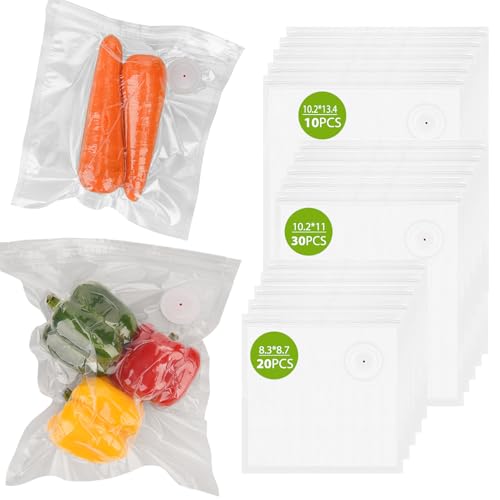
60PCS Vaccum Sealer Bag---20PCS( 8.3*8.7inches),30PCS (10.2*11 inches), 10PCS (10.2*13.4 inches). Total 60pcs Reusable Vaccum sealing bags, Lock freshness, 5X Extend storage time.

SPACE SAVER: Unleash the potential of your storage space with Hefty SHRINK-PAK vacuum seal bags for clothing. Ideal for stashing away seasonal clothing, bedding, and other voluminous items, these bags can shrink your belongings by up to 75%. Hefty vacuum seal bags for clothing are a game-changer for those living in compact spaces or anyone aiming to declutter their home. With these bags, a more organized, spacious, and clutter-free living environment is within your reach.
Air Removal Techniques
Once you’ve selected your preferred bag option, removing the air inside becomes the next step in creating an effective vacuum seal. You’ll find several compression strategies work well without machines. Start with manual vacuuming using a standard vacuum cleaner attached to your bag’s valve, maintaining a tight seal throughout. Alternatively, try effective rolling techniques—systematically compress from one end toward the opening, pushing air progressively outward. For hand-operated air expulsion, use squeeze bulbs or bicycle pumps with appropriate adapters. You can also insert a straw, manually suck air out, then quickly seal before air re-enters. Apply firm, even pressure with your hands or flat surfaces to enhance compression. Proper vacuum sealing is essential to ensure even cooking and maintain flavor and food safety in the sous vide water bath. The water displacement method offers an inexpensive alternative for preserving food without specialized equipment, making it a practical choice for vacuum sealing clothes. Stop once no further shrinking occurs to avoid damaging contents.
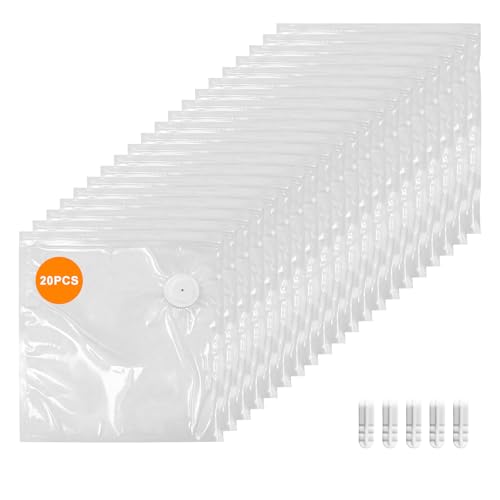
20-Bag Set: Includes twenty 8.5 x 8.5 in reusable vacuum zipper bags and five sealing clips for food storage

All-in-One Vacuum Storage Set: 15 pack multi-size vacuum seal bags (S/M/L) with portable electric pump, perfect for storing clothes, jackets, towels and bedding, saving 80% of storage space for closet and luggage.
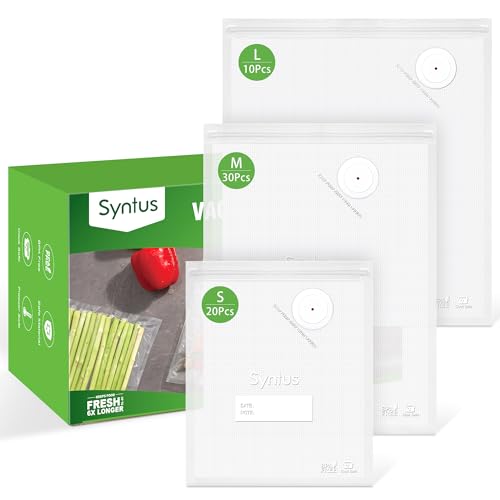
Package Contents: This set includes 60 vacuum zipper bags in three practical sizes: 20 pieces of 8" x 10", 30 pieces of 10" x 13.8", and 10 pieces of 11.8" x 13.8".Crafted from BPA-free materials, these bags are safe for food storage and suitable for use in microwaves, cabinets, refrigerators, freezers, and sous vide cooking. Designed for strength, the bags feature a smooth side (up to 3.15 mil thick) and a textured dotted side (up to 3.95 mil thick), providing sturdy protection against punctures from sharp items like bones.
Sealing Methods
Several effective sealing methods‘ll lock in your compression work and keep clothes compact. Your choice of sealing techniques depends on the bag types you’re using. For ziplock bags, seal immediately after removing the vacuum hose to prevent air from re-entering. With the rolling technique, press the opening shut once you’ve expelled air through rolling motions. For garbage bags, tie the opening securely after vacuuming out air. Drawstring bags require you to tighten the drawstring firmly after air removal. Manual compression sealing simply requires you to press the opening closed once you’ve squeezed out air by hand. Each method guarantees your vacuum-sealed clothes remain compressed and space-efficient for storage or travel. Additionally, using a dry cast iron skillet for broiling can maximize your storage efficiency by eliminating excess moisture during the sealing process.
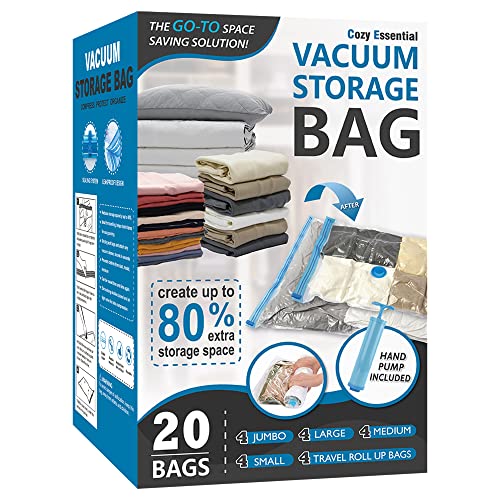
Expand your storage by up to 80%: Our vacuum seal storage bags effortlessly compress clothes, blankets, pillows, and travel essentials in seconds, transforming overcrowded closets and overpacked suitcases into clean, organized space- no clutter at home, no unnecessary luggage fees. Just more room whenever you need it.

【80% Space Save】: Pack-Seal-Vacuum, with these 3 easy steps, Fygrip vacuum storage bags help you save 80% storage space. They are the game changer for storing your bedding, blankets, clothing and more.

[Maximize Storage Space by 80%] Unlock unparalleled space-saving with our premium vacuum storage bags, meticulously designed to shrink your clothes and bedding items like duvets, pillows, and comforters down to 20% of their original size. Ideal for both room organization and maximizing suitcase space, these bags transform cluttered areas into tidy, spacious zones, making them essential for vacuum seal bags for clothing.
Storage Considerations
Now that you’ve sealed your clothes, proper storage conditions will safeguard your investment and preserve garment quality over time.
Position your bags away from direct sunlight and heat sources, which can degrade both plastic and fabric. Store them in cool, dry environments to prevent moisture accumulation and mold growth.
For environmental protection, check sealed bags regularly for air leaks that compromise compression. If you’re storing items long-term, periodically air out garments to allow fabric breathing and reduce degradation risks.
Place acid-free tissue paper between folded items to minimize abrasion and moisture buildup, enhancing fiber preservation. Maintain stable, climate-controlled conditions throughout your storage period.
Avoid stacking heavy items on top of bags, which can crush contents and stress seams. These deliberate practices guarantee your vacuum-sealed clothes remain fresh and wearable for seasons ahead.

5-pack of Large size vacuum storage compression bags for storing off-season clothes, towels, linens, and more

15-pack of assorted size vacuum storage compression bags for storing off-season clothes, towels, linens, and more

Create Space: Squeeze and compress the air out of your bulky or seasonal belongings to compact and modular storage in wardrobe, closet, suitcase, or underbed
Troubleshooting and Tips
Even with the best technique, you’ll occasionally encounter problems when vacuum sealing clothes. If your bags won’t shrink, check for holes or punctures that prevent proper air removal. Incomplete sealing around the vacuum hose also compromises results, so verify the connection is airtight before starting.
Vacuum issues often stem from weak suction power, so use a machine with strong force for effective air evacuation. For bag durability, choose heavy-duty or ziplock options over standard plastic bags. Roll or press your sealed bag from bottom to top to eliminate residual air pockets.
Before reusing bags, inspect them carefully for damage. Replace any showing wear or weakened seals to maintain compression effectiveness over time. Additionally, remember that using vacuum seal bags can significantly extend the freshness of your clothes by protecting them from moisture and dust.

6-pack of Jumbo size vacuum storage compression bags for storing comforters, blankets, and large bedding

Frosted Privacy & Heavy-Duty Protection.These vacuum storage bags feature a stylish frosted gray, semi-transparent finish that keeps your belongings organized while adding a touch of privacy. Crafted from durable, reusable PA+PE material and equipped with a secure double-zipper seal, they help keep clothing and bedding protected from dust and moisture while compressing bulky items to save up to 80% of storage space.

Space Saving Vacuum Storage Solution: Hefty MAX SHRINK-PAK vacuum storage bags compress bulky clothing and bedding for maximum space savings; designed to be strong, water-resistant, and tear-resistant for long-lasting use in closets, suitcases, or under-bed storage
Benefits of Vacuum Sealing Without a Machine
While troubleshooting common vacuum sealing problems helps you master the technique, you don’t actually need a specialized machine to enjoy vacuum sealing’s benefits. You can achieve substantial space-saving advantages using manual methods like hand-rolling or water displacement techniques. These alternatives compress your clothes effectively without equipment investment.
You’ll still gain significant clothing protection from dust, moisture, and pests through airtight sealing. Whether you use a machine or a manual approach, the airtight barrier shields your garments from environmental damage equally well. You reduce oxidation and fabric deterioration while extending your wardrobe’s lifespan.
Manual vacuum sealing remains cost-effective and eco-friendly since you’re reusing materials you likely have at home. You maintain convenience and portability benefits without purchasing specialized equipment, making this approach accessible to everyone seeking efficient storage solutions. Additionally, note that a standard vacuum cleaner is not suitable for vacuum sealing food packages properly.
Common Mistakes to Avoid
Successfully vacuum sealing your clothes requires more than good intentions—you’ll need to sidestep several pitfalls that undermine your efforts. Start by selecting durable bags without holes or damage, and clean sealing surfaces thoroughly to prevent air leaks. When sealing, maintain proper tension on the bag film and avoid creases that compromise seal integrity. During air removal, form a tight seal around your vacuum hose and avoid sucking in bag sides. Don’t overstuff—overpacking prevents complete air removal and stresses materials. Pack strategically, removing bulky hardware that could puncture bags. Finally, monitor your sealed bags regularly for leaks and recompress manually if needed. These practices guarantee maximum packing efficiency and long-lasting vacuum seals.
Best Practices for Long-Term Storage
To preserve your vacuum-sealed clothes for months or years, you’ll need to prepare them properly, select quality storage bags, execute the sealing technique correctly, maintain an ideal storage environment, and monitor your collection regularly. Store sealed bags in cool, dry, dark locations away from humidity and temperature fluctuations. Keep packing materials and garments elevated off floors to prevent water damage and pest infestation. Avoid direct sunlight, which fades fabrics and weakens fibers. Inspect bags periodically for leaks or punctures, replacing damaged ones immediately. Rotate your stored clothes every six to twelve months to prevent permanent creasing and fabric stress. Before wearing garments after extended storage, allow them to air out completely to restore their shape and freshness.