Wondering how long vacuum-sealed sausages stay safe to eat? The answer depends on the type—fresh sausages typically last 1 to 2 weeks in the fridge, while cured varieties like salami can last months unopened.
Freezing can extend their shelf life for several more months. Keep reading to learn how to maximize freshness and spot signs of spoilage.
How Long Do Vacuum-Sealed Fresh Sausages Last in the Fridge?
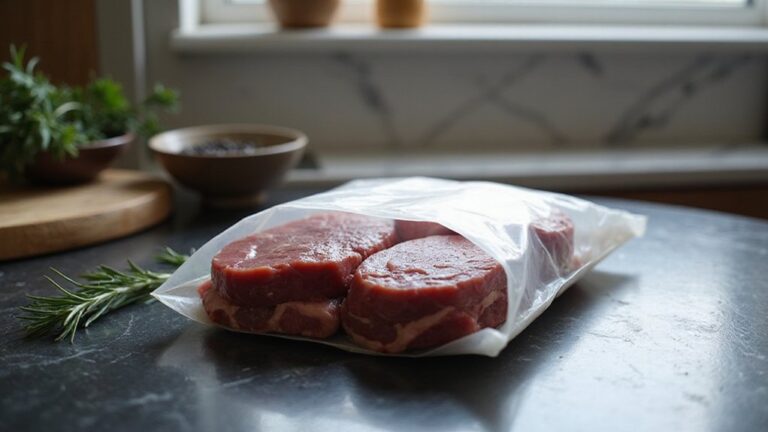
Vacuum-sealed fresh sausages can last between 1 and 2 weeks in the fridge when stored at or below 40°F. This extended shelf life compared to non-sealed sausages, which typically last only 3 to 4 days, hinges on proper storage techniques. To maximize freshness, pre-freeze the sausages for 1 to 2 hours before sealing; this helps create a stronger airtight seal and prevents oxygen from reaching the meat. By doing so, you inhibit the growth of bacteria, including *C. botulinum*, which can thrive if temperatures fluctuate. Always label each sealed package with the type of sausage and the sealing date. This practice ensures you track the storage window accurately and consume the meat within the safe 1 to 2 week period. If you notice any package with a tear or rupture, plan to consume the sausage within 4 days of the original sealing date. Keep in mind that the sausages’ initial freshness plays a crucial role; sealing meat that is close to spoiling won’t extend its shelf life significantly. Similar to controlling heat for a perfect sear, maintaining a stable fridge temperature below 40°F is critical for food safety. This method shares similarities with techniques used to restore cast iron, where proper surface preparation prevents further damage during the restoration process. Sous vide cooking similarly relies on precise temperature control to ensure food safety and achieve desired textures, such as creamy yolks at 165°F for 15 minutes.

These plastic vacuum seal bags can be used to store fruits, vegetables, meat, duck's neck and other foods as you like. It also ideal for storing, packaging, sampling, displaying, kitchen storage or home organization.

Compatible with All Desktop Vacuum Sealers: These vacuum sealer bags are designed to work with all traditional desktop vacuum sealer machines. Simple to operate and convenient to use. (Note: These bags do not feature an air valve and are not compatible with handheld vacuum sealers.)

Easy Use Design: No scissors required for these bags. Just align to seal and tear to open.
What Is the Shelf Life of Vacuum-Sealed Cured Sausages?
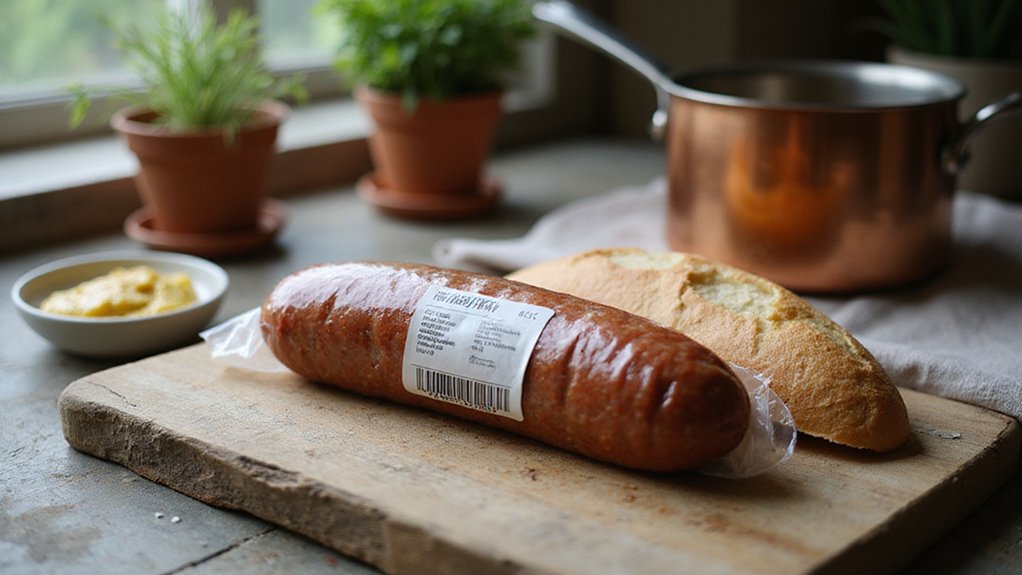
Vacuum-sealed cured sausages can last for several months when stored properly. Unopened varieties like hard or dry options such as pepperoni or Genoa salami can remain safe and high quality essentially indefinitely in the refrigerator. Softer cured sausages typically keep for 1 to 2 months refrigerated. To ensure maximum shelf life and flavor, keep the packaging intact without tears or punctures. For home cooks, using a wider, more diffuse flame from a butane torch can help sear sausages quickly without burning the casing. Specific types, such as salami, can last several months unopened. Pepperoni generally holds up to six weeks at room temperature, while Spanish chorizo can be good for about six months when vacuum-sealed. Maintaining refrigeration at 40°F (4°C) is crucial, as lower temperatures slow bacterial growth. Freezing extends the shelf life even further, from 6 to 12 months, and also prevents freezer burn on the casing. Once you open the package, it’s best to consume the sausage within three weeks to ensure safety and freshness. Proper storage and careful handling are key to enjoying cured sausages at their best over time. After washing any cookware used for sausages, thoroughly drying and oiling the skillet is essential, especially if modern dish soaps are employed to remove stubborn residue.
How to Tell If Your Vacuum-Sealed Sausage Has Gone Bad
If the vacuum seal remains intact, begin by inspecting the bag’s condition. A swollen or puffed-up bag indicates gas produced by bacterial activity, so discard it immediately. This puffy appearance is a direct result of gas buildup from spoilage organisms. Open the package and smell it. A strong sour, rancid, or ammonia-like odor means the sausage has spoiled, but let it sit in the air for 20 minutes first; if the smell persists, it’s unsafe to eat.
Next, examine the surface for mold or discoloration. Green, gray, or black spots are clear signs of spoilage. Brown discoloration can sometimes occur due to oxygen withdrawal and isn’t necessarily a cause for concern. Finally, feel the surface of the sausage—if it feels slimy, sticky, or mushy, it’s a sign of bacterial decay. When in doubt, it’s safest to dispose of it.

Premium Quality: The metal parts of the brake bleeder hand vacuum pump kit are constructed from quality aluminum alloy covered in black oxide for years of strong corrosion-proof performance, with high durability and sealing. The tubes are made from premium PVC for high resilience, heat resistance, and maximum sealing performance,durable and sturdy.
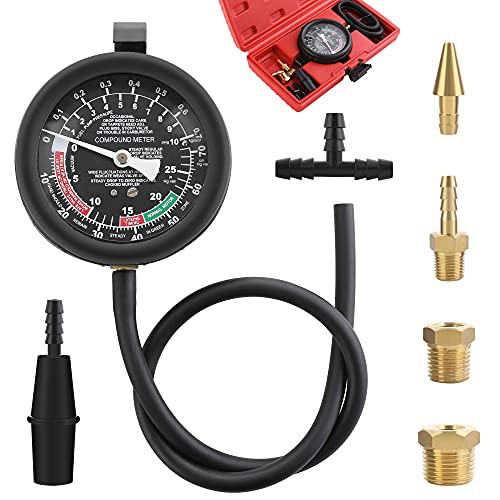
FUEL PUMP - This pressure gauge set can be used to test fuel pump pressure, emission control devices, leaky, stuck open or burnt valves. Clogged muffler, turbo or exhaust system. Helps to locate leaks in the gas line, valve timing, worn out rings and seals, heating and air conditioning components.
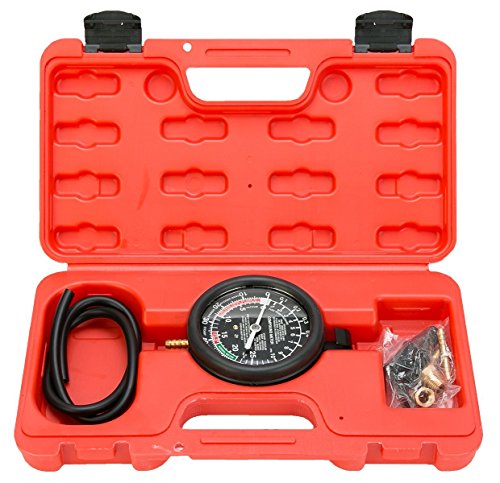
Test fuel pump output pressure to 10PSI
Can You Freeze Vacuum-Sealed Sausages for Longer?
Vacuum-sealed sausages can be stored in the freezer for extended periods, significantly longer than in the fridge. Raw sausages typically last 1 to 2 months while maintaining good quality. Cooked sausages stay best for 2 to 3 months. Smoked or pork sausages can be kept from 1 to 6 months, depending on the type. Dry sausages like summer sausage can also be stored up to 6 months without much flavor loss. While sausages are safe forever at 0°F, their flavor and texture gradually decline after about 1.5 years. To maximize storage, label packages with the freeze date and avoid frost-free freezers, which tend to accelerate quality loss. For best results when thawing, do so slowly in the refrigerator. A quick and simple dessert like an effortless Dutch oven cherry cobbler uses cake mix and cherry pie filling for a moist, baked treat.

Made in USA: Proudly manufactured in the United States
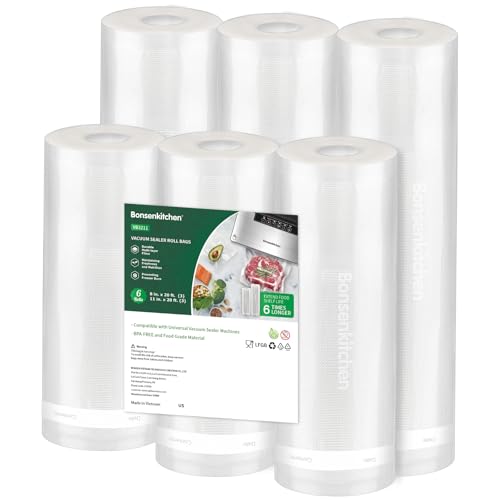
BPA FREE: Bonsenkitchen vacuum food sealer roll bags can be microwaved, frozen, re-used, washed, boiled and dishwasher safe. Allows you to precisely control your cooking temperature to achieve perfect results. You can cook sous vide in Bonsenkitchen bags by placing them in water at any temperature up to 230°F/110°C

MULTIPURPOSE, REUSABLE BAGS: These BPA-free, multilayer FoodSaver vacuum seal bags are durable and easy to hand-wash; also safe to use in the microwave, for sous vide cooking, and for freezer storage
How Long Are Opened Vacuum-Sealed Sausages Still Good For?
Once you break the vacuum seal, the storage time for sausages decreases significantly. Fresh sausages last only about one week in the fridge after opening. Cured varieties can last up to three weeks if stored properly. Pre-cooked options like hot dogs stay good for around seven days, while liver sausage degrades faster, typically within 4 to 5 days. Reusing a vacuum seal bag for sausages is possible if it is made with strong seams and is cleaned and checked for punctures after each use. Proper storage is key to maintaining quality and safety. Always remove the sausage from its original packaging and rewrap it tightly. Parchment paper can keep sausages good for up to 20 days if wrapped correctly, but using a vacuum bag to remove excess air provides better preservation. Without these steps, spoilage speeds up. Watch for signs of spoilage: off colors, sour odors, or slimy textures. If you notice any of these, discard the sausage regardless of the date. For optimal moisture retention during storage, consider using a heavy pot like a Dutch oven to reheat sausages evenly.
How Do Temperature, Curing, and Packaging Affect Vacuum-Sealed Sausage Shelf Life?
Temperature has a direct impact on the shelf life of vacuum-sealed sausage. Keeping your sausage at a steady 2°C can extend its freshness up to 55 days. However, raising the temperature just a few degrees to 8°C cuts that shelf life roughly in half, down to about 29 days. Higher temperatures accelerate microbial growth, which is the primary cause of spoilage. To maximize your sausage’s longevity, maintaining a consistent refrigeration temperature is essential. This principle mirrors the need to avoid thermal shock when cooking with a Dutch oven, as gradual temperature changes preserve both food safety and cookware integrity. For best results, you can also use an infrared thermometer to verify that your refrigerator’s surface temperature matches the ambient air, ensuring accurate storage conditions. Using a meat thermometer can effectively double as a soil thermometer for monitoring garden conditions, provided it registers sufficiently cold temperatures down to 0 degrees Fahrenheit.
Are Vacuum-Sealed Sausages Safe After the Best-By Date?
Vacuum-sealed sausages can remain safe to eat for several months past their “best by” date if stored properly. Generally, unopened, vacuum-sealed summer sausage can last up to six months beyond the date printed on the package, provided it stays refrigerated below 40°F. The vacuum packaging creates an oxygen-free environment, which slows spoilage, but it does not stop bacterial growth indefinitely. Consequently, the key to safety is consistent refrigeration and proper handling. Similar to maintaining a cast iron skillet, thoroughly drying after washing prevents moisture-related issues. To build a durable, nonstick seasoning layer, one must apply a thin, even coat of oil before baking. This process is akin to the way polymerization creates a hard, protective finish on the pan.
Before consuming, always inspect the sausage carefully. Discard it if you notice a sour or rancid smell, fuzzy mold, or a slimy surface. A slight tackiness on natural casings is normal, but if stickiness is paired with off-odors, it indicates spoilage. Also, if the packaging is broken or has leaked, discard the sausage immediately, as bacteria can grow even under vacuum if temperature control fails.