

You can reuse vacuum seal bags for clothes multiple times, though their effectiveness diminishes with repeated use. High-quality bags typically last six months to three years, depending on material thickness, zipper construction, and storage conditions. After each use, you’ll want to clean bags with mild soap and a damp cloth, then air dry completely. Before reusing, inspect zippers and seals for damage and test seal integrity by pressing out air. Understanding which garments suit vacuum sealing—and which don’t—will help you maximize your bags’ lifespan and protect your wardrobe.
Understanding Vacuum Seal Bag Durability and Design
You’ll find that high-quality vacuum seal bags typically last between 6 months to 3 years, though their longevity depends critically on material composition and storage conditions. Durability factors include bag thickness, reinforcement quality, and zipper construction. Premium bags feature double-zipper systems and locking clips that enhance vacuum retention and reusability. Vacuum-sealed food can stay fresh up to five times longer than food stored using conventional methods, significantly benefiting those looking to maximize storage.
Design innovations directly impact performance longevity. Reinforced seams resist tearing during repeated use, while high-quality valve seals maintain compression for weeks or months. You’ll notice that bags stored in cool, dry environments away from sunlight perform notably better than those exposed to heat and moisture. Using a proper vacuum sealing method, such as specialized vacuum sealers, will further extend the life of stored items. Understanding these durability factors and design innovations helps you select bags that withstand multiple reuse cycles. Regular inspection for seal integrity and punctures guarantees reliable long-term performance.
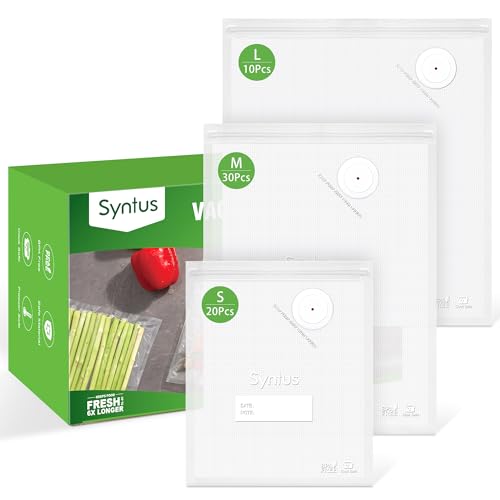
Package Contents: This set includes 60 vacuum zipper bags in three practical sizes: 20 pieces of 8" x 10", 30 pieces of 10" x 13.8", and 10 pieces of 11.8" x 13.8".Crafted from BPA-free materials, these bags are safe for food storage and suitable for use in microwaves, cabinets, refrigerators, freezers, and sous vide cooking. Designed for strength, the bags feature a smooth side (up to 3.15 mil thick) and a textured dotted side (up to 3.95 mil thick), providing sturdy protection against punctures from sharp items like bones.

MULTIPURPOSE, REUSABLE BAGS: These BPA-free, multilayer FoodSaver vacuum seal bags are durable and easy to hand-wash; also safe to use in the microwave, for sous vide cooking, and for freezer storage
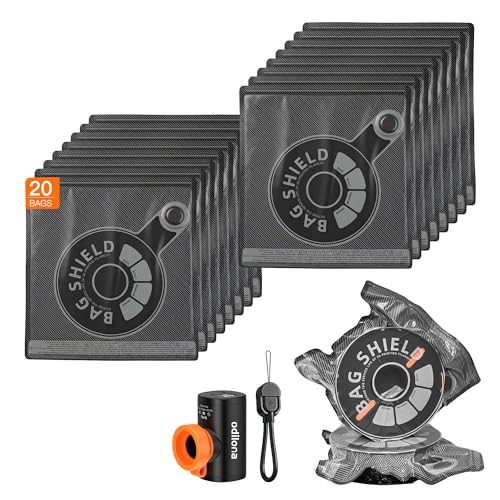
3d Printer Filament Storage Kit: Includes 20 filament vacuum bags, 20 desiccants, 1 USB vacuum pump, and 5 sealing clips to create a complete filament dry storage solution for keeping 3D printer filament clean, dry, and organized
Environmental Benefits of Choosing Reusable Bags
While durability and design quality determine how long you’ll use your vacuum seal bags, the environmental advantages extend far beyond individual longevity. By switching to reusable materials, you’ll greatly reduce plastic waste destined for landfills. Each reuse cycle eliminates the need for new manufacturing, cutting raw material extraction and production emissions substantially.
You’ll also extend your clothing’s lifespan by protecting garments from dust, mold, and moisture degradation. This preservation reduces your replacement frequency, lowering the environmental footprint associated with textile production and laundry cycles.
Sustainable packaging solutions like reusable vacuum bags support circular economy principles. You’ll contribute to decreased landfill pressure while minimizing microplastic pollution. By choosing durable, reusable alternatives, you’re actively reducing your household’s overall waste generation and supporting genuine environmental sustainability.
Essential Cleaning and Inspection Guidelines
To maximize the lifespan of reusable vacuum seal bags, you’ll need to establish a consistent cleaning and inspection routine after each use. Your cleaning methods should involve wiping both interior and exterior surfaces with a damp cloth and mild soap, then rinsing thoroughly to eliminate residue. Never machine wash bags, as heat and agitation compromise zippers and seals. Air dry completely in well-ventilated areas before storage.
For inspection tips, examine zippers and seals for cracks or tears before reusing. Check the bag body for punctures, holes, and thinning areas, particularly along seams and corners. Test seal integrity by closing the bag and pressing out air—if air escapes, discard it. Additionally, consider employing vacuum sealing methods that can help maintain freshness if you do not have a machine; this proactive approach prevents contamination and guarantees peak performance for future clothing storage. Remember that using vacuum sealing techniques effectively can seriously prolong the quality of stored items, similar to how it preserves food from freezer burn.

5-pack of Large size vacuum storage compression bags for storing off-season clothes, towels, linens, and more

15-pack of assorted size vacuum storage compression bags for storing off-season clothes, towels, linens, and more

MULTIPURPOSE, REUSABLE BAGS: These BPA-free, multilayer FoodSaver vacuum seal bags are durable and easy to hand-wash; also safe to use in the microwave, for sous vide cooking, and for freezer storage
Potential Challenges and Risks to Consider
Even with rigorous cleaning and inspection protocols, reusable vacuum seal bags present several performance and practical concerns that can undermine their effectiveness over time. Repeated use weakens seal integrity, as frequent opening and closing accelerates zipper wear and compromises the bag’s ability to reseal effectively. You’ll face material degradation as plastic becomes brittle from temperature fluctuations and UV exposure, developing micro-tears that reduce protection against moisture and pests. Security inspections during travel can permanently damage bags, making them unsuitable for future storage. Additionally, persistent odors and stains from previous contents may transfer to new garments, particularly affecting sensitive fabrics. These cumulative issues notably reduce bag longevity and reliability for long-term clothing storage.

【80% Space Save】: Pack-Seal-Vacuum, with these 3 easy steps, Fygrip vacuum storage bags help you save 80% storage space. They are the game changer for storing your bedding, blankets, clothing and more.

[Maximize Storage Space by 80%] Unlock unparalleled space-saving with our premium vacuum storage bags, meticulously designed to shrink your clothes and bedding items like duvets, pillows, and comforters down to 20% of their original size. Ideal for both room organization and maximizing suitcase space, these bags transform cluttered areas into tidy, spacious zones, making them essential for vacuum seal bags for clothing.
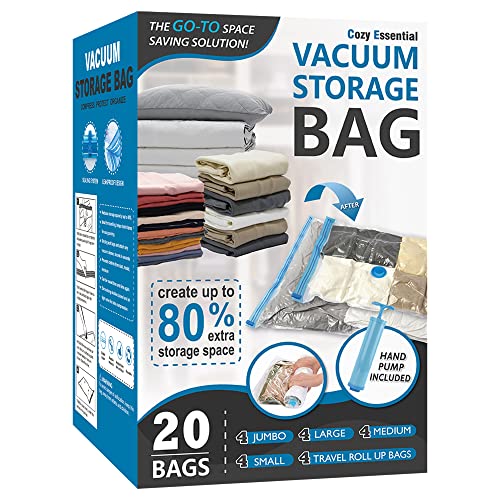
Expand your storage by up to 80%: Our vacuum seal storage bags effortlessly compress clothes, blankets, pillows, and travel essentials in seconds, transforming overcrowded closets and overpacked suitcases into clean, organized space- no clutter at home, no unnecessary luggage fees. Just more room whenever you need it.
Garment Types and Safe Reuse Practices
Because vacuum seal bags aren’t universally compatible with all fabrics, you’ll need to match your clothing selections carefully to maximize both garment preservation and bag longevity. Cotton, polyester, and denim withstand repeated compression cycles without permanent damage. However, you should avoid sealing wool sweaters, down jackets, and delicate items like silk and cashmere, as compression permanently crushes these fibers and causes irreversible shape loss. Leather and suede garments develop permanent creasing and moisture accumulation that vacuum sealing can’t reverse.
For safe reuse practices, you must clean and completely dry all garments before sealing to prevent mold growth. Inspect zipper closures regularly, store bags in cool, dry environments, and check periodically for air re-infiltration. These maintenance steps guarantee your bags remain functional across multiple storage cycles.


