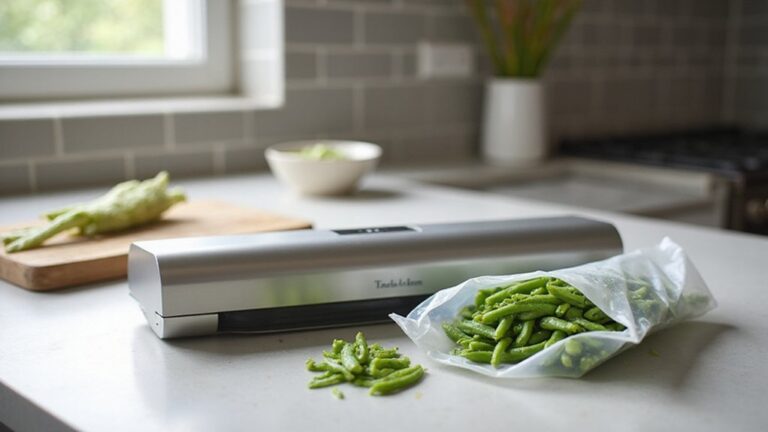
You’ll dramatically improve food preservation by combining oxygen absorbers with vacuum sealing. While vacuum sealing removes some oxygen, it leaves trace amounts that absorbers eliminate completely, reducing levels below 0.01%. This dual approach extends shelf life to 25+ years, protecting flavor, texture, and nutrition far better than either method alone. You’ll prevent oxidative rancidity, microbial growth, and pest contamination simultaneously. The synergy between these techniques creates an inhospitable environment for spoilage, making it your most effective long-term storage strategy for emergency stockpiles.
How Oxygen Absorbers Work to Preserve Food
Oxygen absorbers work through a straightforward chemical process: iron powder oxidizes when exposed to oxygen, converting into iron oxide while simultaneously removing oxygen from your storage environment. This exothermic reaction generates heat you’ll feel in active packets.
The oxygen absorption mechanisms depend on moisture and catalytic salts, which accelerate conversion efficiency. Your absorbers remove 99% of oxygen in sealed containers, reducing levels below 0.01%—preferred for long-term preservation.
These efficient storage solutions prevent aerobic bacteria, mold, and fungi growth while halting oxidative degradation of lipids, vitamins, and flavor compounds. The process typically completes within 30 minutes to 4 hours, depending on container size. Nitrogen and inert gases remaining afterward create ideal conditions for food preservation up to 25 years. Additionally, when combined with vacuum seal bags, oxygen absorbers enhance food storage by ensuring prolonged freshness and protection against spoilage.
Understanding Vacuum Sealing and Its Limitations
While oxygen absorbers chemically eliminate air from storage containers, vacuum sealing takes a different approach: it physically removes oxygen through suction to create an airtight barrier. However, you shouldn’t confuse vacuum sealing with true food preservation. It’s a packaging method that slows spoilage by limiting oxidation and microorganism growth, extending shelf life three to five times longer than conventional storage. Additionally, vacuum sealing can prolong shelf life by significantly slowing microbial growth and oxidation, making it a useful technique for food storage.
You must understand vacuum sealing’s critical limitations. It won’t prevent spoilage entirely, and certain pathogens like Clostridium botulinum can thrive in low-oxygen environments without producing warning signs. In fact, vacuum sealed meat typically lasts 3 to 5 days in the refrigerator after thawing, which highlights the need for proper refrigeration. You’ll also find that moist foods, soft cheeses, and fresh garlic don’t seal well. Ultimately, you still need proper refrigeration or freezing alongside vacuum sealing for perishable foods—it’s never a standalone preservation solution.
Why Combining Both Methods Outperforms Either Alone
Though vacuum sealing removes most oxygen from your storage containers, it typically leaves trace amounts—usually between 2-5%—that can still trigger oxidation and microbial growth over extended periods. Oxygen absorbers actively eliminate this residual oxygen, reducing levels to 0.01% or lower. This packaging synergy creates superior protection that neither method achieves independently. When you combine both oxygen preservation techniques, you extend shelf life considerably beyond vacuum sealing alone—potentially lasting years in ideal conditions. The absorbers continuously scavenge oxygen molecules that permeate through plastic films over time, compensating for the inherent permeability of vacuum-sealed bags. Additionally, vacuum sealing helps prevent freezer burn, which is crucial for maintaining the quality of frozen food. Together, they preserve flavor, aroma, texture, and nutritional value more effectively. Vacuum sealing, alongside oxygen absorbers, enhances food safety and delivers measurable economic and sustainability benefits. You’ll dramatically reduce food waste while maintaining food quality closer to packaging day, delivering measurable economic and sustainability benefits.

✅ 【Preminum Food Grade Oxygen Absorbers】: Our factory have 18 years experience in oxygen absorber, Also we have ISO9001 Certificate, All our oxygen absorbers are preminum food grade material and tested under strict food regulation, Very safe to be used with foods and pharmaceuticals storage.
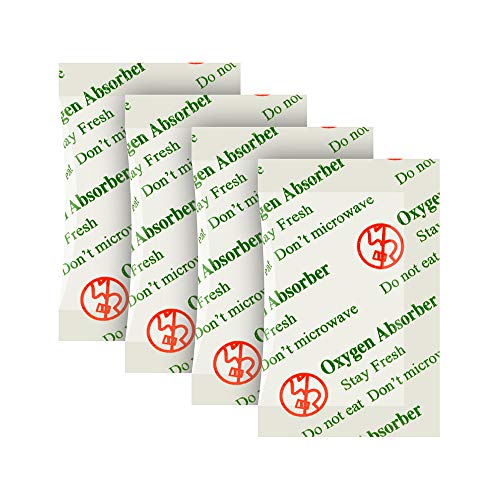
O2frepak Oxygen Absorbers Packets help Food extend shelf life

【High-quality Oxygen Absorbers】All food grade oxygen absorbers are made of premium food grade material and tested by strict food regulations are very safe for food storage. Our oxygen absorbers is resistant to high temperature, does not leak, will not fade and not pollute the food, so meet the high level of food safety requirements.
Oxygen Levels: Comparing Absorbers Versus Vacuum Sealing
When you’re evaluating storage methods, understanding how each technique handles residual oxygen becomes critical to your preservation strategy. Vacuum sealing reduces oxygen concentration but leaves nitrogen and some residual oxygen behind—typically enough to sustain oxidation over extended periods. Oxygen absorbers, conversely, chemically eliminate nearly 100% of free oxygen by converting it into iron oxide, creating a genuinely low-oxygen environment.
Your packaging durability matters greatly here. Semi-permeable vacuum-seal plastics allow slow oxygen ingress over time, compromising long-term results. Metalized Mylar combined with oxygen absorbers prevents this oxygen reintroduction entirely. For oxygen reduction effectiveness, absorbers outperform vacuum sealing alone in dry-food storage, particularly when durability across years matters most. Moreover, the use of vacuum sealing helps extend shelf life, making it a beneficial complement to using oxygen absorbers for optimal food preservation.
![1 Gallon Mylar Bags, 16 Mil Total Thickness, Large Stand-Up Resealable Mylar Bags for Long Term Food Storage, Freeze Drying [40-Pack | 10" x 14" x 5"]](https://m.media-amazon.com/images/I/41LvfwXkgQL._SL500_.jpg)
FOOD STORAGE BAGS - Smart preppers store what they eat, and eat what they store. Save money and eat healthier by making your own long term food storage

【PREMIUM MATERIAL】- Our resealable mylar bags are made of polyethylene, aluminum foil and mylar, it has tear resistance and durability. 100% food grade material, FDA and USDA compliant, non-toxic and tasteless, can be directly used in food packaging.

HIGH QUALITY MATERIAL: Meet our top-notch Mylar bags for food storage with 4 sizes (10.2‘’ * 14'', 8.3'' x12.2'', 7.1'' *10.2'', 5.5‘’*7.5‘’) which are not only thick but also have a cool stand-up design. Perfect for keeping your food safe for long time! Our mylar food bags come with 400cc and 500cc oxygen absorbers to keep the air out and your food fresh. Plus, these 1 quart mylar bags with oxygen absorbers are airtight and you can seal them up tight with heat.
Protecting Food Quality: Texture, Flavor, and Nutrition
Beyond merely removing oxygen, your storage method’s real value shows in how well it preserves the sensory and nutritional qualities you’re paying for. Combining vacuum sealing with oxygen absorbers provides superior texture enhancement by maintaining cell structure firmness and preventing freezer burn that degrades mouthfeel. For flavor integrity, you’ll benefit greatly—oxidative rancidity that destroys taste compounds in fatty foods, nuts, and coffee gets substantially reduced. The anaerobic environment also slows enzymatic spoilage pathways in perishables like fish and dairy. When cooked properly, a hot cast iron skillet can create a perfect crust on meats, which is essential for maintaining texture. Nutritionally, you’re protecting oxygen-sensitive vitamins A, C, and E from degradation while reducing microbial activity that causes nutrient loss. This dual approach extends shelf life 3–5 times while preserving color, taste, and nutritional value throughout extended storage. Additionally, vacuum sealing is especially effective for meats and poultry as they can remain fresh for months when combined with oxygen absorbers.
Choosing the Right Packaging Materials for Long-Term Storage
While oxygen absorbers handle the chemical side of preservation, your choice of packaging material determines whether that protection actually lasts. You’ll find that glass and metal containers deliver superior barrier properties, extending shelf life for 1–3 years by blocking moisture and oxygen penetration. However, they noticeably increase transport efficiency costs due to weight. Additionally, using specifically designed vacuum sealer bags can maximize the effectiveness of your food storage efforts.
For budget-conscious storage, polypropylene (PP) plastic provides adequate protection with heat-resistant properties suitable for various foods. Polyethylene Terephthalate (PET) offers excellent visibility and barrier performance for fresh items. Paper and cardboard work well for dry goods, balancing lightweight transport efficiency with moderate costs.
It’s important to note that using specialized equipment like vacuum sealers can enhance food storage by effectively removing air and creating an air-tight seal. Match your packaging materials to your storage timeline and budget constraints. Longer preservation demands glass or metal despite higher shipping expenses, while shorter-term storage tolerates lighter alternatives.

Made in USA: Proudly manufactured in the United States

【BPA FREE】Bonsenkitchen vacuum food sealer roll bags can be microwaved, frozen, re-used, washed, boiled and dishwasher safe. Allows you to precisely control your cooking temperature to achieve perfect results. You can cook sous vide in Bonsenkitchen bags by placing them in water at any temperature up to 230°F/110°C

Compatible with All Desktop Vacuum Sealers: These vacuum sealer bags are designed to work with all traditional desktop vacuum sealer machines. Simple to operate and convenient to use. (Note: These bags do not feature an air valve and are not compatible with handheld vacuum sealers.)
Preventing Oxidative Spoilage and Pest Contamination
Your choice of packaging material creates the foundation for preservation, but oxygen absorbers provide the active defense that keeps your stored food safe from degradation and contamination. By reducing oxygen to approximately 0.01%, oxygen absorbers halt oxidative reactions that cause rancidity, vitamin loss, and off-flavors. They simultaneously prevent aerobic microbial growth, eliminating conditions where molds and bacteria thrive. Regarding pest survival, oxygen absorbers prove particularly effective—insects like weevils and moths cannot survive in oxygen-depleted environments. Studies confirm that combining vacuum sealing with oxygen absorbers in high-barrier containers like Mylar or glass delivers superior protection. This dual approach creates an inhospitable environment for both oxidation and pest infestation, greatly extending your food’s shelf life and nutritional integrity during long-term storage. Additionally, the principles of heat retention in food preservation parallel those found in baking, emphasizing the importance of maintaining ideal conditions for optimal results. For those who frequently engage in food preservation, utilizing a vacuum sealer in conjunction with oxygen absorbers enhances both the quality and safety of stored goods.
Best Practices for Handling and Using Oxygen Absorbers
To maximize oxygen absorbers’ effectiveness, you’ll need to prepare your containers properly and handle the absorbers with precision from the moment you open the package. Insert absorbers immediately after adding food—they begin reacting instantly and lose efficacy within one hour of exposure to ambient air. Match oxygen absorber types and absorption capacity to your container volume and food type, accounting for natural oxygen content. Seal containers immediately afterward to prevent oxygen infiltration and enable rapid absorption, typically completing within 30 minutes to several hours. Remember that absorbers solidify once fully oxidized and become non-functional; never reuse spent absorbers or those exposed to air longer than recommended timeframes.
Storage Scenarios: When to Use Each Method
Different storage scenarios demand different preservation approaches, and selecting the right method depends on your food type, container choice, and intended storage duration. For dry goods like rice and flour, oxygen absorbers alone suffice in glass or mylar containers, creating ideal low-oxygen environments without food damage. Delicate freeze-dried foods require vacuum sealing first to protect texture and aroma, then oxygen absorbers to eliminate residual oxygen. When combining both preservation techniques, you’ll achieve superior protection against oxidation and bacterial growth. For long-term emergency stockpiles in sealed containers, oxygen absorbers provide dual benefits: spoilage prevention and pest elimination. Short-term refrigerated items need only vacuum sealing. vacuum sealing also helps enhance the storage of blanched green beans, as it reduces freezer burn and maintains quality. Match your food storage method to your specific preservation needs for maximum effectiveness.

✅ [Premium Food Grade Oxygen Absorber] Our factory has 18 years of experience in oxygen absorbers and has ISO 9001 certification, our oxygen absorbers are all made of high quality food grade materials and tested by strict food regulations, very safe For food and medicine storage.

[FOOD GRADE & SAFE ] Our Oxygen Absorbers packaging is made of food-grade material and passed strict food testing, so it can be safely stored with food without peculiar. Products are strictly tested to ensure the highest level of compliance to safety standards.

TEN PACKS OF OXYGEN ABSORBERS - Uniquely offered as sets of ten, Wallaby absorbers are packaged and heat sealed closed immediately after production. Never repackaged in order to prevent oxygen exposure and maximize their potency and shelf life.
Extending Shelf Life for Emergency Food Stockpiles
Once you’ve selected the right preservation method for your food type and containers, the next step is understanding how oxygen absorbers and vacuum sealing work together to maximize shelf life in emergency stockpiles. This dual approach creates an ideal preservation environment by chemically eliminating residual oxygen while physically sealing packaging. You’ll achieve storage longevity of 10 to 25+ years under ideal conditions—significantly longer than either method alone. For emergency preparedness, this combined strategy prevents microbial growth and oxidation, preserving nutrients, flavor, and texture when you need them most. Your stockpile resists staling and spoilage, ensuring food remains palatable during crises. Use oxygen-impermeable containers like Mylar or glass to enhance effectiveness and maximize your emergency food investment.

NOTE - Bags may NOT shrink like a vacuum bag when the oxygen has been removed. Absorbers do NOT absorb air; they absorb oxygen which is only 20% of the air. About 1/5 of the air volume will be gone, 4/5 remains no matter how many absorbers are used. food grade oxygen absorbers o2 absorbers food grade

【500cc High Oxygen Capacity】 Each absorber removes up to 500cc of oxygen, ideal for 1-gallon Mylar bags, pantry containers and airtight food storage for staples like grains, beans, flour, pasta, cereal, powders, and preserved foods.

2 in 1 BUNDLE - Includes 50 5.5 Mil thick, heat-sealable, 1 pint gusseted Mylar bags and 50 sticker labels. Perfect for pantry items like flour, sugar, rice, freeze dried or dehydrated foods. Oxygen absorbers sold separately, 200-300cc recommended.