

You’ll effectively freeze meat by using a dual-layer wrapping system: plastic wrap followed by freezer paper. Press out air carefully while wrapping, ensuring tight seals on all sides. For portioned cuts, flatten meat in zip-lock bags and use the water displacement method—submerge sealed bags to naturally expel trapped air. Maintain your freezer at 0°F or below. Label packages with meat type, weight, and date. These manual techniques prevent oxidation and freezer burn just as reliably as vacuum sealing, though mastering each method’s specific nuances will greatly extend your meat’s quality.
Wrapping Techniques for Maximum Airtightness
When you’re freezing meat without a vacuum sealer, your wrapping technique directly determines how well you’ll prevent freezer burn and preserve meat quality. You’ll achieve excellent results by employing the double wrap method: first apply plastic wrap tightly against the meat, pressing out all air pockets, then layer butcher paper over it for enhanced protection. This method is particularly effective because it creates an airtight environment around the meat, much like vacuum sealing does for vegetables. Alternatively, the drugstore wrap technique centers meat on freezer paper, folding sides repeatedly and sealing ends with tape to create an airtight package. For convenience, combine plastic wrap with freezer bags, pressing out air before sealing. Regardless of your chosen method, air removal remains critical—it’s the primary factor preventing oxidation and freezer burn. Always label packages with contents and dates for efficient inventory tracking. Additionally, using quality, food-grade bags ensures that your meat remains fresh and protected, similar to how quality bags are recommended for vacuum sealing bread.
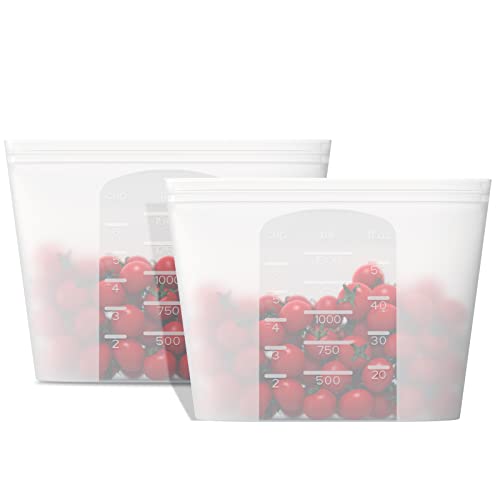
YOU WILL GET: 2 Large size Winrock silicone food storage bags. They are 100% pure silicone and BPA, lead, PVC, latex and phthalates free. The bags are easy to wash and durable, not as the single-use plastic bags, they are endlessly reusable.

Food Grade Material: Choose SPLF brand for Truly food-grade reusable storage bags. Made of extra thick food-grade Peva material that is PVC, BPA, Chloride and Lead free. Healthy and safe for family and earth.
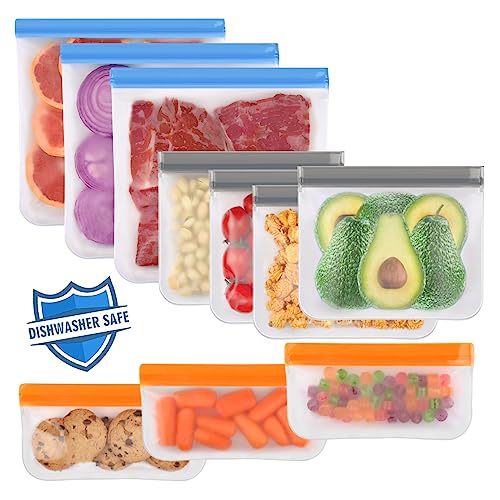
[DISHWASHER SAFE] Why bother with hand washing the reusable bags when you have a dishwasher? Thanks to innovative upgrades to materials, our reusable food storage bags are dishwasher safe. Simply turn the reusable bag inside out and put it in the dishwasher for easy cleaning. However, please skip high-temperature functions such as the dishwasher's drying to extend the lifespan of the bag.
Choosing the Right Packaging Materials
Since you’re freezing meat without a vacuum sealer, your material selection becomes your primary defense against freezer burn and oxidation. Plastic wrap options provide an economical, readily available foundation layer that clings tightly to meat surfaces, minimizing initial air exposure. Apply two layers, pressing out air between each application for ideal results. Vacuum sealing helps extend food freshness significantly, and by using tight wrapping methods, you can achieve somewhat similar results.
Freezer paper benefits compound this protection by adding a robust moisture and vapor barrier over your plastic wrap. The paper’s durability withstands prolonged cold exposure without degradation, while freezer tape secures it firmly against loosening. For enhanced flavor retention, consider tender, flavorful roast options by utilizing the appropriate packaging techniques.
For portioned cuts or ground meat, freezer-grade Ziploc bags offer complementary advantages when you employ the water displacement method—submerging sealed bags to force out trapped air. Label all packaging with contents and dates to track storage duration accurately.
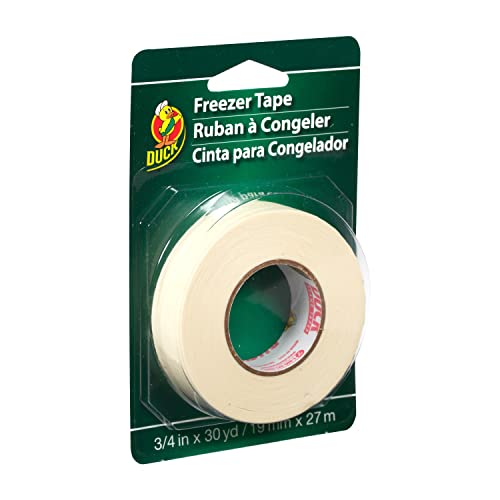

Writable surface ideal for labeling frozen food, bags, and containers

Writable Surface: Easy to label your food containers and storage items on a variety of surfaces like paper, film and foil. Not for direct contact with food
Step-by-Step Air Removal Process
Your material selection establishes the foundation, but proper technique determines whether you’ll actually achieve the air removal that prevents freezer burn. You’ll start by placing meat at the plastic wrap’s center, then pull edges firmly while smoothing the surface to expel trapped air. Fold and tuck the ends underneath, creating an airtight seal. Apply a second layer, pressing out any remaining air bubbles that compromise moisture retention. For irregular shapes, you’ll need careful folding to prevent air pockets in crevices. Alternatively, you can use water displacement: place meat in a freezer bag, seal it almost completely, then slowly submerge it in water. The water pressure pushes air out naturally. Either method minimizes air circulation while protecting your meat during freezing. Additionally, using a vacuum sealing technique can enhance the effectiveness of air removal for better preservation. Remember that vacuum sealing also extends shelf life by removing oxygen, which helps maintain the quality of your meat during storage.

PRESS'N SEAL PLASTIC FOOD WRAP: With a quick press and glide, this food wrap keeps food fresh with a leak proof, air tight seal making it the ultimate storage solution; packaging may vary
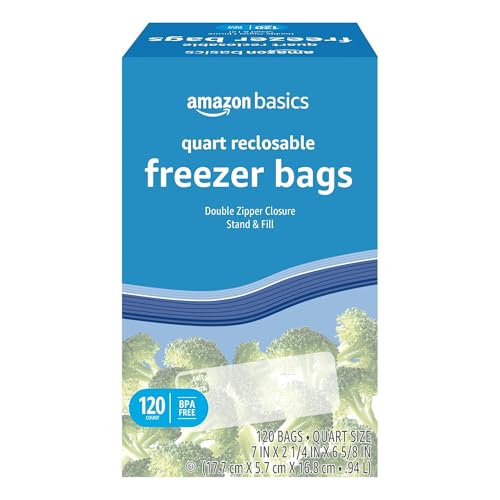
Includes 120 freezer food bags, each holding 1 quart

Food Preservation: Ziploc Gallon Freezer Bags help extend the life of food and protect your food investment
Protecting Against Freezer Burn
Even with excellent air removal techniques, you’ll need to implement multiple protective strategies to truly prevent freezer burn, which occurs when moisture sublimes from meat surfaces and refreezes as ice crystals. You’ll employ a dual-layer wrapping system—plastic wrap followed by freezer paper—to create superior barriers against air exposure. Before freezing, remove excess surface moisture from your meat to minimize ice crystal formation. Additionally, you could consider using a vinegar spray solution for cleaning if you ever need to restore any cast iron cookware, as keeping a tidy kitchen can aid in overall food safety. Maintain your freezer consistently at 0°F (-18°C) or below to slow moisture loss and prevent freezer damage. Furthermore, vacuum sealing can extend meat shelf life significantly compared to conventional methods, allowing it to last 2 to 3 years when frozen. Label all packages with dates to track storage duration, rotating stock systematically. Additionally, organize your freezer to optimize airflow and avoid overcrowding, which causes temperature inconsistencies. These methodical approaches work synergistically to preserve meat quality throughout extended storage periods.

Freezer Paper Roll: Contains one 100 square foot roll of Reynolds Kitchens Plastic Coated Freezer Paper, measuring 66-2/3 feet x 18 inches

AMAZING PROTECTION AND FRESHNESS: The special coating on our meat wrapping paper provides a strong barrier against air and moisture, protecting meats, fish, and other food from freezer burn and keeping your food fresh and flavorful longer
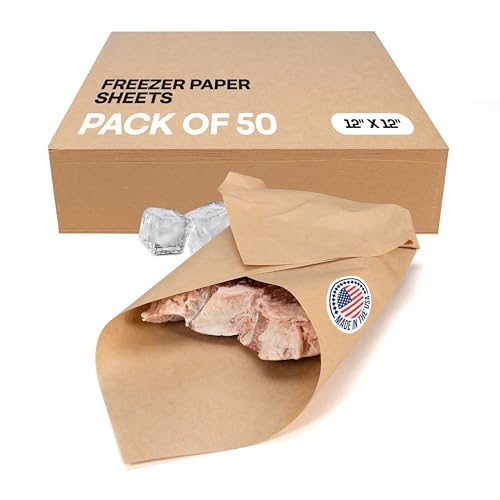
AMAZING PROTECTION AND FRESHNESS: The special coating on our BPA- and PFAS-free wrapping paper provides a strong barrier against air and moisture, protecting meats, fish, and other food from freezer burn and keeping your food fresh and flavorful longer.
Preparing Different Types of Meat for Freezing
Different meat categories require tailored preparation approaches to optimize freezer storage and maintain quality. For red meats, you’ll chill them below 40°F within 24 hours, cut into meal-sized portions, remove bones, and trim excess fat before wrapping. Poultry preparation involves freezing in your intended use form—whole or cut up—with freezer paper layered between pieces for easy separation. You’ll arrange poultry compactly and package giblets separately due to their shorter shelf life. Ground meat requires portioning into 1–2 lb amounts, flattening in freezer bags, and removing excess air. Variety meats need individual wrapping in moisture-vapor-proof materials after chilling to 32–36°F. Cooked meats should cool to room temperature first, then portion and wrap tightly. Label all packages with contents and dates for proper inventory management.
How Long Frozen Meat Stays Fresh
Once you’ve properly prepared and wrapped your meat, understanding how long it’ll remain fresh in the freezer becomes critical to maintaining both quality and safety. Storage duration varies markedly by cut and type. Beef steaks and roasts maintain quality for 6–12 months, while ground beef requires use within 3–4 months. Poultry lasts up to one year for whole birds, though parts degrade within 9 months. Pork chops stay fresh for 4–6 months, while processed varieties like bacon last only 1–2 months.
Quality deterioration stems from ice crystal formation, protein oxidation, and water migration—processes that compromise texture and flavor. However, frozen meat remains microbiologically safe beyond these timeframes. Proper wrapping slows oxidative damage, though it can’t prevent all deterioration. Additionally, vacuum sealing can significantly extend the shelf life of some meats and help preserve freshness for up to a year when stored appropriately. Visual inspection and odor assessment help verify frozen meat freshness.
Organizing and Labeling Your Frozen Meat
A well-organized freezer becomes your most reliable asset for maintaining meat quality and preventing costly waste. Your labeling methods should employ waterproof markers on packages, clearly marking meat type, cut, weight, and freezing date. Apply labels directly to airtight packaging or masking tape for durability in freezer conditions. Consider color-coded markers to differentiate meat categories instantly.
Your organizing tips involve designating specific zones for beef, pork, poultry, seafood, and game. Use bins or baskets to physically separate meat types and prevent cross-contamination. Store frequently accessed cuts at eye level; reserve bottom sections for bulk items. Implement FIFO rotation—position newer packages behind older ones. Maintain a written or digital inventory log tracking contents, portions, and dates. Regularly update this inventory during organizing sessions to identify freezer-burned items requiring disposal.
Common Mistakes to Avoid
While proper organization and labeling establish the foundation for successful meat freezing, you’ll find that even meticulous inventory systems can’t compensate for fundamental freezing errors. You must prioritize proper sealing techniques to prevent air exposure, which causes oxidation and freezer burn. Avoid relying solely on original store packaging; instead, layer plastic wrap with freezer paper, ensuring the shiny side faces the meat. You’ll minimize air pockets by using water displacement methods in zip-lock bags rather than simply squeezing them closed. Additionally, you shouldn’t freeze large bulk pieces—divide meat into meal-sized portions for uniform freezing. Maintaining your freezer at 0°F or below is crucial, and using vacuum-sealed bags can significantly enhance the sealing process and further protect the meat from freezer burn. Avoid overcrowding, and refrain from frequent door openings during the freezing process. These methodical practices prevent ice crystal formation and preserve meat quality. Remember that using specifically designed vacuum sealer bags can enhance the sealing process and further protect the meat from freezer burn.
Handling Raw Meat Safely
Because freezing meat extends its shelf life without eliminating existing pathogens, you’ll need to implement rigorous food safety protocols throughout the handling, storage, and preparation process. Prioritize meat sanitation by washing your hands thoroughly with warm, soapy water for at least 20 seconds before and after raw meat contact. Use dedicated cutting boards, utensils, and containers exclusively for raw meat to prevent pathogen avoidance failures. Store raw meat on lower refrigerator shelves in sealed containers, maintaining temperatures at or below 40°F (4°C). Clean all surfaces and utensils immediately after handling with hot, soapy water or bleach solutions. Keep fingernails short and use disposable paper towels for drying. These methodical practices eliminate cross-contamination risks and maintain meat safety throughout your freezing process. Additionally, ensure that the internal temperature of any meat you plan to freeze reaches safe levels, as proper thermometer placement helps prevent foodborne illness.
Comparing Manual Wrapping to Vacuum Sealing
Though you won’t achieve identical results without specialized equipment, manual freezer paper wrapping provides a practical alternative to vacuum sealing when you’re willing to accept trade-offs in storage duration and texture preservation. Vacuum-sealed meat maintains quality for 2-3 years, while manual methods preserve meat for 6-12 months before significant degradation occurs. Your manual wrapping approach allows gradual moisture migration and oxidation, compromising nutrient retention compared to airtight sealing. However, the cost comparison favors manual methods—freezer paper and plastic wrap combinations eliminate equipment investment entirely. Paper wrapping prevents ice crystal formation more effectively than standard freezer bags, protecting cellular structure during storage. You’ll sacrifice longevity but gain accessibility and affordability with manual wrapping techniques.

Paper Cutter Build: Our 15" paper cutter is made of steel with a gray finish, and has a spring engaged steel bar cutting edge to help keep your meat wrapping process moving.

SEAL IN FRESHNESS & FLAVOR: This heavy-duty freezer paper provides a barrier to air and moisture. It protects the flavor and quality of frozen foods while preventing freezer burn and leaks. Great for meat, fish, vegetables, fruit, and more.

Perfectly Sized for Freshness & Organization: Our butter paper set complete set of 400 pieces including 200 aluminum wrapping sheets (9.84×9.84 inches) and 200 silicone oil papers (8.66×8.66 inches) for versatile butter storage needs. Keep butter fresh, prevent odor transfer in the fridge or freezer, and organize your kitchen with pre-cut convenience.


