You’ll optimize comfort and savings by setting your thermostat to 78°F during summer and 68°F during winter. Adjusting temperatures by just 1°F impacts your bills by 6–10%, so you’ve got significant leverage. Lower settings to 62–65°F at night or when away to maximize savings. Smart thermostats automate these adjustments, reducing run times by 8–10%. The specific temperatures you’ll want to use depend on your activity level, season, and absence patterns.
Optimal Summer Thermostat Settings
Because balancing comfort with energy efficiency requires strategic temperature management, you’ll want to set your thermostat to 78°F when you’re home during summer—a setting that Energy.gov widely recommends for ideal performance. This thermostat efficiency benchmark reduces your cooling costs by approximately 3% per degree above baseline settings. You can achieve additional savings by raising temperatures to 80–88°F during short absences or 85–88°F during vacations, potentially yielding up to 10% energy bill reductions. However, avoid exceeding 90°F to prevent appliance damage and humidity issues. For sleeping, maintain 74–78°F to support restful rest while conserving energy. Programmable or smart thermostats automate these adjustments, minimizing your climate impact while eliminating manual intervention and ensuring consistent adherence to efficient settings throughout your day.

An Alexa thermostat - Amazon Smart Thermostat is an easy way to switch from a traditional thermostats for homes and help reduce energy usage.

PRIVACY PROTECTION*: Sensi won’t sell your personal information to third parties

Save up to 23% every year on heating and cooling costs, adjusts to your set schedule to save energy when you’re gone and optimize comfort when you’re home. Compared to a hold of 72
Optimal Winter Thermostat Settings
Setting your thermostat to 68°F (20°C) during winter months delivers ideal balance between comfort and energy efficiency, according to widely accepted standards. This temperature accommodates thermal preferences without overheating your home.
You’ll reduce energy consumption by lowering your thermostat 8°F when away or sleeping. Programmable thermostats automate these adjustments, optimizing savings effortlessly.
Thermostat placement critically affects accuracy. You must avoid direct sunlight, heating vents, kitchens, and drafty areas, as these locations generate false readings that compromise temperature control.
Health impacts matter greatly. The National Library of Medicine recommends maintaining indoor temperatures above 64.4°F (18°C) to prevent cold-related health risks, particularly for vulnerable populations. Consistent temperatures reduce hypothermia and respiratory illness risks while maintaining stable indoor air quality.
Energy Savings and Cost Reduction Strategies
Now that you’ve optimized your thermostat placement and settings for comfort, you can amplify those gains through strategic energy management. You’ll achieve measurable savings by leveraging your thermostat’s smart features—remote control and occupancy adaptation reduce heating and cooling run times by 8–10% annually. Each degree adjustment impacts your bills by 6–10%, so programming 7–10°F setbacks during sleep or absence yields up to 10% yearly savings. For energy efficiency, set your thermostat to 68°F during active winter hours and 62–65°F when sleeping or away. These strategic adjustments, combined with ENERGY STAR-certified models consuming just 3W standby power, transform your thermostat into a powerful cost-reduction tool, potentially saving $240–480 annually on HVAC expenses.

EASY DIY INSTALLATION: Do it yourself fast with a built-in level and simple step-by-step instructions. Works with the HVAC equipment found in most homes

High use of the scheduling feature of the T5 thermostat saved customers between 8 and 16% on heating and cooling bills. Dollar savings range based on nationwide average annual single-family detached home's heat and cooling bills; actual savings varies based on consumption.
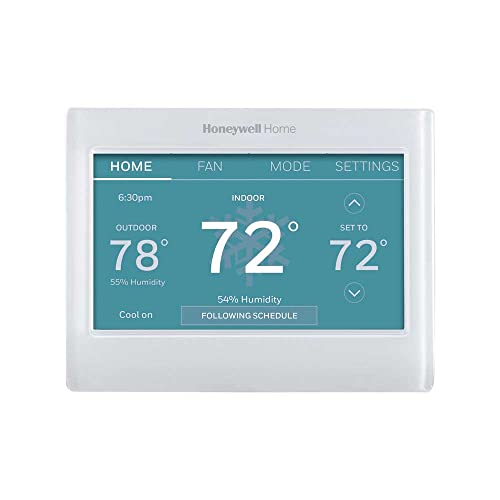
ENERGY STAR certified to help save energy, track your heating and cooling and send personalized tips on reducing energy use..Includes : Thermostat, Wall Plate, Screws, Anchors, Quick Start Guide, Thermostat ID Card, Wire Labels, User Guide
Temperature Adjustments by Activity and Time
Your thermostat’s effectiveness hinges on aligning temperature settings with your daily activities and schedule. During daytime hours when you’re home and awake, maintain 68°F for ideal comfort and energy balance. When you exercise, lower your thermostat to 65-68°F to support exercise comfort and manage body heat generated during workouts. For cooking adjustments, temporarily reduce your thermostat by a few degrees to offset appliance heat and maintain comfort around 68-72°F. Implement the most significant savings by lowering temperatures 7-10°F during nighttime sleep, yielding substantial annual energy reductions. When away for extended periods, set your thermostat to 50-55°F during winter months to prevent pipe freezing while maximizing savings. Programmable thermostats automate these changes, eliminating manual adjustments and ensuring you consistently achieve both comfort and efficiency.

CUSTOMIZE: Choose to receive change air filter reminders and select display settings to optimize this thermostat for home.The RTH20B is a direct replacement for the RTH2300, and replacement for the RTH221 offering 5-2 scheduling

· High Compatibility: Forced air (gas, oil or electric), Electric furnace, Hot water steam or gravity radiant heat, Heat only systems, Heat pump w/o auxiliary or emergency heat, Millivolt, Gas fireplaces (24V), Floor or wall furnaces, Cool only systems.(TIP: Before purchasing, check to see if this thermostat is compatible with your system.)
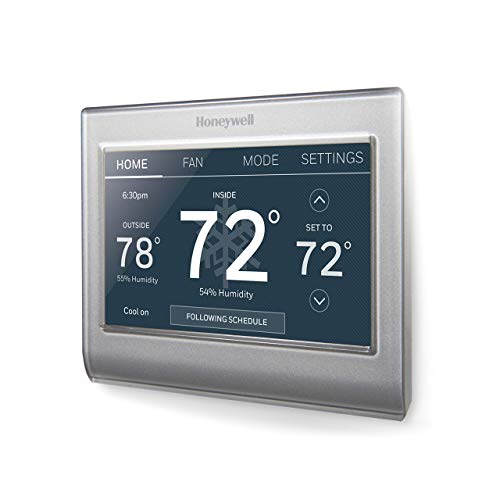
COMFORT COMES IN YOUR COLOR. Personalize your Wi-Fi Smart Color Programmable Thermostat to fit your décor.
Seasonal Temperature Guidelines
While daily activity schedules guide your immediate thermostat adjustments, seasonal climate variations demand a broader strategy that accounts for regional weather patterns throughout the year. During winter, you’ll encounter January lows near 23°F in Northern New Mexico, necessitating consistent heating. Spring preparation requires flexibility as temperatures climb from 61°F to 80°F, with unpredictable cold snaps demanding adaptive setpoints. Summer highs reach 92°F, compelling cooling strategies, though Santa Fe’s moderate mid-80s limit excessive air conditioning demands. Autumn adjustments become critical as temperatures decline rapidly from 83°F to 57°F between September and November. Early frosts around mid-October signal heating system activation. Your region-specific approach accounts for elevation differences and trending warming patterns that’ve increased January temperatures by 0.5–1.5°F over recent decades, influencing long-term comfort planning.
Comfort and Indoor Environment Considerations
Because thermal comfort hinges on far more than air temperature alone, you’ll need to understand how humidity, air movement, and radiant temperature interact with your heating and cooling decisions. Your comfort preferences depend on these environmental features working together, not isolated temperature readings.
Humidity and air quality directly influence health impacts. Temperatures below 16°C combined with humidity exceeding 65% increase respiratory problems and allergies. Conversely, indoor temperatures above 26°C risk discomfort and exacerbate vulnerable populations’ health conditions during heat events.
You can optimize your environment through behavioral adaptations—adjusting clothing, ventilation, and smart thermostat settings based on occupancy patterns. Building design and climate influence your adaptive capacity. By balancing temperature with humidity control and adequate ventilation, you’ll achieve sustainable comfort while mitigating adverse health outcomes across varying seasons and conditions.