You’ll create a crispy, chewy cast iron skillet pizza by preheating your oven to 475-500°F and heating your well-oiled skillet on the stovetop. Combine flour, salt, and activated yeast, then knead and ferment your dough for 1-2 hours. Spread sauce and layer 1.5 cups mozzarella with Parmesan, then cook the topped dough on medium heat for 4-6 minutes until lightly browned. Transfer to the oven and bake 10-16 minutes until golden. Rest, garnish with basil and sea salt, then serve immediately. The techniques behind mastering each stage’ll transform your results.
Preheating Your Oven and Skillet
Before you even mix your dough, you’ll want to get both your oven and cast iron skillet heating. Start by preheating your oven to 475-500°F—the highest setting delivers optimal results for puffed dough and a chewy texture. This temperature consistency guarantees even cooking throughout your baking process.
While your oven reaches temperature, place your cast iron skillet on the stovetop over medium heat for approximately 3 minutes. Once properly heated, add 1 tablespoon of oil and swirl it throughout the pan to distribute heat evenly. Complete this oil heating phase before placing your dough in the skillet. Properly seasoned cast iron skillets ensure a better non-stick surface for cooking.
For oven safety, avoid using the broil setting, which risks burning your cheese. These temperature tips—combining high oven heat with properly prepared skillet conditions—establish the foundation for outstanding crust development and browning. Additionally, preheating your skillet helps to maximize heat retention, similar to how a Dutch oven functions in the oven.

YOUR NEW GO-TO SEASONING SPRAY: The Lodge Seasoning Spray is the perfect seasoning spray to maintain your cast iron cookware. It is made of 100% canola oil - no additives or propellants, to protect your cookware and enhance its finish.
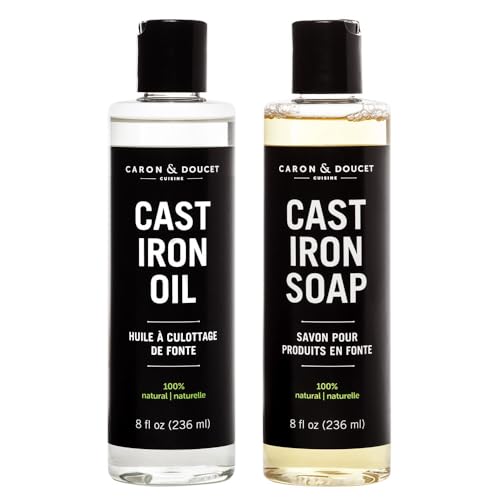
CLEANS CAST IRON | Includes our Cast Iron Soap unlike detergent based soaps, this soap is formulated with 100% natural plant-based oils & free of sulfates, phosphates, parabens & petrochemicals! Gentil on cast iron seasoning & on your hands!
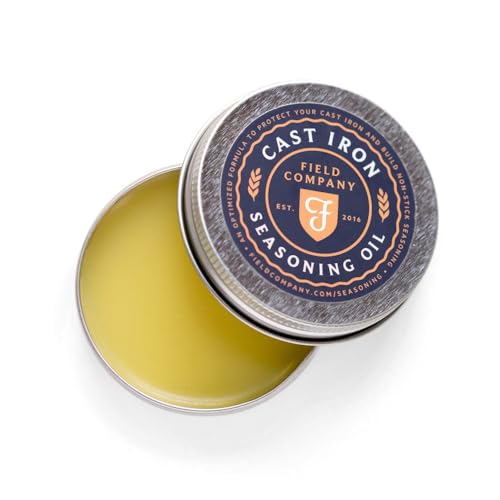
HOW TO USE: The key to naturally nonstick cast iron cookware? Cook often, and apply Seasoning Oil every time you clean your pan. Clean your cast iron with soap and a brush, then use a chain mail scrubber to smooth out existing seasoning layers. Apply a dab of Seasoning Oil and spread it thinly over the surface with a paper towel or clean rag. Wipe away excess oil to leave a dry, matte finish.
Preparing Your Cast Iron Skillet
Once your oven and skillet are preheating, you’ll want to make sure your skillet’s surface is properly prepared for ideal pizza results. Start with oil application: coat the bottom and sides with 1–2 tablespoons of olive oil, swirling to guarantee even coverage. Some recipes call for enough oil to create a visible pool at the bottom, which prevents sticking and enhances crust crispness. A well-prepared cast iron skillet can significantly improve heat retention while baking.
Before baking, verify your skillet’s seasoning. A well-seasoned surface prevents sticking and improves texture. If you’ve noticed food adhering or lackluster crispness recently, re-season periodically with oil. Proper skillet maintenance extends your equipment’s lifespan and consistently elevates pizza quality. Additionally, remember that regular use helps build and maintain the skillet’s natural nonstick seasoning. Avoid soap when cleaning; use hot water and a brush instead. These preparation steps assure superior results every time you bake.
Getting Your Dough Ready
Three foundational components—flour, salt, and yeast—form the base of your pizza dough, and you’ll combine them in either a large bowl or stand mixer depending on your preferred mixing method. Warm water heated to 75-80°F activates your yeast until foamy before incorporation with dry ingredients. Use a Danish dough whisk or fork to combine everything, then knead with wet hands for 3-5 minutes until unified. A stand mixer’s dough hook accomplishes this in 2-3 minutes.
Proper dough hydration and rising temperature greatly impact your final product. Proper cast iron care is also essential when baking in your skillet to ensure even cooking and prevent sticking. Cover your dough and allow bulk fermentation at room temperature for 1-2 hours until doubled, or extend fermentation time to 6-8 hours for deeper flavor development. This extended fermentation develops superior dough texture and complexity while optimizing your rising temperature conditions for authentic results. Additionally, be mindful of distance-to-spot (D:S) ratio to ensure your dough’s surface temperature is accurately monitored if baking at high temperatures.
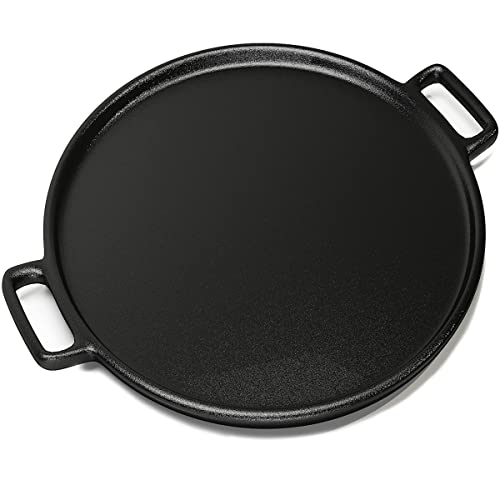
CAST IRON PAN - Constructed from durable cast iron, this flat pan will survive tough wear and tear for many years to come while being easy to maintain. To clean, simply rinse with hot water and wipe with a soft sponge, then dry and rub with oil.

Heavy Duty Construction: The Lodge Seasoned Cast Iron Pizza Pan features rugged cast iron craftsmanship built for dependable durability, everyday versatility, and generations of use

Secure Dual Assist Handle: The Lodge Seasoned Cast Iron Dual Handle Pan features dual assist handles for a secure grip when moving this cast iron skillet
Applying Sauce and Toppings
With your dough properly risen and your preheated cast iron skillet ready, you’re prepared to build the pizza’s flavor foundation through strategic sauce and cheese application.
Spread 1/3 to 1/2 cup of sauce evenly across your dough using the back of a spoon, extending it to the pan’s edges to prevent thick borders. This sauce thickness allows your crust to rise naturally during baking. Using a cast iron skillet that is properly maintained and free from rust is crucial for achieving optimal cooking results, as Evapo-Rust is safe for cooking supplies.
Layer 1.5 cups of low-moisture mozzarella generously over the sauce, ensuring complete coverage. Add 1/4 cup of Parmesan for flavor complexity using a 3:1 ratio. Distribute toppings strategically across the cheese surface, maintaining topping balance to prevent accumulation in single areas. Sprinkle Italian seasoning or red pepper flakes as desired. Additionally, ensure that you’re preheating the pan before adding the ingredients to help achieve a crisp crust. Work quickly to preserve your skillet’s temperature, completing the entire process within 2-3 minutes.
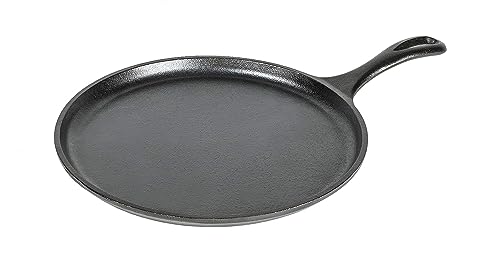
Pre-Seasoned & Ready to Use: The Lodge Cast Iron Griddle comes naturally pre-seasoned and ready to use for tortillas, pancakes, and more right from the box

✅ EVERY PIZZA PURIST'S DREAM: From delivering that perfect crispy golden-brown crust, to its flexibility of using it in the oven or outside on the BBQ, a cast iron pizza pan is a must-have in your pizza-making arsenal. If you love a thick and crispy crust that's golden on the bottom, but puffy and soft under the layers of sauce and mozzarella, the Chef Pomodoro 12 inch Cast Iron Pizza pan will make you think twice before eating a frozen pizza again!

Cooking on the Stovetop
Your cast iron skillet’s temperature is essential to achieving the perfect crust foundation. You’ll begin cooking on medium to medium-high heat, placing your topped dough directly into the hot, oiled skillet. Watch as dough bubbles form within 2–3 minutes, signaling proper heat distribution and crust development. These dough bubbles indicate the bottom is lightly browning and ready for flipping.
Once the first side achieves light browning, flip your pizza carefully. Immediately reduce stovetop settings to low heat, preventing over-browning while ensuring even cooking throughout. This adjustment allows toppings to heat through without burning the crust. Monitor your pizza closely during this phase, as timing varies based on dough thickness and skillet heat intensity. Total stovetop cooking typically requires 4–6 minutes before your pizza reaches ideal doneness, delivering a crispy, well-cooked foundation. Additionally, be cautious of the skillet’s weight, as cast iron can potentially scratch a glass cooktop surface if not handled properly. Furthermore, using a gentle unpacking approach when handling vacuum-sealed items can help maintain their integrity during preparation.
Baking in the Oven
Once you’ve mastered stovetop cooking, the oven phase transforms your skillet pizza into a crispy, restaurant-quality result. Set your oven to 475°F–500°F and position the rack at middle or bottom for ideal heat distribution. This baking technique guarantees even cooking across different oven types. Moreover, using a cast iron skillet provides even heat distribution similar to a Dutch oven, ensuring that your pizza cooks to perfection.
Transfer your prepared skillet directly into the preheated oven. Bake for 10–16 minutes, monitoring at the 10-minute mark. Your primary doneness indicators are cheese bubbling with light browning and a golden-brown crust on the bottom and edges. If edges brown too quickly, loosely tent with foil.
Keep the oven door closed throughout baking to prevent heat loss and texture disruption. Once cheese displays full melting and crust achieves golden coloration, remove your pizza immediately. This ensures optimal flavor and texture, making the most of proper seasoning for a non-stick surface in your skillet.
Finishing Touches and Resting
As your cast iron skillet emerges from the oven with a golden crust and bubbling cheese, the critical phase of resting begins—don’t skip it. Allow your pizza to rest for 2-5 minutes; this resting benefits texture by letting cheese firm slightly and toppings stabilize, preventing sliding when you slice.
While resting, brush the crust edges with olive oil or garlic butter for shine and flavor. Sprinkle freshly chopped basil, red pepper flakes, or Parmesan for finishing flavors that enhance aroma and taste. A light dusting of sea salt adds seasoning contrast.
After resting, run a butter knife around the skillet edges to loosen cheese. Use a sharp pizza cutter for clean slices, preserving your toppings’ integrity and your pizza’s visual appeal.
Serving and Storage
After the pizza’s been removed from the oven and rested in the skillet for 5 minutes, it’s ready for transfer to a cutting board. Run a sharp knife around the pan edges to loosen the crust, then use a spatula to slide it onto your board. Slice into your desired portions while the pizza’s still hot—proper cooling time guarantees clean cuts without cheese stretching.
For pizza serving, present your slices immediately after slicing to maintain ideal cheese texture and crispy crust. Add fresh basil and a parmesan drizzle for peak flavor.
Regarding leftover storage, allow your pizza to cool completely before refrigerating to prevent condensation damage. Store in an airtight container for up to three days. Reheat in your cast iron skillet over medium heat to restore crispness.