You’ll successfully braze aluminum with a butane torch by mastering three critical steps: thoroughly clean surfaces using wire brushes and degreasers to remove oils and oxides, then apply aluminum-specific flux before heating. Maintain a neutral flame at 700–750°F, distributing heat evenly across the joint rather than pinpointing it. Feed your aluminum filler rod into the molten pool once flux becomes watery. Let joints cool naturally to preserve integrity. Understanding the nuances of equipment selection and safety protocols will greatly enhance your results.
Preparing Aluminum Surfaces for Brazing
Before you can achieve a sound brazed joint, you’ll need to remove all contaminants—dirt, oils, grease, and machining residues—from the aluminum surface using appropriate degreasing solvents or chemical cleaners matched to the specific oils present. Surface cleanliness is critical because flux cannot eliminate heavy contamination; it only removes residual oxides during heating.
Next, address oxide removal by applying a corrosive flux designed specifically for aluminum. The naturally occurring aluminum oxide layer must be dissolved or mechanically removed using metallic wire brushes. Avoid non-metallic abrasives like aluminum oxide grit, which inhibit wetting. Proper oxide removal enables the brazing filler metal to flow effectively across the base metal.
Clean immediately before brazing to minimize oxide regeneration. This methodical surface preparation guarantees ideal joint quality and filler metal adhesion.

Universal Fit: Measuring 320x260mm, these range hood filters fit most popular kitchen hood and exhaust fan models on the market. compatibility by comparing your filter's measurements with ours before .

Rapid, Powerful Degreasing: Instantly dissolves tough grease, oil, and grime, making cleaning quick and effortless on machinery, gears, bearings, and more.

【Powerful Cleaning Performance】Equipped with a 6mm nozzle and a working pressure of 72.5–87 PSI, this pneumatic air cleaning gun delivers strong, atomized airflow to quickly remove dirt, grease, and oil. Compatible with kerosene, soap, oils, rust-proofing liquids, and other common cleaning solvents. Ideal for engine cleaning, motorcycle chains, farm machinery, automotive interior detailing, dashboards, and general workshop maintenance. Note: for cleaning only, not for paint spraying.
Managing Temperature and Heat Control
Once you’ve prepared your aluminum surfaces meticulously, you’ll need to control the heat application with equal precision to achieve a sound brazed joint. Your flame control directly determines success—adjust your butane torch’s gas and air valves to maintain a neutral flame that melts filler metal without oxidizing the joint. During joint heating, use circular motions to distribute heat evenly, avoiding stationary flame placement that causes localized overheating and aluminum damage. Target 700–750°F, allowing radiant heat to melt your filler rod as a temperature indicator. Heat the base metal indirectly rather than applying direct flame. Monitor continuously and increase heat gradually if melting progresses slowly. Let joints cool naturally afterward to preserve mechanical integrity and prevent warping.
Selecting Filler Materials and Flux
Your choice of filler metal and flux directly impacts joint strength, appearance, and longevity in aluminum brazing. For aluminum-to-aluminum joints, you’ll want aluminum-specific filler rods, which provide superior bonding and are your most reliable option. When joining aluminum to brass or copper, you’ll benefit from multi-metal filler rods like Super Alloy 1.
Flux application is equally critical. You must apply aluminum-specific, non-corrosive flux evenly to your joint before heating. This flux cleans the aluminum surface, removes oxides, and allows your filler metal to flow properly. Without proper flux application, your filler metal won’t adhere well and may clump or fail entirely. After brazing completes, remove excess flux with a wire brush and warm water to prevent corrosion.

50 Rods ,1/16 ''x13' 'aluminum welding wire,Chemical Composition Requirements: Si 12%, Mg≤0.10%, Fe≤0.21%, Cu≤0.05%, Zn≤0.05%, Mn≤0.10%,AL REM

NO SOLDER POWDER NEEDED: These aluminum rods are flux cored welding rods, no need solder powder, no other materials are required, and it is easy to use.

Only For Welding Aluminum - The aluminum welding rods are only used for welding aluminum, aluminum alloy and aluminum-magnesium alloy, high strength, good forgeability & good corrosion resistance.
Essential Equipment and Tools
Successful aluminum brazing depends on assembling the right tools—each serving a specific function in heat application, temperature management, and joint preparation. Your torch selection considerably impacts efficiency; high-end butane torches with air-fuel mixing provide stable, adjustable flames suited for delicate aluminum work. You’ll need infrared thermometers to monitor joint temperature and prevent overheating near aluminum’s 660°C melting point. Surface preparation equipment—wire brushes, abrasive pads, and degreasers—removes oxides and contaminants for ideal filler adhesion. Heat-resistant gloves and protective eyewear protect you during operation. For filler material handling, you’ll use rod cutters, heat-resistant tweezers, and flux applicators. Finally, make sure your workspace is well-ventilated and equipped with proper safety measures, creating an environment where brazing equipment operates efficiently and safely.

Application Field: NO NEED FLUX.Low-temperature aluminum brazing rod is suitable for brazing aluminum, aluminum alloys, aluminum-magnesium alloys, and other light-colored metals such as car suspensions, frames, motorcycle tanks, wheels, furniture, lighting fixtures, lamp heads, and even aircraft wings.
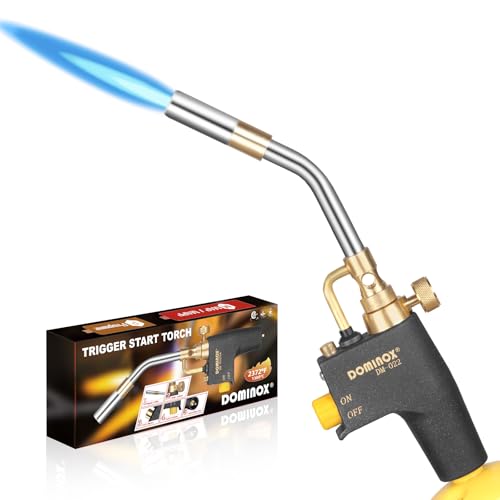
【Powerful Upgrade Propane Torch Head】DOMINOX propane torch head has been upgraded and optimized. 1. The surface of the propane torch handle adopts an anti slip frosted texture to optimize the user experience. 2. The ignition system has been upgraded, the welding torch head can ensure 100% successful ignition every time, improve fuel efficiency. 3. Our map gas torch head is equipped with a pressure regulator inside, you don't have to worry about using it upside down at all, turbo torch can be used upside down for up to 30 minutes.

True Heavy-Duty Capacity: The XL 100% aluminum tank holds enough butane for up to 40 minutes on high power or 80 minutes on low, finishing demanding jobs on a single fill
Executing the Brazing Technique
Because aluminum’s thermal properties and oxide layer present distinct challenges, proper execution of the brazing techniques demands meticulous attention to surface preparation and heat management. You’ll apply flux to your preheated rod, then use broad heating motions across the joint rather than pinpoint flames. Aluminum dissipates heat rapidly, so you’ll maintain continuous flame application directed at the base metal itself. When the flux shifts to a thin, watery appearance, you’ve reached ideal temperature—approximately 700-750 degrees Fahrenheit. Lightly touch your rod to the heated aluminum; it should melt on contact. Use consistent, gentle sweeping motions across the joint for proper bonding. After cooling, perform joint inspection to verify proper filler metal distribution and structural integrity before proceeding with any leak testing protocols.
Understanding Advantages, Limitations, and Safety Considerations
While butane torch brazing offers distinct practical benefits for aluminum work, it is essential to weigh these advantages against inherent limitations and implement rigorous safety protocols. You’ll appreciate the portability and affordability of butane torches for DIY projects, yet you must recognize their lower flame temperatures—typically 1,430°C—limit effectiveness on thick aluminum sections. Technique comparisons reveal butane’s slower brazing speed versus propane alternatives, making it unsuitable for high-volume applications. Regarding safety regulations, you must operate in well-ventilated areas, wear heat-resistant gloves and safety goggles, and maintain proper equipment inspection protocols. You’ll need to secure your workpiece, keep fire extinguishers accessible, and avoid overheating aluminum to prevent base metal weakening and warping throughout your brazing process.