You can fill your butane torch directly without an adapter by aligning the canister nozzle firmly into the refill valve and applying steady downward pressure for 3–10 seconds. First, cool the torch to room temperature and purge the valve by pressing the pin with a straight tool until you hear hissing. Invert both the canister and torch, position the nozzle upward into the valve, then press with consistent force. Stop when you feel resistance or slight spray. Let the torch rest 3–10 minutes on a non-flammable surface for stabilization. The following sections cover troubleshooting techniques for ideal results.
Ensure the Butane Torch Is Cool and Ready
Before you refill your butane torch, it’s essential that you let it cool for at least 15 minutes at room temperature. Cooling techniques are critical because overheated equipment increases pressure buildup risks and fuel instability. In addition, following proper torch maintenance procedures can significantly extend the lifespan of your butane torch. Temperature effects directly impact the refilling process—when you maintain consistent temperatures between your torch and butane canister, you’ll achieve stable flame performance.
Don’t attempt premature refilling of hot torches, as this practice can result in dangerous pressure accumulation. Room temperature conditions optimize the entire refilling procedure, making sure both your equipment and fuel remain stable throughout. Additionally, purging excess air from the torch’s fuel tank before refilling helps ensure optimal ignition. Wait patiently while your torch cools completely before proceeding to the next steps. This fundamental safety measure protects you from potential accidents and guarantees your torch functions reliably after refilling.
Check and Purge the Refill Valve
Now that your torch has cooled completely, you’ll locate and prepare the refill valve for purging. Find the small pin or button on the torch’s bottom, removing any protective cap if present. Using a straight tool like a screwdriver, press the valve to begin air purging. You’ll hear a hissing sound as air and residual butane escape. Tilt the torch up and down while maintaining pressure on the valve to guarantee thorough purging. Continue until hissing stops completely. Perform a valve inspection afterward, checking for smooth depression and full retraction without sticking. Clean the valve area with a dry cloth if debris is present. Successful air purging removes obstructions that block butane injection, preventing malfunction and guaranteeing reliable torch operation during refilling.

【Professional flame regulation and exhaust function】Achieve the perfect flame every time! This versatile lighter tool allows you to easily adjust flame size and release gas from your butane lighter. It's the essential air bleed key for purging air pockets after refill, ensuring optimal performance for your torch and cigar lighters.

【Save Your Time and Convenience】Will you be troubled by some small spaces that cannot be cleaned up? Our welding tip cleaner tools can just solve your troubles. 13 cleaning lines with different diameters, 10 cleaning needles with different diameters, 5 nylon brushes with different widths, and 1 pointed pick. This spray gun cleaning kit can easily help you clean up the corners that trouble you,making your work easier.

Welding Tip & Carburetor Cleaning Kit - This welding tip and carb cleaning kit included 13 different diameters of cleaning wires(0.4, 0.5, 0.6, 0.7, 0.8, 0.9, 1.0, 1.1, 1.2, 1.4, 1.5, 1.6, a flat file) perfect to clean all kinds of small items that get clogged. If the wire is too big they won't even go in and if too small will not do a good job cleaning, you need a wide variety of sizes, like this set. With our welding tip cleaning tool, you'll be back on the road in no time and have the engine running perfectly.
Hold the Refill Bottle Upside Down
To maximize refill efficiency, you’ll invert the butane canister so that liquid fuel—rather than gaseous vapor—flows into your torch’s chamber. This orientation leverages gravity to deliver dense, liquid butane directly into your torch’s refill valve, greatly improving fuel efficiency and refill capacity.
Position your torch upside down with its refill valve pointing upward. Insert the canister nozzle firmly into the valve, maintaining constant pressure for 3–10 seconds. Listen for a steady hissing sound, indicating proper liquid transfer. If a hissing noise persists, it may suggest a dangerous leak that should be addressed immediately.
Stop refilling when you notice slight butane spray or feel resistance—both signs your chamber is full. This inverted technique prevents air pockets from entering the fuel chamber, which would compromise flame stability and reduce overall refill capacity. After completing the fill, wait 3–5 minutes before igniting your torch. Always ensure your torch uses safety locks to prevent accidental ignition before refilling.

2-Pack Total. Zippo Butane Fuel 75 ml each can. Made in USA

CLEAN BURN EVERY TIME – Ronson Butane Fuel provides a high-quality, odorless flame that burns clean and consistent. It reduces soot and smoke, making it ideal for lighting candles, kitchen torches, or daily-use lighters without leaving residue.

PURE FLAVOR PRESERVATION – Experience ultra-pure, premium butane gas that keeps your food, cocktails, and cigars tasting authentic. Specially refined to eliminate unwanted odors and flavors, this culinary smoking fuel ensures every torch use delivers clean, untainted results for chefs and mixologists.
Connect the Nozzle to the Refill Valve
Three critical elements determine whether you’ll achieve an efficient fill: precise alignment, adequate pressure, and a secure seal between the butane canister nozzle and your torch’s refill valve.
Start by positioning the canister nozzle directly into the valve opening without twisting or angling. Press the nozzle straight down with firm, steady pressure for 5-10 seconds. This motion creates the necessary connection while avoiding damage to delicate valve components. It is important to note that using a butane torch for smoking purposes is not advised due to potential health risks from inhaling harmful butane fumes.
Maintain consistent downward force throughout the fill cycle. A slight hissing sound indicates normal fuel and air displacement. For seal confirmation, listen for excessive hissing or observe for visible leaks around the connection point. If either occurs, reposition the nozzle immediately to restore tightness.
Butane is generally preferred for dabbing due to its lower burning temperature, which helps preserve the flavor profiles of your concentrates.
After completion, allow your torch to rest briefly before use, ensuring fuel stabilization and safety.

Universal Fit for 90%+ Lighters & Torches: Compatible with a wide range of brands including S.T. Dupont, Dunhill, Zippo, and more. One butane refill adapter meets all your daily needs.
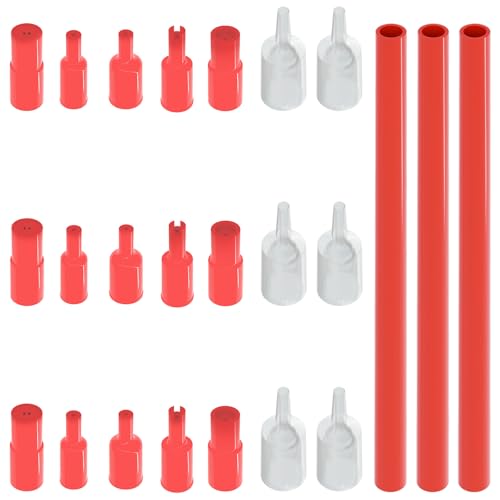
Dual-Function Excellence: Experience ultimate versatility with our 3 set containing 7precision nozzle heads. Master both gas charging and pressure release operations - the purge function removes residual gas to optimize combustion efficiency, extending your lighter/torch lifespan by 30%+ through proper maintenance

GOOD COMPATIBILITY:Compatible with most 8oz butane canister (Canister with a short nozzle and snap joint) on the market.
Press and Hold to Fill With Liquid Butane
Once you’ve established a secure connection between the canister nozzle and your torch’s fill valve, you’re ready to deliver liquid butane into the tank. Apply your pressing technique by holding the canister firmly against the valve with less than one pound of force. This pressure creates an airtight seal that prevents gas from escaping during transfer. Maintain sustained pressure for approximately 10 seconds or until fuel begins to sputter, signaling your tank’s near-full status. The consistent contact guarantees efficient liquid flow rather than vapor release. Once you’ve reached capacity, slowly release pressure to avoid sudden gas discharge or liquid splashing. After filling, allow your torch to rest for several minutes at room temperature, enabling fuel stabilization and pressure equilibrium.

Versatile: This 8-in-1 gas refill adapter is compatible with S T Dupont, Dunhill, Rollagas, dress & Vinci, and Serine Maruman lighters.
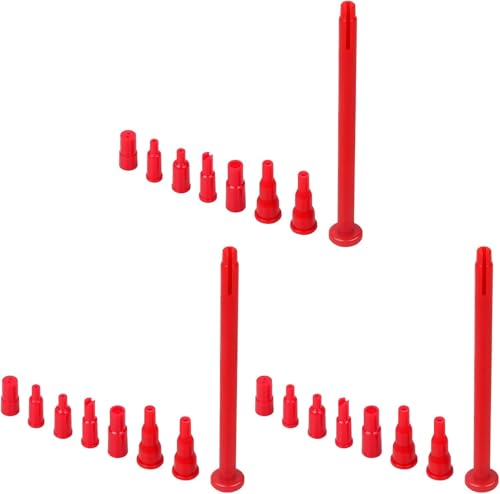
⭐Multi-Purpose: 1 set of 8pcs - seven small refill heads and one long-shaped air rod. Semlos butane tank adapter can not only deflate but also be inflatable. Before filling again, release the gas in the lighter to better extend the service life of the lighter and torch.

Multi-Functional Design: The Semlos butane tank adapter serves a dual purpose: it enables both inflating and deflating. Before refilling, releasing the gas from lighters or torches helps extend their lifespan by preventing residual gas buildup, ensuring optimal performance over time.
Know When the Tank Is Full
Recognizing when your butane torch’s tank has reached full capacity involves monitoring several key indicators that’ll signal the end of the filling process. Watch for a hissing sound that changes or stops completely—this audible feedback confirms the tank can’t accept more fuel. You’ll notice resistance when attempting to inject additional butane, and the filling rate naturally slows to a drip before ceasing entirely.
Examine fuel indicators on transparent gauges; liquid butane should reach the maximum fill line without further movement. Feel for pressure changes at the valve and monitor for temperature stabilization around the fill point. These filling techniques guarantee you’ve achieved peak capacity without overfilling, which risks leaks or pressure hazards. Additionally, using the recommended ultra-pure butane will help ensure the best performance and longevity of your torch. Regular maintenance of your torch’s components is vital for optimal performance, as improper care can lead to rust deterioration or malfunctions over time. Cross-reference your torch’s manufacturer specifications to confirm you’ve reached the recommended fill level safely.
Allow the Torch to Stabilize
After you’ve confirmed your torch tank has reached full capacity, you’ll want to resist the urge to ignite it immediately. Place your torch upright on a non-flammable surface in a well-ventilated area for 3 to 10 minutes. This stabilization period allows butane liquid to settle and displace air bubbles, which directly impacts flame stability.
During this rest, the fuel cools during filling, so it needs time to warm to ambient temperature and normalize internal pressure. Keeping your torch stationary prevents mixing liquid butane with air pockets that compromise performance. Butane torches are particularly popular among chefs because of their ability to deliver high heat for culinary applications.
Stabilization also reduces vapor accumulation around the torch, allowing any fuel leaks to dissipate safely before ignition. It’s important to remember that butane torches are prohibited on flights due to safety concerns. Avoid adjusting the flame setting during this period. Once the resting time elapses, your torch will deliver consistent, reliable performance.
Troubleshoot Common Filling Problems
Even with proper filling technique, you may encounter issues that prevent your torch from performing at its finest. Air pockets commonly cause inconsistent ignition and weak flames. Use air removal techniques by flipping your lighter upside down and pressing the valve until hissing stops completely. Flame consistency issues often stem from incorrect flame adjustment settings. Turn your flame control dial incrementally while observing the flame’s behavior, then set it to the lowest position before refilling.
To avoid problems with temperature accuracy, consider that thermometers measure the ambient temperature differently, which can affect the ignition of your butane torch. Low-quality butane clogs jets and degrades performance. Switch to high-purity, refined fuel from recommended brands. If problems persist after purging and adjusting, the fuel line may need cleaning. Temperature also affects filling—ensure your lighter warms to room temperature before use for peak, stable ignition and reliable performance. It is crucial to use the proper fuel type, as using different fuels can lead to unsafe operating conditions.

SUPERIOR PERFORMANCE: XIKAR Purofine Premium Butane Fuel is meticulously crafted to deliver unparalleled performance. Specially formulated for jet flame lighters, it ensures a consistent and powerful flame, making it ideal for lighting cigars.
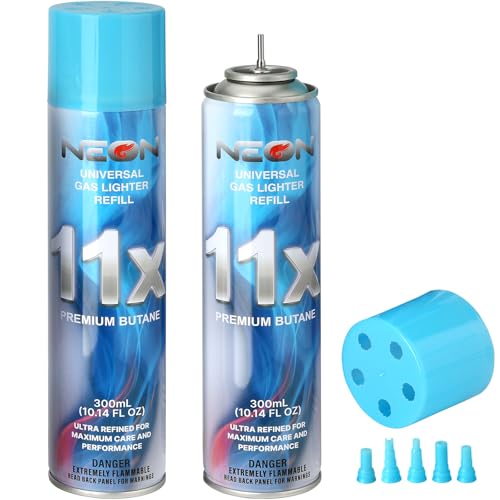
【11X Ultra-Refined Purity】 Filtered 11 times nanoscale stages for 99.9997% purity, NEON butane fuel delivers a cleaner, hotter, and more efficient burn. No odor, no residue, just consistent high performance that protects your cigars, culinary delights, bartending masterpieces, and your experience.

PREMIUM BUTANE GAS: Colibri butane is the cleanest available at 99.9994% purity. Produced to the exacting standards required by high-performance jet-flame lighters, resulting in fuel so pure it does not require repeated filter-ing, like other brands.