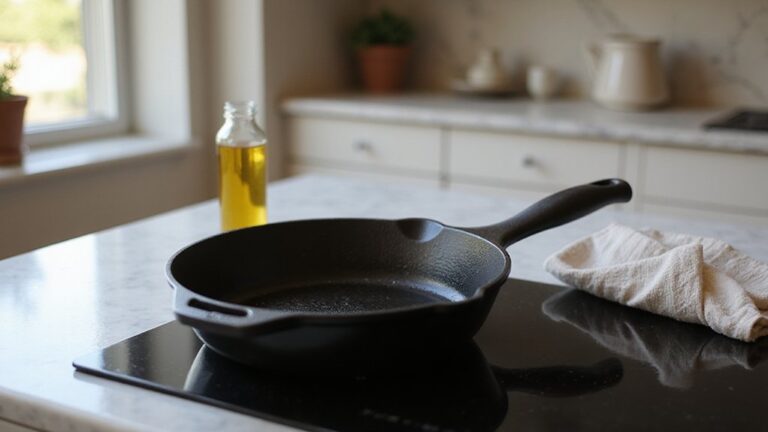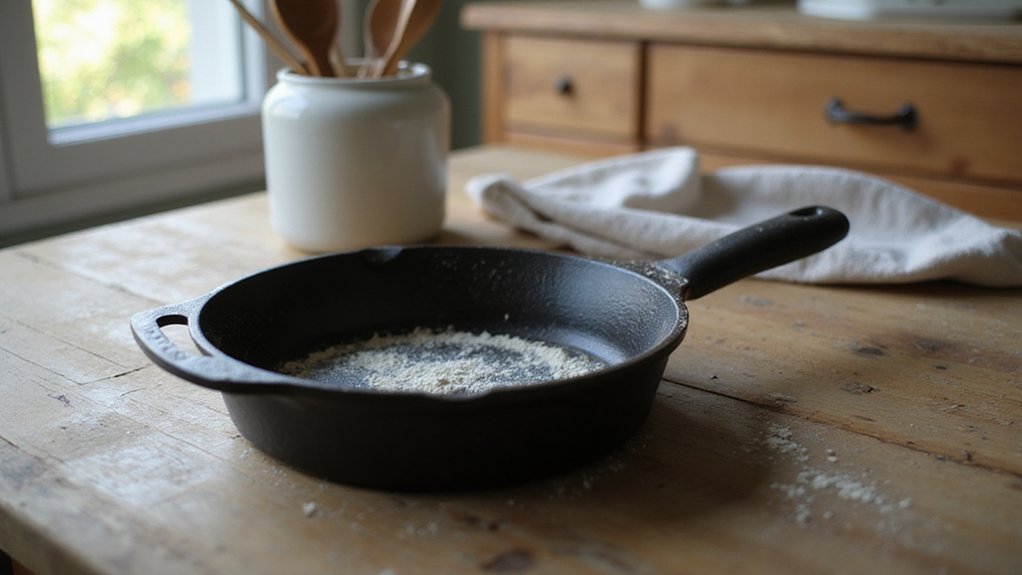
Wondering if you can use a cast iron skillet for everything you cook? The truth is, while it’s great for searing, baking, and frying at high heat, it’s not ideal for everything—like delicate eggs or fish.
Plus, acidic foods like tomato sauce can damage its seasoning. Proper care is key to keeping your skillet in top shape.
Keep reading to learn which tasks call for a different pan.
What Cast Iron Skillets Do Better Than Any Other Pan
A cast iron skillet outperforms other pans because of its exceptional heat retention and thermal stability. It acts as a thermal reservoir, minimizing temperature drops when you add cold ingredients, which helps you achieve a perfect sear or a crispy crust. You don’t need to constantly adjust the heat on your burner, making cooking more consistent and efficient. If your skillet develops rust, you can restore it using a vinegar spray solution to loosen the oxidation before reseasoning.
Proper seasoning is key to unlocking its full potential. A well-seasoned skillet develops a chemical-free non-stick surface that allows you to cook delicate items like eggs without added fats. It can withstand high temperatures without damage, making it ideal for browning meats or baking crispy cornbread. Plus, when you remove it from the heat, it stays hot much longer, keeping your food warm while you finish preparing the rest of your meal. This same heat retention allows you to bake simple Dutch oven desserts like dump cakes with canned pie filling and cake mix. You can also use its even heat to gently poach a whole chicken in coconut broth for tender, infused results.

YOUR NEW GO-TO SEASONING SPRAY: The Lodge Seasoning Spray is the perfect seasoning spray to maintain your cast iron cookware. It is made of 100% canola oil - no additives or propellants, to protect your cookware and enhance its finish.

Complete Care System: The Lodge Cast Iron Care Kit combines everyday cleaning and maintenance essentials into one convenient set designed to help support long-lasting cast iron care

Important information about the spray applicator: The optional spray top (the product may be applied without spraying) has an off/on button on the neck of the trigger sprayer, some do not realize this and think the sprayer doesn't work. It works well but you need to make sure the button is in position that allows it to spray and you pump vigorously a few times at first to initialize the sprayer.
3 Tasks That Will Ruin Your Cast Iron Skillet
First, avoid subjecting your skillet to thermal shock. Plunging a hot pan into cold water can cause the metal to crack or warp. Always let it cool naturally before cleaning, and use warm water rather than cold to prevent sudden temperature changes that could damage the cast iron. Excessive acidic foods can also strip away the seasoning layer.
Second, never skip drying or re-seasoning your skillet. Moisture is your cast iron’s biggest enemy for rust formation. Immediately towel-dry the skillet after washing, and apply a thin coat of oil before storage. This extra step creates a protective barrier against oxidation and keeps your skillet in good condition over time. For a more durable finish, consider using flaxseed oil which polymerizes into a hard coating.
How to Cook Acidic Foods Without Damaging the Seasoning
Cooking acidic foods in cast iron requires careful steps to preserve your seasoning. Start with a well-seasoned pan that has undergone at least one full reseasoning cycle to create an impermeable layer. Before adding acid, preheat the empty skillet for five minutes at medium-low to seal micro-pores, which helps protect the seasoning. For dishes like chili, using a Dutch oven with cornbread topping provides a hearty one-pot meal that is well-suited to these techniques. Applying a high smoke point oil such as vegetable or canola oil before each use further fortifies the protective layer. Managing the acidic ingredients during cooking is crucial. Keep total cook time under 45 minutes—tomato sauces should not exceed 75 minutes, and wine reductions should be stopped at 20 minutes. Add acidic components later in the process and dilute them with water or broth to raise the pH, reducing their corrosiveness.
Simmer uncovered at a temperature of 205 to 210 degrees Fahrenheit to control reduction and minimize acid contact with the pan. Once cooking is complete, transfer the food immediately to avoid prolonging acidity exposure in the pan. Do not store leftovers in the skillet. When finished, wash promptly with hot water, dry thoroughly, and apply a thin layer of oil to restore and protect the seasoning layer. Interestingly, the term “Dutch oven” also refers to the Dutch oven prank, a crude practical joke involving trapping a bedmate under blankets.

Mild and Easy: Grapeseed Oil is at its best in stir-fries and sautés; it doesn't overwhelm other ingredients and lets fresh flavors shine. When grilling or frying, it is a must-have in the pantry.

Light Buttery Flavor That Elevates Every Meal: Algae Cooking Club Chef-Grade Algae Oil enhances every dish with subtle richness. Its neutral profile makes it ideal for searing, baking, and dressings, transforming everyday meals into gourmet experiences.
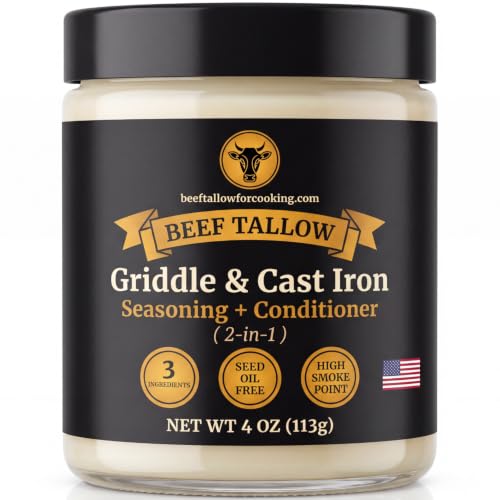
THE SEED OIL FREE FORMULA — Golden Render is the world's first seed oil free, tallow-based griddle seasoning & cast iron conditioner. While others use soy, shortening, grapeseed, sunflower or canola, we use just 3 clean ingredients: beef tallow, avocado oil & beeswax.
How to Maintain Your Cast Iron Skillet’s Seasoning
For oil application, use a neutral oil like canola or solid shortening. Apply a thin layer over the entire surface of the skillet, including the handle, until you see only a faint sheen. Avoid letting the oil pool or drip. Heat the pan on medium for 4 to 6 minutes to help the oil bond properly. Then, wipe off any excess oil with a clean rag until the surface looks nearly dry. Bake the oiled pan in a preheated oven at 350°F for about an hour to build a durable seasoning that protects against rust. Regular cleaning followed by a thin oil coating keeps your skillet’s seasoning strong and effective.

Use on cast iron skillets, dutch ovens, and carbon steel cookware to build seasoning and protect from rust
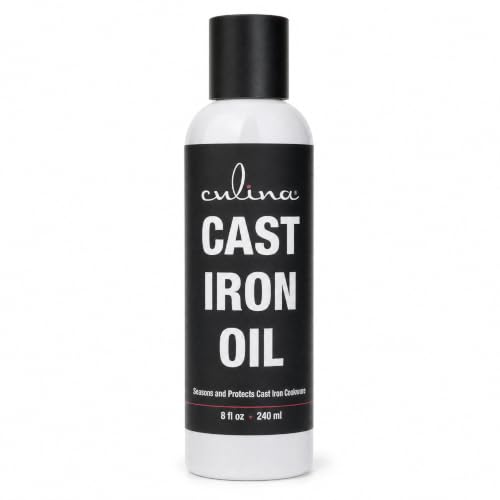
EASY TO USE – For best results, use our Culina Cast Iron Cleanser first. Once dry, apply a light coat of Cast Iron Conditioner and rub into cooking surface with a clean, dry cloth. Use after every meal for optimal surface protection.
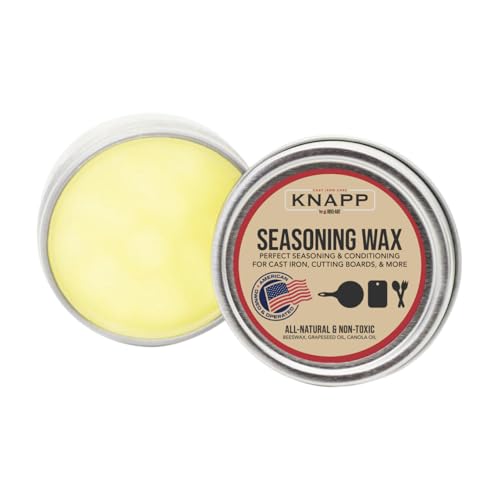
Perfect Seasoning and Conditioning: Cast Iron Seasoning Blend of Oil and Beeswax. Perfectly Seasons and Conditions Cast Iron Pans, Skillets, and Other Cookware. Our Formula Protects and Maintains Your Cast Iron Better Than Any Other Product on the Market.
When to Switch to a Different Pan Instead
Certain cookware types are better suited for specific tasks than cast iron. For delicate foods like eggs, fish fillets, or custards, a non-stick pan is preferable because it releases food more easily without tearing or sticking. Acidic ingredients such as tomato sauce or lemon juice can strip the seasoning from cast iron and introduce metallic flavors, especially during long simmering. In these cases, sear the food in cast iron and then transfer it to stainless steel or enamel-coated pans for reduction or sauce-making. For delicate filleted fish, which is prone to falling apart, a non-stick pan is the better choice to ensure gentle handling and release.
High-heat sautéing with rapid tossing can also be challenging in cast iron due to its weight. Switching to lightweight options like carbon steel or thinner stainless-steel pans provides more responsiveness and control. These alternatives allow you to move food quickly and make adjustments without feeling weighed down. For searing, however, cast iron performs best at medium heat to achieve a deep crust without scorching. However, for achieving a deep and crispy crust on foods like smashed potatoes, cast iron’s even heat retention and weight make it ideal for both pressing and browning. For braising tougher cuts of meat, you can instead use a heavy large pot with a tight-fitting lid to trap moisture and achieve tender results.