You’ll sear your filet mignon in a preheated cast iron skillet with high-smoke-point oil for 2-4 minutes per side, creating a golden crust. After flipping, add butter, garlic, and fresh herbs, then baste continuously for 20-30 seconds. Transfer the skillet to a 400-450°F oven for 3-8 minutes until you reach 130°F internally. Rest it for 5-10 minutes before serving. Mastering each technique layer transforms an ordinary steak into restaurant-quality results.
Preparation and Seasoning
Since even cooking and tenderness depend on proper preparation, you’ll want to remove your filet mignon from the refrigerator 30 to 60 minutes before cooking to allow it to reach room temperature. During fillet resting, pat the steaks dry with paper towels to enable ideal browning.
Next, trim any excess fat or silver skin for consistent cooking. Season all sides generously with kosher salt, which draws moisture to the surface before reabsorption, deeply seasoning the meat. Your seasoning methods should include freshly ground black pepper applied just before searing to prevent bitterness.
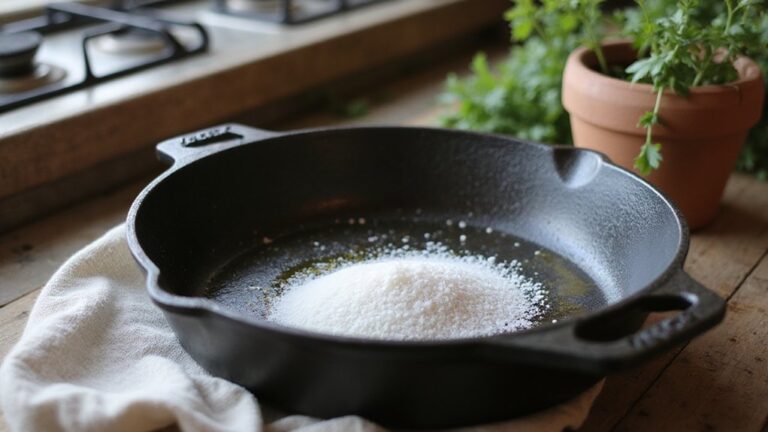
Consider aromatic herb blends like herbes de Provence or fresh thyme for subtle layering. Gently press seasonings into the meat for even coverage without texture damage. Properly seasoning your cast iron skillet creates a natural, healthy, and long-lasting non-stick surface that improves with use and care. Remember that cooking acidic foods in cast iron may require caution to maintain the seasoning and avoid any metallic taste in your meal.

STEAK-INSPIRED FLAVOR: Bring bold, savory character to everyday meals with a steak seasoning inspired by favorite steak experiences around the world, balancing Pacific Northwest Sea Salt and spices to complement the natural flavor of the meat.

COARSE-GROUND: Salt is a mix of coarse-ground garlic, salt, and parsley flakes

SIGNATURE BLEND: Lawry's signature Seasoned Salt is the original seasoning blend of salt, herbs and spices, including paprika and turmeric, plus onion and garlic
Pan and Heat Preparation
The right equipment and proper heat management are crucial to achieving that perfect crust on your filet mignon. You’ll want a pre-seasoned cast iron skillet, ideally 10–12 inches, which distributes heat evenly and withstands high temperatures that nonstick pans can’t handle. A 12-inch skillet is particularly recommended for its balance of versatility and practicality in searing steaks.
Place your skillet over medium-high heat for 2–5 minutes until a water droplet sizzles and evaporates instantly. This readiness indicator guarantees proper searing without sticking. Meanwhile, preheat your oven to 400°F, allowing 10–15 minutes for it to reach temperature consistency.
Once your skillet’s ready, add 1–3 tablespoons of high smoke-point oil—avocado, canola, or vegetable oil work best. Heat management prevents the oil from smoking before your steak arrives. Cast iron skillets’ versatility allows you to use them on various heat sources, ensuring you get the ideal sear. You’re now prepared for an excellent sear.
Searing Technique
Now that your skillet’s properly heated and oiled, you’re ready to sear your filet mignon. Place steaks gently into the pan away from your body to prevent splatter. Let them sit undisturbed for 2-4 minutes per side—resist the urge to move them, as this guarantees even crust formation and proper browning. Flip once using tongs, maintaining the crust’s integrity.
Immediately after flipping, add butter with garlic and fresh herbs like thyme. Tilt the pan to pool the melted butter, then baste the steak repeatedly with a spoon. This basting technique develops complex flavors while achieving a caramelized, glossy finish. Time your basting toward the end of searing to prevent butter from burning. Also, keep in mind that using an instant-read thermometer is crucial to check for the desired doneness during cooking. Avoid overcrowding the pan—proper spacing guarantees heat circulation and ideal crust development on each filet. Additionally, ensure your cast iron skillet is extremely hot for optimal searing and flavor enhancement.

Upgrade Your Barbecuing: Elevate your outdoor cooking game with our BBQ basting set! Featuring a mini cast iron pot, 18” brush and brush, this set makes it easy to add flavor and moisture to your food while creating a deliciously crispy exterior. Perfect for any grill master looking to up their barbecuing game.

Quality Craftsmanship: Our pre-seasoned cast iron pots and pans are crafted with the highest quality materials and are meant to be enjoyed for a lifetime. Enjoy the durability of this mini cast iron pot and pass it down for generations to come!

🥔【Professional Even Heating】Small cast iron sauce pan construction ensures uniform heat distribution, preventing scorching while perfecting BBQ sauces, butter melting pot applications, and slow-simmered stews - ideal for grill pot enthusiasts.
Oven Finishing
Once you’ve achieved a golden crust on both sides of your filet mignon, transfer the cast iron skillet directly into your preheated 400-450°F oven to finish cooking. Cooking times typically range from 3-8 minutes, depending on thickness and your target doneness. The cast iron’s ability to retain and evenly distribute heat is crucial for achieving a perfect finish.
For medium-rare, remove your steak when it reaches 130°F internally, accounting for the 5-degree carryover rise during resting. Use an instant-read thermometer to monitor progress and prevent overcooking, which risks dryness in lean filet mignon.
Regarding oven safety, always use thick oven mitts when handling the hot skillet. Place it immediately on a heat-safe surface upon removal. It’s also important to note that modern dish soaps can be safely used on cast iron cookware to aid in cleaning stubborn residue if needed. Allow your steak to rest 5-10 minutes before serving, enabling juices to redistribute throughout the meat for ideal flavor and texture.

Exceptional Heat Retention: Enjoy perfectly cooked meals with cast iron skillets that provide even heat distribution, ideal for searing, frying, and baking in a 12 inch frying pan.

Quality Cast Iron Frying Pan: The Lodge Seasoned Cast Iron Skillet is loved for its great heat retention, incredible durability, and ability to make almost any recipe you dream up

Secure Dual Assist Handle: The Lodge Seasoned Cast Iron Dual Handle Pan features dual assist handles for a secure grip when moving this cast iron skillet
Resting and Serving
After removing your filet mignon from the oven, you’ll want to let it rest before serving—this essential step allows the meat’s juices to redistribute throughout the filet rather than spilling onto your plate when you cut into it. Tent your steak loosely with aluminum foil for 5–7 minutes, depending on thickness. This resting techniques approach retains warmth without trapping steam that softens your crust. Cooking beef to the right internal temperature is crucial for food safety, ensuring harmful bacteria are killed. Using an oven-safe thermometer can provide continuous monitoring of the meat’s temperature during cooking.
For serving suggestions, slice against the grain and top with compound herb butter or béarnaise sauce to complement the delicate flavor profile. Pair immediately with your chosen sides while the meat remains warm and juicy. Monitor internal temperature; your filet should reach 125–130°F for ideal medium-rare. During the resting period, carryover cooking will continue to raise the internal temperature by a few degrees. Serve within two hours per USDA guidelines to guarantee food safety.
Key Tips and Considerations
Temperature management is critical to achieving a perfectly cooked filet mignon, beginning well before the steak touches your pan. Remove your meat from refrigeration 30-60 minutes prior to cooking, allowing it to reach room temperature for even heat distribution throughout.
Meat quality directly impacts your results, so select premium cuts with consistent marbling. Pat steaks dry with paper towels to eliminate surface moisture that inhibits crust formation. Season generously with kosher salt and black pepper 30 minutes ahead, enhancing flavor development.
Your cooking time varies based on thickness and desired doneness. Use an instant-read thermometer to verify internal temperature rather than relying on visual cues alone. Remember that carryover cooking continues after you remove steaks from heat, so pull them 5-10°F below your target temperature.
Achieving the Perfect Crust
Now that you’ve prepared your filet mignon with proper seasoning and temperature management, the real magic happens in the pan. Place your steak gently into the shimmering oil and resist the urge to move it. Let it sear undisturbed for 2-5 minutes until a deep brown crust develops naturally. This perfect crust is crucial for enhancing the flavor and texture of the steak. Flip once using tongs, then sear the opposite side for equal time to ascertain consistent crust formation across both surfaces.
For flavor enhancements, perform butter basting after searing. Tilt the pan and spoon warm butter infused with garlic, thyme, and rosemary continuously over the steak for 20-30 seconds. This technique enriches your crust while developing a glossy finish. These precision steps guarantee prime crust formation and complexity that elevates your filet mignon from good to exceptional. Remember, cooking in cast iron skillets not only provides excellent heat retention but also ensures an even distribution of heat, leading to that perfect sear.