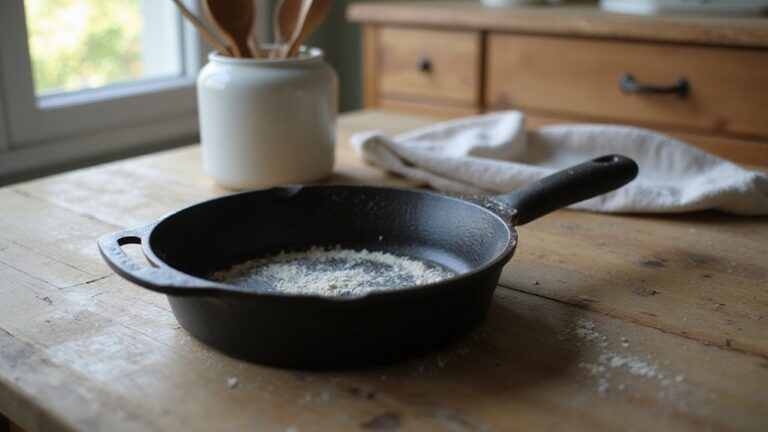
You can season your cast iron skillet on the stovetop or grill without an oven. First, clean and dry your skillet thoroughly, then apply a thin oil layer with a high smoke point—canola or grapeseed oil work best. On the stovetop, heat over medium until light smoke appears, then reduce to low for 15-20 minutes. For grilling, preheat to 400-500°F and bake the oiled skillet upside down for about an hour. Wipe away excess oil, and you’ll develop a durable, non-stick patina. The specific techniques and maintenance strategies for each method reveal surprising details.
Preparation Steps
You’ll need to start by thoroughly cleaning your cast iron skillet to remove dirt, rust, and old seasoning. Use a scrubber or steel wool with warm water and mild soap, then rinse completely. For stubborn particles, apply coarse salt as an abrasive scrub before rinsing. Applying a thin coat of oil after cleaning helps maintain and build up the seasoning.
Proper drying methods are critical to prevent rust formation. Wipe all moisture away with a clean towel immediately after washing. Heat the skillet gently on a stovetop burner using low to medium heat to evaporate remaining water, paying special attention to corners and the handle. Avoid air-drying alone, as it encourages rust development. Regular maintenance, including proper storage with separators to allow airflow, helps preserve the skillet’s cooking surface and ensures it remains a durable, reliable tool for generations.
Store your cleaned skillet in a dry location until you’re ready to apply oil. Verify it’s completely cool before proceeding to the seasoning stage.
Oil Selection
Selecting the right oil is fundamental to achieving effective seasoning, as not all oils perform equally when exposed to high heat. You’ll want oils with high smoke points that withstand stovetop temperatures without breaking down. Organic canola oil serves as your reliable default—it’s neutral-flavored and creates a slick non-stick surface. Grapeseed oil offers similar benefits with added versatility. For superior durability, flaxseed oil excels during the polymerization process, forming harder, more durable layers, though it requires careful temperature control. Interestingly, beef tallow is another excellent option as it is natural and heat-stable, providing a durable non-stick surface. Avoid low smoke point oils like extra virgin olive oil and butter, as they degrade unevenly and create sticky residues. You’ll maximize oil benefits by applying multiple thin coats, allowing each layer to properly adhere before adding the next. Additionally, proper seasoning helps prevent iron leaching into food while cooking with acidic ingredients.

Mild and Easy: Grapeseed Oil is at its best in stir-fries and sautés; it doesn't overwhelm other ingredients and lets fresh flavors shine. When grilling or frying, it is a must-have in the pantry.

Light Buttery Flavor That Elevates Every Meal: Algae Cooking Club Chef-Grade Algae Oil enhances every dish with subtle richness. Its neutral profile makes it ideal for searing, baking, and dressings, transforming everyday meals into gourmet experiences.
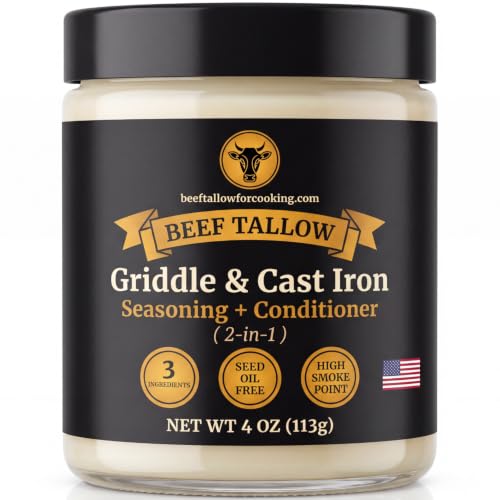
THE SEED OIL FREE FORMULA — Golden Render is the world's first seed oil free, tallow-based griddle seasoning & cast iron conditioner. While others use soy, shortening, grapeseed, sunflower or canola, we use just 3 clean ingredients: beef tallow, avocado oil & beeswax.
Oil Application
Proper oil application transforms your cast iron skillet from bare metal into a seasoned cooking surface, and it requires precision at every step. You’ll apply only a thin layer using lint-free cloths, guaranteeing complete coverage across all surfaces—cooking surface, sides, bottom, and handle. Work oil into corners and textured areas using circular motions with gentle pressure. After application, wipe away excess oil thoroughly, leaving barely a visible film. Thin layers polymerize better than thick ones, creating a harder, more durable finish. Multiple thin coats prove more effective than single thick applications. Check under light for missed spots and reapply as needed. This methodical approach using proper application techniques with quality oil types guarantees even seasoning and prevents rust spots while avoiding gummy or flaky surfaces. Regular cooking with oil further develops and strengthens the seasoning, ensuring long-lasting performance. Additionally, proper drying of your skillet before applying oil is essential to maintain its integrity and prevent rust.
Stovetop Seasoning Process
Once you’ve applied a thin, even coat of oil to your skillet, the stovetop method activates the seasoning through controlled heat. Continue heating over medium flame until the oil begins to smoke lightly—typically 2-5 minutes depending on your burner strength. This smoking indicates the oil’s reaching its smoke point and beginning to polymerize. Reduce heat to the lowest setting that maintains consistent, light smoke. Let your skillet remain undisturbed for 15-20 minutes, allowing the oil to penetrate and bond with the cast iron surface. As you monitor the skillet temperature carefully, you may find that techniques used in Dutch oven cooking also emphasize the importance of even heat distribution. You’ll notice the surface developing a dark, glossy appearance. Avoid thick, acrid smoke or excessive heat, which can damage your seasoning layer. This methodical heating technique builds durable, non-stick protection. Parchment paper can also be used as a helpful tool in preparing your skillet for cooking.

YOUR NEW GO-TO SEASONING SPRAY: The Lodge Seasoning Spray is the perfect seasoning spray to maintain your cast iron cookware. It is made of 100% canola oil - no additives or propellants, to protect your cookware and enhance its finish.

Use on cast iron skillets, dutch ovens, and carbon steel cookware to build seasoning and protect from rust
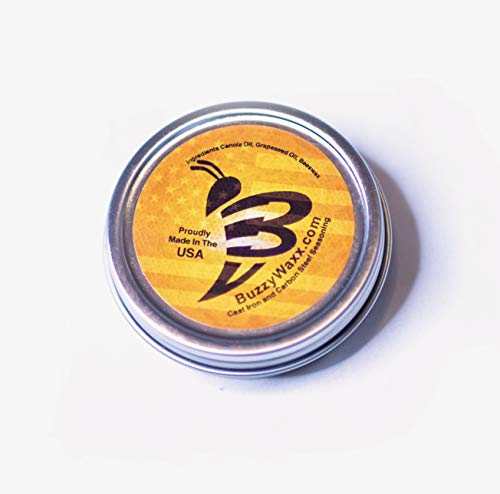
PREMIUM CAST IRON SEASONING WAX: BuzzyWaxx Original Blend is crafted from a harmonious blend of canola oil, grapeseed oil, and beeswax sourced from local North Carolina beekeepers. This food-safe, all-natural formula expertly seasons and conditions your cast iron skillets, carbon steel pans, Dutch ovens, and cookware — creating an unparalleled non-stick surface.
Grill Seasoning Alternative
While the stovetop method works well for quick touch-ups, you’ll find that grill seasoning offers a compelling alternative when you’re looking to avoid indoor smoke or need to free up your oven space. Preheat your grill to 400-500°F, then place your oiled skillet upside down on the grates with a drip pan underneath. Position the grill temperature consistently high throughout the process. Let the skillet bake for approximately one hour to allow proper oil polymerization. The seasoning benefits include achieving a smooth, durable patina comparable to oven methods while keeping odors outdoors. You’ll appreciate the hands-off approach once the skillet’s positioned. This technique works effectively for both new and weathered skillets requiring restoration or enhancement. Additionally, ensure the grill maintains a stable temperature, as temperature accuracy is crucial for optimal seasoning results. Using this method, you can achieve a self-contained steam chamber effect that can enhance the seasoning process and overall cooking performance of your skillet.

TLC for your griddle cooktop: All you need to build a slick, easy-release surface that's protected from rust and easy to work with using Blackstone griddle seasoning and cast iron conditioner

Complete Care System: The Lodge Cast Iron Care Kit combines everyday cleaning and maintenance essentials into one convenient set designed to help support long-lasting cast iron care

【COMPLETE CLEAN + CARE SYSTEM】 One kit takes cast iron from dirty to ready for the next meal. The 260g cast iron cleaner tackles everyday cooking messes, the sponge adds scrubbing power, and the 50g cast iron seasoning wax finishes the routine by conditioning the surface once the cookware is dry. A complete cast iron cleaning kit and cast iron care kit for skillets, griddles, Dutch ovens, woks, and grill pans.
Maintenance and Storage
After you’ve invested time in seasoning your cast iron skillet, maintaining that protective layer requires consistent post-use care and thoughtful storage practices. Store your skillet in a dry location away from humidity to prioritize rust prevention. Place paper towels between stacked pans to prevent scratching and absorb excess moisture. Keep the lid off or slightly ajar during storage to guarantee proper air circulation. Additionally, using kosher salt to scrub the skillet after use can help remove food particles without damaging the seasoning.
For moisture control, wipe your skillet with oil periodically during inactive periods. If rust appears, scrub gently with coarse salt or a chainmail scrubber, then immediately re-oil and heat the pan. Avoid storing cast iron in damp cabinets or near sinks where environmental moisture accelerates corrosion. Regular maintenance cycles combining cleaning, drying, oiling, and heating extend your skillet’s lifespan notably, as proper care ensures durability and optimal cooking performance.
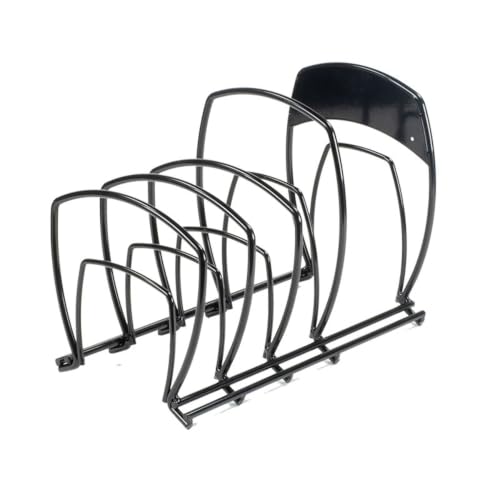
Vertical Cookware Holder: The Lodge Cookware organizer declutters cabinets and countertops with a compact, multi-tier design
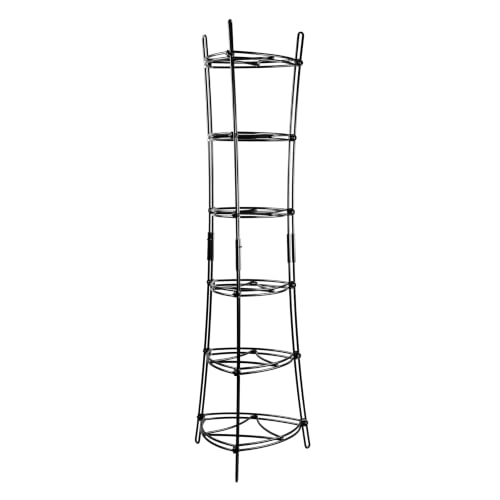
Vertical Cookware Holder: The Lodge Cookware Storage Tower declutters cabinets and countertops with a compact, multi-tier design

KEEP YOUR KITCHEN ORGANIZED: A tidy kitchen is a happy kitchen - that’s why with our pan organizer, you’ll be on your way to sheer bliss by keeping all your pots and pans neatly organized at all times!
Tips for Long-Term Care
To keep your cast iron skillet performing at its best, you’ll need to establish a consistent routine that addresses cleaning, seasoning, and rust prevention in one integrated process. Your cleaning techniques should emphasize immediate drying with heat to eliminate all moisture. Store your skillet in a dry, well-ventilated space, applying a light oil coat before extended storage periods. Using a low flame when roasting marshmallows can also prevent accidental burns on your skillet’s surface. Check regularly for rust signs and address them immediately through scrubbing and reseasoning. Between uses, maintain the seasoning layer with thin oil applications heated until smoking begins. This systematic approach prevents deterioration while preserving the skillet’s non-stick properties. Additionally, using light olive oil for seasoning helps to achieve a successful bond due to its higher smoke point. Consistency matters more than intensity—regular maintenance prevents major issues and extends your skillet’s lifespan indefinitely.