You can’t use any plastic bag with a vacuum sealer. Your bags must match your sealer’s technology—embossed bags work with suction models, while flat bags won’t remove air effectively. You’ll need FDA-approved, food-grade, BPA-free materials that meet 21 CFR Part 177 standards. Incompatible bags risk weak seals, oxygen infiltration, bacterial growth, and equipment damage. Verify bag compatibility with your specific machine before purchasing. Understanding what makes bags effective reveals critical factors for successful food storage.
Why Vacuum Sealer Bags Are Specifically Designed
Vacuum sealer bags are specifically designed for precision engineering—not coincidence—distinguishing them from ordinary plastic storage bags. You’re dealing with multilayer films specifically designed to maintain seal integrity under demanding conditions. These bags feature embossed channels or smooth surfaces tailored to your equipment type, ensuring efficient air removal and consistent sealing quality.
Vacuum bag features include high oxygen and moisture barriers that ordinary bags simply can’t provide. The specialized layering of polyamide, polyethylene, and nylon creates low oxygen transfer rates, preserving food freshness far longer than conventional storage. Enhanced heat penetration from embossing strengthens seals, preventing leaks that compromise food safety. This sealing technique effectively extends shelf life by minimizing the risk of spoilage.
You’ll also benefit from materials engineered to withstand freezing, boiling, microwaving, and sous vide temperatures without cracking or losing structural integrity. This durability, combined with FDA-compliant, BPA-free compositions, protects both your food and your health. Furthermore, using vacuum seal bags can help extend shelf life by slowing oxidation and preventing bacteria growth, providing a vital advantage over regular plastic bags.

ECONOMICAL & & TIME SAVING: Total 150 count Bonsenkitchen 20 Gallon 11" x 16"+ 80 Quart 8" x 12"+ 50 Pint 6" x 10" vacuum sealer bags are different sizes of packaging, meet your different usage needs. Vacuum bags are pre-cut and ready-to-use, saving you time whenever you’re preserving leftovers, preparing make-ahead meals, and portioning bulk items in the freezer.Just pull out and use, no need to cut, no need to seal one side before putting food in
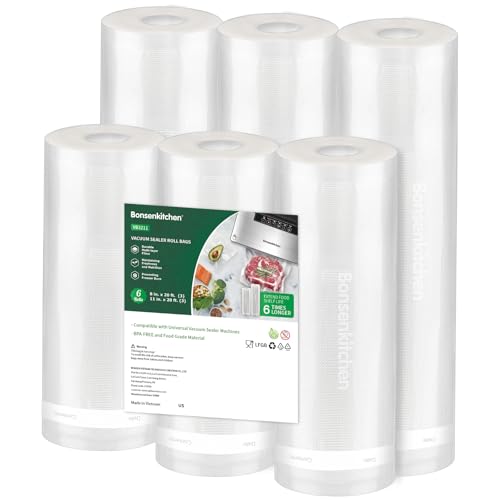
BPA FREE: Bonsenkitchen vacuum food sealer roll bags can be microwaved, frozen, re-used, washed, boiled and dishwasher safe. Allows you to precisely control your cooking temperature to achieve perfect results. You can cook sous vide in Bonsenkitchen bags by placing them in water at any temperature up to 230°F/110°C
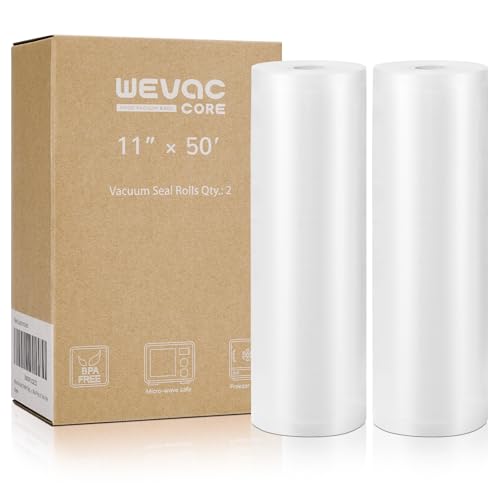
HEAVY DUTY AND PUNCTURE PREVENTION - 2 pack of 11 inch by 50 feet rolls with embossed channels to increase suction, keep fresh without freezer burn or dehydration
Understanding Bag Types and Their Performance Differences
While ordinary plastic bags might seem interchangeable with vacuum sealer bags, you’ll quickly realize that bag design fundamentally affects your sealing results. Embossed bags feature textured channels that enhance sealing efficiency by directing air extraction systematically during the vacuum process. Flat bags lack this texture, resulting in incomplete air removal and increased spoilage risk.
Bag texture directly impacts durability too. Embossed designs provide superior puncture resistance, protecting contents during long-term storage and handling. Flat bags offer minimal protection against punctures and leaks.
Material thickness compounds these differences. Thicker, embossed bags withstand freezer conditions better while maintaining structural integrity. You’ll also notice compatibility variations—embossed bags work reliably across multiple vacuum sealer brands, whereas flat bags often prove incompatible with domestic sealers, compromising both performance and machine safety. Additionally, similar to the importance of sealing efficiency, effective vacuum sealing is crucial for prolonging food freshness and preventing freezer burn.

Safe Materials and Versatile Cooking Options: BPA Free - Sous Vide - Boil in the bag - Microwave friendly **ALWAYS PUNCTURE BAG BEFORE USING IN THE MICROWAVE** - Made of Food Grade PA/PE - BPA and Phthalate Free

VACUUM SEALER BAGS ROLLS: 8"x20' 2 rolls, XinBaoLong Food Saver Bags Rolls, Commercial Grade, Heavy Duty, BPA Free for Vac Storage, ,Kitchen Accessories

VACUUM SEALER BAGS ROLLS: 8"x20' 3rolls+11"x20' 3rolls, XinBaoLong Food Saver Bags Rolls, Commercial Grade, Heavy Duty, BPA Free for Vac Storage, Kitchen Gadgets, Kitchen Accessories
Food Safety Standards and Material Composition
Because vacuum sealing creates an anaerobic environment that fundamentally alters food preservation dynamics, you’ll need to understand the regulatory frameworks and material requirements that govern safe food packaging. FDA regulation 21 CFR Part 177 establishes strict requirements for polymers used in food contact applications. Your material composition choices directly impact food safety outcomes. You must source bags rated for food contact from reputable suppliers meeting FDA compliance standards. High-grade, BPA-free plastics eliminate chemical leaching risks, particularly important during extended storage when temperature fluctuations accelerate migration. You should avoid standard plastic bags that lack proper food-safety certification. Thicker, high-barrier films restrict gas passage more effectively than inferior materials, providing superior protection against pathogenic bacteria growth in anaerobic conditions.
Risks of Using Incompatible Plastic Bags
When you use plastic bags unsuitable for vacuum sealing, you’ll encounter multiple failure modes that directly compromise food preservation and safety. Incompatible bags create weak or broken seals that allow oxygen infiltration, accelerating spoilage and freezer burn. Non-food-grade plastics leach harmful chemicals into your food, particularly during heating. Poor seal integrity enables microbial proliferation, including dangerous anaerobic bacteria like Clostridium botulinum, which thrives in oxygen-depleted environments. Bags lacking mesh lining prevent proper air extraction in suction machines, resulting in inadequate vacuum quality. Pressure fluctuations during transport cause leaks that introduce contamination. Additionally, unsuitable materials may damage your equipment’s seal wires and Teflon tape, increasing maintenance costs while offering no preservation benefit. It is essential to use food-safe materials to mitigate risks associated with bacterial growth during vacuum sealing.

Made in USA: Proudly manufactured in the United States

Customizable Length: Cut the roll to suit your specific storage needs

Compatible with All Desktop Vacuum Sealers: These vacuum sealer bags are designed to work with all traditional desktop vacuum sealer machines. Simple to operate and convenient to use. (Note: These bags do not feature an air valve and are not compatible with handheld vacuum sealers.)
Choosing the Right Bag for Your Vacuum Sealer Model
Since vacuum sealer bags aren’t universally compatible across brands, you’ll need to verify which bags work with your specific machine before purchasing. Your bag selection tips should prioritize consulting your manufacturer’s compatibility guide or approved bag list.
Match bag type to your sealer’s technology: embossed bags suit suction models, while zipper valve bags work with handheld devices. Consider machine specifications like maximum bag width and thickness capacity—heavier-duty sealers handle thicker materials, whereas lighter models require thinner bags. Using the correct bags ensures that your food stays protected from bacterial and mold growth, extending its freshness significantly.
For sealer compatibility, evaluate whether you need pre-cut bags for convenience or rolls for customization. Prioritize food-grade, BPA-free, FDA-approved bags with multi-layer construction for ideal durability and vacuum performance. This targeted approach prevents sealing failures and machine damage while maximizing food preservation effectiveness. Additionally, using the correct bags can help extend your food’s shelf life significantly compared to conventional storage methods.
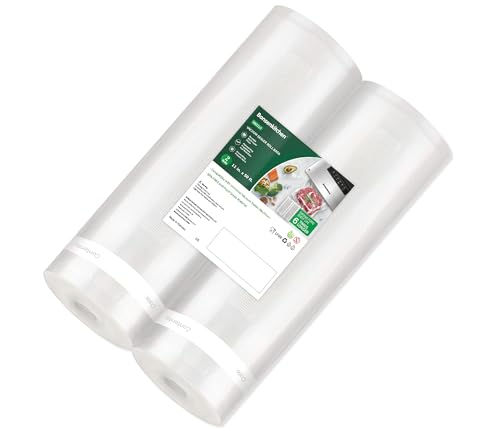
Keep Food Fresh For Longer: Bonsenkitchen food storage saver vacuum sealer roll bags smooth & textured double sides design with patented suction channel removes air from bags, preventing oxidation and spoilage to increase storage time and maintain taste of food. Lock Freshness, Nutrition and flavor.

HEAVY DUTY AND PUNCTURE PREVENTION - 200 pack of 6 by 10 inch precut bags with embossed channels to increase suction, with a box for storage, keep fresh without freezer burn or dehydration

Multilayer Design: Ensures an airtight seal, extending freshness and locking in flavors.
Environmental and Cost-Effective Bag Options
As you evaluate vacuum sealer bags beyond basic compatibility, you’ll find that environmental impact and cost considerations greatly influence your purchasing decisions. Bulk rolls offer significant cost savings compared to pre-cut alternatives, while reusable silicone bags eliminate recurring purchases despite higher initial investment. Compostable bags provide sustainable alternatives, though they cost more upfront than conventional polyethylene or polyamide options. You’ll notice that thicker bags—typically 4 or 5 mil—extend product usability and reduce food waste, delivering indirect environmental benefits. For instance, vacuum sealing prevents freezer burn and locks in flavor, ensuring that preserved items maintain their quality over time. Generic store brands may seem economical but compromise durability and shelf life. For maximum efficiency, consider vacuum seal rolls that allow custom sizing, minimizing wasted material. This approach balances your budget constraints with environmental responsibility. Additionally, using specialized vacuum sealers ensures proper sealing and food safety, extending the storage life of your food.

Platinum Food-Grade Silicone Food Storage Bags, 4-Pack: Vacuum sealer bags made from premium platinum food-grade silicone,BPA-free and leak-free. Includes 2 small bags, 7.9 × 7.9 in(1 L / 34 fl oz)and 2 large bags, 7.9 × 13.8 in(2 L / 68 fl oz) for everyday food storage and meal prep
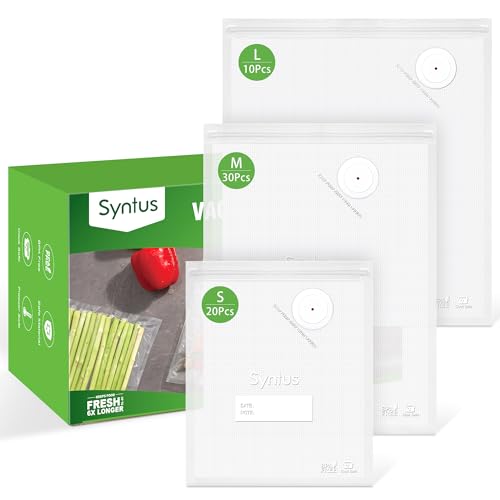
Package Contents: This set includes 60 vacuum zipper bags in three practical sizes: 20 pieces of 8" x 10", 30 pieces of 10" x 13.8", and 10 pieces of 11.8" x 13.8".Crafted from BPA-free materials, these bags are safe for food storage and suitable for use in microwaves, cabinets, refrigerators, freezers, and sous vide cooking. Designed for strength, the bags feature a smooth side (up to 3.15 mil thick) and a textured dotted side (up to 3.95 mil thick), providing sturdy protection against punctures from sharp items like bones.

【42 PCS Food Vacuum Sealer Set, Use for Home /Restaurant /SuperMarket】Kosbon 42 PCS Sous Vide Vacuum Sealer Set - 30 Reusable Bags, 5 Clips and Sealing Clips for Anova, Joule Cookers.