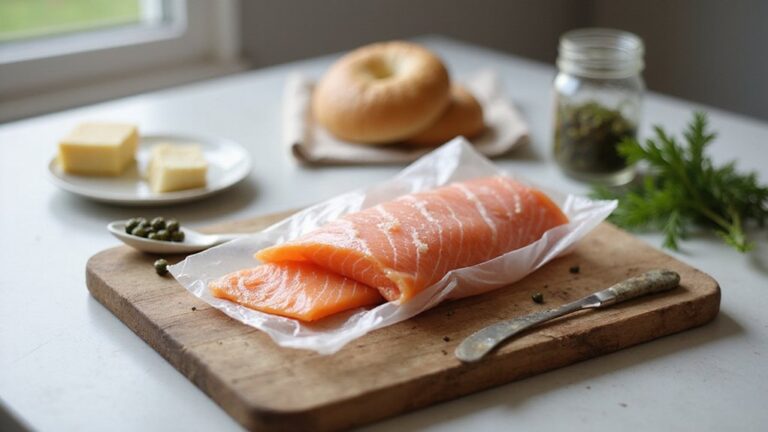
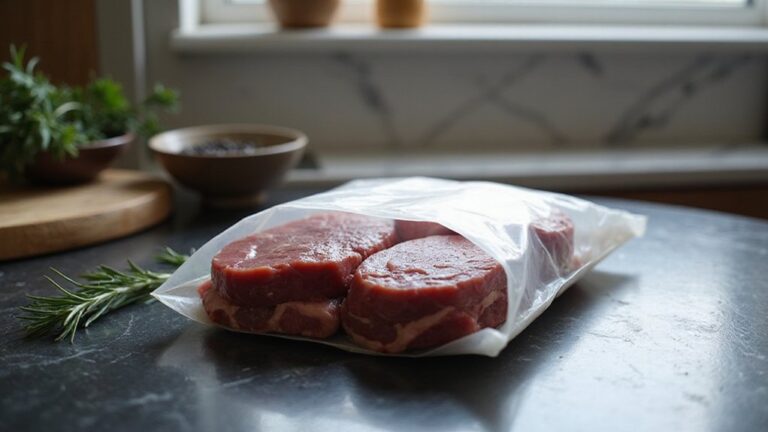
You’ll dramatically extend your food’s shelf life by removing oxygen and moisture with vacuum seal bags. Seal meats frozen for up to three years and dry goods for one to two years. Remove air completely to prevent freezer burn, preserve nutrients like vitamin C up to 90%, and reduce flavor loss by 70%. Stack flattened bags efficiently in any storage space. Maintain proper hygiene, inspect seals within 24 hours, and store perishables at 41°F or below. There’s much more you should know about maximizing these storage techniques.
Benefits of Extended Shelf Life
When you remove oxygen from food packaging, you’re creating an anaerobic environment that fundamentally halts the microbial processes responsible for spoilage. Vacuum sealing extends your food’s shelf life by three to five times compared to conventional storage methods. Meats remain frozen-fresh for up to three years, while dry goods like rice stay viable for one to two years in your pantry. This dramatic extension directly translates to cost savings and reduced waste. You’ll discard considerably less spoiled food, lowering your disposal frequency and grocery expenses. Bulk purchases become practical investments since you can safely store items for extended periods. By preventing bacterial growth and oxidation simultaneously, vacuum sealing protects your investment while minimizing environmental impact through sustainable resource conservation. Additionally, vacuum sealed meats can last 2 to 3 years in the freezer, providing an excellent option for long-term storage of frozen meats. Moreover, vacuum sealing helps preserve flavors, nutrients, and textures, enhancing the overall quality of your stored foods.

VACUUM SEALER BAGS ROLLS: 8"x20' 3rolls+11"x20' 3rolls, XinBaoLong Food Saver Bags Rolls, Commercial Grade, Heavy Duty, BPA Free for Vac Storage, Kitchen Gadgets, Kitchen Accessories

110 Precut Bags: Each 8 x 12 inch bag is ready to fill and seal, reducing the measuring and cutting required when using bag rolls

HEAVY DUTY AND PUNCTURE PREVENTION - 2 pack of 8 inch by 50 feet rolls with embossed channels to increase suction, keep fresh without freezer burn or dehydration
Prevention of Freezer Burn and Dehydration
Because oxygen and moisture loss are the primary culprits behind freezer burn and food degradation, vacuum sealing directly addresses both issues simultaneously. You’ll remove oxygen from the storage environment, which prevents ice crystal formation on food surfaces and inhibits oxidation that causes rancidity and off-flavors. This oxygen elimination helps your food retain its original color and flavor profile, significantly improving the quality and longevity of your food.
Moisture retention is equally critical. You trap moisture inside the bag, preventing dehydration that compromises texture and juiciness in meats, fruits, and vegetables. Your foods remain plump rather than shriveled, maintaining their weight and volume throughout storage.
For proper sealing, wipe the sealing edge clean before activation, verify full air removal, and inspect the seal for leaks afterward. Using the correct vacuum setting for your food type—whether dry, moist, or liquid—maximizes protection against freezer burn. Additionally, vacuum sealing extends shelf life, significantly improving the quality and longevity of frozen foods when combined with proper storage practices.

Easy Use Design: No scissors required for these bags. Just align to seal and tear to open.

Compatible with All Desktop Vacuum Sealers: These vacuum sealer bags are designed to work with all traditional desktop vacuum sealer machines. Simple to operate and convenient to use. (Note: These bags do not feature an air valve and are not compatible with handheld vacuum sealers.)
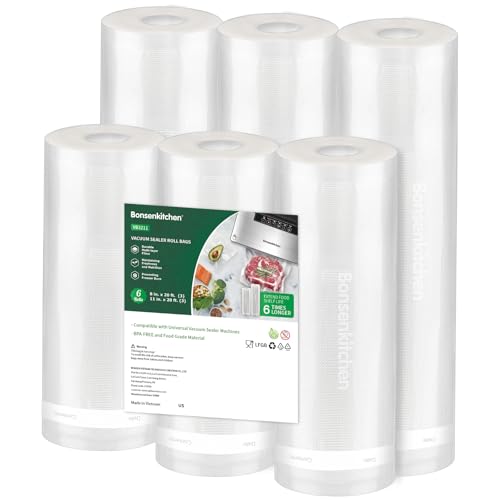
BPA FREE: Bonsenkitchen vacuum food sealer roll bags can be microwaved, frozen, re-used, washed, boiled and dishwasher safe. Allows you to precisely control your cooking temperature to achieve perfect results. You can cook sous vide in Bonsenkitchen bags by placing them in water at any temperature up to 230°F/110°C
Space-Saving and Organization Benefits
Beyond protecting your food’s quality, vacuum seal bags offer remarkable practical advantages that transform how you organize and manage your kitchen storage. You’ll dramatically reduce volume by removing air, enabling compact arrangements that maximize your freezer and refrigerator space. These uniformly flattened bags stack efficiently, facilitating systematic organization and inventory management. Clear bags let you quickly identify contents without rummaging, while labels help you track dates and rotation schedules effectively. You can portion bulk purchases into meal-sized packs, achieving clutter reduction while supporting cost-effective shopping habits. The flexibility of vacuum-sealed storage adapts to various environments—freezers, refrigerators, pantries—without requiring additional containers. This consolidated approach minimizes food waste, streamlines meal planning, and transforms chaotic storage into an orderly, accessible system that saves both space and money. In addition, vacuum sealing helps to extend food freshness by locking out air and moisture, further enhancing your storage efficiency. Interestingly, vacuum sealing can extend shelf life significantly, with frozen items lasting 2 to 3 years on average.

Jumbo (39.35" x 27.55") Vacuum Storage Bags 7 Pack

[Maximize Storage Space by 80%] Unlock unparalleled space-saving with our premium vacuum storage bags, meticulously designed to shrink your clothes and bedding items like duvets, pillows, and comforters down to 20% of their original size. Ideal for both room organization and maximizing suitcase space, these bags transform cluttered areas into tidy, spacious zones, making them essential for vacuum seal bags for clothing.

Store away blankets, comforters, clothes, pillows and more at a size reduction.
Preservation of Nutritional Value, Flavor, and Taste
While vacuum seal bags excel at organizing your freezer, they’re equally impressive at preserving what matters most—the nutritional integrity and sensory qualities of your food. By eliminating oxygen exposure, you greatly slow nutrient degradation. Vacuum sealed vegetables retain up to 90% of their vitamin C content after weeks, compared to 50–60% with conventional storage. This airtight environment prevents oxidation, protecting essential fatty acids and antioxidants in nuts and seeds. Additionally, using specifically designed vacuum sealer bags enhances the effectiveness of the sealing process and ensures the longevity of food preservation. Vacuum sealing significantly prolongs shelf life by reducing microbial growth, thus enhancing food safety and quality.
Your flavor preservation improves dramatically too. Volatile compounds and aromatic oils remain trapped within the seal, maintaining original taste profiles while reducing oxidation-related flavor loss by up to 70%. Vacuum sealing also prevents freezer burn and off-flavor development from unwanted chemical reactions. You’ll notice immediate culinary improvements—foods taste fresher and retain their intended sensory characteristics for extended periods.

Customizable Length: Cut the roll to suit your specific storage needs
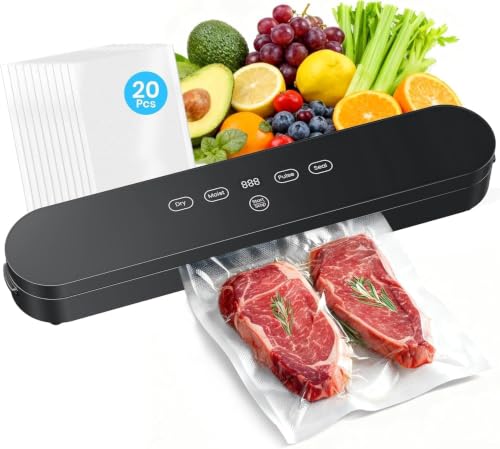
Powerful Suction: 100W power & 75kPa strong suction seals tightly in 10-20 seconds. The food vacuum sealer machine keeps food fresh up to 8x longer vs traditional storage. Really helps you to save time and food
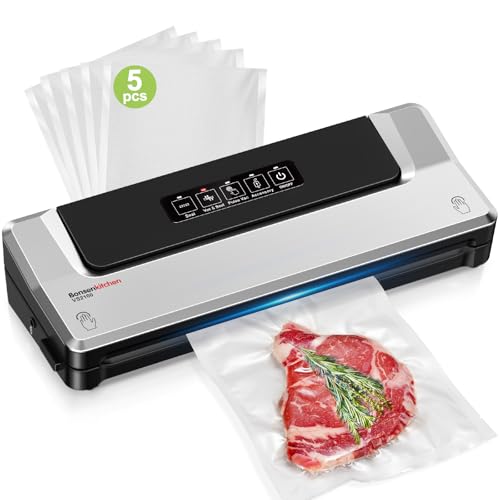
4 Modes : 'Vac & Seal' - one-touch automatic vacuum and seal, perfect for food that does not deform easily, such as meat, nuts, and vegetables; 'Pulse Vac' - manually control the vacuum process, suitable for soft food or moist food, such as bread or food with soup; 'Seal' - only seal, for potato chip bags; 'Accessory' - designed for vacuuming jars or sous vide bags
Safe Storage Practices and Risk Mitigation
Vacuum sealing preserves your food’s nutritional and sensory qualities, but you’ll need to follow proper safety protocols to prevent foodborne illness and spoilage. Maintain rigorous hygiene practices by sanitizing utensils, cutting boards, and counters before handling perishable foods. Implement contamination control by washing hands thoroughly and avoiding direct food contact. Inspect packaging integrity within 24 hours of sealing, ensuring complete seals without debris. Store vacuum-sealed low-acid foods at 41°F or below immediately, as the reduced oxygen environment promotes anaerobic pathogens like Clostridium botulinum. To ensure high quality in food storage, it’s essential to understand steam generation techniques utilized in baking that create optimal conditions for food preservation. Never leave perishable foods above 40°F for more than two hours total. Thaw frozen items in your refrigerator rather than at room temperature. Use BPA-free, high-barrier films for ideal protection. Recognize that effective sealing techniques and strict temperature management are essential safeguards against microbial growth. Additionally, just as one must ensure proper packaging integrity when vacuum sealing, it is also critical to check for any potential risks when using heavy cookware on sensitive surfaces like glass top stoves.

【BPA FREE】Bonsenkitchen food sealer pint 6" x 10" bags can be microwaved, frozen, re-used, washed, boiled and dishwasher safe. Allows you to precisely control your cooking temperature to achieve perfect results. You can cook sous vide in Bonsenkitchen bags by placing them in water at any temperature up to 195°F/90°C

VACUUM SEALER BAGS ROLLS: 8"x20' 2 rolls, XinBaoLong Food Saver Bags Rolls, Commercial Grade, Heavy Duty, BPA Free for Vac Storage, ,Kitchen Accessories

Effortless and Precise Cutting: The 11-inch x 150-feet vacuum sealer rolls include a cutter for maximum convenience. Simply mount the cutter onto the box, pull a portion of the roll through the top opening, and easily customize the size you need. This can ensure smooth, even and straight cuts, significantly faster and more accurate than using scissors, making the process simpler and saving your time.