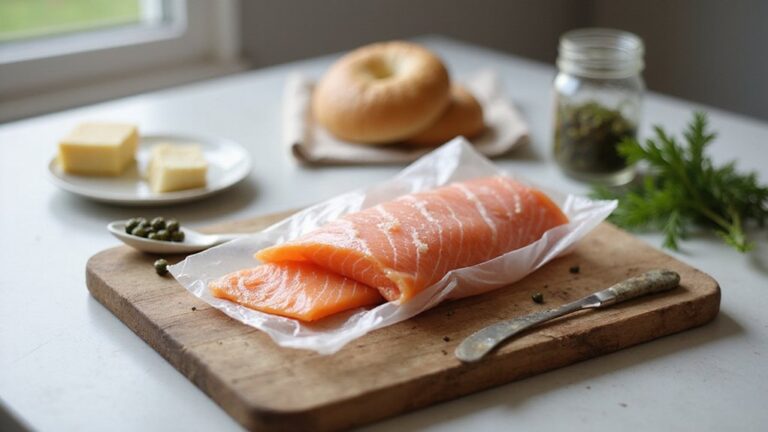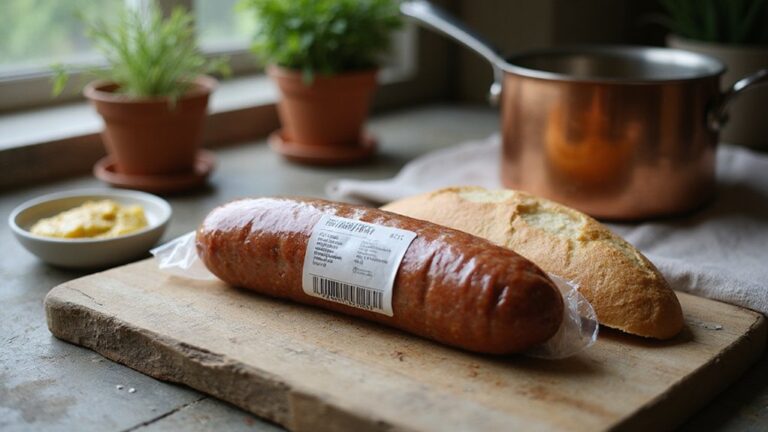
You can extend your food’s shelf life by 3–5 times with vacuum sealing compared to conventional storage. Frozen vacuum-sealed beef and poultry last 2–3 years, while refrigerated raw chicken stays fresh 4–5 days. Fish maintains quality for 1–2 years frozen, and cooked meats last 2–3 weeks refrigerated or up to 6 months frozen. Success depends on seal integrity, consistent temperature control below 40°F refrigerated or 0°F frozen, and initial food freshness. Understanding the specific timeframes for each food category reveals substantial optimization opportunities.
Understanding How Vacuum Sealing Works
Vacuum sealing works through five core mechanisms that together greatly extend food shelf life. First, you remove oxygen using specialized machines that suction air from bags, creating anaerobic conditions. Second, heat seals the packaging airtight, preventing oxygen reentry. Third, the pressure difference compresses packages tightly around food, eliminating air pockets. Fourth, moisture gets trapped inside, maintaining texture while preventing freezer burn. Fifth, this sealed barrier blocks external contaminants and environmental pathogens. Additionally, vacuum sealing helps reduce food waste by preserving items longer than traditional methods.
The anaerobic benefits are substantial. Without oxygen, aerobic bacteria, molds, and yeasts can’t proliferate. Simultaneously, oxidation processes that cause rancidity and nutrient degradation halt considerably. These vacuum mechanics work synergistically, slowing spoilage greatly and extending shelf life by 3-5 times compared to traditional storage methods. Additionally, vacuum-sealed food can retain its nutritional value and flavor for much longer periods than conventionally stored items.
Freezer Storage Times for Vacuum-Sealed Foods
Now that you understand the mechanics behind vacuum sealing’s preservation power, you’ll want to know exactly how long your sealed foods’ll stay fresh in the freezer. Storage temperature effects greatly determine shelf life longevity. Vacuum-sealed beef and poultry maintain quality for 2–3 years, while fish lasts 1–2 years. Ground meats remain viable for 1–2 years, whereas cooked meats degrade faster at 2–3 months. Hard cheeses withstand 4–8 months of freezing. Blanched vegetables extend to 2–3 years, while fruits manage 1–2 years. Dry goods like rice, pasta, and flour persist 1–2 years. Prepared foods show reduced longevity: soups and stews last 2–3 months, bacon 1–2 months. These vacuum sealing benefits depend on consistent freezer temperatures and proper sealing technique for best preservation.
Refrigerated Storage Duration and Safety Guidelines
While freezer storage extends preservation dramatically, refrigerated storage offers a practical alternative for foods you’ll consume within days or weeks. You must maintain refrigerated temperatures at or below 41°F (5°C) to minimize bacterial growth effectively. Vacuum-sealed raw chicken lasts 4 to 5 days, while cooked chicken extends to 2 weeks—considerably longer than non-sealed equivalents. Vegetables remain fresh up to 2 weeks, and hard cheeses can last 4 to 8 months. Additionally, vacuum sealing extends shelf life by removing oxygen, which slows bacterial growth and oxidation. Before consuming, you should always check for spoilage indicators: off odors, discoloration, or texture changes. You must discard foods exceeding recommended shelf life, regardless of appearance. Proper initial chilling to 34°F (1°C) within 48 hours after sealing is critical. Avoid temperature fluctuations, which accelerate deterioration and increase spoilage risk considerably.
Extending Meat and Protein Shelf Life
Meat and protein products demand particular attention when you’re seeking to maximize storage longevity, as these high-protein foods attract microbial colonization more readily than vegetables or cheeses. You’ll extend refrigerated shelf life remarkably through vacuum sealing—raw meat maintains quality for 1-2 weeks versus 3-5 days unwrapped. For frozen storage, you’ll achieve 1-3 years with vacuum-sealed meat compared to 6-12 months without sealing. Vacuum sealing removes oxygen, inhibiting bacterial growth and preventing freezer burn while preserving protein quality and texture. Maintain consistent temperatures between 2-4°C during refrigeration to optimize meat preservation. Cooked proteins last 2-3 weeks refrigerated or up to 6 months frozen when vacuum-sealed, considerably outperforming conventional storage methods.

VACUUM SEALER BAGS ROLLS: 8"x20' 3rolls+11"x20' 3rolls, XinBaoLong Food Saver Bags Rolls, Commercial Grade, Heavy Duty, BPA Free for Vac Storage, Kitchen Gadgets, Kitchen Accessories
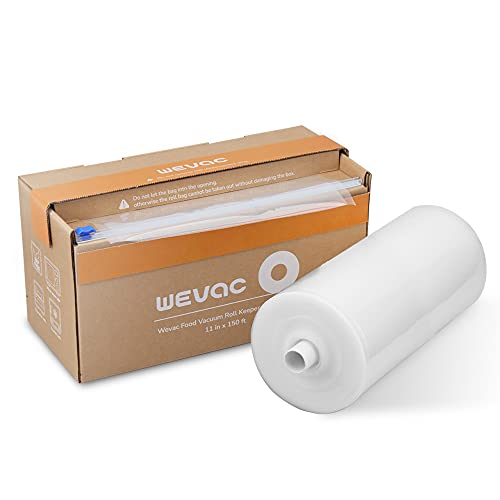
HEAVY DUTY AND PUNCTURE PREVENTION - 1 pack of 11 inch by 150 feet roll with embossed channels to increase suction, with a cutter box for cutting and storage, keep fresh without freezer burn or dehydration

Effortless and Precise Cutting: The 11-inch x 150-feet vacuum sealer rolls include a cutter for maximum convenience. Simply mount the cutter onto the box, pull a portion of the roll through the top opening, and easily customize the size you need. This can ensure smooth, even and straight cuts, significantly faster and more accurate than using scissors, making the process simpler and saving your time.
Preserving Cheese and Dairy Products
Unlike meat and proteins, cheese and dairy products present distinct preservation challenges due to their varying moisture content and microbial susceptibility. You’ll find that different cheese types respond differently to vacuum sealing. Hard cheeses like Cheddar and Parmesan last 4–8 months refrigerated, while fresh varieties like mozzarella and ricotta deteriorate within 1–2 weeks despite vacuum protection.
You should store all vacuum-sealed cheese at 4–8°C, maintaining constant temperature to prevent condensation and spoilage. Once opened, you’ve only days to weeks before quality degrades. Before consuming, you must check for spoilage signs including off-odors, discoloration, and mold growth. Re-wrap opened cheese in airtight packaging rather than re-vacuuming. Understanding your specific cheese types promotes ideal preservation and food safety.

Compatible with All Desktop Vacuum Sealers: These vacuum sealer bags are designed to work with all traditional desktop vacuum sealer machines. Simple to operate and convenient to use. (Note: These bags do not feature an air valve and are not compatible with handheld vacuum sealers.)

【BPA FREE】Bonsenkitchen food sealer pint 6" x 10" bags can be microwaved, frozen, re-used, washed, boiled and dishwasher safe. Allows you to precisely control your cooking temperature to achieve perfect results. You can cook sous vide in Bonsenkitchen bags by placing them in water at any temperature up to 195°F/90°C

Easy Use Design: No scissors required for these bags. Just align to seal and tear to open.
Maximizing Freshness of Vegetables and Fruits
Vegetables and fruits present unique preservation opportunities when you apply vacuum sealing, as these produce types respond distinctly to oxygen reduction and moisture control. You’ll extend refrigerator shelf life considerably—lettuce lasts 5-7 days versus 2-3 days traditionally, while berries stretch to 1-2 weeks from just 1-3 days. Vacuum sealing reduces enzymatic browning and maintains vegetable hydration by limiting moisture loss, preserving texture and color longer. Additionally, vacuum sealing enhances food quality by locking out air and moisture, leading to less spoilage and better taste. Furthermore, using vacuum sealed bags for storage provides an environment that effectively prevents spoilage.
For freezer storage, you can extend shelf life to 1-2 years when combining vacuum sealing with blanching, which inhibits spoilage-causing enzymes. Fresh herb preservation improves dramatically too—sealed herbs last 7-14 days compared to 2-3 days unsealed. Start with high-quality produce, blanch vegetables destined for freezing, and store immediately at proper temperatures to maximize freshness retention.
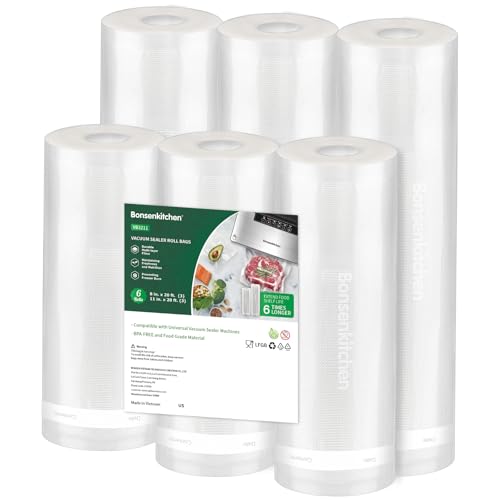
BPA FREE: Bonsenkitchen vacuum food sealer roll bags can be microwaved, frozen, re-used, washed, boiled and dishwasher safe. Allows you to precisely control your cooking temperature to achieve perfect results. You can cook sous vide in Bonsenkitchen bags by placing them in water at any temperature up to 230°F/110°C

Made in USA: Proudly manufactured in the United States
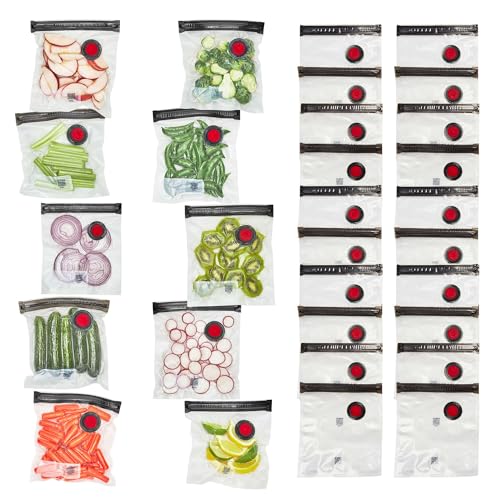
SAVE TIME AND MONEY: keeps food fresh up to five times longer than non-vacuum storage methods
Storing Pantry Items and Dry Goods
While vacuum sealing excels at preserving perishable produce, you’ll reveal equally impressive benefits when you apply the same techniques to your pantry staples and dry goods. Vacuum sealing extends shelf life by three to five times compared to conventional storage methods. Your flour lasts one to two years instead of six months, while rice and pasta maintain quality for similar durations. Ground spices retain potency for up to one year versus six months conventionally. Additionally, vacuum sealing items like green beans can preserve them effectively for long-term storage with maximum freshness. You’ll implement effective dry goods maintenance by reducing air, moisture, and pest exposure through vacuum sealing. Notably, vacuum sealed items can also retain quality significantly longer when frozen, as they are protected from freezer burn. For pantry organization tips, consider freezing vacuum-sealed items for further longevity—flour reaches three years, beans extend to three years. This methodical approach maximizes freshness across all your dry pantry inventory systematically.
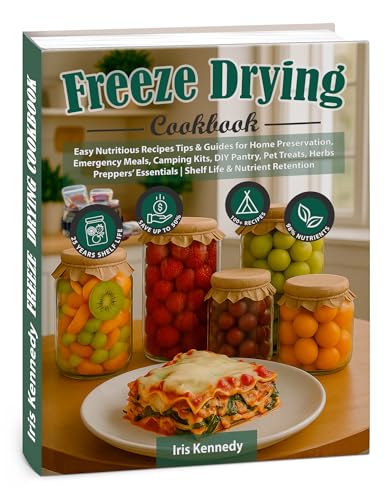

Easily Keep Food Fresh – Store food up to 10× longer than without a vacuum seal! Our intuitive control panel helps you quickly store meats, cheeses, vegetables, and leftovers. Refer to the included manual for details.

Customizable Length: Cut the roll to suit your specific storage needs
Factors That Impact Overall Storage Duration
Several critical variables determine how effectively vacuum sealing preserves your food, and understanding each one helps you optimize storage outcomes. Your seal integrity directly impacts contamination prevention—poor or damaged seals allow air infiltration, accelerating spoilage regardless of initial conditions. Temperature control proves equally essential; maintaining consistent cold storage at or below 40°F (4°C) for refrigerated items or 0°F (-18°C) for frozen goods inhibits bacterial growth. Fluctuations compromise safety and quality considerably. The food’s initial freshness matters substantially—items sealed at peak condition outlast those already deteriorating. Additionally, bacterial growth patterns differ; while vacuum sealing reduces aerobic bacteria requiring oxygen, anaerobic bacteria like Clostridium botulinum can still develop in low-oxygen environments when temperatures aren’t properly maintained. As a result, vacuum-sealed sausages can remain fresh for up to 6–7 days in the refrigerator if proper techniques are followed. Your hygiene practices during handling and pre-sealing preparation ultimately determine your storage success. Effective vacuum sealing also helps extend shelf life by preserving flavor, texture, and nutrients, ensuring that your stored food remains appealing and nutritious for longer periods.
Best Practices for Optimal Results
To maximize the benefits of vacuum sealing, you’ll need to implement systematic practices across equipment selection, food preparation, storage management, and consumption. Select best bag materials featuring low oxygen transmission rates and puncture resistance to maintain seal integrity. Master ideal sealing techniques by leaving 1.5 inches of debris-free space at the bag’s top edge and avoiding fold creases that cause micro-fractures. Pre-cool cooked foods below 5°C within two hours and flash-freeze delicate items before sealing to preserve texture and quality, as properly managed temperatures can significantly inhibit bacterial growth. Label all bags with contents and dates for FIFO inventory management. Store sealed foods exclusively under refrigeration or freezing, never at room temperature. Pierce bags during microwave reheating to prevent pressure buildup and potential safety hazards. Additionally, remember that a low temperature is key to achieving a tender texture in vacuum-sealed foods, similar to how a Dutch oven can enhance the tenderness of a chuck roast.
Comparing Vacuum Sealing to Conventional Storage Methods
When you’re deciding between vacuum sealing and conventional storage methods, you’re fundamentally choosing between two fundamentally different preservation mechanisms. Vacuum sealing removes oxygen, actively slowing oxidation and bacterial growth, while conventional containers rely on passive physical barriers alone.
The vacuum sealing benefits become evident in shelf life extension rates: you’ll achieve 3-5 times longer freshness compared to standard storage’s 1-2 times extension. Cheese exemplifies this conventional methods comparison—vacuum-sealed cheese lasts 4-8 weeks versus 1-2 weeks in regular containers. This is largely due to the ability of vacuum sealing to significantly slow microbial growth, which preserves the integrity of the food.
However, food type matters greatly. You’ll find solid foods like cooked meats perform best with vacuum sealing, while delicate items like berries require conventional rigid containers to prevent crushing. Additionally, using specially designed vacuum sealer bags ensures optimal sealing and prolonged freshness. Strategic combination of both methods yields superior results aligned with your preservation needs.

VACUUM SEALER BAGS ROLLS: 11"x20' 2 rolls - XinBaoLong Food Saver Bags Rolls, Commercial Grade - Heavy Duty, BPA Free for Vac Storage Kitchen Accessories

Works with All Types of Vacuum Sealers: These vacuum sealer bags are designed for matching all vacuum sealer machines. Simple operation, convenient to use.

40PCS reusable vacuum bags, 20PCS large size bags 13.4*10.2 inches and 20PCS small size bags 8.3*8.7 inches, to meet the needs of various kitchen food vacuum storage.