To prevent crushing, you’ll need to freeze your bread for 2–4 hours before sealing, which firms up its structure. Invest in a chamber sealer rather than an external suction model, as it extracts air uniformly without excessive pressure. Slice your bread beforehand and portion it into individual bags with 2–3 inches of headspace. Manually stop the vacuum cycle before complete air removal to maintain a slight cushion. This method preserves texture while extending shelf life up to one year, though mastering additional techniques will optimize your results further.
Freeze Your Bread Before Sealing
Before you vacuum seal bread, you’ll want to freeze it for 2–4 hours to firm up the loaf and make it resistant to compression. This freezing duration guarantees your bread becomes rigid enough to withstand the vacuum process without crushing. You’re aiming for firmness, not brittleness—bread that’s too frozen can break during handling.
Use a freezer-safe tray to freeze slices or whole loaves before sealing. This approach prevents freezer burn and maintains texture preservation throughout storage. Quick transfer from freezer to vacuum sealer bag is critical; it limits thawing and keeps your bread sufficiently firm during sealing. Additionally, pre-freezing allows for better control of vacuum sealing liquids, which is important to maintain quality. In fact, properly prepared and sealed bread can last for months without significant loss of flavor or texture, similar to the recommended practices for vacuum-sealed asparagus storage.
For best outcomes, use your vacuum sealer’s pulse or manual setting to control air removal carefully. This technique prevents excess pressure that could still damage your bread’s structure despite pre-freezing.
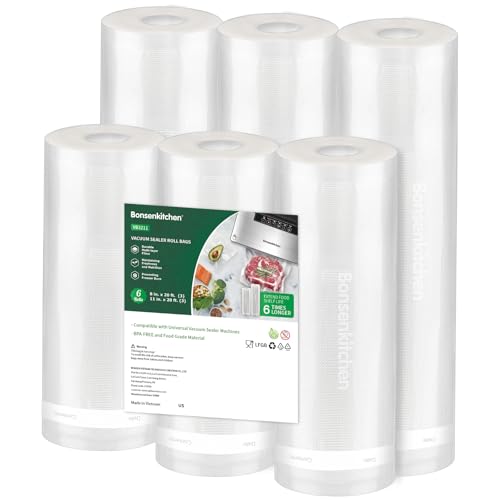
BPA FREE: Bonsenkitchen vacuum food sealer roll bags can be microwaved, frozen, re-used, washed, boiled and dishwasher safe. Allows you to precisely control your cooking temperature to achieve perfect results. You can cook sous vide in Bonsenkitchen bags by placing them in water at any temperature up to 230°F/110°C

Made in USA: Proudly manufactured in the United States

Compatible with All Desktop Vacuum Sealers: These vacuum sealer bags are designed to work with all traditional desktop vacuum sealer machines. Simple to operate and convenient to use. (Note: These bags do not feature an air valve and are not compatible with handheld vacuum sealers.)
Select the Right Vacuum Sealer Type
Your vacuum sealer type greatly impacts whether your bread remains fluffy or gets crushed during the sealing process. Chamber sealers enclose your entire bag and product in a chamber, extracting air uniformly and equalizing pressure. This gentle approach prevents crushing delicate bread. The sealing cycle typically completes in 35-60 seconds, reducing exposure to damaging pressure.
External suction sealers draw air from the bag’s open end, creating a pressure differential that risks crushing soft bread. While more affordable and compact, they’re less suitable for fragile items unless you use a gentle mode or pre-freeze your bread.
For ideal bread preservation, choose chamber sealers with adjustable vacuum settings. Look for models featuring a “soft food” mode specifically designed for baked goods. Chamber construction offers professional-grade durability and superior freezer burn prevention during long-term storage.
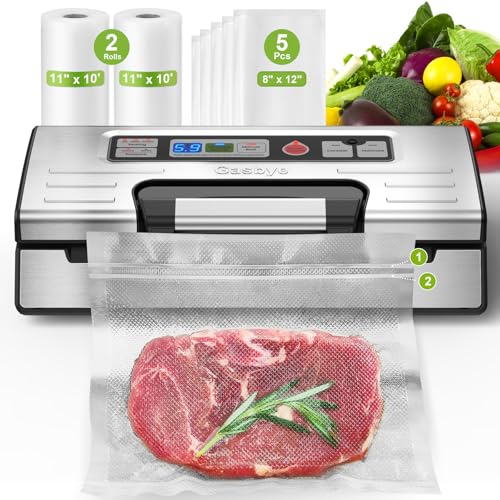
[95kPa Powerful Suction + Pulse Mode Control] Use Auto Vac & Seal for one-touch everyday sealing—powerful 95kPa suction delivers consistent vacuuming and tight seals. Use Pulse Mode for gentle, step-by-step control. It’s ideal for delicate foods to help prevent crushing, and for moist foods to help keep liquids in the bag—for cleaner, more reliable seals

80kpa Suction Power - Updated vacuum sealer uses a DC motor pump with electromagnetic perm and pure copper core to enhance its suction power. It sucks all air out tightly to preserve your meat and vegetables for 10 times longer or more to prevent oxidation.

KEEP FOOD FRESHER & SAVE MONEY: The POTANE VS2690 vacuum sealers use enhanced heating wires and brushless motor. While other barginbrands use small heating wires and cheaper motor, That's why we ensure a 2-year no-hassle return guarantee and 5-year warranty, save your money by choosing a trustworthy machine.
Choose High-Quality Vacuum Seal Bags
Since the vacuum sealer you’ve selected will only perform at its best with compatible bags, you’ll want to invest in high-quality vacuum seal bags specifically designed for bread preservation. Look for bags made with durable polyethylene and nylon layers that provide reliable airtight protection. Prioritize bag thickness—thicker bags resist punctures and maintain seal strength better than standard options, preserving vacuum integrity throughout storage. Choose food-grade, BPA-free materials to guarantee safe contact with your bread. Select bags with printed size indicators to prevent overfilling, which reduces crushing risk. Double-zipper seals or color-coded indicators enhance airtightness and confirm proper closure. Ascertain compatibility with your vacuum sealer brand. Consider reusable options to minimize waste while maintaining consistent seal strength across multiple uses.


MULTIPURPOSE, REUSABLE BAGS: These BPA-free, multilayer FoodSaver vacuum seal bags are durable and easy to hand-wash; also safe to use in the microwave, for sous vide cooking, and for freezer storage

VACUUM SEALER BAGS ROLLS: 8"x20' 3rolls+11"x20' 3rolls, XinBaoLong Food Saver Bags Rolls, Commercial Grade, Heavy Duty, BPA Free for Vac Storage, Kitchen Gadgets, Kitchen Accessories
Prepare Your Bread for Optimal Packing
Proper preparation directly determines whether your bread emerges from vacuum sealing intact or crushed. You’ll want to slice your bread before sealing rather than attempting to vacuum whole loaves, which are prone to deformation under suction pressure. Different bread types require tailored slicing techniques—softer varieties like brioche benefit from thicker cuts, while denser breads withstand thinner slices. Portion your bread into individual bags rather than combining multiple loaves, as this enables even air removal and prevents uneven pressure distribution. Pre-freeze your bread for 2-4 hours before sealing to firm the structure while maintaining flexibility. Leave 2-3 inches of headspace at the bag’s top, allowing proper shrinking during vacuuming without compression. These preparation steps establish ideal conditions for successful vacuum sealing. Additionally, vacuum sealing can significantly extend shelf life for your bread while preserving its flavor and texture. Vacuum sealing not only prevents freezer burn but also helps preserve flavors and nutrients, ensuring that your bread remains fresh and tasty for longer durations.

Customizable Length: Cut the roll to suit your specific storage needs

VACUUM SEALER BAGS ROLLS: 8"x20' 2 rolls, XinBaoLong Food Saver Bags Rolls, Commercial Grade, Heavy Duty, BPA Free for Vac Storage, ,Kitchen Accessories
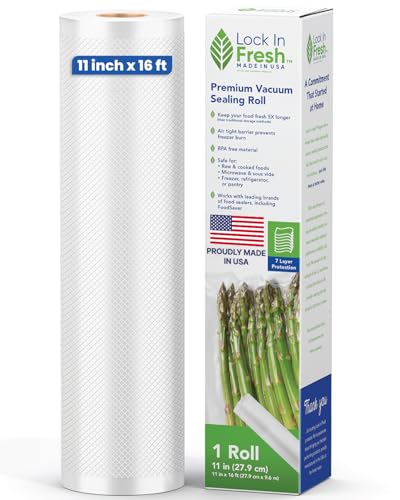
7 layer protection shields food & blocks oxygen, locking in freshness, preventing freezer burn & preserving flavor.
Master the Pulse Setting Technique
The pulse setting function transforms your vacuum sealer from a one-speed device into a precision tool that lets you control exactly how much air gets removed from the bag. By pressing the pulse button, you halt the vacuum process once you’ve achieved your desired air removal level, preventing bread from compressing into a dense lump.
Start by placing your bread in the vacuum seal bag, then activate the pulse setting. Press the button in short intervals, monitoring the bag’s firmness as air withdraws. Once you’ve reached your target vacuum level, release the button and proceed with heat sealing. This controlled approach to bread preservation maintains your bread’s structural integrity and texture, ensuring successful long-term storage without damage. Proper handling practices, such as maintaining clean utensils, are also crucial for ensuring food safety when using vacuum seal bags.
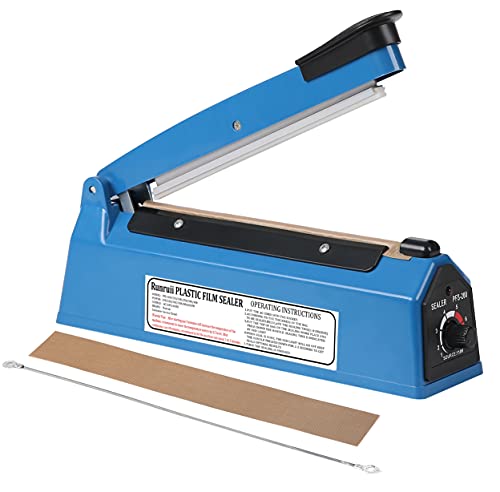
Instantly use: No warm up time needed, Lightweight Design 8 stalls temperature adjustme impulse manual hand bag sealer to meet any different materials bags. Important: This machine can't cut any bags!

Universal Design: Compatible with All 'Clamp Style' Vacuum Sealer Machines

【Clear Vacuum Bags】Our sealable vacuum bags are made of high quality materials can withstand high temperature, food save bags Boilsafe,Freezable and Reuseable.There will be an error of 1 inch between the product size and the actual working size.The real working size after sealing is 3 x 5 inches.Please choose carefully when purchasing.
Apply Proper Sealing and Spacing Methods
After you’ve mastered the pulse technique, you’ll need to focus on how you prepare your bags and bread before sealing. Ideal spacing prevents crushing during air extraction. Leave 1–3 inches of headspace at the bag’s top, allowing gentle air removal without compressing your loaf. Position bread loosely inside rather than tightly packing it, which minimizes pressure points and preserves natural volume. Additionally, using specialized vacuum sealers ensures more effective air removal compared to regular vacuum cleaners.
Select bags large enough to accommodate your bread comfortably. Never combine multiple loaves in a single bag, as this creates uneven air removal and increases crushing risk. When employing sealing techniques, monitor the process closely. Stop vacuum extraction once sufficient air is removed—don’t over-seal. Consider double sealing briefly for extra airtight protection without increasing pressure. Inspect seals immediately afterward for gaps or weaknesses that could compromise preservation. The process of vacuum sealing can greatly extend the shelf life of bread, allowing you to enjoy your baked goods for longer periods without compromising their quality.
Execute the Vacuum Sealing Process
Now that you’ve prepared your bread and selected appropriate equipment, you’ll execute the vacuum sealing process with deliberate control to prevent compression. Begin by manually sealing one end of the bag to create a controlled vacuum environment. Start the vacuum pressure cycle, then manually stop before complete air removal—this leaves slight cushioning air that prevents bread crushing. Follow your machine’s specific instructions precisely to avoid over-suction or incomplete sealing. For handheld sealers, carefully control suction intensity to protect delicate bread structure. Consider double sealing bags to reinforce airtightness and prevent leaks. These sealing techniques guarantee your bread maintains its texture while remaining properly preserved for storage. Additionally, using ziplock bags can provide an easy alternative for vacuum sealing techniques that help prevent crushing. Remember, just as with cooking a steak in a cast iron pan, proper technique is key to achieving the best results.
Enjoy Long-Term Freshness and Quality
Your vacuum-sealed bread will maintain exceptional freshness far longer than conventionally stored loaves, transforming how you preserve this staple food. For long-term storage, you’ll achieve ideal results by freezing sealed packages at -18°C or below, extending shelf life up to one year compared to three to six months for non-sealed bread. Vacuum sealing’s moisture retention properties prevent your bread from drying out quickly, preserving crumb texture and palatability. Additionally, vacuum sealing can effectively reduce spoilage and maintain quality in various food items. To maximize freshness, it’s important to note that vacuum-sealed items can remain safe and of good quality for an extended period, significantly benefiting your bread storage efforts. Label packages with dates and bread types to guarantee proper inventory rotation. Avoid room temperature storage beyond seven to ten days to minimize microbial risks.
Store packages away from direct light and heat sources. Maintain consistent freezer temperatures and check seal integrity regularly, as broken seals greatly reduce freshness duration.