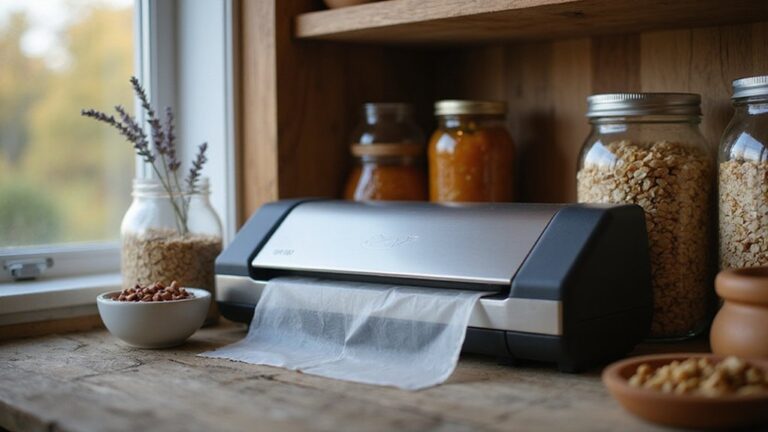
You’ll keep vacuum-sealed hard cheeses fresh for 4-8 months in refrigeration at 4-8°C, while semi-mature varieties last 1-2 months and soft cheeses persist for just 1-2 weeks. Vacuum sealing eliminates air exposure that’d otherwise accelerate bacterial growth and mold development. Unopened packages maintain quality longest; once opened, consume within days to weeks. Temperature consistency matters—fluctuations and storage above 72°F damage quality rapidly. Beyond these basics, you’ll uncover specific strategies for extending shelf life even further.
General Shelf Life in Refrigeration
When you’re storing vacuum-sealed cheese, maintaining proper refrigeration temperature is essential to maximize shelf life and preserve quality. You should keep your refrigerator between 4-8°C (34-41°F) for ideal preservation, with middle shelves offering the most consistent temperature stability.
Hard cheeses like Parmesan and cheddar remain viable for 4-8 months when vacuum-sealed, while soft varieties like brie last only 1-2 weeks. Semi-mature cheeses fall between these ranges, lasting approximately 1-2 months. Vacuum sealing removes air exposure and prevents moisture infiltration, greatly slowing bacterial growth and mold spore development compared to conventional packaging.
Temperature fluctuations directly compromise cheese expiration dates and quality. Understanding these timeframes helps you plan purchases strategically while ensuring you consume cheese before its expiration window closes.

【THE ONLY CONTAINER DESIGNED TO LOCK IN YOUR CHEESE’S FRESH TASTE】- Imagine putting your cheese inside our Quick Vac Saver & with 5 quick presses, you can vacuum seal your cheese every time to keep it fresh for weeks without losing any taste.

VACUUM AND PRESERVE MODE: Turn the top valve on these FoodSaver containers to "Vacuum" and connect your handheld sealer (sold separately) for an airtight seal that locks in freshness to keep foods fresh longer in the fridge, freezer, or pantry
![Chef Preserve Glass Vacuum Seal Containers for Food Storage, Made For Compact Vacuum Sealer, 3pcs set [1x Small, 1x Medium, 1x Large] Works With Handheld Vacuum Sealer Machine](https://m.media-amazon.com/images/I/41mTTYFpTTL._SL500_.jpg)
Chef Preserve Containers with Airtight Vacuum Seal: Chef Preserve containers use vacuum seal technology to reduce air exposure and help keep food fresh. Ideal for vacuum sealing food storage like leftovers, dry goods, snacks, fruits, and more in the fridge, freezer, or pantry.
Mature Cheese Storage Duration
Because mature cheeses possess lower moisture content and higher salt concentrations than their younger counterparts, you’ll find they’re remarkably resilient when vacuum-sealed and refrigerated. At temperatures between 4 to 8°C, mature cheese varieties maintain quality for 4 to 6 months when unopened. Hard block cheeses can extend well beyond this timeframe, often lasting several months to over a year while surpassing “best by” dates.
The vacuum storage benefits prove substantial: airtight sealing prevents air infiltration that accelerates degradation. Once you open the package, however, quality declines rapidly—expect a few days to several weeks maximum. Resealing reduces but doesn’t eliminate oxygen exposure. Your specific shelf life depends on the cheese’s initial maturity level and packaging integrity. Proper storage containers help extend longevity after that initial seal rupture.
Semi-Mature and Fresh Cheese Storage
While mature cheeses’ resilience stems from their low moisture and high salt content, semi-mature and fresh varieties demand more careful handling due to their higher water content and shorter shelf lives. You’ll find that vacuum-sealed semi-mature cheese lasts one to two months at 4–8°C, while fresh cheese varieties like ricotta, cottage, and mozzarella last only three to four days up to two weeks. Once opened, consume semi-mature cheese within days to weeks and fresh cheese within days. Unopened vacuum packaging prevents bacterial exposure and air contact, preserving quality. Temperature consistency matters critically—fluctuations cause condensation and spoilage. Different cheese varieties and production methods affect longevity. You should inspect packaging for damage before storage and rewrap opened cheese promptly in airtight containers, considering your pairing suggestions for maximum enjoyment.
Room Temperature and Shelf-Stable Storage
Though vacuum sealing extends cheese preservation considerably, it doesn’t eliminate the need for temperature control in most cases. You’ll find that shelf-stable hard cheeses like Parmesan withstand room temperature storage better than soft varieties. At around 18°C (64°F) in a cool, dark environment, hard cheeses last several weeks, while whole wheels may persist for months under ideal conditions. Cleaning cast iron skillets can help maintain overall kitchen hygiene, reducing the chance of cross-contamination with other food products.
You must recognize that soft cheeses spoil rapidly at room temperature—within hours—making refrigeration essential. Semi-hard varieties like Gouda bridge this gap, lasting several days to a week unrefrigerated. You should avoid temperature fluctuations, direct sunlight, and excess humidity, as these accelerate spoilage and bacterial growth. Refrigeration remains your most reliable strategy, extending hard cheese shelf life to 4–8 months versus mere weeks at room temperature. Using precise temperature control in sous vide cooking can help maintain optimal cheese texture and flavor.

Airtight Lid: The ham container for fridge is equipped with a snap lid, ensure your food will last longer and keep moisture out and lock in freshness, while preventing air from seeping in and preventing leaking; edge opening design make it easy access.

SMART STORAGE: Get lasting freshness, easy cleaning convenience and lasting durability with the LocknLock Purely Better 20-Ounce Square Food Storage Container

KEEP YOUR CHEESE FRESH: The Slice'n Store Cheese Slicer and Storage Container is designed to preserve the flavor and texture of your favorite cheeses, preventing them from drying out or becoming crumbly.
Storage Best Practices and Preservation
To maximize vacuum-sealed cheese’s shelf life, you’ll need to implement proper preparation and storage techniques that work synergistically with the vacuum-sealing process itself. Start by wrapping cheese in wax paper before sealing—this breathable layer enables moisture control while preventing condensation buildup that promotes bacterial growth. Your vacuum technique matters greatly; ascertain you’ve eliminated all air pockets by resealing if bubbles remain. Label bags with the cheese type and sealing date for inventory rotation using a first-in, first-out method. Store sealed cheese in your refrigerator’s coldest section, maintaining temperatures around 4°C. For freezer storage, position hard cheeses in back areas away from temperature fluctuations. Additionally, vacuum sealing can significantly extend shelf life for your cheese even further. Defrost slowly in the sealed bag over 24–48 hours to minimize moisture loss and preserve texture integrity. Moreover, vacuum sealing has been shown to extend food freshness, making it particularly beneficial for preserving cheese over longer periods.

REUSABLE BEESWAX WRAPS FOR FOOD made from beeswax, organic plant oils, and natural tree resin in a large 14" x 53" wax paper roll with a colorful pattern of herbs and plants

WAX PAPER ROLL: Contains one roll of Reynolds Cut-Rite Wax Paper, measuring 75 feet x 12 inches
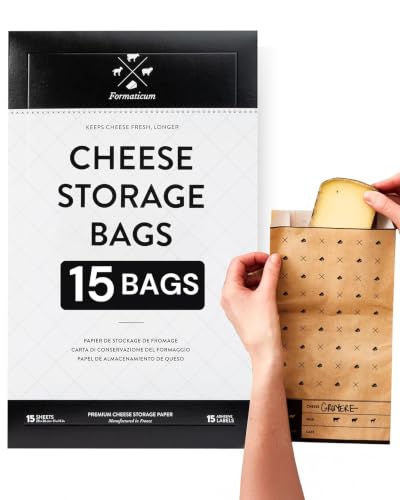
PROFESSIONAL CHEESE STORAGE BAGS: Keep your brie, camembert, and manchego fresh with our cheese paper bags from France. These reusable cheese storage bags replace plastic wrap and sandwich bags, allowing the cheese to breathe while maintaining ideal humidity. Each wax paper bag holds up to a half pound of artisanal cheese for optimal preservation. Say goodbye to spoiled cheese and hello to extended freshness.
Comparison With Traditional Packaging Methods
Vacuum sealing substantially outperforms traditional packaging methods when it comes to extending cheese shelf life and preventing spoilage. You’ll find that hard cheeses last 4–8 months vacuum-sealed versus merely 1–2 weeks in conventional wraps. This vacuum efficiency stems from airtight barriers that block bacterial and mold spore entry—problems that plague traditional packaging with its air pockets and moisture trapping.
The packaging materials make a critical difference. High-barrier films in vacuum seals resist punctures and oxidation far better than basic plastic wrap or wax paper. Once opened, vacuum-sealed cheese drops to traditional timelines, but unopened packages protect your investment for months. You’ll also compress storage space, reducing waste and purchase frequency compared to traditional methods’ shorter usability windows.

🔋 Cordless & Rechargeable for Anytime Use Enjoy powerful suction without cords! Our electric handheld vacuum sealer features a built-in rechargeable battery, making it perfect for home kitchens, camping trips, or meal prepping on the go.

MULTIPLE SIZES: 24 reusable vacuum low temperature cooking bags with 2 bag sealing clips and 5 air valves, 3 sizes available (8.5*8.5 inches, 11*10 inches, 13*10 inches), different sizes for packing meat, vegetables, sandwiches, fruits, snacks and travel items, meet all your needs.

Customizable Length: Cut the roll to suit your specific storage needs
Maximizing Cheese Quality and Flavor
While vacuum sealing dramatically extends cheese shelf life, preserving its quality and flavor requires careful attention to storage conditions and handling practices. You’ll maintain ideal cheese texture by storing vacuum-sealed cheese between 34°F and 46°F with consistent humidity levels. Before serving, bring cheese to room temperature for approximately 30 minutes to enhance its flavor profile and textural characteristics. You should allow sealed cheese to rest several hours before consumption, enabling flavor equilibration and aeration of off-flavors from the vacuum packaging process. For soft cheeses, limit long-term vacuum sealing since anaerobic conditions and moisture retention alter microbial activity, potentially compromising complexity. You’ll achieve the best balance between preventing spoilage and retaining desirable aging characteristics by selecting appropriate storage duration based on cheese type.
Signs of Spoilage and When to Discard
Recognizing spoilage indicators before consuming vacuum-sealed cheese is essential for food safety. You should discard cheese exhibiting off or sour odors, visible mold in green, blue, or white hues, or ammonia smells signaling bacterial growth. Examine texture changes—slimy surfaces, excessive hardening, or crumbling indicate structural breakdown. Check package integrity for tears, punctures, bulging, or leaking, which compromise cheese freshness by exposing it to contaminants.
Temperature fluctuations accelerate spoilage; storage above 72°F or below freezing damages cheese quality regardless of vacuum sealing. Monitor storage duration: fresh cheeses last 3-4 days to 2 weeks after opening, while hard varieties extend 4-8 months. Color changes, darkening edges, and liquid separation signal advanced degradation. Trust your assessment—when uncertain about cheese freshness, discard it immediately.

HIGH-QUALITY MATERIAL: Made with high-quality materials that let you enjoy fresh Parmesan cheese whenever you want, this Italian Pottery Cheese Container is the best.

Store deli meats, cheeses, and more with airtight freshness: The ProKeeper Mini Deli Keeper stores your deli meats, cheeses, sausages, fruits, and more. Keep your food fresh longer with the airtight silicone seal lid, preventing leaks and blocking moisture.

Storage vacuum bags--suitable for storing your clothes and bedding moisture- , - and dust- , clean and uncluttered,vacuum sealed bags for bedding