You can use a meat thermometer for water, though it’s not ideally designed for this purpose. You’ll want to verify waterproof certifications like IP67 and check accuracy ratings—premium models offer ±0.5°F precision. You must calibrate your thermometer through ice bath and boiling water tests before use. Response times may lag in water environments, so you’ll need thorough stirring for consistent readings. Understanding specific performance considerations will help you select the right tool.
Temperature Range and Accuracy for Water Measurement
Choosing the right meat thermometer for water measurement hinges on understanding both its temperature range and accuracy specifications. Most digital models measure 32°F to 212°F, adequately covering typical water temperatures, while high-end variants extend to 900°F. You’ll find accuracy varies considerably: premium instant-read thermometers like the Thermapen ONE deliver ±0.5°F precision, whereas bimetal models offer only ±2°F accuracy.
Your temperature measurement techniques must account for thermometer calibration importance. Before relying on any thermometer, verify its accuracy using ice bath and boiling water tests. At sea level, properly calibrated thermometers should read exactly 32°F in ice and 212°F in boiling water. Always consult manufacturer specifications and perform regular calibration checks, as drift compromises accuracy over time, especially in budget models. Additionally, understanding safe cooking temperatures is crucial to avoid undercooked food that could pose health risks.
Water Resistance and Durability Features
Since you’ll be using a meat thermometer around water—whether for monitoring boiling temperatures, rinsing under running water, or managing steam exposure—understanding its water resistance rating becomes critical to long-term performance. Waterproof certifications like IP66, IPX7, and IP67 designate specific protection levels against moisture infiltration. You’ll benefit from thermometers featuring stainless steel probes combined with durable ABS plastic bodies, which provide corrosion resistance and structural integrity. Additionally, thermometers that are oven-safe generally withstand higher temperatures, ensuring versatile usage. Probe materials incorporating ceramic components further enhance water resistance. Sealed battery compartments and waterproofing of wireless connectivity components safeguard internal electronics from moisture damage. These design specifications directly correlate with extended lifespan and reduced maintenance requirements. Selecting thermometers with verified waterproof certifications and robust probe materials guarantees reliable performance during repeated water exposure while maintaining measurement accuracy over time. Additionally, ensuring thermometers are designed with proper use guidelines can significantly mitigate the risk of measurement inaccuracies caused by environmental influences.

Instant Read Meat Thermometer | Our instant read thermometer features a temperature probe and advanced, highly accurate technology with a 1-2 second response time. Our instant read food thermometer comes pre-calibrated with instructions and a meat temperature chart, plus a recalibration feature if needed.
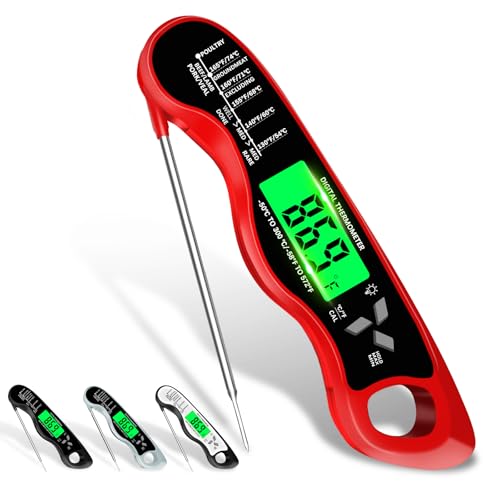
FAST RESPONSE, ACCURATE READINGS - This cooking thermometer is equipped with a 2mm thick stainless steel probe and a high-precision sensor. It only takes 2-3 seconds to easily obtain accurate temperature, with a temperature range of -50℃ to 300℃ (-58℉ to 572℉). Whether it is frying steak, grilling chicken, grilling, or frying, it can provide you with accurate temperature guidance to keep the food at its most delicious moment.

【8X Faster + 4X More Precise】: Upgraded with an industrial-leading professional thermocouple sensor, Themomonster meat thermometer digital with NIST certified ±0.5℉ precision provides you the accurate temperature of your food in just 0.5 Seconds.
Practical Culinary Applications
Now that you’ve confirmed your thermometer meets water-resistance standards, you can confidently apply it across several culinary contexts where precise liquid temperature monitoring directly impacts results. In sous vide cooking, you’ll monitor water bath temperatures to maintain the narrow ranges required for precise doneness and food safety. You can also verify temperatures during candy making, where specific heat points determine texture and crystallization. For deep frying, you’ll track oil temperatures that affect crust formation and nutrient retention. Brewing applications benefit from accurate water temperature checks that influence extraction and flavor profiles, similar to how infrared thermometers are used in industrial settings. When poaching or preparing custards, you’ll guarantee temperatures remain within safe parameters while preventing overcooking. These applications demonstrate how your meat thermometer becomes a versatile kitchen tool, providing the accuracy necessary for consistent, safe results. Additionally, maintaining temperatures around the safe threshold of 165°F ensures optimal cooking outcomes and safety.

Completely Waterproof: IPX6 waterproof rating means you can wash this cooking thermometer under running water without fear. This food thermometer for cooking ensures cleanup is ultra-fast

Fast & Accurate: Get precise readings in just 1 second with ±0.9°F accuracy. NSF Certified for trusted food safety, this digital food thermometer features a 4.3 inches food-grade stainless steel meat probe, perfect for grilling, frying, baking, making candy and more

【Fast & Accurate】Our meat thermometer digital delivers accurate readings within ±1°F in just 1–2 seconds, with a wide temperature range of -58°F to 572°F (-50°C to 300°C). No more waiting over the heat - know your food's exact temperature instantly.
Cross-Contamination and Cleaning Concerns
While your meat thermometer’s versatility across culinary applications is valuable, this same utility creates significant food safety risks if you don’t follow rigorous cleaning protocols between uses. Cross contamination risks escalate when you insert your probe into raw meat, then measure water temperature without intermediate sanitization. Pathogenic bacteria like Salmonella and E. coli survive on probe surfaces, transferring readily to ready-to-eat foods or beverages. You must thoroughly clean and disinfect your thermometer immediately after contacting raw poultry, seafood, or ground beef. Additionally, using oven-safe probe thermometers for various cooking tasks can further emphasize the importance of maintaining strict cleaning protocols. Establish consistent cleaning protocols regardless of what you’re measuring next. This discipline directly reduces foodborne illness transmission risk and maintains food safety standards throughout your kitchen operations. Additionally, some advanced smart meat thermometers include separate sensors that can enhance the cooking process while further highlighting the need for meticulous cleaning.
Performance Limitations and Considerations
Beyond establishing proper cleaning protocols, you’ll need to understand how meat thermometers actually perform when measuring water temperatures, since their design constraints often limit accuracy in aqueous environments. Meat thermometer probes average temperature readings across a 2-inch sensing area, reducing precision in stratified water. Their probe functionality relies on slower response times in water conditions far from typical cooking ranges, particularly near freezing or boiling points. Calibration techniques become critical—ice water provides stable reference points, though boiling water calibration varies with atmospheric pressure and elevation. You’ll encounter challenges maintaining consistent readings if water isn’t thoroughly stirred, as temperature zones around the probe sensing region create measurement instability. These limitations substantially compromise reliability for water-specific applications.

Fast and Accurate Reading: Kitchen thermometer for cooking features a 1 second readout speed and high accuracy of +/-0.9 degrees Fahrenheit, ensuring you receive the most delicious results every time
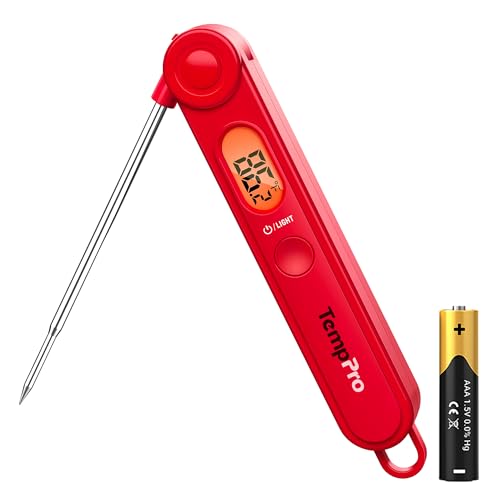
【Easy to Use】Easily release the meat probe at the push of a button, and control the backlight or power with another button. With TempPro, cooking becomes a seamless, stress-free experience
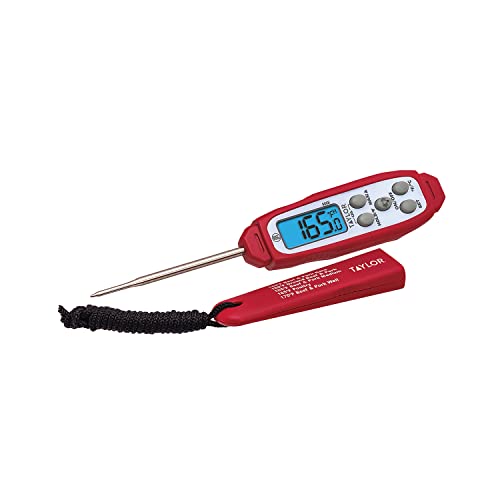
INSTANT-READ PRECISION FOR EVERY MEAL: The ultra-fast thin-tip probe delivers accurate temperature readings in seconds - no more guessing whether chicken, salmon, or turkey is cooked through; ideal for meal prep, grilling, and batch cooking lean proteins to juicy perfection.
Comparing Meat Thermometers to Specialized Water Thermometers
When you’re measuring water temperature, you’ll find that meat thermometers and specialized water thermometers differ considerably in their design, calibration stability, and performance reliability. Meat thermometer design features longer probes optimized for thick foods, resulting in slower response times and reduced thermometer sensitivity in aquatic environments. Specialized water thermometers employ shorter, more responsive probes calibrated specifically for liquid applications, delivering faster stabilization and superior accuracy.
You’ll notice that dedicated water thermometers maintain calibration stability over prolonged water exposure, whereas meat thermometers may experience sensor drift. Professional settings consistently favor specialized water thermometers for reliability and precision. While you can calibrate meat thermometers using ice and boiling water tests, their broader temperature ranges and food-oriented design compromise performance in aquatic contexts. For consistent, dependable water temperature measurements, specialized instruments outperform general-purpose alternatives.

Digital LCD Fridge Thermometer, It only suitable for Fahrenheit,not for Celsius

[ Waterproof - IPX7 ] With the strong waterproof ability, it’s very suitable for measuring the temperature of liquids, such as water, milk, candles. When used in the kitchen, food, powder and oil stains are inevitable. The whole body can be rinsed under water. Easy to clean and maintain!

Wide Application: Ideal for use in water or high moisture environment like aquarium terrarium, or vivarium, suitable for different water types such as fresh water, tap water, salty water, marine water and etc.
Essential Features to Look for When Selecting a Meat Thermometer for Water Use
Given that meat thermometers aren’t purpose-built for aquatic environments, you’ll need to prioritize specific features to secure reliable water temperature measurement. First, select a model with an IPX7 rating minimum for full submersion protection; IP68 or IP69K ratings provide superior durability. Choose a thermometer covering at least 212°F (100°C) to accurately measure boiling water. Your probe material should be stainless steel to resist corrosion from prolonged water exposure. Ascertain ceramic-to-metal brazed joints create hermetic seals preventing moisture ingress. A large, backlit display size enhances readability in steamy conditions, while digital readouts deliver precise, instantaneous feedback. Finally, verify your battery compartment remains sealed against water infiltration, maintaining long-term functionality in water-intensive applications.

[ Waterproof - IPX7 ] With the strong waterproof ability, it’s very suitable for measuring the temperature of liquids, such as water, milk, candles. When used in the kitchen, food, powder and oil stains are inevitable. The whole body can be rinsed under water. Easy to clean and maintain!

【Fast & Accurate】Our meat thermometer digital delivers accurate readings within ±1°F in just 1–2 seconds, with a wide temperature range of -58°F to 572°F (-50°C to 300°C). No more waiting over the heat - know your food's exact temperature instantly.

[ Waterproof - IPX7 ] With the strong waterproof ability, it’s very suitable for measuring the temperature of liquids, such as water, milk, candles. When used in the kitchen, food, powder and oil stains are inevitable. The whole body can be rinsed under water. Easy to clean and maintain!