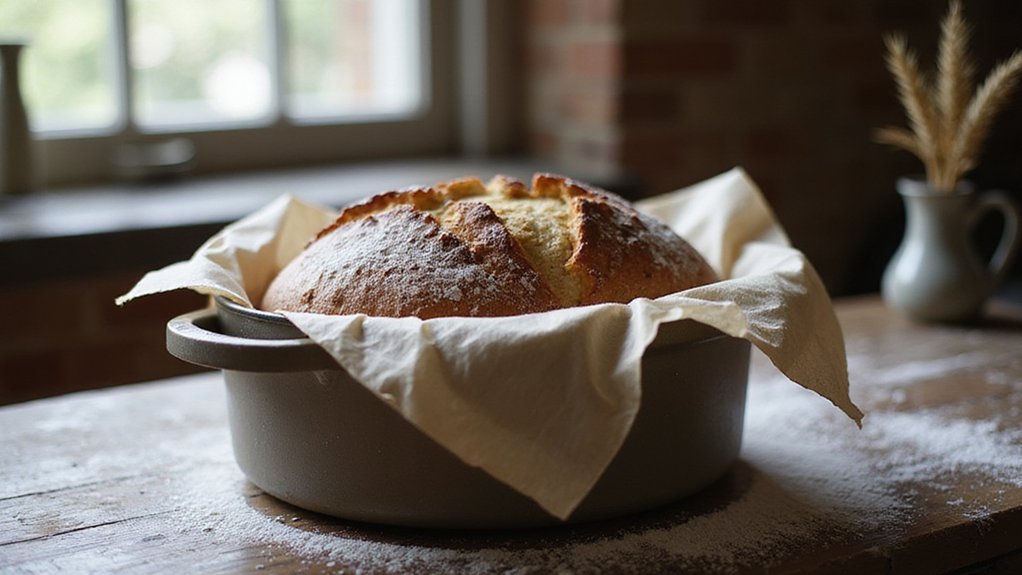
Wondering if you should put parchment paper in your Dutch oven when baking sourdough? The answer is yes, and it’s a simple step that can make a big difference.
Parchment protects your loaf from sticking and helps you lift it out easily without tearing the crust. Keep in mind, it should be rated for at least 450°F to avoid charring.
The rest of the details will help you get perfect results every time.
Why Use Parchment Paper in a Dutch Oven for Sourdough?
Parchment paper is essential for transferring soft sourdough dough into a hot Dutch oven because it acts as a flexible, non-stick sling. Handling wet, delicate dough directly can be tricky and may cause tearing or collapsing of the loaf. Placing the dough on parchment allows you to gently lower or drag it into the oven without damage. Using two strips of parchment for deeper cookpots or crumpling the paper beforehand helps avoid divots that could affect your crust. Parchment prevents sticking to cast iron, ensures a clean release, and supports strong oven spring without impacting flavor. Similarly, torch lighters benefit from using ultra-pure butane to avoid residue buildup and ensure consistent performance, much like how parchment keeps baking clean and reliable. Additionally, it’s reusable two to three times, streamlining your baking process and reducing stress. Using a square piece of parchment folded into triangles helps shape a perfect circle to line the pot. This same principle of adjusting your baking vessel applies when making a pizookie without a skillet, where using any oven-safe dish delivers a perfectly gooey warm dessert. Sous vide cooking offers a similar precision by using precise temperature control to achieve a perfect egg texture every time.

【SAFE LIFT, NO MORE BURNED HANDS】This parchment paper for sourdough baking lets you lift raw dough and baked bread in and out of a hot Dutch oven in one move; it keeps hands away from heat and makes handling safer for beginners

Time-Saving & Effortless: Pre-cut specifically for sourdough baking—no measuring or trimming needed, simply place the liner directly into your pot and start baking.
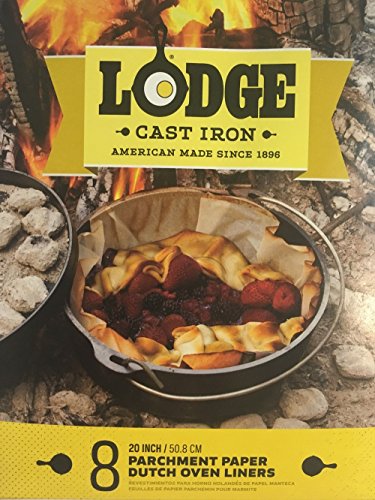
YOUR NEW GO-TO DUTCH OVEN LINERS: The Lodge Dutch Oven Liners make camp cooking cleanup easier than ever. Made of 100% biodegradable parchment paper, after cooking, simply remove to discover fresh cookware that is ready for the next adventure.
The Best Way to Prepare Parchment Paper for High Heat
To prepare parchment paper for high heat, choose paper rated for at least 450°F. Check the packaging to ensure the temperature limit matches your oven’s heat, and avoid anything under 420°F to prevent ignition or breakdown. Cut a square of parchment that fits flat inside your Dutch oven, leaving a small overhang for easy lifting. Smooth out any wrinkles to ensure even contact with the pan and avoid uneven cooking or burning spots. However, for precise internal temperature control of the dough, a digital probe thermometer is more reliable than an infrared thermometer, which only measures surface temperature. If your recipe requires temperatures above 450°F, place a folded strip of aluminum foil beneath the parchment to create a heat buffer. This helps prevent direct contact with extreme heat, prolonging the paper’s integrity. Never reuse parchment paper after heating, as the silicone coating degrades over time and can pose a safety hazard. Preheat your oven before placing the parchment inside so it conforms smoothly to the pan’s surface and reduces curling or shifting during baking. These tips ensure safe high-heat use of parchment paper, maximizing its performance while minimizing risks.
How to Use Parchment Paper to Lower Sourdough Into a Hot Dutch Oven
To safely lower your sourdough into a hot Dutch oven, use a parchment sling to create handles. First, cut a piece of parchment paper into a football shape with two long ends that extend beyond the loaf. Gently flip your banneton onto the parchment, scoring the dough as desired. Crumple the parchment slightly to increase flexibility, then grasp the long ends of the paper and carefully lower the loaf straight into the center of the preheated pot. This method helps prevent burns and minimizes the risk of deflating your loaf. Make sure the edges of the parchment do not stick out beyond the Dutch oven, as they could singe during baking. Some bakers opt for other tools like rice-floured cloths, silicone mats, or a bread peel, but a parchment sling remains one of the most straightforward options for transferring the dough. The same principle of applying oil while wet can prevent dough from sticking, much like flash rust prevention on cast iron. Ensure the dough is well-chilled for optimal scoring and baking success.

Non-Stick & No Cleanup: Tired of scrubbing greasy silicone mats? This parchment paper bread sling supplies reliable non-stick performance with zero cleanup—just bake, lift, and toss. Enjoy more time baking, and less cleanup
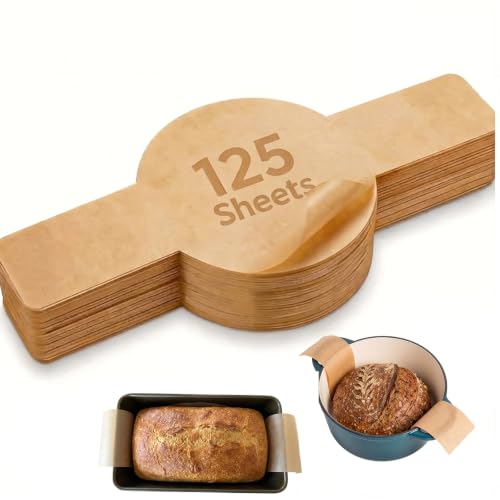
HEALTHY AND RELIABLE: Sourdough sling is made out of unbleached, natural wood pulp, with a plant based oil treatment, no fluorescent agent, BPA-free, PFAs-free. 12% thicker than ordinary parchment to be durable and sturdy, heat resistant up to 450℉/230℃.

𝗣𝗿𝗲-𝗖𝘂𝘁: The parchment bread sling is specially designed for Dutch ovens—no more tedious cutting or waste. Just grab and use
What Temperature Limits Can Parchment Paper Handle?
Parchment paper typically handles temperatures up to 420°F to 450°F (215–232°C). Most brands specify a maximum safe temperature within this range, primarily due to the silicone coating that provides heat resistance. Exceeding this limit can cause the paper to char, discolor, become brittle, or lose its structural integrity. For example, at around 435°F, parchment can experience a 22% loss in tensile strength within 90 seconds, increasing the risk of failure during baking. Pre-cut parchment circles may have even lower temperature limits, sometimes as low as 390°F. Always check and follow the manufacturer’s explicit maximum temperature ratings to ensure safe use and maintain the paper’s effectiveness during baking. For tasks requiring sealing at high heat, consider a vacuum sealer with multiple sealing modes to protect delicate items.

EASY BAKING – No more thin, messy parchment. Our non-stick, unbleached paper ensures clean baking trays and perfect pastries, breads, and more.
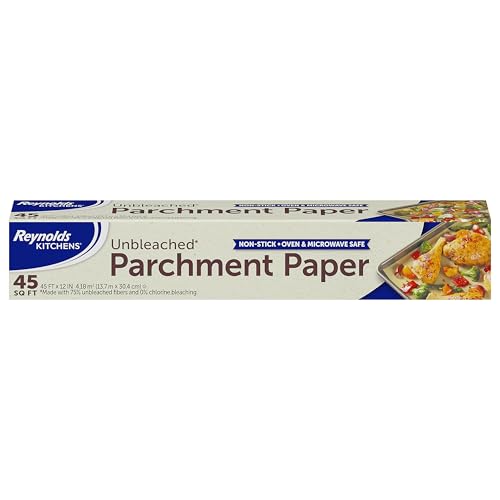
Package Includes: One (1) Reynolds Kitchens Unbleached Parchment Paper Roll measuring 45 feet long by 12 inches wide (45 square feet total)

Custom Cut Any Length – Easily tear off the exact size you need for trays, pans, or wrapping food. This parchment paper roll lets you customize every sheet with no waste or awkward edges
What Happens When Parchment Paper Gets Too Hot?
Exceeding 425°F can cause parchment paper to ignite, especially near heating elements. As the temperature rises past this point, the silicone coating begins to degrade, which may result in the release of non-stick chemicals into your baked goods. Bleached types of parchment paper might also emit dioxins when they get too hot. To avoid these risks, keep the oven temperature at or below 420°F. In a Dutch oven, you’re generally safe because the crust shields the paper from direct flames. However, never push parchment paper into a dry, super-hot oven to prevent accidental combustion or chemical release. For an alternative, consider using a store-bought puff pastry directly on top of the filling, as the recipe does when baking at a lower 350°F.
Can You Reuse Parchment Paper Without Ruining Your Loaf?
Reusing parchment paper is not recommended because it cannot be effectively sanitized after use. After baking at high temperatures, especially with sourdough, the paper becomes brittle, edges may char, and the silicone coating can crack. These structural issues increase the risk of tearing during dough transfer, which could ruin your loaf. Using a bench scrape or spatula for support during transfer further emphasizes the need for fresh paper to avoid tears.
Even if damage isn’t immediately visible, remnants of charring or cracks in the coating can trap moisture and food particles. Since parchment cannot be sanitized like other kitchen tools, reusing it raises the chance of contamination. Bits of carbonized material from previous bakes can transfer to the new dough, affecting the crust and overall cleanliness. Similarly, cleaning the gasket and seal area of your kitchen equipment is a regular maintenance step that prevents issues caused by trapped debris.
For consistent, reliable results, it’s best to use fresh parchment for each baking. This ensures easy lifting, even baking, and prevents dark spots or fragments sticking to your bread. Ultimately, replacing parchment is a small step that helps protect both your baked goods and your kitchen hygiene.