Not all butane works well in a torch, and using the wrong type can cause frustrating problems. Low-quality, unrefined butane contains impurities that clog jets and lead to weak flames or ignition failures.
High-purity butane, on the other hand, burns cleaner and helps your torch perform reliably.
Keep reading to learn how to choose the best fuel for your needs.
What’s Actually Inside That Can of Butane?
A butane canister is not just filled with pure butane; it contains a carefully engineered mixture of hydrocarbons and additives. The primary component is butane, a C₄H₁₀ alkane, which exists as two odorless gases: n-butane and iso-butane. Both are highly flammable, colorless, and liquefy easily under pressure. To improve performance in cold weather, manufacturers often blend in propane or isobutane. During manufacturing, chemical impurities may be introduced, which can influence the quality of the burn. Safety additives are also included to prevent dangerous flare-ups. Overall, that can holds a precisely formulated, pressurized cocktail of multiple components—not just pure fuel. This process is similar to seasoning a cast iron skillet with a high smoke point oil, which requires careful application and curing to build a durable, non-stick layer. Just as vinegar spray solution removes rust without causing further damage, the fuel blend is designed to cleanly combust without harming the torch. For long-term care of the torch itself, regularly applying a very light layer of oil to its metal surfaces can prevent corrosion, much like maintaining a cast iron Dutch oven.
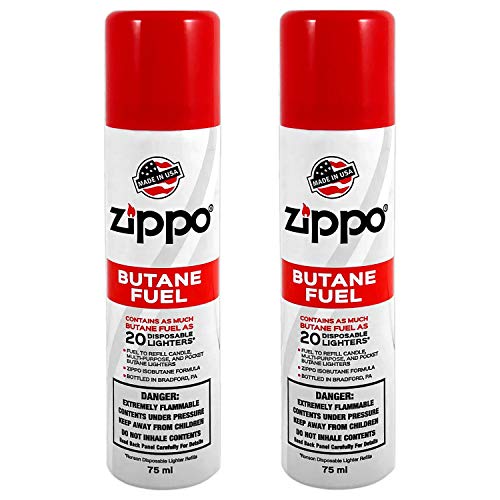
2-Pack Total. Zippo Butane Fuel 75 ml each can. Made in USA

CLEAN BURN EVERY TIME – Ronson Butane Fuel provides a high-quality, odorless flame that burns clean and consistent. It reduces soot and smoke, making it ideal for lighting candles, kitchen torches, or daily-use lighters without leaving residue.

4 x 8 OZ. BUTANE GAS FUEL CANISTER, PORTABLE GAS FOR CAMPING STOVES, COOKING TORCHES & EMERGENCY USE – Power your portable gas appliances with Chef Master’s high-performance butane fuel canisters. Each 8 oz canister delivers a steady, high-heat flame for up to 2 hours (or up to 4 hours on simmer), making them ideal for camping stoves, backpacking cooktops, outdoor grills, culinary torches, crème brûlée torches, and portable heaters.
Does Refined Butane Really Matter for Your Torch Lighter?
Refined butane is crucial for your torch’s performance because higher purity fuel burns cleaner and more consistently. Triple-refined butane, with 99.9% purity or higher, ensures a steady flame that’s wind-resistant and reliable. Cheaper, lower-grade butane contains impurities and oils that can cause sputtering, delayed ignition, and overall weak performance. Over time, these contaminants accumulate in your torch’s jet valves, leading to frequent clogging and costly repairs. This principle is similar to how sous vide cooking uses precise temperature control to achieve consistent results, avoiding the impurities of uneven heat. In a similar way, boiling water in cast iron can open the metal’s pores and lead to rust if not done carefully. Additionally, poor storage conditions and low-grade fuel accelerate degradation, increasing residue buildup inside your torch. Using high-purity fuel can extend your lighter’s lifespan by up to 30%, reduce maintenance costs, and prevent premature failure. In short, investing in refined butane makes a real difference for dependable, high-quality torch operation. For successful repairs, applying consistent heat control is essential to avoid damaging the plastic while achieving durable welds.

PREMIUM BUTANE GAS: Colibri butane is the cleanest available at 99.9994% purity. Produced to the exacting standards required by high-performance jet-flame lighters, resulting in fuel so pure it does not require repeated filter-ing, like other brands.

SUPERIOR PERFORMANCE: XIKAR Purofine Premium Butane Fuel is meticulously crafted to deliver unparalleled performance. Specially formulated for jet flame lighters, it ensures a consistent and powerful flame, making it ideal for lighting cigars.
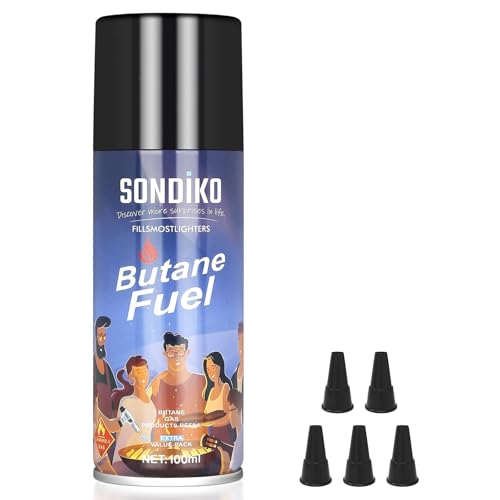
Lightweight and Portable, Always at Hand:Sondiko Butane Lighter Fluid comes with prefilled canisters. The delicate design allows you to easily put it in your pocket or backpack. Whether for daily outings or outdoor adventures, it can be carried effortlessly, meeting your ignition needs anytime and anywhere, making convenience always with you.
Hardware Store Butane vs. Premium Fuel: What’s the Real Difference?
Premium fuel burns cleaner and hotter because it is refined 5x or 9x more than hardware store butane. This higher level of refinement reduces impurities that can clog your torch’s jet nozzles and damage valve seals. As a result, your torch maintains consistent heat output, ignites faster, and produces a more reliable flame. You also get 10-20% longer burn time per can, which means fewer refills and less hassle. While hardware store butane may cost less upfront and is suitable for battery-powered tools or casual use, it often leads to higher maintenance costs and shorter equipment lifespan over time. However, propane performs reliably in extremely cold temperatures due to its lower boiling point, making it a preferred outdoor choice when conditions are freezing. To maximize performance and equipment durability, stick to triple-refined, premium canisters labeled for torch lighters and avoid mixing inferior fuels with high-quality options. Unlike standard vacuum cleaners that cannot create the strong, air-tight environment needed for food preservation, premium butane fuels depend on refined purity to achieve a reliable seal and consistent performance in torch lighters. For measuring liquid sugar temperatures, a digital probe thermometer is recommended over an infrared thermometer for accuracy. For optimal outdoor cooking in larger groups, consider using a 10-quart oven to ensure enough capacity for hearty meals.

PREMIUM BUTANE GAS: Colibri butane is the cleanest available at 99.9994% purity. Produced to the exacting standards required by high-performance jet-flame lighters, resulting in fuel so pure it does not require repeated filtering, like other brands.

SUPERIOR PERFORMANCE: XIKAR Purofine Premium Butane Fuel is meticulously crafted to deliver unparalleled performance. Specially formulated for jet flame lighters, it ensures a consistent and powerful flame, making it ideal for lighting cigars.

PURE FLAVOR PRESERVATION – Experience ultra-pure, premium butane gas that keeps your food, cocktails, and cigars tasting authentic. Specially refined to eliminate unwanted odors and flavors, this culinary smoking fuel ensures every torch use delivers clean, untainted results for chefs and mixologists.
Can You Use Propane in a Butane Torch Without Damage?
You absolutely cannot use propane in a butane torch without risking damage. Propane burns at approximately 2,000°C, which is significantly hotter than butane’s 1,500°C flame temperature. This higher temperature can over-stress your torch’s sealed reservoir and valve components. The increased vapor pressure of propane can cause leaks or even rupture, leading to faster wear and potential safety hazards. Additionally, propane’s larger vapor pressure forces a bigger orifice than your butane torch was designed for, resulting in sputtering or ignition failure. While using a hotter fuel might seem advantageous in reducing methane emissions, the safety risks outweigh the benefits. Always stick to pure, refined butane as the manufacturer recommends; propane is only suitable for dual-fuel or specifically propane-compatible tools. For reliable performance in colder environments, choosing a fuel like map gas—which maintains consistent performance even below 15°C—is far safer than risking damage by forcing propane into a butane torch.

ULTRA REFINED BUTANE - If the wrong butane is used, the lighter/torch can clog and sputter. Make sure to use only butane that was refined at least 3 times. The more times the butane is refined, the better performance you're going to get! NEON butane fuel is filtered more than 3 times through nanoscale stages for 99.999% purity, ultra-refined, preventing clogging, misfires, and residue buildup, extending the life of lighters and torches.

【Ultra-Refined Purity】TBTeek butane fuel undergoes triple filtration to remove 99.9% impurities, ensuring a clean burn for butane torch and kitchen blow torch devices. Prevents clogging, misfires, and residue buildup, extending the lifespan of your devices.

【11X Ultra-Refined Purity】 Filtered 11 times nanoscale stages for 99.9997% purity, NEON butane fuel delivers a cleaner, hotter, and more efficient burn. No odor, no residue, just consistent high performance that protects your cigars, culinary delights, bartending masterpieces, and your experience.
What Happens When You Use Unrefined Butane in a Torch?
Using unrefined butane in a torch can quickly damage the device. Impurities like oils and metal particles build up carbon deposits, clogging the jet nozzles after just one or two uses. This results in weak, uneven flames and frequent failure to ignite, making precise work impossible. The flame temperature also drops, leading to incomplete combustion. This produces soot and potentially dangerous fumes, which compromise your safety during operation. Always confirm ignition by hearing a popping sound after pulling the safety switch to ensure proper torch function before use. Similarly, rust buildup must be removed through abrasion or a vinegar soak to prevent permanent damage to your tools. You can avoid some of these issues by seasoning the torch nozzle like you would a cast iron skillet for outdoor cooking. A self-contained steam chamber is not a feature of a torch, but rather of a Dutch oven used for sourdough baking.
Switching to alternative fuels like camping butane amplifies these problems. Such fuels tend to accelerate wear on valve seals and O-rings, increasing the risk of leaks. You may notice unstable combustion, unexpected flare-ups, and difficulty controlling the flame. To restore your torch, you’ll need to clean the nozzle with alcohol and purge the system, but damage to internal parts may be irreversible. Sticking to high-quality, multi-refined butane ensures consistent performance and protects your tools from unnecessary harm.
How to Read a Butane Label: Purity and Pressure Explained
A butane label provides essential details about purity and pressure that you need to understand before use. Purity is often listed as a percentage, like ≥99% for refill-grade or >99.5% for laboratory-grade n-butane. Lower purity means more residues, which can clog your torch and affect performance. Pressure is indicated as psig, kPa, or atm—since n-butane’s vapor pressure at 21.1°C is approximately 2.05 atm, you need to verify that this matches your torch’s specifications. Look for symbols such as UN Number 1011 and DOT Class 2.1, which identify flammability and transportation rules. These markings are crucial for container safety; ignoring them can be risky. Additionally, check the isomer label: “normal butane” confirms you’re getting n-butane, which ignites consistently. Mixtures of isomers tend to burn cooler and produce more soot. Always read the entire label carefully to ensure your torch’s performance and safety. Selecting a butane brand that follows FDA safety standards can further guarantee a clean burn, similar to the rigorous testing applied to sous vide cooking bags.
Why You Should Never Mix Butane Brands or Grades
Mixing butane brands or grades is a risky move because each has unique contaminant levels, vapor pressures, and chemical compositions that can harm your torch or pose safety hazards. Different refinement levels introduce impurities that can clog torch jets and cause oxidation of steel tanks, compromising durability. Variations in vapor pressure—especially below 26 psi or above 34 psi—can create weak flames or lead to valve failure, reducing control and safety. Additionally, just as higher octane fuel provides greater resistance to spontaneous ignition, consistent chemical composition ensures predictable combustion and prevents dangerous flame instability.
Stored together, mixed fuels can separate into different phases due to density differences, resulting in audible sloshing and increasing explosion risks during transport. Cheaper butane with fewer than four refining cycles leaves residual impurities exceeding 0.001%, which can freeze orifices and void warranties. To ensure optimal performance and safe storage, always stick to a single high-quality brand. For added safety, purging excess air from the torch’s fuel tank before refilling prevents malfunction and ensures optimal ignition. Mixing formulations introduces unnecessary risks and can undermine both your torch’s functionality and your safety.
What Vapor Pressure Does Your Torch Actually Need?
Your torch requires a vapor pressure between 28 and 32 psi at 70°F (21°C) to operate reliably. This pressure range ensures a steady, safe flame. If the pressure drops below 26 psi, the flame will starve for fuel, leading to inconsistent combustion. On the other hand, pressure exceeding 34 psi risks valve failure or canister rupture, which can be dangerous.
The chemical composition of your fuel plays a significant role. Pure n-butane at or above 99.5% purity maintains this stable pressure range. Impurities or incompatible gases like propane can cause pressure spikes that push beyond safe limits. Propane, in particular, has a higher vapor pressure that often surpasses your torch’s valve tolerance, especially in higher temperatures. Because flame temperature is more crucial than total heat produced, a steady vapor pressure ensures the flame can reach the required intensity for precise tasks.
Storage temperature directly influences vapor pressure. At 50°C (122°F), pressure can climb to approximately 73.5 psi, far above safe operating levels. Keeping fuel at controlled temperatures is essential for maintaining that optimal 28–32 psi range. Always verify the grade and purity of your butane, not just the brand, to ensure consistent, safe performance.
How to Choose the Right Butane for Your Specific Torch Model
Precise vapor pressure levels directly influence the cleanliness and efficiency of your torch’s burn, so choosing the right butane refinement is essential. For most standard kitchen or cigar torches, triple-refined (3x) or quadruple-refined (4x) butane is ideal, as these grades ensure the fuel burns cleanly without leaving residues that could clog your device. High-performance torches, cigar lighters, or dab rigs benefit from quintuple-refined (5x) butane, which offers a purer burn and reduces maintenance. For the utmost purity, nine-times refined (9x) butane delivers minimal impurities but at a higher cost. Super-filtered 5x butane is not suitable for ignition purposes; it is meant for solvent applications. Unrefined butane should be avoided altogether because it contains impurities that can clog valves and cause poor performance.

Volume: 300 ml (10.144 fl oz)

99.99% Pure Butane – Ultra-refined formula helps reduce impurities, minimizing clogging and maintaining cleaner performance in refillable lighters and torches.

MAXIMIZE TORCH PERFORMANCE: ZeroR’s 100% pure iso-butane refill for torch lighter ensures a clean, efficient burn with less residue. Avoid the issues caused by cheaper fuel mixes, and get superior performance & lasting blaze for your torch every time