

You can safely use food-grade plastics like HDPE, LDPE, and polycarbonate for sous vide cooking, but you’ll want to avoid PVC, BPA-containing plastics, and recycled materials. FDA-approved Ziploc bags work well at typical sous vide temperatures. Always check for food-safe certification and manufacturer approval before submerging your container. Keep water bath temperatures below 140°F to minimize chemical leaching. Understanding which plastics withstand heat exposure—and which ones don’t—is essential for protecting your health while cooking.
Understanding Plastic Types and Food Safety
How do you know which plastics are safe for sous vide cooking? You’ll want to prioritize plastics specifically designed for food contact, like high-density polyethylene (HDPE) and low-density polyethylene (LDPE). These materials demonstrate excellent plastic compatibility with sous vide’s temperatures, typically below 100°C. Additionally, Ziploc bags are generally safe, being BPA-free and able to withstand typical sous vide cooking temperatures.
Your chemical concerns should focus on additives. Quality sous vide bags contain no BPA or phthalates, eliminating hormone-disrupting substances that could leach into your food. Look for FDA approval and National Sanitation Foundation certification on packaging—these verify the plastic meets strict safety standards.
Avoid repurposing household plastics not rated for heat exposure. Commercial-grade sous vide plastics undergo rigorous testing to withstand prolonged hot water immersion without warping or degrading. Always verify product labels confirm heat resistance and food-contact approval before use. Additionally, keeping the sous vide process in mind can enhance food quality and overall cooking results through proper sealing techniques.
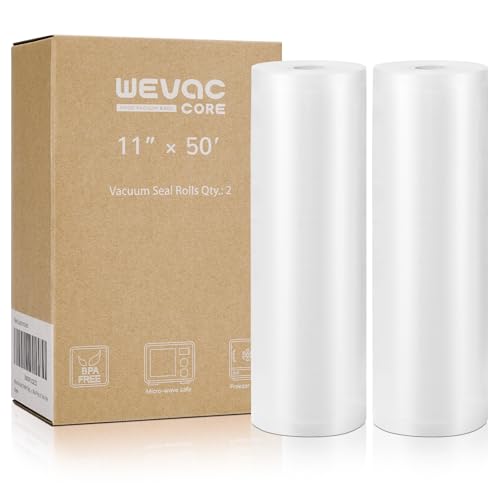
HEAVY DUTY AND PUNCTURE PREVENTION - 2 pack of 11 inch by 50 feet rolls with embossed channels to increase suction, keep fresh without freezer burn or dehydration
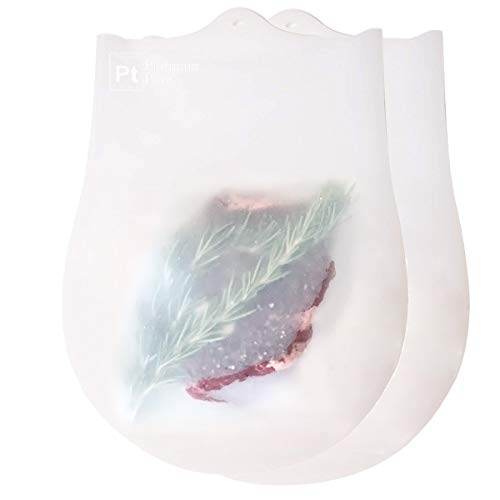
NOT ALL SILICONE IS CREATED EQUAL: 100% Platinum Pure LFGB silicone with No FILLERS – Surpasses minimums, the silicone in our sous vide bags is certified to the much more stringent European LFGB standards. Our platinum pure curing process ensures there are no by-products, BPA, BPS, PVC, or Phthalates. Our silicone bags are completely odorless and will not affect food odor or flavor.

1. Altinatives for Plastic Bags: Made with food-grade silicone which has very stable chemical properties. Not release chemical particles BPA & Phthalates and reduce the risk of microplastics exposure even in long time heating situation.
Safe Plastics for Sous Vide Cooking
Since sous vide cooking relies on sustained heat exposure, selecting the right plastic containers becomes critical to both food safety and cooking success. You’ll find polycarbonate containers widely recommended as reliable sous vide tools, offering temperature tolerance from -40°C to +100°C. Food-grade polyethylene bags and specialized silicone alternatives work equally well for food packaging, provided they’re free from BPA and phthalates. These materials remain chemically stable at typical sous vide temperatures (54-60°C), preventing harmful leaching into your food. Clear polycarbonate tubs let you monitor cooking progress without temperature loss, while their durable construction withstands prolonged water immersion. For sustainability, reusable silicone bags eliminate single-use waste while maintaining safety standards. Verify any container displays food-safe certification before using it for your sous vide preparations.


1. Upgraded Stronger Hinged Lid: Redesigned with a thicker split-hinge structure to replace the old thin one-piece hinge, giving the lid better strength and durability for repeated opening and closing.
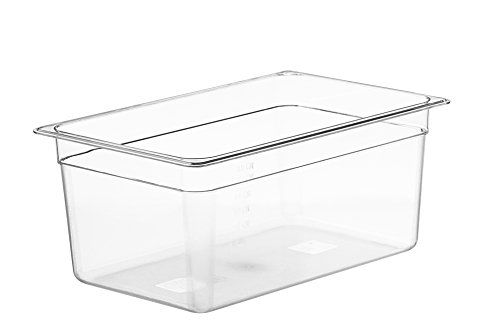
Matching Lids Available for a Vide Array of Immersion Circulators
Unsafe Plastics and Harmful Additives
While polycarbonate and food-grade polyethylene containers meet safety standards when properly selected, many plastic products contain harmful additives that you should actively avoid in sous vide applications. PVC containers frequently harbor phthalates—plasticizers linked to endocrine disruption and developmental issues—that migrate considerably when heated. BPA-containing plastics (code 7) leach estrogen-mimicking compounds at elevated temperatures. PFAS treatments enhance chemical resistance but persist indefinitely as “forever chemicals,” accumulating in your body with potential carcinogenic effects. Flame retardants, detected in 85% of kitchen plastics, cause neurotoxicity and reproductive harm. During sous vide cooking, prolonged heat exposure accelerates plastic exposure to your food. You’ll substantially reduce health risks by selecting certified food-grade, additive-free containers and avoiding recycled plastics that may contain electronic waste contaminants.
How Sous Vide Temperatures Affect Plastic Safety
The controlled low-temperature environment of sous vide cooking—typically between 130°F and 160°F—fundamentally reduces plastic degradation risks compared to conventional cooking methods. You’ll find that polyethylene bags remain chemically stable well below boiling point, where plastic breakdown accelerates. Maintaining temperature stability prevents localized overheating that could stress your bags or trigger chemical migration. Research shows minimal chemical leaching occurs below 140°F, meaning your food-safe, BPA-free bags won’t transfer harmful compounds at standard sous vide temperatures. By using proper insulation techniques—such as covers or bath towels around your container—you further protect against temperature fluctuations that compromise plastic integrity. This combination of inherently lower heat and consistent temperature control makes sous vide cooking substantially safer for plastic containers than traditional boiling or high-heat methods.
Evaluating Store Packaging for Sous Vide Use
Not all store packaging that safely holds cold foods will withstand sous vide temperatures, so you’ll need to evaluate each container carefully before use. Start by checking for explicit labeling indicating the packaging is microwave-safe or boil-safe—these designations suggest compatibility with sous vide heat. Examine the plastic code: codes 2, 4, and 5 typically indicate safer materials, while codes 3 (PVC) and 7 (other) pose risks unless specifically marked for cooking. Avoid multi-layered or foil-lined packaging, which can release harmful substances when heated. If manufacturer guidelines are unclear or absent, skip that container entirely. Your packaging evaluation should prioritize explicit manufacturer recommendations over assumptions, ensuring you’re protecting both your food and your health. Be sure to consider temperature tolerance when assessing containers for sous vide applications.

YOU WILL GET: 2 middle size Winrock silicone food storage bags. They are 100% pure silicone and BPA, lead, PVC, latex and phthalates free. The bags are easy to wash and durable, not as the single-use plastic bags, they are endlessly reusable.
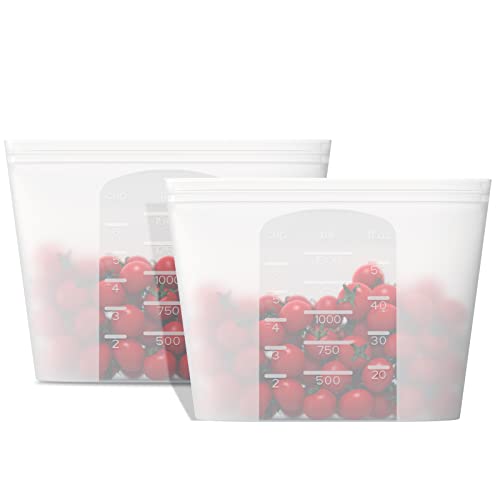
YOU WILL GET: 2 Large size Winrock silicone food storage bags. They are 100% pure silicone and BPA, lead, PVC, latex and phthalates free. The bags are easy to wash and durable, not as the single-use plastic bags, they are endlessly reusable.

THE CONSCIOUS & BUSY HOUSEHOLD: Designed for eco-conscious families, meal preppers, and busy professionals who prioritize food safety. Whether you’re packing lunches or organizing a week’s worth of sous vide dinners, this 4-pack set (2 Snack, 2 Sandwich) provides the perfect toxic-free storage solution for every member of the home.
Reading Recycling Codes and Labels
How can you determine whether a plastic container’s material will safely withstand sous vide cooking? Start by locating the recycling codes—those numeric symbols inside triangular arrows on your containers. You’ll want #2 (HDPE), #4 (LDPE), or #5 (PP), which safely handle sous vide temperatures without chemical leaching.
Beyond recycling codes, examine label importance carefully. Check for “food safe” or “BPA free” certifications that confirm the plastic’s suitability for cooking applications. Verify temperature limits on packaging to ascertain compatibility with your sous vide range, typically 130-140°F.
Avoid #3 (PVC), #6 (PS), and #7 (Other) plastics, as they risk leaching harmful chemicals. Manufacturer labeling provides critical safety information that recycling codes alone can’t convey, so don’t skip this verification step.
Glass and Silicone Alternatives to Plastic Bags
If you’re concerned about plastic exposure during sous vide cooking, glass jars and food-grade silicone bags offer proven alternatives that eliminate BPA and plasticizer leaching risks. Glass jar benefits include compatibility with high-liquid foods like grains, legumes, and desserts, though you’ll need to loosen lids to prevent pressure buildup. Silicone bag advantages encompass reusability, leak-free seals, and flexibility that conforms around food for improved heat transfer. Both options require temperature calibration adjustments since glass and silicone conduct heat differently than thin plastic bags. Expect slightly longer cooking times with either alternative. For solid items like steaks, plastic bags remain superior due to better contact and heat distribution. Choose glass for liquid-based dishes and silicone for environmentally conscious, durable reuse. Additionally, using food-safe plastic bags is important to ensure safe cooking at typical sous vide temperatures.

Works with any Sous Vide Machine — Compatible with Anova, Joule, Instant Pot, and ChefSteps circulators. No vacuum sealer needed — just zip, seal, and cook perfect steak, chicken, or fish every time

【100% SILICONE - MICROPLASTIC FREE】Tired of disposable ziplock plastic bags? Switch to silicone! Made from 100% food-grade silicone, Annaklin reusable ziplock bags are free of PVC, lead, chlorine, phthalates, BPA, and microplastics. Non-toxic and odorless, they keep your family’s food safe and healthy. The perfect alternative to single-use plastic bags—help reduce waste and protect our planet

✓ SET OF 2 EXTRA LARGE BAGS (16 x 11 inches) – 60% larger than other large silicone sous vide bags. Superior to other types of sous vide silicone bags as extra-large opening and size can accommodate prime rib and pork roasts. Long design for clean and stable overhang on container edge to avoid movement and leaks. These bags are compatible with most sous vide container with lid and compliment any sous vide cooker.
What Research Reveals About Plastic Migration
While concerns about plastic leaching into food during sous vide cooking persist among health-conscious cooks, the reality is more nuanced than popular headlines suggest. Research limitations greatly impact what we currently know: scientists haven’t conducted definitive studies specifically examining chemical migration under actual sous vide conditions. Existing testing methods often use high-stress scenarios like autoclaving at 100°C, which don’t reflect your gentle cooking environment below 85°C. Manufacturers also withhold complete additive formulations, creating transparency gaps. However, the plastics you’re using—HDPE, LDPE, and polypropylene—are chemically inert and free from BPA and phthalates. Your sous vide’s precise temperature control and vacuum sealing further minimize degradation risks, making migration unlikely under normal cooking parameters.
Best Practices for Safe Sous Vide Preparation
Understanding plastic behavior under controlled temperatures gives you confidence in your equipment, but safety ultimately relies on rigorous preparation practices that minimize pathogen risks throughout the cooking process. You’ll maintain water bath temperatures at or above 55°C and use calibrated digital thermometers for precision monitoring. Vacuum-seal food immediately in food-grade bags certified for sous vide temperatures to optimize heat transfer and prevent contamination. This technique also helps to extend shelf life by preserving freshness and flavor similar to how vacuum sealing benefits frozen foods. Prepare thinner portions to enable rapid heat penetration and faster cooling cycles. After cooking, you’ll rapidly cool food to below 3°C using ice baths, then store at or below 3°C for maximum five days. When reheating, reach 70°C core temperature. These sous vide temperature regulations and meticulous protocols maintain plastic container longevity while safeguarding against bacterial growth throughout preparation and storage. Additionally, using well-seasoned cast iron cookware can help provide iron to your diet without added health risks when combined with appropriate sous vide practices.

Compatible with All Desktop Vacuum Sealers: These vacuum sealer bags are designed to work with all traditional desktop vacuum sealer machines. Simple to operate and convenient to use. (Note: These bags do not feature an air valve and are not compatible with handheld vacuum sealers.)
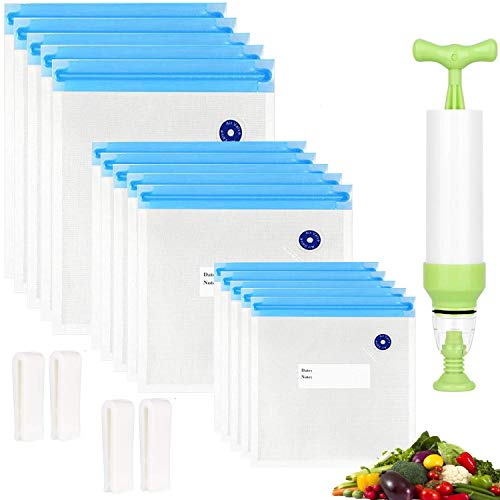
High-Quality Material: Crafted from food-grade materials to ensure safety and durability during sous vide cooking.

VACUUM SEALER BAGS ROLLS: 8"x20' 3rolls+11"x20' 3rolls, XinBaoLong Food Saver Bags Rolls, Commercial Grade, Heavy Duty, BPA Free for Vac Storage, Kitchen Gadgets, Kitchen Accessories


