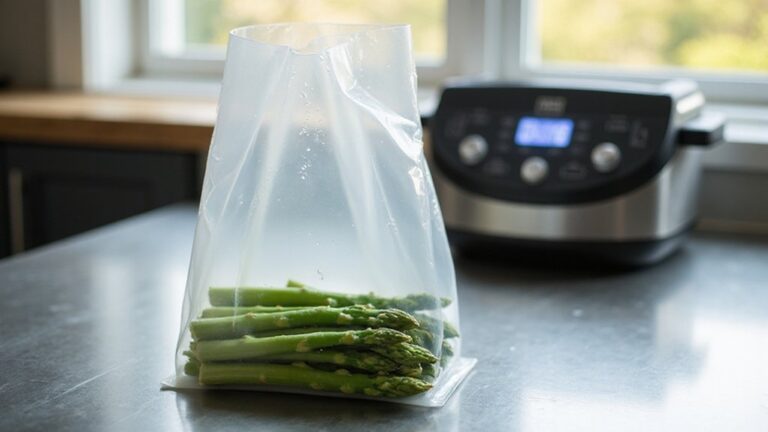
You can achieve sous vide cooking with your rice cooker by pairing it with an external temperature controller and waterproof probe. You’ll need to accept inherent limitations in precision and active water circulation that dedicated immersion circulators provide. While you’ll manage temperature fluctuations and heat stratification challenges, you’re capable of producing quality results with proper technique. Understanding the specific equipment requirements and cooking protocols reveals how you can optimize this budget-friendly approach.
Essential Equipment and Setup
Before you can start sous vide cooking with a rice cooker, you’ll need to gather several critical components: a rice cooker or slow cooker that serves as your water bath vessel, an external temperature controller to maintain precise heat regulation, a waterproof temperature probe to monitor water conditions, a heat-resistant container insert like a silicone steamer basket to prevent direct food-to-element contact, and either a vacuum sealer or zip-top bags for airtight food packaging.
Equipment selection directly impacts cooking success. Fill your water bath to at least 3/4 capacity to guarantee stable temperatures and proper water circulation around food pouches. Position your temperature controller adjacent to the heating vessel, then insert the waterproof probe into the water. Connect the controller output to your rice cooker’s power input following the provided wiring diagram. Secure all connections firmly to prevent accidental disconnection during cooking cycles.

2.4GHz Wifi Sous Vide Cooker: Connect the Sous Vide to a 2.4GHz Wi-Fi network via Free APP: INKBIRD, then you could SET and Monitor the Sous Vide Machine on your phone wherever you're.Could set your family members as administrators on the app if you're willing to share the device monitoring data with them, support max 100 administrators at a time

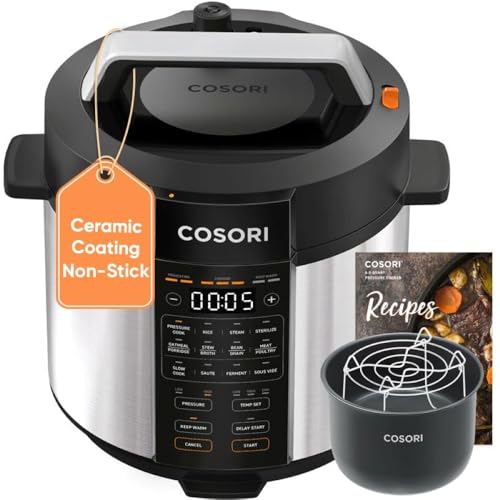
𝟵 𝗠𝗮𝗰𝗵𝗶𝗻𝗲𝘀 𝗶𝗻 𝟭: Pressure Cook, Rice, Steam, Sterilize, Oatmeal/Porridge, Stew/Broth, Bean/Grain, Meat/Poultry, Slow Cook, Sauté, Ferment, Sous Vide, Keep Warm
Achieving Precise Temperature Control
Once you’ve assembled your equipment and established the proper setup, you’ll need to master temperature control—the foundation of successful sous vide cooking. Your temperature accuracy depends critically on proper sensor placement. Position your probe centrally in the water bath, away from heating elements and cooker walls, to capture genuine water temperature rather than surface heat. Use an external controller with fine resolution (0.1°C increments) to maintain ±1°C precision throughout extended cooks. Calibrate your controller and sensor before cooking begins, ensuring actual temperatures match your target settings. Insulate your vessel and cover the water bath to minimize heat loss and fluctuations. Additionally, keep in mind that accurate measurements can be influenced by type of surfaces, as different materials reflect heat differently. Monitor and adjust control parameters as needed, optimizing both temperature difference and control range for stability. Utilizing a culinary blow torch can also help achieve caramelization in the sous vide process.

Pros have been doing it for years, and now you can too. Sous vide (pronounced sue-veed) is a cooking technique that utilizes highly precise temperature control in a circulating bath of water to deliver consistent, edge-to-edge perfect results, with virtually no risk of overcooking your food.

WE'VE IMPROVED THE TEMP CONTROLLER: This is NOT a humidity controller! Simplified operation, larger power, wider control range, standard U.S. outlet, enhanced waterproof sensor probe. Get the new version right now. NO WIFI connection!

Step-by-Step Cooking Process
Now that you’ve mastered temperature control, you’re ready to execute the actual cooking sequence. Once your water bath reaches target temperature, submerge sealed food bags completely. Cover the rice cooker lid to minimize heat loss and evaporation, maintaining stable conditions.
Your ingredient choice and thickness directly affect cooking times, so consult reliable sous vide guidelines for specific recommendations. Flip or agitate bags every 20-30 minutes if you suspect uneven heating from the rice cooker’s element placement. Monitor the water level throughout cooking, topping up with hot water to compensate for evaporation during extended sessions.
After reaching the target cooking time, carefully remove bags using tongs to prevent burns. Allow food to rest briefly before serving or further preparation.
Best Foods for Rice Cooker Sous Vide
While your rice cooker water bath’s precision excels at maintaining stable temperatures, you’ll want to select ingredients that truly benefit from sous vide‘s controlled environment.
For best meats, you’ll find second-grade beef and A5 Kobe Wagyu excel when slow-cooked in vacuum-sealed bags with butter, achieving tenderness impossible through conventional methods. Cooking with cast iron can also increase the iron content of the food, which is especially beneficial for those with higher iron needs. Chicken fillets tenderize without drying, while seafood like salmon and scallops retain delicate textures.
Ideal vegetables include carrots, broccoli, sweet potatoes, and pumpkin. Cut them into bite-sized pieces to guarantee even heat penetration within 15-40 minutes. You’ll preserve color, nutrients, and mouthfeel superior to traditional boiling. The sous vide method helps to ensure juicy pork roast results that are both flavorful and tender.
Specialty items like precisely-cooked eggs at 67°C yield uniquely textured results. Rice cooker sous vide shines with foods requiring moisture retention and consistent, controlled cooking temperatures that standard methods can’t replicate.
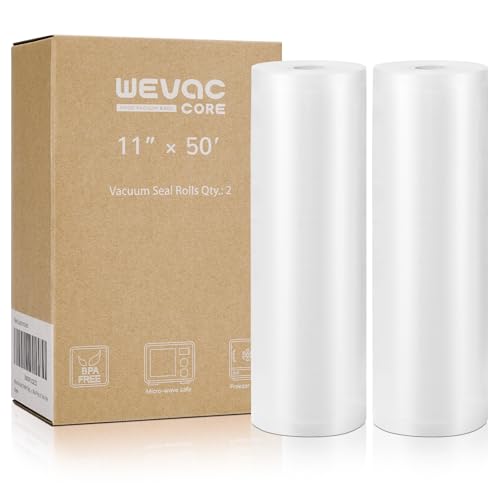
HEAVY DUTY AND PUNCTURE PREVENTION - 2 pack of 11 inch by 50 feet rolls with embossed channels to increase suction, keep fresh without freezer burn or dehydration

✔️【Wide Range of Use】Made of PE/PA food grade material, FIRAWER sous vide cooking bags are reusable up to 10 times, can keeps fresh for meat, seafood, vegetables, fruits, grains, nuts snacks and sandwiches, ect. Suitable for kitchen, camping, spring outing, travel and other scenes.

🔋 Cordless & Rechargeable for Anytime Use Enjoy powerful suction without cords! Our electric handheld vacuum sealer features a built-in rechargeable battery, making it perfect for home kitchens, camping trips, or meal prepping on the go.
Challenges and Workarounds
Although rice cookers offer convenience as water baths, they’re fundamentally limited for sous vide cooking due to design constraints that conflict with the method’s stringent requirements. You’ll encounter temperature fluctuations that compromise cooking consistency, as rice cookers lack the precision thermostats needed for maintaining temperatures within 1°C. Without active water circulation, you risk heat stratification and localized overheating near heating elements. These factors create significant safety concerns, particularly regarding bacterial pathogens like Clostridium botulinum that thrive in inadequately pasteurized foods. To mitigate these limitations, you can attach external temperature controllers or dedicated immersion circulators to your rice cooker, effectively transforming it into a proper sous vide setup. However, this modification requires additional investment and technical implementation.