You can safely use standard Ziploc bags for sous vide cooking below 77°C (170°F), as polyethylene meets food safety standards without BPA or phthalates. However, they’re less effective than vacuum-sealed alternatives for sessions exceeding 4–6 hours, since seams weaken under prolonged heat exposure. You’ll achieve ideal results using the water-displacement sealing method and keeping bags away from direct heat sources. Understanding the specific temperature thresholds and cooling protocols reveals critical safety distinctions worth exploring further.
Understanding Ziploc Bag Material Composition and Food Safety
When you’re considering Ziploc bags for sous vide cooking, understanding their material composition is essential to evaluating their safety and performance. Ziploc bags are primarily constructed from polyethylene, a thermoplastic polymer available in two grades. Standard bags use low-density polyethylene (LDPE), while freezer bags employ high-density polyethylene (HDPE) for superior strength and durability. Polyethylene properties make it food-safe for storage and limited heat exposure, meeting regulatory standards for direct food contact. However, you should recognize that LDPE softens above 100°C (212°F) and melts at approximately 115°C (239°F), while HDPE tolerates higher temperatures, melting around 130°C (266°F). These polyethylene properties directly influence the bag’s suitability for sous vide applications, where temperature control and material stability determine food safety outcomes.
Chemical Safety Standards and BPA-Free Certification
Because chemical safety is paramount when you’re using Ziploc bags for sous vide, you’ll want to understand both what’s been tested and what hasn’t. Ziploc bags are BPA-free and phthalate-free, which markedly reduces risks of hormone-disrupting chemical leaching. However, they’re not specifically certified for high-heat cooking applications like sous vide.
The bags meet general food safety regulatory standards for typical use—refrigeration and microwave heating—but lack sous vide-specific testing. While no clear evidence shows chemical leaching at standard sous vide temperatures (50-80°C), the manufacturer doesn’t rate these bags for boiling or prolonged high-heat exposure. Beyond BPA, you should consider other plastic additives that may migrate under extended heating conditions. Following manufacturer guidelines remains essential for safety. Additionally, it’s important to note that exclusive options exist for vacuum sealing that can enhance food preservation during sous vide cooking.
Temperature Limitations: What You Need to Know
While BPA-free certification provides reassurance about specific chemical hazards, it doesn’t address the physical limitations that heat imposes on Ziploc bags themselves. You should keep water temperatures between 158°F and 170°F (70°C to 77°C) to maintain bag integrity. Beyond 160°F, seams weaken considerably, risking leaks that compromise food safety. Polyethylene, the primary material in standard Ziploc bags, wasn’t engineered for prolonged cooking heat exposure. The slider mechanism and heat-sealed seams represent mechanical weak points that degrade faster under temperature stress. For sous vide sessions exceeding 4–6 hours, you’ll want vacuum-seal bags instead. Additionally, when cooking food using methods that require direct flame, like butane torches, you’ll want to ensure that your cooking vessels are heat-resistant to avoid safety hazards. If you’re using standard Ziploc bags, limit temperature exposure to prevent plastic warping, softening, and potential contamination from microscopic perforations. To ensure a safe cooking experience, consider the temperature limitations noted in reliable sous vide methods.
How Ziploc Bags Perform in Sous Vide Cooking
Since polyethylene doesn’t break down at typical sous vide temperatures (70–77°C), standard Ziploc bags from reputable manufacturers offer reliable performance for most cooking applications. You’ll achieve sous vide versatility through proper bag sealing techniques that minimize air pockets and guarantee even heat distribution. When you seal all but the last inch and submerge slowly while pressing out air, you create near-vacuum conditions comparable to commercial equipment. Securing your bag with clips prevents flotation and circulation blockage, optimizing heat transfer efficiency. For extended cooking periods up to eight hours, Ziploc bags demonstrate excellent durability without deterioration. However, you should avoid temperatures exceeding 80–85°C, as higher heat exposure risks compromising bag integrity and potentially affecting food safety outcomes. Additionally, using the water displacement method can enhance the effectiveness of Ziploc bags in sous vide cooking. Vacuum sealing helps extend shelf life and preserves the nutritional value of food, making it an essential practice for food preparation.

Reusable and Reliable Design: These sousvide machine with bags are easy to clean and made to last; reduce waste while enjoying long-term food storage and meal prep with durable, flexible material

Food Preservation: Ziploc Gallon Freezer Bags help extend the life of food and protect your food investment

Ziploc Endurables seamlessly go from freezer, to oven, to table – to anywhere you go
Water Displacement Technique for Optimal Results
The water displacement technique harnesses hydrostatic pressure to eliminate air from your bag without requiring expensive vacuum-sealing equipment. You’ll partially seal your zipper bag, then slowly submerge it into water starting from the bottom. As hydrostatic pressure compresses the air inside, it forces the gas out through your unsealed opening near the surface. Gently massage the bag to encourage complete air removal around the food for maximum contact. Seal the bag completely just above the waterline, trapping minimal residual air. This method reduces floating, enhances heat conduction, and improves cooking consistency. You’ll achieve effective air removal using only a container and freezer-grade bags, making it an efficient, cost-effective alternative to vacuum sealers for ideal sous vide results.
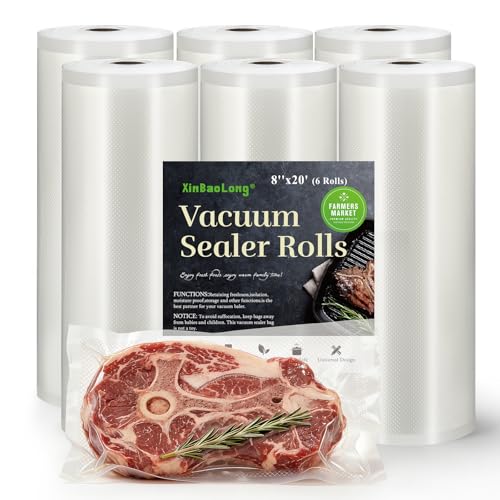
VACUUM SEALER BAGS ROLLS: 8"x20' 6 rolls, XinBaoLong Food Saver Bags Rolls, Commercial Grade, Heavy Duty, BPA Free for Vac Storage, Kitchen Essentials, Kitchen Gadgets

✔️【Wide Range of Use】Made of PE/PA food grade material, FIRAWER sous vide cooking bags are reusable up to 10 times, can keeps fresh for meat, seafood, vegetables, fruits, grains, nuts snacks and sandwiches, ect. Suitable for kitchen, camping, spring outing, travel and other scenes.
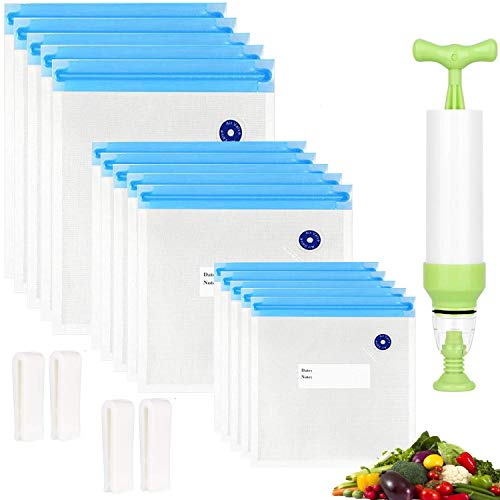
High-Quality Material: Crafted from food-grade materials to ensure safety and durability during sous vide cooking.
Comparing Ziploc Bags to Specialized Sous Vide Bags
Once you’ve mastered the water displacement technique, you’ll want to evaluate whether standard Ziploc bags truly match the performance of bags engineered specifically for sous vide cooking.
Ziploc bag durability presents significant limitations for repeated sous vide use. Standard Ziploc bags degrade beyond 158°F (70°C) and develop microtears after one or two cycles. Specialized vacuum bags withstand temperatures up to 195°F (90°C) and maintain integrity through multiple uses. Additionally, it’s important to note that food-safe plastic bags used for sous vide do not contain harmful additives, enhancing safety at cooking temperatures. Using vacuum sealing has the added benefit of improving heat distribution during cooking, ensuring more consistent results.
The vacuum bag advantages extend beyond heat resistance. Vacuum sealing creates an airtight closure superior to zip-top seals, minimizing water ingress—particularly critical for moisture-rich foods. You’ll find vacuum bags more cost-effective long-term despite higher upfront costs. Silicone options offer the best reusability, rated for hundreds of uses.
For extended cooking sessions and higher temperatures, vacuum bags provide reliability that standard Ziploc bags can’t guarantee.

THE CONSCIOUS & BUSY HOUSEHOLD: Designed for eco-conscious families, meal preppers, and busy professionals who prioritize food safety. Whether you’re packing lunches or organizing a week’s worth of sous vide dinners, this 4-pack set (1 Sandwich, 1 Lunch, 1 Half-Gallon & 1 Gallon) provides the perfect toxic-free storage solution for every member of the home.

Works with any Sous Vide Machine — Compatible with Anova, Joule, Instant Pot, and ChefSteps circulators. No vacuum sealer needed — just zip, seal, and cook perfect steak, chicken, or fish every time
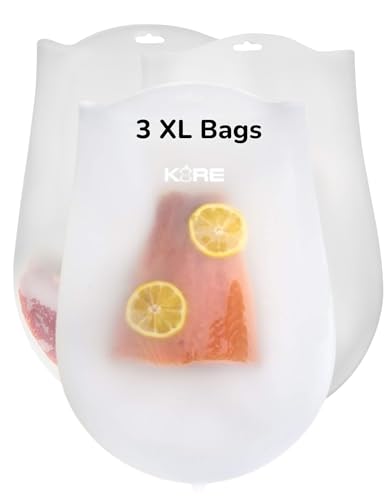
NO VACUUM SEALER REQUIRED Save money and counter space with bags designed for the water displacement method. Lower the bag into your sous vide container and water pressure removes the air automatically. No pump, no machine, no extra equipment needed. Works with Anova, Joule, Instant Pot circulators, and all other sous vide devices
Bacterial Safety and Proper Cooling Methods
While Ziploc bags offer convenience for sous vide cooking, they introduce a critical consideration: bacterial safety necessitates your strict attention to temperature control and cooling protocols. You must maintain temperatures at or above 56°C (132.8°F) to destroy pathogenic bacteria, particularly in vacuum-sealed environments where Clostridium botulinum thrives. If you cook below 55°C, limit duration to six hours maximum to prevent bacterial growth.
Your cooling techniques determine post-cooking safety. You’ll rapidly chill food in an ice-water bath immediately after cooking, bringing internal temperatures below 5°C (41°F) within two hours. This critical step prevents spore-forming bacteria from proliferating in sealed bags. Subsequently, refrigerate at below 5°C and consume within five to seven days, or freeze for extended storage. Precise temperature monitoring throughout cooling guarantees contamination prevention.
Cost-Effectiveness and Accessibility for Home Cooks
Beyond maintaining rigorous temperature protocols, you’ll find that Ziploc bags greatly lower the financial and logistical barriers to sous vide cooking. Standard freezer-grade bags cost under five dollars per use and are readily available at supermarkets, eliminating the need for expensive vacuum sealers. Their reusability after washing extends value further, reducing per-cook expenses compared to disposable alternatives. Additionally, these bags are great for achieving precise internal temperatures much like specialized kitchen thermometers used in baking. For beginner recipes, Ziploc’s food-safe polyethylene construction—BPA-free and phthalate-free—safely handles temperatures under 80°C. Simple water-displacement sealing requires no specialized equipment, making setup accessible to novices. The bags accommodate both solids and liquids, proving practical for homemade marinades and sauces that enhance flavor development during cooking. Additionally, properly cooked eggs in Ziploc bags can offer similar results to traditional sous vide methods, maximizing the benefits of this affordable cooking technique. This combination of affordability and ease markedly reduces entry barriers, enabling you to experiment confidently without substantial upfront investment.

【Upgraded Vacuum Pump】Our upgraded vacuum pump is designed to easily and cleanly suck out air, with no need to spend much time aligning the pump and valve.
Universal Design: Compatible with All 'Clamp Style' Vacuum Sealer Machines

【42 PCS Food Vacuum Sealer Set, Use for Home /Restaurant /SuperMarket】Kosbon 42 PCS Sous Vide Vacuum Sealer Set - 30 Reusable Bags, 5 Clips and Sealing Clips for Anova, Joule Cookers.
Best Practices for Using Ziploc Bags Safely
To maximize safety and effectiveness when using Ziploc bags for sous vide cooking, you’ll need to understand the critical technical parameters that govern their performance. First, verify your water temperature doesn’t exceed 185°F—this threshold protects against plastic degradation and chemical leaching. Use freezer-grade Ziploc bags exclusively, as their thicker construction withstands heat better than standard sandwich bags.
For safe sealing, employ the water displacement method to remove air effectively. Inspect bags for punctures before use, verify seals are debris-free, and avoid overstuffing. Never reuse bags, as bacterial contamination and plastic degradation compromise safety. Prevent localized overheating by keeping bags away from pot sides and bottoms. These best practices establish the foundation for reliable, secure sous vide cooking.

VACUUM SEALER BAGS ROLLS: 8"x20' 3rolls+11"x20' 3rolls, XinBaoLong Food Saver Bags Rolls, Commercial Grade, Heavy Duty, BPA Free for Vac Storage, Kitchen Gadgets, Kitchen Accessories
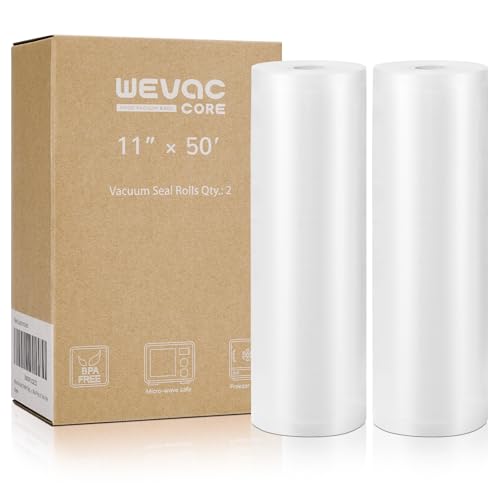
HEAVY DUTY AND PUNCTURE PREVENTION - 2 pack of 11 inch by 50 feet rolls with embossed channels to increase suction, keep fresh without freezer burn or dehydration

1. No Floating. No Vacuum Needed. Use water displacement to seal; no vacuum machine required. A simple, reliable way to cook with sous vide silicone bags.
Long-Term Storage Considerations and Limitations
Once you’ve mastered the immediate safety protocols for sous vide cooking, you’ll need to contemplate how Ziploc bags perform beyond single cooking sessions—particularly regarding material degradation, storage longevity, and sustainability implications. Standard Ziploc bags function adequately for long term storage durations of two days or less. Beyond this timeframe, permeability issues compromise food quality and safety. Moisture infiltration becomes problematic during extended storage periods, as air exposure inside sealed bags undermines bacterial growth prevention. While the water displacement sealing method reduces permeability concerns, it doesn’t eliminate them entirely. The double-bagging technique provides additional protection against moisture infiltration and air exposure. For storage exceeding two days, vacuum sealer bags or silicone reusable alternatives deliver superior performance and barrier protection. Additionally, vacuum sealing can extend shelf life significantly, making it a more reliable option for managing food freshness over longer periods. Understanding the risks of thermal stress is crucial when considering cooking methods that may involve high temperatures.