You can safely use cast iron skillets daily without producing carcinogens—concerns about non-stick pans don’t apply here. They’ll actually boost your dietary iron intake, especially when cooking acidic foods. Proper seasoning creates a protective layer that minimizes chemical exposure. You’ll need basic maintenance: clean with hot water and a stiff brush, avoid harsh soaps, and dry immediately. Well-maintained skillets develop superior nonstick surfaces over time. However, those with hemochromatosis should monitor intake carefully. Understanding what separates fact from fiction reveals why cast iron remains a worthwhile kitchen investment.
Iron Content and Nutritional Impact of Cooking With Cast Iron
When you cook acidic and high-moisture foods in cast iron, you’re markedly increasing their iron content—applesauce can jump from 0.35 mg to 7.38 mg per 100g, while spaghetti sauce rises from 0.61 mg to 5.77 mg. This iron leaching intensifies with longer cooking times and frequent stirring, which maximize surface contact between food and skillet. Newer cookware leaches substantially more iron than well-seasoned pieces, as the protective seasoning layer reduces reactivity. However, the iron absorbed from cast iron is non-heme iron—similar to plant-based dietary sources—which your body absorbs at only 2%-20% efficiency. Meat and vegetable dishes show the highest iron increases, while dry foods like fried eggs absorb minimal amounts. Actual iron absorption ultimately depends on your food’s composition and presence of enhancers like vitamin C. Additionally, cooking with cast iron can boost iron intake while providing excellent heat retention and even cooking, which enhances flavor and preserves nutrients better than many other pans.

5.5-inch square skillet for grilled cheese or ham & cheese sandwiches
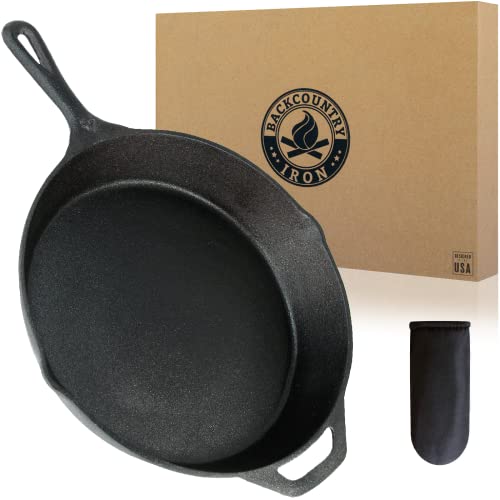
Backcountry Iron’s 12 inch round cast iron has superior heat retention for even cooking. This skillet comes pre seasoned, ready to use out of the box! This pan has a 12.25 inch diameter, measures 12.75 inches spout to spout, and has a handle length of 4.75 inches.
Safety and Carcinogen Myths
Despite widespread concerns, cast iron cookware doesn’t create carcinogens through typical stovetop or oven cooking. You won’t face increased cancer risk from using cast iron at normal temperatures, unlike non-stick pans that release PFOA and PFAS compounds when heated.
Carcinogen sources like polycyclic aromatic hydrocarbons (PAHs) and heterocyclic amines (HCAs) stem from grilling or charring meats over open flames—not from cast iron itself. Your cast iron pan remains inert regardless of temperature. In fact, cooking with cast iron can increase the iron content of your dishes, which can be beneficial for those with higher iron needs.
The real carcinogen sources originate from food preparation methods. Burnt fats and black pepper produce known carcinogens independently of cookware materials. Proper seasoning minimizes any concern, creating a protective layer that prevents harmful chemical exposure. Additionally, while cast iron is generally safe, cooking acidic foods can be problematic due to iron leaching, which is best avoided. You can confidently use cast iron without carcinogen worries.
Seasoning and Maintenance Practices
Proper seasoning transforms cast iron into a durable, nonstick cooking surface through polymerization—a chemical process where oil bonds to the iron at high temperatures. You’ll achieve prime results by applying thin, even coats of high smoke point oils like vegetable shortening, then baking at 450-500°F for about an hour. Multiple seasoning cycles—up to six coats—enhance hardness and nonstick quality considerably. Using a cast iron skillet for classic recipes such as Beef Stew can further improve its seasoning over time.
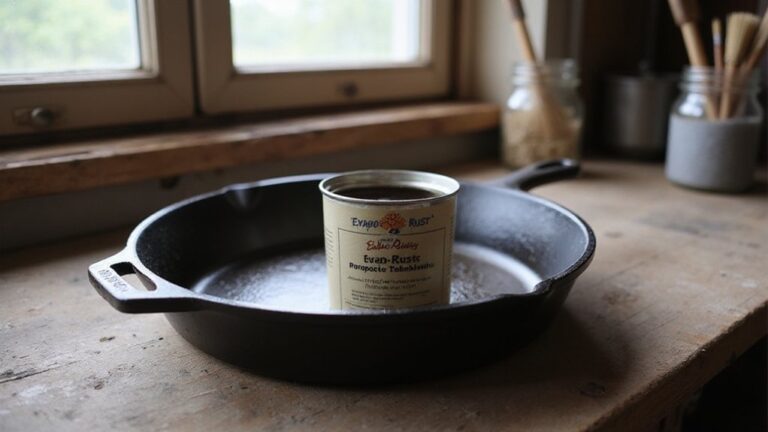
To revitalize a rusty cast iron skillet, consider using the vinegar spray solution which is an effective method for removing rust before reseasoning. For maintenance tips, wipe your skillet with a light oil coating after each cleaning to prevent oxidation and rust. Regular cooking reinforces seasoning naturally, while avoiding prolonged soaking and harsh soaps preserves the layer integrity. Address minor damage promptly by applying thin oil layers and reheating briefly. These seasoning techniques and consistent maintenance practices guarantee your cast iron remains safe, functional, and protected for years.

Mild and Easy: Grapeseed Oil is at its best in stir-fries and sautés; it doesn't overwhelm other ingredients and lets fresh flavors shine. When grilling or frying, it is a must-have in the pantry.

100% GRAPESEED OIL BULK SIZE: Expertly crafted by The Olive Oil People using wine grape seeds imported from France

Healthy High Heat Oil: Expeller-pressed from fresh avocados and protected in our iconic light-blocking tin, this smooth, neutral oil preserves freshness and flavor. Fire up the grill, sear the perfect steak, or master a golden, crispy fry — all without losing the natural taste of your ingredients. With a high smoke point and everyday versatility, Sear & Sizzle should be every kitchen’s secret weapon.
Cooking Performance and Usage Considerations
Your well-maintained cast iron skillet now delivers exceptional cooking performance that stems directly from those seasoning layers you’ve built up. The polymerized oil surface you’ve created dramatically improves your cooking efficiency by preventing sticking and enhancing browning through superior heat retention. Studies demonstrate that cast iron outperforms stainless steel and aluminum in maintaining consistent temperatures, making it ideal for searing and frying. Additionally, cast iron skillets are versatile and suitable for a wide range of cooking methods, enabling you to explore various culinary techniques. Once heated, your skillet sustains temperature far longer than thinner materials, enabling steady cooking conditions essential for quality results. However, you’ll want to reflect on the skillet’s weight during extended cooking sessions, as its heft—while vital for heat retention—may cause fatigue. For best performance, you’ll achieve best results by avoiding prolonged food storage in your skillet, which can degrade the seasoning layer. Proper seasoning involves heating the oil to its smoke point, allowing it to bond chemically with the cast iron for a durable protective layer.

3 SIZES FOR EVERY MEAL: Use the 8-inch for eggs and sides, the 10-inch for burgers and vegetables, and the 12-inch for steaks, fried chicken and cornbread.

Versatile Cooking Skillet: The Lodge Cast Iron Skillet is a multipurpose, everyday cooking pan that excels at searing, sautéing, baking, frying, and campfire meals
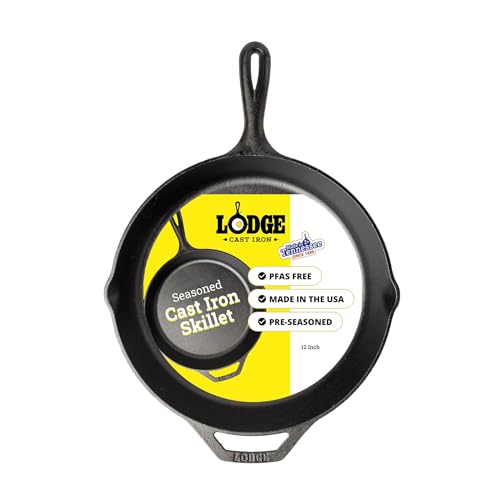
Quality Cast Iron Frying Pan: The Lodge Seasoned Cast Iron Skillet is loved for its great heat retention, incredible durability, and ability to make almost any recipe you dream up
Health Benefits and Considerations for Special Populations
While cast iron’s seasoning creates superior cooking performance, the cookware’s interaction with food introduces distinct health considerations that vary significantly across different populations. If you have iron deficiency, cast iron cooking can supplement your dietary intake by leaching 3-5 mg of iron per serving when preparing acidic foods. However, if you have hemochromatosis risks or belong to populations requiring lower iron intake—men and postmenopausal women need only 8 mg daily—you should avoid regular cast iron use to prevent iron overload and organ damage. Children require particular caution due to iron poisoning vulnerability. Additionally, excess iron catalyzes oxidative stress, potentially contributing to heart disease and inflammation. You’ll benefit most when cast iron complements, rather than replaces, thorough dietary and medical strategies. Using a meat thermometer ensures safe cooking practices, particularly for meats, and eliminates guesswork in preparation. Oven-safe probe thermometers are designed to remain in the meat throughout cooking, offering accurate temperature readings for optimal results.
Common Misconceptions and Myths
Because cast iron cookware has been in use for centuries, numerous myths have accumulated around its care and performance—many of which contradict scientific evidence and modern understanding. You don’t need to fear utensil damage from metal utensils; the seasoning’s chemical bond to the surface resists scratching. Similarly, you can safely cook with acidic foods without concern, provided you avoid extended slow-simmering. Quick cooking with wine or lemon juice remains acceptable. You’ll also notice that modern dish soaps won’t harm your seasoning when you wash immediately and dry thoroughly. Thorough drying is crucial to prevent rust and maintain the skillet’s longevity. Food acidity only becomes problematic during prolonged cooking sessions exceeding one hour. These clarifications demonstrate that cast iron requires far less fussy care than popular mythology suggests. Additionally, using light olive oil for seasoning can enhance the skillet’s protective layer and longevity.