

You’ll achieve perfect doneness by targeting precise internal temperatures: medium-rare at 129–134°F, medium at 135–144°F, and medium-well at 145–155°F. Sous vide’s vacuum-sealed environment locks in moisture while enzymatic proteins break down gradually, creating that signature buttery texture. Standard cuts require 1–4 hours depending on thickness, with each quarter-inch adding 20–55 minutes. Temperature control guarantees uniform doneness regardless of steak size. For thorough guidance on timing, texture development, and post-cook finishing techniques, the complete framework awaits.
Temperature Ranges for Each Doneness Level
Whether you’re seeking a barely warmed interior or a fully cooked center, achieving your preferred steak doneness with sous vide requires precision within specific temperature ranges. Temperature impact directly determines your final result’s color, texture, and juiciness.
Medium-rare, ranging from 129°F to 134°F, remains the most popular choice for sous vide techniques. This range delivers a warm, red center with tender texture while myoglobin begins denaturing. If you prefer more pink, medium temperatures between 135°F and 144°F offer moist, meaty steaks. For those wanting less pink, medium-well spans 145°F to 155°F, producing firmer texture with reduced juiciness. It is essential to know that using an oven-safe thermometer can help monitor safety without removing the meat from the heat. Finally, well-done steaks exceed 156°F, fully denaturing myoglobin and creating gray-brown centers. Each temperature range fundamentally alters your steak’s characteristics, so select accordingly.
To achieve optimal results, it’s essential to follow sous vide cooking times and adjust them based on your steak thickness and desired doneness.

Pros have been doing it for years, and now you can too. Sous vide (pronounced sue-veed) is a cooking technique that utilizes highly precise temperature control in a circulating bath of water to deliver consistent, edge-to-edge perfect results, with virtually no risk of overcooking your food.


WiFi & App Remote Control - Cook from Anywhere: Control your sous vide cooking remotely with ease. Once connected to your 2.4GHz WiFi network via the INKBIRD app, you can monitor the temperature, adjust settings, and start or stop your cook from anywhere-suitable for busy households and multitasking cooks
Cooking Times and Duration Guidelines
Once you’ve selected your target temperature, the cooking duration becomes the second critical variable in achieving consistent sous vide results. Thickness impact directly determines your timing requirements. Thin steaks of one inch or less require just 40 minutes minimum, while standard 1.5 to 2-inch cuts need 1 to 4 hours depending on doneness level. Thicker cuts extending to 2.75 inches demand 2 hours 45 minutes to 5.5 hours. Each quarter-inch increase adds approximately 20 to 55 minutes. For ideal cooking techniques, maintain steaks at temperature for at least 2 hours to maximize tenderness. Additionally, ensure your sous vide setup is calibrated properly, just like you would do with an infrared thermometer to verify your oven’s accuracy. Investing in a vacuum sealer can further enhance the cooking quality by ensuring an even cook and flavor retention. Never exceed 4 hours, as extended durations cause tendon breakdown, resulting in undesirable shredded texture rather than your desired chew.
Texture and Tenderness Development
As you extend your sous vide cooking time beyond the minimum duration, enzymatic proteins actively break down within the muscle tissue, fundamentally transforming your steak’s texture from firm to increasingly tender. This enzymatic action tenderizes meat similarly to dry aging but accelerates the process through warm aging techniques. At 130°F for one hour, you’ll experience a pleasant chew with stretch and pull texture when tearing. Extended cooking progressively softens the meat structure, yielding buttery consistency while maintaining moisture retention. Temperature directly influences this progression: rare at 56°C delivers meaty texture with vibrant color, while medium-rare at 58°C balances tenderness and firmness. The enzymatic action combined with precise temperature control guarantees even transformation throughout your steak without moisture loss. Moreover, just like how butane burns at lower temperatures, cooking steak sous vide allows for precise control over the cooking environment, ensuring optimal doneness with enhanced flavor.
Color Changes and Myoglobin Breakdown
While temperature control preserves your steak’s tenderness during sous vide cooking, it simultaneously dictates the color transformation occurring within the muscle tissue. Myoglobin, the pigment responsible for meat’s red hue, denatures irreversibly above 60°C (140°F). When you cook sous vide between 50–55°C (122–131°F), you maintain myoglobin stability and achieve uniform pink-red coloration throughout. As temperatures approach 60°C, color gradually shifts toward light brown. Beyond this threshold, complete denaturation produces grey-brown meat.
Your cooking duration compounds these effects; extended times at lower temperatures still cause gradual color change. Post-cook searing won’t compromise internal color preservation since myoglobin remains intact. Understanding this relationship between temperature precision and myoglobin behavior enables you to achieve your desired color outcome consistently.
Precision and Consistency Advantages
The precise temperature control that preserves myoglobin’s color stability also delivers remarkable advantages in consistency and reproducibility—benefits that extend far beyond aesthetics. When you set your immersion circulator to a target temperature, every steak reaches uniform doneness throughout, regardless of thickness or size. This eliminates the gradient doneness issues inherent in traditional cooking techniques. Additionally, using versatile cooking methods like sous vide can enhance your overall culinary experience, much like cooking in a Le Creuset Dutch Oven.
Vacuum sealing prevents moisture loss, locking in juices and enhancing flavor enhancement across batches. You’ll achieve restaurant-quality results repeatedly, removing subjective doneness assessments like color or touch that often mislead. The extended hold window grants you timing flexibility without overcooking risks, while controlled protein breakdown creates that signature melt-in-the-mouth texture. Additionally, combining sous vide cooking with pre-marinating food can further intensify flavor depth. This reproducibility reduces waste from failed attempts, making sous vide invaluable for consistent, dependable outcomes every single time.
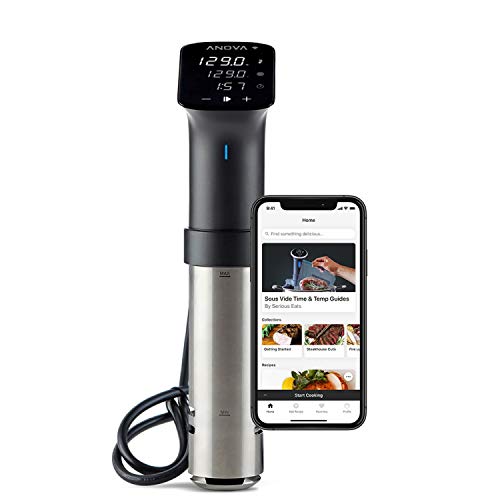
Perfect results every time: never over or undercook your food again. The Anova precision cooker sous vide (pronounced “sue-veed”) circulates water at the exact temperature required for perfectly cooked meals, no matter what's on your menu. Use the Anova app to access thousands of free recipes and monitor your cook from anywhere via your smartphone
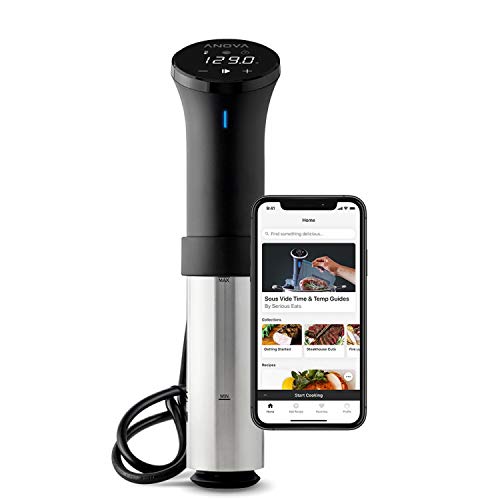
Perfect results every time: Never over or under cook your food again. The Anova Precision Cooker circulates water at the exact temperature required for perfectly cooked meals, no matter what's on your menu. Use the Anova app to access thousands of free recipes and monitor your cook from anywhere via your smartphone.Power 1100 Watts.Power 1100 Watts

Perfect results every time: Never over or under cook your food again. The Anova Precision Cooker Nano circulates water at the exact temperature required for perfectly cooked meals, no matter what's on your menu..Temperature : 0˚-92˚C (32˚-197˚F) | +/- 0.1˚C (0.2˚F) accuracy.
Recommended Practices and Tips
To achieve the consistency you’ve gained through precise temperature control, you’ll want to master several foundational techniques that transform sous vide cooking from a simple process into a refined method. Vacuum-seal your steak with aromatics and fat to enable flavor infusion while ensuring even heat transfer. Preheat your water bath to your target temperature, then maintain it within ±1°F using a reliable immersion circulator. For extended cooks beyond two hours, cover your bath to minimize evaporation. After cooking, pat your steak dry immediately and sear it for 30-60 seconds per side using high heat. This finishing step develops a flavorful crust without compromising the precise interior doneness you’ve achieved, then rest briefly before serving. Adding fresh herbs like rosemary or thyme can enhance the aromatic flavor of your steak during the sous vide process. One key aspect of sous vide is maintaining temperature control similar to how you would carefully layer ingredients in a Dutch oven to ensure even cooking.

Get Doneness Right: Take the guesswork out of medium-rare steaks, juicy chicken, tender fish, and more with precise control that keeps the water at your chosen temperature. With 1100W power for baths up to 15L, continuous circulation moves heated water throughout the container and around your food for steady, even heat from every direction.
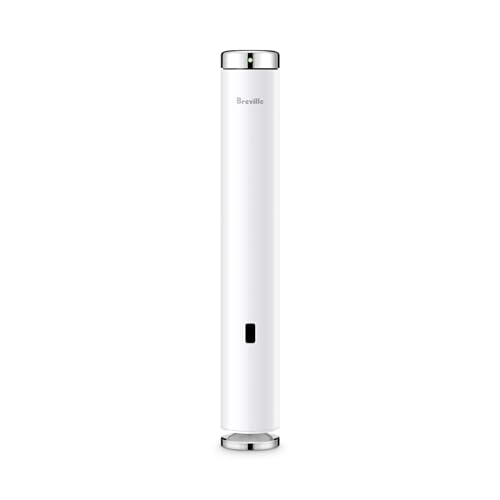
The Breville Joule Turbo Sous Vide cooker provides an automated cooking experience in your kitchen, powered by the Joule App; Powerful sous vide machine makes cooking easy, especially cooking meat; Put it on Autopilot and let it do all the work

2.4GHz Wifi Sous Vide Cooker: Connect the Sous Vide to a 2.4GHz Wi-Fi network via Free APP: INKBIRD, then you could SET and Monitor the Sous Vide Machine on your phone wherever you're.Could set your family members as administrators on the app if you're willing to share the device monitoring data with them, support max 100 administrators at a time


