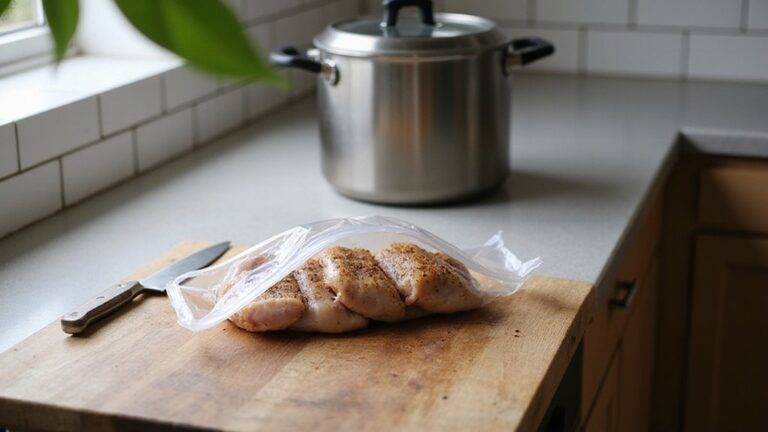
You’ll need specialized sous vide bags designed for prolonged heat exposure. Standard storage bags aren’t suitable because they lack the heat resistance and chemical stability required for cooking temperatures. Vacuum-seal bags handle 55–120°C depending on construction, while zipper-lock bags work for lower temperatures up to 80°C. You must verify food-grade certification and check manufacturer specifications for your intended cooking parameters. The right bag selection directly impacts food safety and quality outcomes throughout your cooking process.
Types of Sous Vide Bags Available
What distinguishes one sous vide bag from another? Material composition and design fundamentally determine performance differences.
You’ll encounter three primary categories. Vacuum seal bags require external or chamber machines to remove air, offering superior heat resistance up to 110°C and excellent durability through polyamide-polyethylene blends. Vacuum sealing extends shelf life by removing oxygen, which can improve food quality when freezing. Vacuum seal vs. zipper lock bags present a key trade-off: zipper-lock variants lack vacuum capability but provide convenience through water displacement techniques, making them accessible and cost-effective.
Silicone bag benefits include reusability and sustainability, though higher upfront costs offset long-term savings. Platinum-cured silicone withstands repeated cooking cycles without degradation. For optimal results, using a vacuum sealer can enhance cooking performance and food preservation.
Shape variations—rectangular, round, and oval—accommodate different food types and cleaning requirements. Size options range from small to large across disposable formats, while reusable silicone bags demand careful maintenance due to potential grooming issues in textured designs.
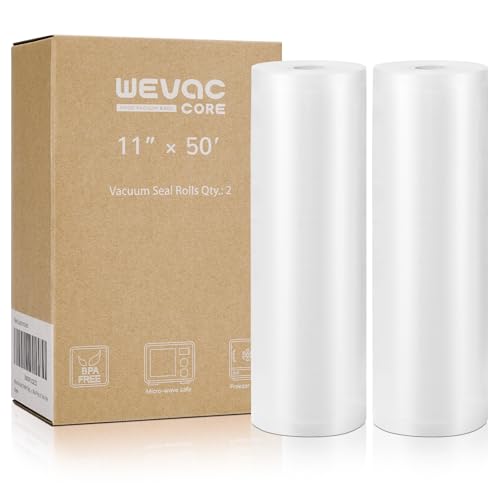
HEAVY DUTY AND PUNCTURE PREVENTION - 2 pack of 11 inch by 50 feet rolls with embossed channels to increase suction, keep fresh without freezer burn or dehydration
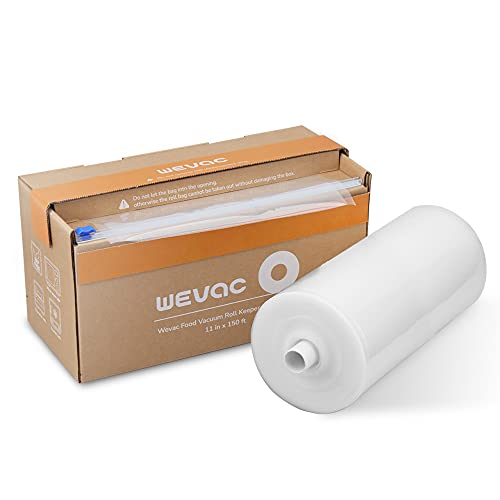
HEAVY DUTY AND PUNCTURE PREVENTION - 1 pack of 11 inch by 150 feet roll with embossed channels to increase suction, with a cutter box for cutting and storage, keep fresh without freezer burn or dehydration

Compatible with All Desktop Vacuum Sealers: These vacuum sealer bags are designed to work with all traditional desktop vacuum sealer machines. Simple to operate and convenient to use. (Note: These bags do not feature an air valve and are not compatible with handheld vacuum sealers.)
Safety and Material Concerns for Sous Vide Bags
When you’re selecting sous vide bags, material safety isn’t negotiable—it’s foundational to protecting your food from chemical contamination. You’ll find that food-grade plastic bags certified for sous vide demonstrate exceptional bag durability and chemical resistance, withstanding standard cooking temperatures (130–190°F) without degrading. Most certified bags are BPA and phthalate-free, meeting FDA safety standards for food contact. Vacuum-sealed foods are also known for preserving flavor and texture, which is beneficial when cooking sous vide.
You should verify manufacturer labeling confirming food-safe certification. While studies’ve detected trace BPA in some sous vide foods, conclusive evidence linking these chemicals to the bags remains absent under recommended conditions. FoodSaver bags, for instance, are BPA-free and FDA-tested to ensure they are safe for sous vide use.
You can also explore alternatives like food-grade silicone bags, which offer superior chemical resistance and reduce plastic concerns, though they cost more. Regardless of your choice, you must follow precise temperature protocols and monitor bag integrity throughout cooking to prevent bacterial contamination.
Temperature and Time Requirements for Bag Selection
Because sous vide cooking demands precise thermal control, you’ll need to match your bag’s temperature tolerance directly to your intended cooking method and duration. Preservation bags handle 55°C to 70°C for short-term processes, while reinforced cooking bags withstand 70°C to 120°C for extended applications. Your cooking duration determines bag suitability critically. Extended cooking above 70°C requires bags rated for higher temperatures to prevent seal failure and expansion. For lower-temperature cooking at 55°C–60°C, you can use quality preservation bags for up to six hours. Water bath sous vide typically remains below 100°C, compatible with most bags, but oven methods demand bags specifically rated for higher temperatures. Always consult manufacturer specifications before selecting your bags to guarantee adequate temperature tolerance for your specific cooking parameters. Additionally, ensure that your bags are made from food-safe plastics to prevent any harmful chemical leaching during the cooking process.
Heat Stability and Chemical Composition
Since sous vide cooking subjects bags to sustained thermal stress, their chemical composition and heat stability directly determine whether they’ll safely contain your food without degrading or leaching harmful substances. You’ll want to select bags made from food-grade polyethylene specifically certified for high-temperature cooking. Certified sous vide bags are formulated without BPA or plasticizers, eliminating chemical migration risks during prolonged heating. As with cast iron skillets, the restoration process of ensuring safety and reliability in cooking vessels is crucial. Standard freezer bags contain softeners that migrate into food when exposed to temperatures exceeding 80°C, compromising both safety and taste. Conversely, specialized sous vide bags withstand temperatures up to 121°C, maintaining structural integrity through multi-layer construction and reinforced weld seams. This bag durability prevents degradation during extended cooking sessions, ensuring reliable performance and protecting your meals from contamination. Proper vacuum sealing of these bags is also essential to ensure even cooking and maintain flavor and food safety in the sous vide water bath.
Vacuum Sealer Bags vs. Zipper-Lock Bags
To optimize your sous vide setup, you’ll need to choose between vacuum sealer bags and zipper-lock bags—each offering distinct advantages depending on your cooking frequency and food types.
Vacuum advantages include superior air removal, minimizing oxidation and maximizing food contact for ideal results. They’re rated for temperatures up to 90°C, making them perfect for extended cooking times and oddly-shaped foods. However, they require an initial equipment investment. Additionally, using high smoke point oils like peanut oil for seasoning can enhance your overall cooking results in a sous vide setup.
Zipper benefits focus on accessibility and cost-effectiveness. You’ll appreciate their affordability and zero equipment requirements—just use the water displacement method for air removal. They’re suitable for standard sous vide temperatures (50–80°C) and work well for smaller cuts and shorter cook times.
Both remain safe when used correctly, but your choice depends on cooking volume and budget constraints.
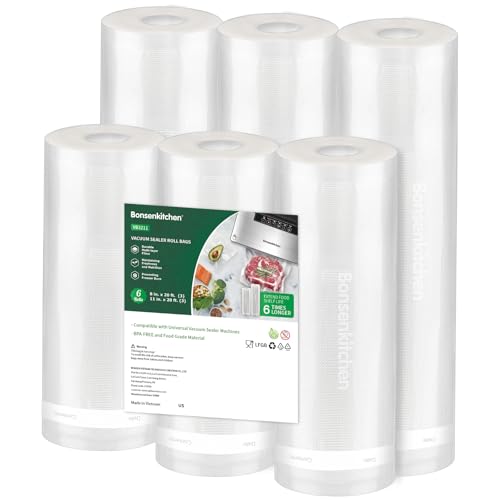
BPA FREE: Bonsenkitchen vacuum food sealer roll bags can be microwaved, frozen, re-used, washed, boiled and dishwasher safe. Allows you to precisely control your cooking temperature to achieve perfect results. You can cook sous vide in Bonsenkitchen bags by placing them in water at any temperature up to 230°F/110°C

✔️【Wide Range of Use】Made of PE/PA food grade material, FIRAWER sous vide cooking bags are reusable up to 10 times, can keeps fresh for meat, seafood, vegetables, fruits, grains, nuts snacks and sandwiches, ect. Suitable for kitchen, camping, spring outing, travel and other scenes.

MULTIPURPOSE, REUSABLE BAGS: These BPA-free, multilayer FoodSaver vacuum seal bags are durable and easy to hand-wash; also safe to use in the microwave, for sous vide cooking, and for freezer storage
Silicone Bags as a Reusable Alternative
While vacuum sealer and zipper-lock bags dominate sous vide cooking, silicone bags present a compelling third option that addresses both performance and sustainability concerns. Made from food-grade, BPA-free platinum silicone, these bags withstand temperatures up to 230°C without leaching chemicals. Silicone bag advantages include exceptional durability—lasting thousands of uses—and significant long-term cost savings compared to disposable alternatives. You’ll appreciate their dishwasher-safe design and immediate reusability after cleaning.
However, silicone bag limitations warrant consideration. While they create reliable airtight seals, hand air removal proves less efficient than vacuum sealing. Additionally, recycling options vary by location, potentially complicating disposal when bags eventually wear out. Despite these constraints, silicone bags offer you a sustainable, economically sound solution for consistent sous vide results across proteins, vegetables, and grains.

1. Altinatives for Plastic Bags: Made with food-grade silicone which has very stable chemical properties. Not release chemical particles BPA & Phthalates and reduce the risk of microplastics exposure even in long time heating situation.

【100% SILICONE - MICROPLASTIC FREE】Tired of disposable ziplock plastic bags? Switch to silicone! Made from 100% food-grade silicone, Annaklin reusable ziplock bags are free of PVC, lead, chlorine, phthalates, BPA, and microplastics. Non-toxic and odorless, they keep your family’s food safe and healthy. The perfect alternative to single-use plastic bags—help reduce waste and protect our planet

Works with any Sous Vide Machine — Compatible with Anova, Joule, Instant Pot, and ChefSteps circulators. No vacuum sealer needed — just zip, seal, and cook perfect steak, chicken, or fish every time
Practical Tips for Proper Bag Usage
Selecting the appropriate bag for your sous vide application requires matching temperature requirements with material specifications, as different bag types exhibit distinct heat resistance capabilities. You’ll want to evaluate your cooking temperature against the bag’s rated tolerance—standard bags handle up to 121°C, while metallic options accommodate higher temperatures exceeding 120°C. Additionally, it is important to use specially designed vacuum bags for optimal performance in sous vide cooking, as they can withstand the cooking pressures better than standard options.
For storage recommendations, high barrier level bags extend shelf life to six months, making them ideal for meal preparation. Medium barrier options provide thirty days of freshness. Verify your chosen bags feature leak-proof pinchlock seals and strong seams to prevent contamination and maintain product integrity throughout cooking and storage. Additionally, it is beneficial to note that Ziploc bags are generally safe for typical sous vide temperatures, being tested to meet food safety standards and BPA-free for home cooking applications.
Bag size selection depends on your sous vide machine’s capacity and your food quantity. Pre-cut vacuum sealer bags offer standardized dimensions, whereas rolls allow customization for specialized needs.

3 SIZE-Meet Your Needs :Come with 3 size Vacuum Zipper Bags,including 5pcs 8.3x8.7in/21x22cm,5pcs 10.2x11in/26x28cm,5pcs 10.2x13.4in/26*34cm 3 size reusable sous vide bags total 15pcs,with 1pcs vacuum hand pump, 2pcs bag sealing clips and 2pcs clamps,keep you food fresh,moisture-proof, anti-deterioration, anti-worm, more longer storage,food storage freezer safe.

Customizable Length: Cut the roll to suit your specific storage needs

HEAVY DUTY AND PUNCTURE PREVENTION - 8x12 pre-cut Quart bags with embossed channels increase suction, keep fresh without freezer burn or dehydration
Environmental Impact and Cost Considerations
Beyond selecting bags that meet your cooking requirements, you’ll also need to contemplate the broader implications of your choice. Single-use plastic bags carry significant economic implications through disposal costs and environmental externalities, yet reusable silicone alternatives demand higher upfront investment. However, lifecycle assessments demonstrate that silicone bags reduce long-term expenses and environmental burden through repeated use. Compostable bags promise sustainability practices but require industrial composting infrastructure that’s often unavailable, resulting in landfill disposal instead. You’ll find compostable options cost more than conventional plastics without guaranteed environmental benefits. Weighing these factors methodically reveals that reusable silicone bags deliver superior economic and environmental value over extended timeframes, offsetting initial expense through durability and waste reduction. Additionally, using vacuum sealing techniques can further minimize food waste and enhance storage efficiency, making it a holistic approach to meal prep. Furthermore, removing air through vacuum sealing significantly prolongs shelf life, contributing to reduced food spoilage and wasted resources.
Food-Specific Bag Recommendations
Different foods demand different bag specifications because their distinct characteristics—moisture content, cooking temperature, duration, and chemical sensitivity—create unique interaction patterns with bag materials. For meats and poultry, you’ll benefit from embossed vacuum sealer bags that withstand temperatures up to 90°C, leveraging vacuum sealing benefits for extended cooking. Vacuum sealing is essential for preserving flavor and texture, ensuring that your food remains fresh throughout the cooking process. Fish and seafood require food-safe, BPA-free plastic to prevent odor absorption; silicone reusable bags work for temperatures below 65.5°C. Vegetables benefit from food preservation techniques using embossed bags for root crops cooked long-term, though zip-top freezer bags suffice for shorter durations. You should drain excess liquids before sealing vegetables to prevent flavor dilution. Additionally, it’s crucial to use specifically designed vacuum sealer bags to ensure effective sealing and food safety. Each food category demands tailored bag selection to optimize texture retention, chemical safety, and cooking performance while maximizing your sous vide results.

HEAVY DUTY AND PUNCTURE PREVENTION - 2 pack of 8 inch by 50 feet rolls with embossed channels to increase suction, keep fresh without freezer burn or dehydration

HEAVY DUTY AND PUNCTURE PREVENTION - 200 pack of 8 by 12 inch precut bags with embossed channels to increase suction, with a cutter box for cutting and storage, keep fresh without freezer burn or dehydration
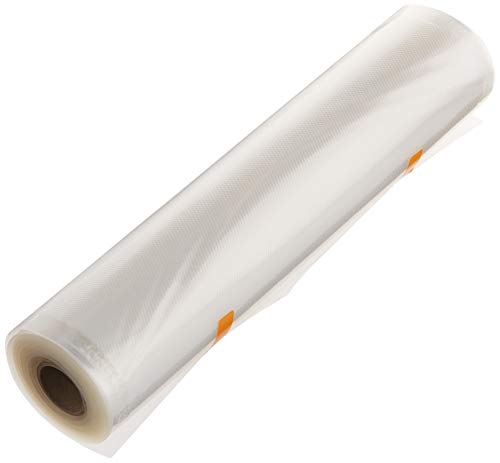
ROLL OUT: Including 2 rolls measuring 11" x19. 6' each, you have the ability to custom cut your bags to any length you wish. A perfect option for the cook who likes to keep their options open.
Common Mistakes to Avoid When Choosing Sous Vide Bags
Why do so many home cooks end up with poorly cooked meals despite investing in precision water baths? Often, it’s because you’re making critical errors in bag selection. You’ll compromise results by using standard freezer bags or cling wrap—materials that lack heat resistance and leach harmful chemicals. These common mistakes prevent proper vacuum sealing and heat transfer. You must choose food-grade, BPA-free bags specifically rated for sous vide temperatures. Additionally, vacuum sealing combined with oxygen absorbers can help to extend the shelf life of the food you plan to cook. Another frequent error involves overfilling bags, which restricts water circulation and compromises seal integrity. Additionally, you should avoid pairing incompatible liquids with vacuum sealers; instead, freeze marinades beforehand or use the water displacement method. Using alternatives like Ziploc bags guarantees even cooking, flavor retention, and safety—fundamental requirements for successful sous vide preparation.