You’ll start by selecting an enameled Dutch oven—it’s beginner-friendly and requires no seasoning. Gradually preheat it with food inside to avoid thermal shock and damage. Use medium-low heat for even cooking, keeping the lid tight to trap moisture and heat. Hand wash it with mild detergent and a soft sponge immediately after cooking. Stick to foundational recipes like beef stew or braised chicken while you build confidence. Understanding the nuances of material selection and heating precision will transform your cooking results.
Understanding Your Dutch Oven
A Dutch oven‘s success in the kitchen hinges on understanding its fundamental construction and design. You’ll encounter several material options, each offering distinct material benefits. Enameled cast iron dominates the market, combining superior heat retention with a non-reactive, low-maintenance surface—ideal for beginners. Bare cast iron demands seasoning but excels at high-heat cooking. Stainless steel provides lighter weight without heat-retention advantages, while ceramic distributes heat evenly but proves fragile. Savory dishes like Dutch Oven Potatoes with Bacon showcase how versatile a Dutch oven can be in preparing hearty meals.
Regardless of your choice, you’re investing in thick walls that retain heat exceptionally well and tight-fitting lids that trap moisture. These design features enable the self-basting environment that distinguishes Dutch oven cooking. Most models accommodate oven temperatures up to 500°F or higher, offering versatility across stovetops, ovens, and outdoor settings that few other cookware pieces match. Additionally, understanding the differences between cast iron and enameled options can help you choose the right Dutch oven for your cooking style.
Choosing Between Enameled and Cast Iron
The two primary Dutch oven types—enameled and bare cast iron—differ fundamentally in construction, maintenance demands, and cooking applications. Enameled Dutch ovens feature a glass-like protective coating that eliminates seasoning requirements and prevents rust, making them ideal for first-time users. You’ll appreciate their durability comparison advantage: while enamel resists scratching and wear, it can chip if mishandled. Bare cast iron demands regular seasoning and careful maintenance but tolerates higher temperatures and higher heat exposure, making it perfect for high heat recipes.
Regarding aesthetic appeal, enameled options offer vibrant colors and finishes that enhance your kitchen’s visual appeal, whereas bare cast iron provides a rustic, traditional look. Enameled Dutch ovens cost more but deliver convenience and ease of care. Choose enameled if you prioritize simplicity; select bare cast iron if you’re willing to invest effort for superior heat tolerance and lower initial cost. It’s also important to know that proper care can significantly extend the lifespan and performance of both types of Dutch ovens.

FEAST & BATCH COOKING - Designed for large families, holiday gatherings, and weekend meal prep, this 7QT Dutch oven comfortably serves 5–8 people. Its generous capacity easily handles family-size soups, large-batch stews, pot roasts, and whole chickens without overcrowding ingredients. Perfect for Thanksgiving recipes, holiday entertaining, and batch cooking with fewer rounds in the kitchen.

Even Heat Distribution Retention: This Umite Chef Dutch oven Made with heavy-duty enameled cast iron, ensures even heat distribution for perfect searing and slow cooking, locking in flavors. thickened walls lock in heat for slow braising, searing, and baking. Unlike thin pots that scorch food, this professional-grade Enameled cast iron potSuperior heat retention after preheating (allow 5-7 mins for even distribution). CRITICAL: Always cool naturally for 45+ mins before cleaning. Thermal shock (hot-to-cold contact) cracks enamel. USE TIP: Preheat 2-3 mins on medium-low only
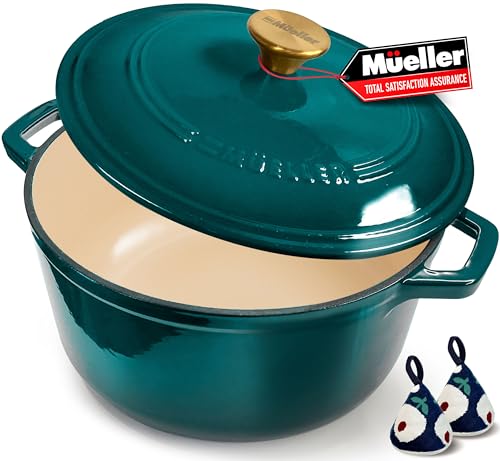
BREAD BAKER'S DUTCH OVEN, 500°F OVEN-SAFE, SOURDOUGH-READY – one of the highest ratings in its class – delivering the sustained heat that sourdough, artisan bread, and pizza dough demand. Thick cast-iron walls trap and circulate heat like a brick oven, producing bakery-quality crusts at home. The tight-sealing lid features raised self-basting nodes that continuously recirculate steam: a perfect moisture chamber, every single bake.
Seasoning Your Bare Cast Iron Dutch Oven
Proper seasoning transforms bare cast iron into a durable, nonstick cooking surface by building layers of polymerized oil that protect against rust and corrosion. Start by cleaning your Dutch oven thoroughly with soap and water, removing factory residue. Use steel wool on rusty spots until bare metal shows, then dry completely and heat briefly at 450°F to eliminate moisture. Additionally, proper cleaning techniques are essential for preserving the quality of your cast iron.
For oil selection, choose high-smoke point oils like flaxseed, grapeseed, or vegetable oil. It is important to apply a thin, even layer across all surfaces, wiping away excess until nearly dry. Place your Dutch oven upside down on the oven’s middle rack at 450–500°F for one hour. Cool completely inside the closed oven. Repeat this seasoning process at least two to three times to build a robust, protective patina.
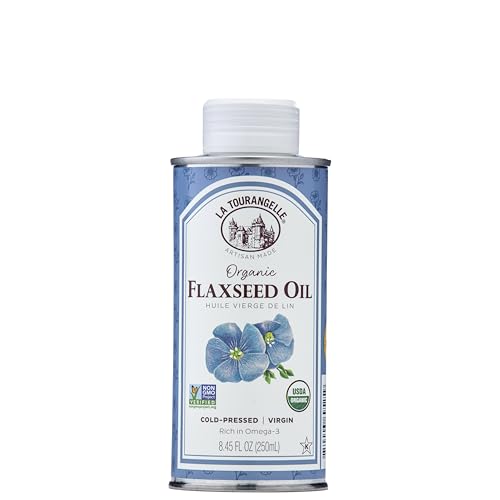
Organic Flaxseed Oil: This oil provides over 7 grams of plant based Omega-3, making it the ideal ingredient to add to your smoothies, oatmeal, or salad dressings.

PURE, ORGANIC AND UNREFINED: Barlean's organic flax oil is cold pressed without the use of heat or solvents. Each drop is protected from damaging heat and light from seed to bottle, offering a potent and healthy balance of Omegas 3, 6, and 9 and a pleasant and mild nutty flavor.

Mild and Easy: Grapeseed Oil is at its best in stir-fries and sautés; it doesn't overwhelm other ingredients and lets fresh flavors shine. When grilling or frying, it is a must-have in the pantry.
Preparing Your Enameled Dutch Oven
Unlike bare cast iron, enameled Dutch ovens don’t require seasoning because their glossy coating already provides a nonstick surface and rust protection. Instead, focus on initial cleaning and safe preheating to guarantee peak performance. For instance, if you decide to use your Dutch oven for pizza making, remember that it’s important to heat it gradually to avoid thermal shock.
For initial cleaning, wash your enameled Dutch oven with warm soapy water using a soft sponge to remove manufacturing residues. Rinse thoroughly and dry completely with a soft cloth, preventing water spots on exposed cast iron edges. You can safely clean your Dutch oven with soap and warm water to ensure it is ready for cooking.
When you’re ready to cook, employ safe preheating practices by gradually heating on low to medium heat for about five minutes. This prevents thermal shock that can crack or discolor the enamel. Avoid preheating empty pots longer than five minutes, and never use high heat initially. Once preheated, add oil with a high smoke point, heating it until shimmering but not smoking.

Quality Enameled Dutch Oven: The Lodge Essential Enamel Cast Iron Dutch Oven gives you all the benefits of cast iron cooking, great heat retention and durability, without fear of rust; it's also PFAS free

DESIGN: Cast iron construction provides excellent insulation and uniform heat distribution. Heavy duty and close fitting lid with condensation bumps inside, self baking and moisture sealing for continuous, natural cooking.

Product Content: You will receive 12 pieces of dutch oven lid protective clips, durable and with sufficient quantity to meet your needs of usage and replacement.
Heating Your Dutch Oven Safely
Heating your Dutch oven safely requires three critical practices: avoiding empty-pot heating, maintaining appropriate temperature levels, and applying heat gradually.
Never preheat an empty Dutch oven, as this damages the enamel coating. Always add oil, butter, water, or broth before applying heat. Use medium-low to medium heat for stovetop cooking—your Dutch oven retains heat efficiently, so high temperatures aren’t necessary and can cause sticking or burning. Additionally, cooking with appropriate fats helps build a better non-stick surface over time.
For oven use, enameled cast iron shouldn’t exceed 450°F to prevent coating damage. Implement proper heat management by warming the pot gradually; sudden temperature changes cause thermal shock and potential cracking. The tight-fitting lid is essential for trapping heat and moisture, enhancing the cooking process.
When cooling, let your Dutch oven rest naturally before washing. Never subject it to extreme temperature swings, such as moving directly from heat to cold surfaces. These practices preserve your Dutch oven’s longevity and performance.

Even Heat Distribution Retention: This Dutch oven Made with heavy-duty enameled cast iron, ensures even heat distribution for perfect searing and slow cooking, locking in flavors. thickened walls lock in heat for slow braising, searing, and baking. Unlike thin pots that scorch food, this professional-grade Enameled cast iron pot maintains steady temperatures

FEAST & BATCH COOKING - Designed for large families, holiday gatherings, and weekend meal prep, this 7QT Dutch oven comfortably serves 5–8 people. Its generous capacity easily handles family-size soups, large-batch stews, pot roasts, and whole chickens without overcrowding ingredients. Perfect for Thanksgiving recipes, holiday entertaining, and batch cooking with fewer rounds in the kitchen.

IDEAL FOR FAMILY MEALS - Perfectly sized for families of 3–5 people, this 5.5QT Dutch oven handles everything from hearty soups and stews to one-pot dinners, pasta dishes, and Sunday pot roasts. Spacious enough for a whole chicken yet practical for everyday cooking, it delivers the ideal balance between daily family meals and weekend entertaining. Also well-sized for artisan bread bakers who want one pot for both family dinners and sourdough baking.
Mastering Basic Cooking Techniques
Now that you’ve learned to heat your Dutch oven safely, you’re ready to master the fundamental cooking techniques that’ll reveal this vessel’s full potential.
Start with sautéing techniques by preheating your Dutch oven to medium or high heat before adding fat. This browning process—lasting just a few minutes—enhances flavors considerably. The enameled cast iron construction guarantees proper ingredient cooking through superior heat retention. Many delicious Dutch oven desserts can be prepared using these techniques, making them perfect for your next camping trip.
For heat distribution, match your coal placement to your dish. Stews and soups require equal distribution: 1/2 bottom, 1/2 top heat. This balanced approach prevents burning while maintaining consistent temperatures. The Dutch oven’s thick walls and tight-fitting lid lock in moisture, creating ideal conditions for tender, flavorful results. Avoiding rapid temperature changes is crucial to preserving the enamel and ensuring your dishes cook evenly. Begin with these foundational techniques, and you’ll build confidence for more complex preparations.
Best Dishes for Beginners
Your Dutch oven’s versatility shines brightest when you’re cooking dishes that build foundational skills without demanding advanced technique. Easy one-pot meals like beef stew and chicken with rice and cabbage teach you ingredient layering and heat management simultaneously. These dishes require minimal intervention, letting you focus on understanding your Dutch oven’s behavior, leveraging its superior heat retention for even cooking.
For beginner baking recipes, start with traditional Irish soda bread or no-knead sourdough. Both bypass complex fermentation processes while teaching you heat distribution within the vessel. Apple cider donuts introduce controlled frying fundamentals in a contained environment.
Slow-roasted meats like roast chicken with herb butter and braised pot roast demonstrate moisture retention and low-temperature cooking, resulting in fall-apart tender meat that’s truly comforting. These foundational recipes develop your confidence before tackling more demanding preparations.
Protecting Your Countertops and Surfaces
Because Dutch ovens retain intense heat long after you’ve removed them from the stovetop, you’ll need to protect your countertops from thermal damage. Thermal shock can crack granite, warp laminate, and discolor wood surfaces permanently.
Deploy heat resistant mats or trivets rated for at least 400–480°F beneath your Dutch oven immediately after cooking. Silicone mats work exceptionally well due to their durability and flexibility. Cast iron grill pans should have a smooth bottom and be gently placed on the cooktop, similar to how you should treat your countertops when transferring hot cookware. Keep these protective barriers easily accessible near your cooking area for consistent use without interruption.
For granite specifically, apply sealant every 1–2 years to enhance heat resistance. Never place Dutch ovens exceeding 400°F directly on unsealed granite. Implement the habit of immediately transferring hot cookware to protection rather than resting it on bare countertops, preventing permanent damage and maintaining your surfaces’ integrity long-term. The use of materials that can withstand high temperatures, similar to cast iron skillets, is crucial for preserving your kitchen surfaces over time.
Cleaning and Caring for Your Dutch Oven
Proper maintenance is essential to keep your Dutch oven performing well and looking great for years to come. Your cleaning methods should always prioritize gentle care. Hand wash with hot water and mild detergent, avoiding dishwashers that damage enamel and seasoning. Use non-abrasive sponges exclusively. For stubborn residues, soak in warm soapy water before scrubbing. Additionally, applying a light layer of oil while the cookware is warm can further enhance its longevity.
Dry your Dutch oven immediately after washing to prevent rust. Apply maintenance tips like coating the surface with a light oil layer while warm, then wipe away excess. Store with the lid off to prevent moisture accumulation. Inspect regularly for cracks or chips. For enamel surfaces, avoid sudden temperature changes and metal utensils that compromise the coating. These practices extend your cookware’s lifespan greatly. Additionally, using mild detergents can help preserve the Dutch oven’s integrity during cleaning.

GOODBYE TO CLEANING SPONGES, HELLO CASPIAN STONE: Your new best friend for cleaning and scrubbing your kitchen and bathroom. This sponge will help you keep your dishes, pots, pans, sinks, oven, microwave, BBQ grill, and everything else sparkling clean.
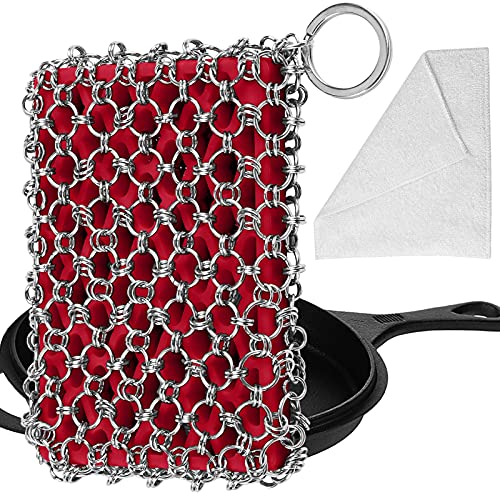
【Large Size Cast iron scrubber】TWICE LARGER than mashroom style skillet cleaner scrubber help improve the cast iron cleaning efficiency and save your time. Herda silicone chainmail scrubber Linked with 3mm small fine chainmail ring, Leave the dirt nowhere to hide.

HEAVY DUTY: Infok scouring pads with tough fibers and abrasives can complete heavy duty cleaning work quickly
Common Mistakes to Avoid
Even with proper maintenance habits in place, you can still compromise your Dutch oven’s performance and longevity through preventable mistakes during use. Master these essential techniques to protect your investment.
Avoid preheating an empty pot or exposing it to extreme temperature changes, which cause thermal shock and cracking. Always add oil or butter before heating, and gradually increase temperature from low to medium. Never use metal utensils; opt for wooden or silicone alternatives instead. Cooking with cast iron, such as a Dutch oven, can enhance your meals while naturally boosting iron intake.
Common practices that damage your Dutch oven include overcrowding ingredients, which prevents proper searing and caramelization. Layer ingredients strategically based on cooking times—add tough vegetables and meat first, then delicate items like herbs later.
Finally, select the appropriate pot size for your typical meal volume, and allow your Dutch oven to cool completely before handling or cleaning. Regularly hand-washing with gentle sponges is crucial to maintaining its finish and performance.