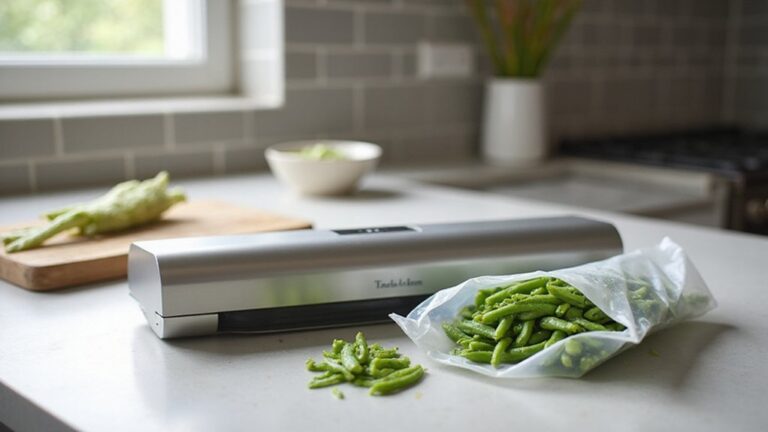
You can vacuum seal rice for storage, achieving one to two years at room temperature or up to ten years in cool conditions below 70°F. The process removes oxygen and prevents air reentry, considerably slowing microbial growth and oxidation. However, vacuum sealing alone won’t match the 25-30 year shelf life that Mylar bags combined with oxygen absorbers provide. Your storage method choice depends on how long you’re preserving your rice supply and your accessibility needs.
How Vacuum Sealing Removes Air and Prevents Spoilage
Vacuum sealing removes air through a straightforward mechanical process: the machine extracts oxygen and other gases from the bag before heat-sealing it shut, creating a low-pressure environment that prevents new air from entering. This air extraction is vital for rice preservation because oxygen fuels aerobic bacteria and mold growth. By eliminating most atmospheric gases, you greatly reduce microbial contamination risks. Additionally, the oxygen-depleted environment slows oxidation reactions that degrade food quality and prevents insect infestations in stored grains. Without air present, dry rice absorbs less moisture, maintaining its integrity longer. While vacuum sealing doesn’t create a perfect vacuum—some residual oxygen remains—the dramatically reduced oxygen levels provide significant protection for your stored rice compared to standard packaging methods. Moreover, vacuum sealing significantly improves the quality and longevity of frozen foods when combined with proper storage practices.
Choosing the Right Bags and Storage Containers
Selecting appropriate storage vessels is just as essential as the vacuum-sealing process itself, since even the most effective air extraction won’t protect your rice if the container fails. You’ll want heavy-duty, food-grade plastic or stainless steel containers with multilayer construction to resist punctures and maintain seal integrity. For instance, using multilayer construction can help keep your stored rice protected. Bag durability matters equally—choose multilayer plastic bags with textured surfaces that create stronger, more reliable seals. Container sizes range from 3-cup options for household use to 43-liter vessels for bulk storage, allowing you to match capacity to your consumption rates. Verify compatibility with your vacuum sealer system, whether FoodSaver-specific models or universal pump attachments. Transparent designs let you monitor rice quality without opening containers, preserving your vacuum seal’s effectiveness throughout extended storage periods. Proper vacuum sealing can extend the shelf life of dry goods like rice to 1 to 2 years in the pantry, significantly improving your rice storage experience.

Package includes 20 pack 15 gallon bucket liner bags, each one with a dry load capacity of approx 99 lbs, and wet load capacity of approx 50 lbs.
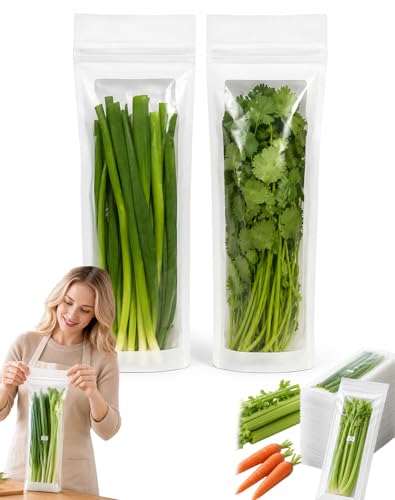
【Specially Engineered Extra-Long Silhouette】Stop crushing your fresh greens into awkward shapes. Designed specifically for long, narrow produce like green onions, celery, asparagus, and carrots, these slim 12.6-inch bags eliminate wasted space and keep your refrigerator crisper drawer beautifully organized.

Extra-Long Design for Maximum Storage: These food storage bags feature an extended length, providing ample space for larger items like baguettes, veggies, or meal prep containers
Expected Shelf Life and Preservation Benefits
Once you’ve selected your containers and bags, understanding how long your vacuum-sealed rice will actually last becomes your next priority. You’ll achieve 1 to 2 years of storage at room temperature—a 200-300% improvement over conventional methods. When you store vacuum-sealed rice in cool conditions below 70°F, you’ll extend shelf life to 10 years or beyond. The vacuum-sealing process removes oxygen that causes degradation, while oxygen absorbers further enhance preservation by preventing oxidation and bacterial growth. You’ll maintain nutrient retention and flavor stability throughout storage, maximizing cost efficiency by reducing waste. In cooler environments, you can expect up to 30 years of viable storage, making vacuum sealing an exceptional long-term investment for your rice supply.
Best Practices for Vacuum Sealing Rice
To maximize the preservation benefits of vacuum sealing, you’ll need to assemble the right equipment and follow a methodical preparation process. Start by ensuring your rice is completely dry to prevent mold. Pre-measure portions into desired serving sizes for convenient access. Inspect bags carefully, removing any debris that might obstruct the seal line. Position labels above the sealing area to avoid interference.
When executing vacuum sealing techniques, align bag tops properly in your machine and utilize the automatic vacuum seal function for consistency. Remove all oxygen to prevent oxidization and insect infestations. Inspect the final seal for tightness, confirming no oxygen remains visible. Consider double sealing for additional security if desired. Additionally, vacuum sealing can help extend shelf life by significantly slowing bacterial growth and preventing spoilage.
These rice preservation methods establish ideal conditions for long-term storage success.

6-IN-1 SMART SEALING MODES FOR EVERY FOOD TYPE - Choose the right setting with Vac, Seal, Rice, Wet, Dry & Stop modes, perfect for meats, seafood, vegetables, grains, and snacks. Choose the right setting for delicate grains, juicy marinades, fresh produce, and dry snacks for reliable airtight sealing every time.

Compatible with All Desktop Vacuum Sealers: These vacuum sealer bags are designed to work with all traditional desktop vacuum sealer machines. Simple to operate and convenient to use. (Note: These bags do not feature an air valve and are not compatible with handheld vacuum sealers.)
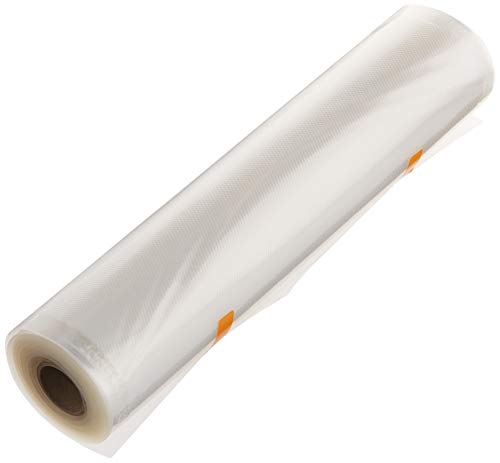
ROLL OUT: Including 2 rolls measuring 11" x19. 6' each, you have the ability to custom cut your bags to any length you wish. A perfect option for the cook who likes to keep their options open.
Comparing Vacuum Sealing to Other Storage Methods
While vacuum sealing effectively preserves rice for several months, it doesn’t match the longevity of alternative methods designed for extended storage. Vacuum sealing removes air around rice but doesn’t eliminate all oxygen, making it less effective than oxygen absorbers for long-term preservation. You’ll find oxygen absorbers superior for bulk storage lasting beyond three months, as they actively prevent oxidation, mold, and pest infestations. When you combine oxygen absorbers with Mylar bags, you’ll achieve dramatically extended shelf life—white rice lasting 25-30 years compared to vacuum sealing’s one-year maximum. For regular household use, airtight containers offer practicality without specialized equipment, keeping white rice fresh for up to five years at room temperature. Your storage choice depends on duration and accessibility needs.

HIGH QUALITY MATERIAL: Meet our top-notch Mylar bags for food storage with 4 sizes (10.2‘’ * 14'', 8.3'' x12.2'', 7.1'' *10.2'', 5.5‘’*7.5‘’) which are not only thick but also have a cool stand-up design. Perfect for keeping your food safe for long time! Our mylar food bags come with 400cc and 500cc oxygen absorbers to keep the air out and your food fresh. Plus, these 1 quart mylar bags with oxygen absorbers are airtight and you can seal them up tight with heat.

[SIZE & QUANTITY] . Pack of 30 mylar bags of 1 gallon for long term food storage - With 400cc oxygen absorbers (30) & Stickers (30) - Very thick 14,8 Mil layers made of PET & Mylar foil - Mylar bag of 10"x15" Inch

HIGH QUALITY MATERIAL: Meet our top-notch Mylar bags for food storage with 4 sizes (10.2‘’ * 14'', 8.2'' x12.2'', 6'' *9'', 4.25‘’*6.3‘’) which are not only thick but also have a cool stand-up design. Perfect for keeping your food safe for long time! Our mylar food bags come with 400cc and 500cc oxygen absorbers to keep the air out and your food fresh. Plus, these 1 quart mylar bags with oxygen absorbers are airtight and you can seal them up tight with heat.