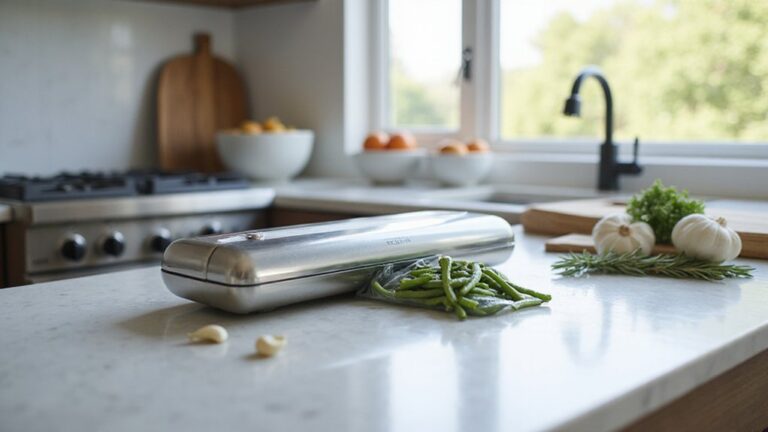
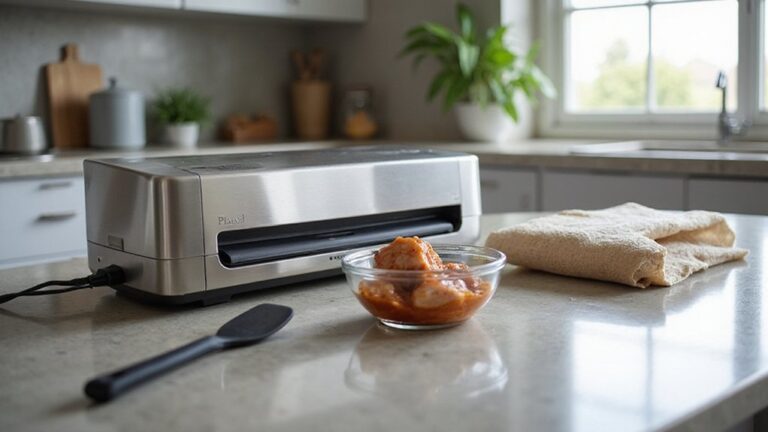
To vacuum seal a bag with a vacuum, you’ll first prepare your items by removing excess moisture and arranging them flat without overlapping. Position the bag’s opening between the rubber seals in your vacuum chamber, ensuring the sealing area is completely dry and wrinkles-free. Activate the vacuum to extract air until you’ve achieved at least 10 inches of mercury pressure. Once sealed, inspect the edge for uniformity and gaps. Store your sealed bags in cool, dry conditions away from direct sunlight. Understanding each technique’s nuances will considerably maximize your preservation results.
Preparation and Organization
Before you begin vacuum sealing, you’ll need to select bags that’re compatible with your specific vacuum sealer model and inspect them for punctures, tears, or defects that could compromise the seal. Choose the appropriate bag size based on your item’s volume, guaranteeing adequate space for sealing and vacuuming.
Next, organize your contents strategically. Portion items uniformly and arrange them flat without overlapping to maximize vacuum effectiveness. Additionally, proper preparation can eliminate potential issues, similar to how cleaning is essential for successful aluminum brazing. Apply moisture control by patting dry meats or vegetables before sealing, preventing spoilage and seal failure. If marinating, allow excess liquid to drain completely.
Position items to achieve even distribution across the bag’s surface. This arrangement maximizes contact and guarantees proper suction during the vacuuming process. Avoid overfilling, which compromises seal integrity and risks bag breakage during operation. Remember that vacuum sealing extends shelf life by removing oxygen, which helps reduce oxidation and inhibit bacterial growth.
Drying Your Clothes and Items
Once you’ve arranged your items in the bag, you’ll need to remove excess moisture before sealing to prevent degradation and guarantee optimal results. Implement vacuum drying techniques using a five-gallon bucket with mesh screen and wet/dry vacuum to extract water effectively. Position your garments over the mesh screen, then activate the vacuum pump to create the necessary pressure differential. For peak moisture removal, extend the vacuum exposure over several hours. This approach eliminates both surface and bound moisture simultaneously without heat damage to delicate fabrics. The drying techniques you employ directly impact seal longevity and storage success. Additionally, ensuring liquids are pre-frozen before sealing can help optimize the vacuum sealing process. Once moisture levels approach zero percent, you’re ready to proceed with vacuum sealing your bag for maximum protection and space efficiency.

❤【LARGER CAPACITY】Stanley SL18116P Wet / Dry Vacuum has a larger capacity over 22 L, makes small clean-up jobs a breeze for you as you don’t have to empty the bucket frequently any more.Runtime: 300.0 hours

Gore HEPA wet/dry filter traps 99.97% of dust at 0.3 microns

12 Amp Wet/Dry Vacuum: Picks up both wet and dry messes in the garage, car, workshop, etc
Folding and Grouping Strategically
Strategic organization of your garments and items is essential before you seal the bag, as proper folding and grouping directly determine how efficiently you’ll use space and how easily you’ll access contents during retrieval.
Start with smart folding techniques: flatten items to minimize air pockets, use the military roll method for soft garments, and layer heavier pieces at the bottom. Stack similar dimensions together for uniform stacking.
Next, implement material sorting by grouping cotton and linen together while separating synthetic fabrics from natural fibers. This prevents uneven compression and potential damage. Organize by usage frequency too—place daily essentials in accessible sections and rarely used items compactly together.
Finally, arrange by size and shape, stacking small items to fill gaps while positioning large items as structural support. Label groups for quick identification during unpacking.
Bag Placement and Positioning
Proper bag placement is critical to your vacuum sealer’s performance, as incorrect positioning will prevent the machine from extracting air and creating a functional seal. You must position the bag’s opening between the top and bottom rubber seals within the vacuum chamber. Push the opening slightly into the machine’s mouth to guarantee ideal bag alignment and contact with the sealing bar.
Flatten the bag completely before inserting it, checking corners to prevent folding during the vacuum process. Wrinkles at the top edge will compromise seal strength, so guarantee the sealing area sits flat and smooth. Vacuum sealing is especially important for long-term storage of items like meats and vegetables, which can spoil quickly without proper sealing.
Leave a few inches of clear space at the bag’s top before the zip. This clearance space facilitates efficient air removal and accommodates liquids that get pulled during vacuuming, preventing overfilling effects that hinder proper heat sealing. Additionally, proper bag placement is essential to achieve an airtight seal that protects food from spoilage and freezer burn.

Easy Use Design: No scissors required for these bags. Just align to seal and tear to open.
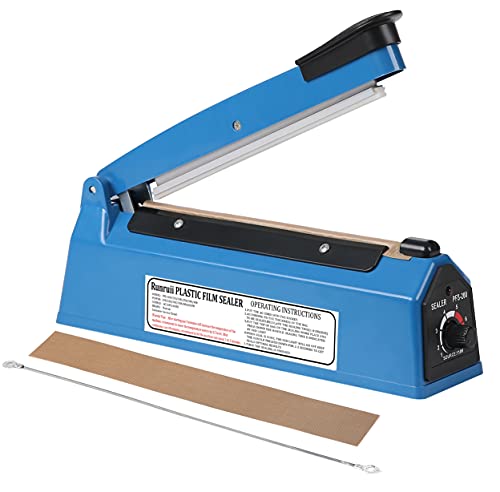
Instantly use: No warm up time needed, Lightweight Design 8 stalls temperature adjustme impulse manual hand bag sealer to meet any different materials bags. Important: This machine can't cut any bags!
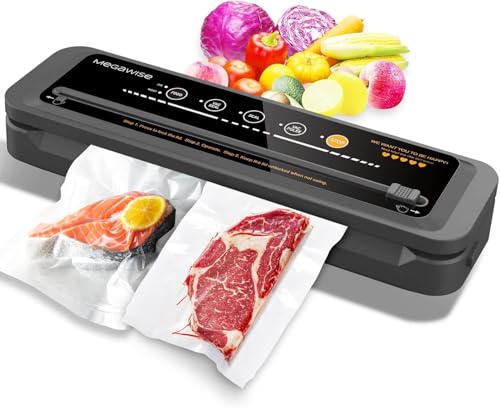
80kPa Suction Power: Updated 2025 vacuum sealer uses a DC motor pump with electromagnetics and pure copper for enhanced suction power. It sucks all air out tightly to preserve your meat and vegetables for 10 times longer or more to prevent oxidation and keep things fresh. Updated version solved many issues found from previous version
Arranging Contents for Maximum Compression
With your bag positioned correctly and the sealing area prepared, you’ll now focus on how you arrange the contents inside to maximize compression and preserve food quality. Employ efficient layering by placing items flat and stacking them symmetrically to prevent uneven compression that compromises bag integrity. Use compression strategies like pre-freezing high-moisture foods for 1–2 hours before sealing, which reduces liquid migration toward sealing edges. Proper vacuum sealing techniques ensure that air and moisture are effectively kept out, enhancing the longevity of your food. Position paper towels between moist items and sealing areas to absorb residual moisture. Arrange delicate foods away from edges, and use the flat-freezing technique to enable vertical stacking post-sealing. Distribute contents symmetrically across all four corners, eliminating tight spots by gently pressing bags into item contours. This systematic approach optimizes freezer space while maintaining seal reliability. Vacuum sealing not only extends the shelf life of chicken but also helps preserve its quality for longer periods.
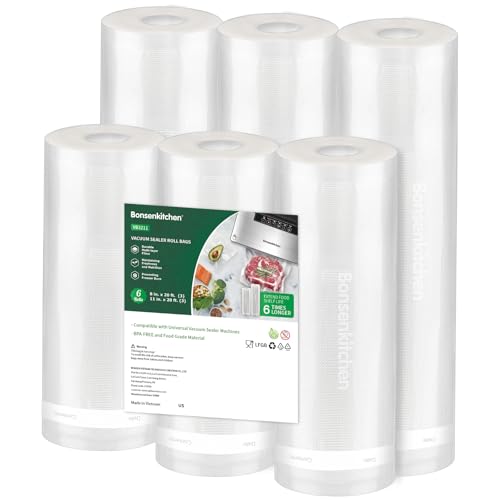
BPA FREE: Bonsenkitchen vacuum food sealer roll bags can be microwaved, frozen, re-used, washed, boiled and dishwasher safe. Allows you to precisely control your cooking temperature to achieve perfect results. You can cook sous vide in Bonsenkitchen bags by placing them in water at any temperature up to 230°F/110°C
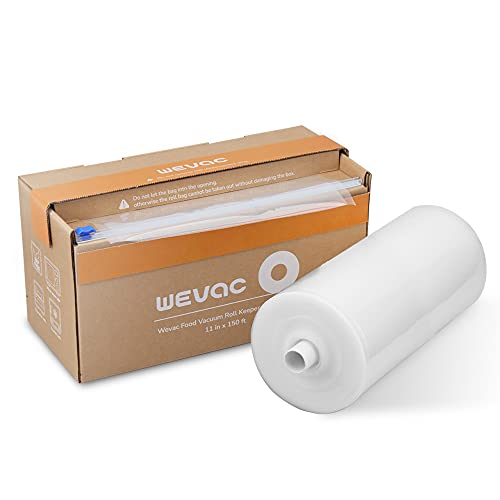
HEAVY DUTY AND PUNCTURE PREVENTION - 1 pack of 11 inch by 150 feet roll with embossed channels to increase suction, with a cutter box for cutting and storage, keep fresh without freezer burn or dehydration

VACUUM SEALER BAGS ROLLS: 8"x20' 3rolls+11"x20' 3rolls, XinBaoLong Food Saver Bags Rolls, Commercial Grade, Heavy Duty, BPA Free for Vac Storage, Kitchen Gadgets, Kitchen Accessories
Zipper Sealing Technique
Three critical preparation steps’ll guarantee your zipper bag seals properly. First, wipe the seal area completely dry with a clean cloth to prevent malfunction. Second, verify the ziplock closure is fully engaged along its entire length, checking for any food residue or liquid that could compromise integrity. Third, pat down the bag surface to eliminate residual moisture. Using freezer-quality zipper-lock bags can enhance airtight results, especially for long-term food storage.
When executing your sealing techniques, position the vacuum attachment directly over the open corner. Apply consistent downward pressure throughout the cycle, using a folded paper towel at the opening to allow air passage while preventing seal collapse. Listen for the vacuum sealer to complete its cycle before removing the bag. Finally, inspect the sealed edge for complete closure and test integrity by gently pulling at the sealed edge. Additionally, ensure you are using bags specifically designed for vacuum sealers to achieve optimal results, as standard Ziploc bags may not perform reliably.
Valve Preparation and Positioning
While zipper sealing works well for standard vacuum bags, you’ll need to master valve preparation and positioning when you’re working with specialized vacuum-seal envelopes that feature integrated ports. Begin by removing the valve cap to expose the internal mechanism. Position your valve on a flat, stable section of the bag away from sharp edges or folds to prevent stress damage. Valve alignment importance cannot be overstated—guarantee precise positioning between the valve hole and the bag’s seal area for maximum vacuum efficiency. Additionally, creating a hot and humid environment during sealing can enhance the overall effectiveness of sealing processes in specialized applications. Apply sealing tape carefully around the valve base, using multiple layers if necessary. Your valve sealing techniques should include checking that the silicone seal remains undisturbed and testing airflow directionality before full evacuation. This preparation prevents leaks and guarantees reliable vacuum integrity throughout the sealing process. Additionally, understanding how to vacuum seal with a trash bag can offer you an alternative method for compressing items if a vacuum sealer isn’t available.
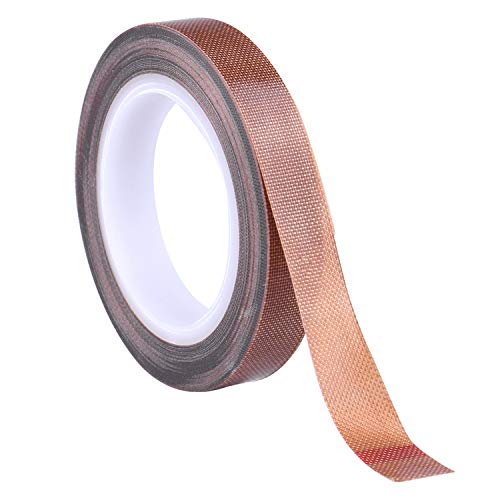
Multipurpose - Impulse Sealer, high-speed sealing machine, food packaging, hot melt machine, motor, high and low voltage electrical products, wire and cable insulation protection, battery manufacturing sewing machine and so.

Fibre Glast Ultimate Tack Strength Sealant Tape – Use this leakproof tape to seal your toughest vac bag layups to metal, fiberglass or graphite; or plug holes. Once cured, tape peels off with no residue on finished part. Up to 400F, 25-feet long.
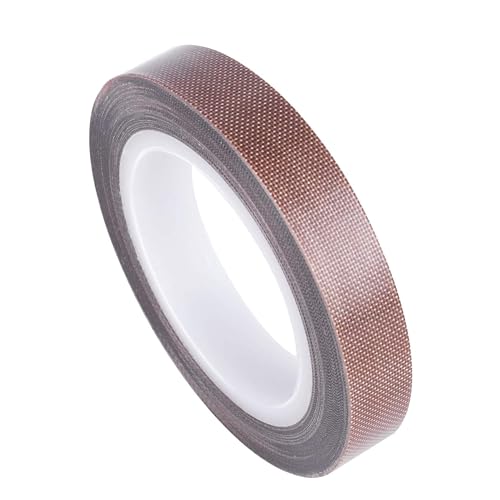
【Premium Material】PTFE fiberglass fabric tape features 1/2 IN wide, 30 ft length and 0.18 mm thickness, which is more durable than 0.15 mm thickness tape. The temperature resistance is up to 500 °F (280 °C), provides superior release properties and non-stick surface to allow machinery and equipment to run smoothly and efficiently.
Air Removal and Vacuum Operation
Once you’ve prepared and positioned your valve, you’re ready to begin the air extraction process. Place your vacuum cleaner nozzle directly over the valve opening, applying firm pressure to prevent air escape during operation. You don’t need a perfect airtight seal—the one-way valve handles that function.
Activate your vacuum to initiate systematic air evacuation from the bag’s interior. Vacuum mechanics work by drawing air out, which compresses packed items and consolidates contents by eliminating air voids. It’s important to note that a similar process of polymerization occurs when seasoning cast iron with flaxseed oil, creating durable finishes. Maintain continuous nozzle contact throughout the air removal process. Most operations require a minimum of 10 inches of mercury pressure for proper consolidation.
Watch your bag transform as it tightens around items with minimal air pockets remaining. Vacuum sealing can extend food shelf life by 3 to 5 times longer compared to conventional storage methods.

🔋 Cordless & Rechargeable for Anytime Use Enjoy powerful suction without cords! Our electric handheld vacuum sealer features a built-in rechargeable battery, making it perfect for home kitchens, camping trips, or meal prepping on the go.

Pack 10+ Days in Any Carry-On: Includes a ultra-compact USB-C rechargeable electric pump delivering full vacuum compression in under 30 seconds. Up to 20 compressions per single charge—pack, shrink, and travel without relying on household vacuum cleaners at hotels or mid-trip.

[Multi-Size Combo: Perfect Fit for Every Meal] Stop wasting large bags on small portions. Includes 15 Small (8x8") and 15 Medium (10x11") bags. Perfect for snacks, single servings, or family-sized meats. Organize your kitchen with the ultimate variety pack.
Post-Vacuum Inspection and Storage
After you’ve completed the air extraction process, you’ll need to verify that your seal’s integrity meets quality standards before storing the bag. Conduct a thorough seal inspection by examining the sealed edge for uniformity and complete fusion, checking for gaps, bubbles, or thin spots. Look for punctures, tears, or foreign material trapped in the seal area.
For storage tips, keep your sealed bags in a cool, dry environment away from direct sunlight and extreme temperatures. Prevent moisture absorption by monitoring humidity levels and avoiding condensation. Store bags away from sharp objects or abrasive surfaces that could cause accidental punctures. Implement a rotation system using older bags first, minimizing seal degradation over time. Document batch numbers and inspection records for traceability. Additionally, ensure that the bags are stored in a cool, dry location to maximize rice freshness and prevent spoilage.