You shouldn’t cook with a rusty cast iron skillet. Rust particles can cause gastrointestinal irritation, and chronic exposure poses risks for individuals with hemochromatosis due to increased iron content. Rust also discolors food, creates metallic flavors in acidic dishes, and produces gritty textures. Your skillet’s structural integrity weakens as rust creates pits that reduce metal thickness. While light rust is removable through proven techniques, understanding when restoration’s worthwhile versus replacement becomes necessary requires examining your cookware’s overall condition.
Health Risks of Rusty Cast Iron
While rust (iron oxide) isn’t considered food-safe by the USDA, you’re unlikely to experience immediate harm from ingesting small amounts of it. However, rust toxicity becomes relevant when you consider chronic exposure and dietary considerations. Cooking repeatedly with rusty cast iron can incrementally increase iron content in your food, potentially elevating your total iron intake.
You should recognize that rust particles from cookware contribute less bioavailable iron than standard dietary sources, yet the cumulative effect matters. Excessive iron accumulation poses particular risks for individuals with hemochromatosis or other iron metabolism disorders. Additionally, you may experience gastrointestinal irritation from chronic rust particle ingestion. Health authorities recommend removing all visible rust before cooking, as this preventive approach eliminates unnecessary iron exposure and potential gastrointestinal complications. Proper maintenance protects your health systematically. Moreover, baking sourdough without a Dutch oven requires careful consideration of substitutes to ensure proper steam and heat for optimal results. Applying a light coat of oil after cleaning helps maintain the cooking surface and improves its resistance to rust formation.
Impact on Food Quality
Because rust particles transfer directly onto food surfaces during cooking, you’ll notice visible brown or reddish discoloration that compromises both presentation and visual appeal. This food discoloration stems from iron oxide deposits that leave metallic residue on your dishes.
Beyond appearance, flavor alteration becomes unavoidable. Metallic taste compounds develop through iron oxide reactions, particularly when cooking acidic foods that accelerate rust particle leaching. You’ll detect off-flavors that contaminate your intended dish profiles, even with minimal visible rust present.
Texture degradation accompanies these quality issues. Rust particles create gritty sensations in finished products, while fine rust powder distribution causes unexpected roughness during consumption. Your cooking results become unpredictable compared to properly maintained cookware, with inconsistent browning patterns and uneven heat distribution compromising overall dish quality.
Causes of Rust Formation
Cast iron rust develops through a straightforward chemical process: iron metal reacts with moisture and oxygen in the air to form iron oxide, a degradation that accelerates dramatically when the protective seasoning layer becomes compromised. You create oxidation triggers through improper maintenance—failing to dry your skillet completely, neglecting to apply protective oil after washing, or storing it without a thin oil coating. Moisture exposure represents your primary vulnerability. Prolonged soaking, air drying, and dishwasher use all extend contact time between raw metal and atmospheric elements. High humidity storage environments and temperature fluctuations that create condensation further accelerate rust formation. Additionally, coarse cleaning methods using steel wool damage your seasoning layer, directly exposing underlying metal to these oxidation triggers and moisture exposure conditions. To effectively prevent rust, it’s essential to properly maintain the protective seasoning layer of your skillet through regular oil application and careful cleaning practices. One effective way to ensure this is to regularly heat the skillet after washing to evaporate any moisture, which helps in preserving the seasoning layer and preventing rust.
Effects on Cookware Longevity
Understanding how rust compromises your cast iron skillet requires examining the damage it inflicts on the cookware’s performance and longevity. Rust creates microscopic and macroscopic pits that progressively weaken your skillet’s iron structure. Metal thickness gradually reduces as oxidation consumes the material itself, directly shortening your cookware lifespan. Handle attachment points deteriorate if corrosion penetrates mounting areas, risking structural failure during use. Restoration feasibility declines as rust severity increases—heavily corroded pieces often become uneconomical to restore compared to replacement costs. The seasoning layer deterioration reverses years of development, requiring multiple re-seasoning cycles on compromised pitted surfaces. Regular use helps build and maintain the skillet’s natural nonstick seasoning, which can be affected by rust. Your investment’s long-term durability depends on addressing rust promptly before progressive corrosion expands across the cooking surface and compromises structural integrity irreparably. Additionally, using gentle cleaning methods can aid in preserving your skillet’s seasoning and extending its useful life.
Safe Rust Removal Methods
Once rust has compromised your cast iron skillet, you’ll need to employ safe removal methods that won’t further damage the cookware’s structure. Baking soda methods work effectively for light to moderate rust; mix three parts baking soda with one part water, apply the paste, and let it sit 15–20 minutes before gentle scrubbing. For stubborn corrosion, vinegar solutions penetrate deeper through acidic properties. Spray a one-to-one water-vinegar ratio on affected areas, wait five minutes, then scrub with non-abrasive pads. Alternatively, soak heavily rusted pieces in white vinegar for approximately one hour; monitoring the vinegar soak carefully is essential to avoid damaging the pan. Both approaches require complete rinsing and immediate towel drying to prevent flash rusting. These chemical-free techniques preserve your skillet’s integrity while effectively removing oxidation without harsh commercial agents. Additionally, after cleaning, it’s important to apply a light coat of oil to maintain the skillet’s seasoning and prevent future rust.

EVAPO-RUST RUST REMOVER: Evapo-Rust effortlessly removes rust from automotive parts, hardware, tools, cookware, and antiques without any scrubbing or sanding.

Rust removal, Brushed Metal Finish, Deburring.

Combination of three different waxes and deep black pigments make this the ideal choice for polishing your stove
Prevention and Maintenance Tips
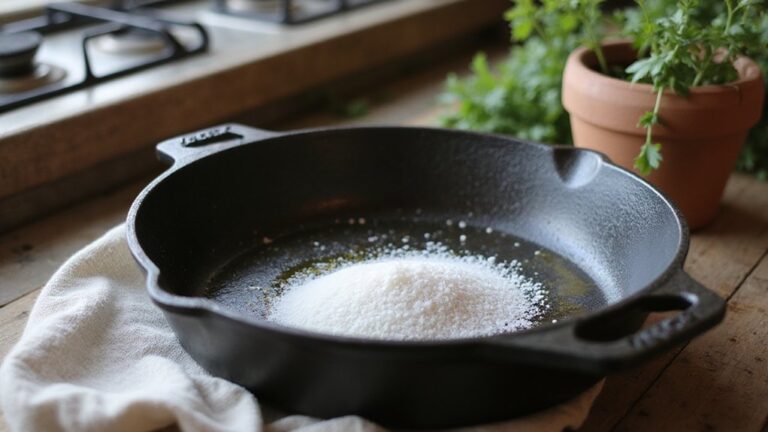
While rust removal is essential, preventing oxidation from occurring in the first place will save you time and effort. You’ll maintain your skillet’s integrity through consistent seasoning oils application and proper cleaning techniques. After each use, dry your pan immediately with a cloth to eliminate moisture, the primary rust catalyst. Apply thin layers of high-quality oils like vegetable or canola oil, then heat at 350-400°F for one hour to bond the coating permanently. For cleaning techniques, use hot water with gentle wiping or coarse salt for stubborn residue—avoid extended soaking. Additionally, regular cooking with oil further develops and strengthens the seasoning, which helps to prevent rust. Store your skillet in dry environments without lids, which trap humidity. Implement weekly re-seasoning and monthly inspections to catch early oxidation signs. This systematic approach prevents intensive rust removal needs. Note that seasoning cast iron with lard as an option can also contribute to a durable non-stick surface.

YOUR NEW GO-TO SEASONING SPRAY: The Lodge Seasoning Spray is the perfect seasoning spray to maintain your cast iron cookware. It is made of 100% canola oil - no additives or propellants, to protect your cookware and enhance its finish.

TLC for your griddle cooktop: All you need to build a slick, easy-release surface that's protected from rust and easy to work with using Blackstone griddle seasoning and cast iron conditioner
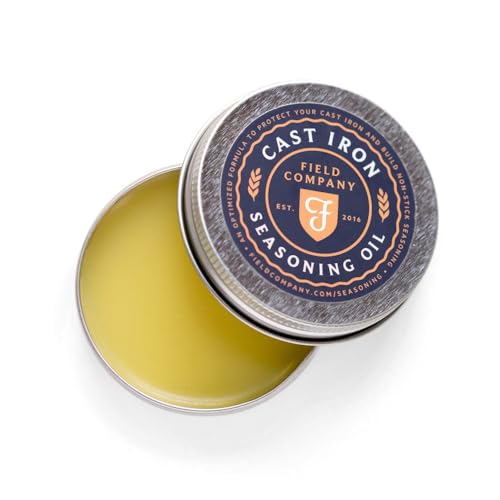
HOW TO USE: The key to naturally nonstick cast iron cookware? Cook often, and apply Seasoning Oil every time you clean your pan. Clean your cast iron with soap and a brush, then use a chain mail scrubber to smooth out existing seasoning layers. Apply a dab of Seasoning Oil and spread it thinly over the surface with a paper towel or clean rag. Wipe away excess oil to leave a dry, matte finish.
When to Replace Your Cast Iron Skillet
Even with diligent maintenance, cast iron skillets won’t last forever. You’ll encounter several replacement signs that indicate restoration options won’t suffice. Structural cracks render pans unsafe because they harbor bacteria and can expand during cooking. Warping prevents even heat distribution and creates tipping hazards on burners. Deep pitting from harsh cleaners compromises surface integrity irreversibly.
However, most rust doesn’t warrant replacement. Surface rust and black residue respond well to metal pads, soapy water, and oven seasoning at 450-500 degrees Fahrenheit. Even heavily neglected pans recover with proper restoration effort. Regular maintenance practices can significantly extend the lifespan of your skillet, preventing common issues like rust and pitting. This is similar to how blanching squash before sealing can prolong its freshness and quality.
The deciding factor is damage combination. A single issue like rust remains salvageable. Multiple defects—cracks plus warping, for instance—necessitate replacement rather than attempted restoration. Evaluate your skillet’s damage thoroughly before discarding generational cookware.

Moisture-Locking Cast Iron Cover: The Lodge Seasoned Cast Iron Lid features a tight-fitting design that seals in moisture and supports even, consistent cooking

Moisture-Locking Cast Iron Cover: The Lodge Seasoned Cast Iron Lid features a tight-fitting design that seals in moisture and supports even, consistent cooking

Moisture-Locking Cast Iron Cover: The Lodge Seasoned Cast Iron Lid features a tight-fitting design that seals in moisture and supports even, consistent cooking