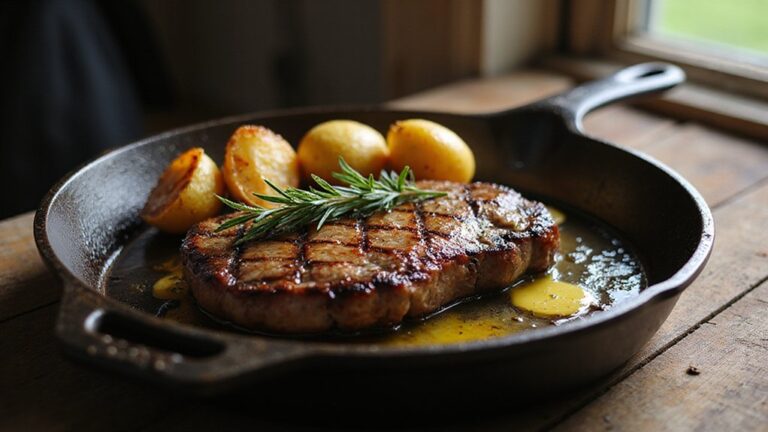
Getting a perfectly seared top sirloin in just 15 minutes might seem tricky, but with the right steps, it’s completely doable.
The key is starting with the right temperature and knowing how to use your cast iron skillet for that ideal crust and perfect doneness.
In this guide, you’ll learn how to prepare, sear, and rest your steak to achieve restaurant-quality results at home.
Keep reading for all the tips and tricks to master your skillet steak.
Why Top Sirloin Needs 45–50°F Before Searing
Let your top sirloin rest 45–50°F below your target internal temperature before searing. The dense muscle fibers and lower fat content in top sirloin cause a steep temperature gradient during cooking, so this step ensures the interior is adequately warmed without overcooking the exterior. Resting at this temperature difference allows for proper temperature stabilization, preventing a cold center that forces you to cook the outside longer and lose juiciness or develop a gray, overdone band. This principle is similar to the water displacement method for vacuum sealing, where careful temperature or air management prevents uneven results. A similar principle applies to enameled cast iron Dutch ovens, which offer easier maintenance and cleaning compared to seasoned cast iron. Using a vinegar spray solution for just 30 minutes can also help restore a rusty skillet before you start cooking.
Surface preparation is crucial after resting. A properly rested steak‘s surface should be dry, not weeping moisture. Moisture on the surface hinders the Maillard reaction, which is responsible for that desirable crust. With a dry surface, you can crank your cast iron pan to a screaming hot temperature, essential for searing. If the core remains too cold when you start, heat transfer stalls, and you risk uneven cooking. Removing the steak early lets the heat penetrate evenly, resulting in a uniformly cooked, juicy, and crusty steak. Skipping this step often leads to uneven results and a less satisfying steak.
How to Season Top Sirloin for a Restaurant-Quality Crust
To season top sirloin for a restaurant-quality crust, start by thoroughly drying the surface with paper towels until the steak feels bone-dry; this step is essential. Excess surface moisture will cause steaming instead of searing, preventing the crust from forming properly. Avoid wet marinades or liquid-based seasonings at this stage. Instead, focus on dry-brining, which infuses the meat with flavor and promotes crust development. Generously sprinkle both sides with coarse kosher salt and freshly cracked black pepper—about three-quarters of a teaspoon per pound. Press these seasonings firmly into the meat so they adhere well. For added depth, include a pinch of garlic powder, but skip wet garlic or liquid seasonings during this step. If time allows, season the steak 40 minutes to 24 hours in advance and keep it uncovered on a wire rack in the refrigerator. This dry surface is what enables you to achieve an intense, crunchy crust. For those who prefer sous vide for precise cooking, FoodSaver bags are a reliable option, as they are BPA-free and FDA-approved for safe use in simmering water baths up to 212°F.

No additives; Only pure kosher salt

Premium kosher sea salt from the Mediterranean

For All Seasons: No pun intended! Whether it’s your next dinner party or a night in, our non iodized salt kosher option has you covered
How to Preheat Your Skillet for Top Sirloin
Preheat your skillet to nearly 500°F for searing, which takes about 3 to 5 minutes over medium-high heat. Place the cast iron skillet on the burner and let it heat empty first, avoiding adding oil too early. Expect the pan to shimmer or smoke when it reaches the right temperature. Once hot, swirl in a small amount of cooking oil to coat the bottom evenly. This high heat creates a perfect crust on the steak while keeping the interior tender. Use a digital probe thermometer to check the surface temperature if needed, as it provides the most accurate reading for achieving the right heat, but aim for a blisteringly hot pan—anything lower won’t give you the crust you want. Proper preheating is key to a flawless sear that locks in flavor and juices. Without sufficient preheating, the steak will not develop the blackened sear marks that seal in moisture and flavor. For even deeper flavor, consider pre-marinating the steak in the fridge before cooking to allow better absorption than adding marinade directly to the bag during sous vide. If you need to light a butane torch for achieving that high heat, always use its built-in automatic ignition for safety and convenience.
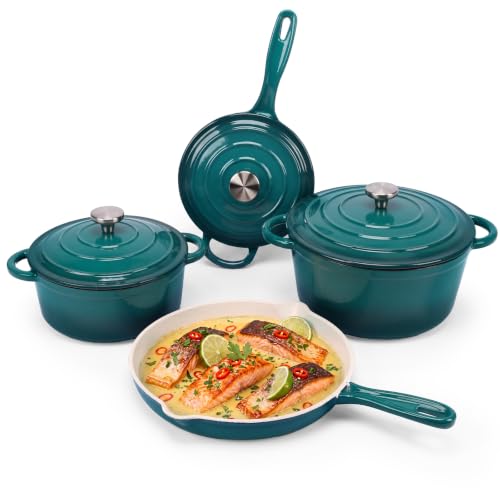
[Complete 7-Piece Set for Versatile Cooking] - This enameled cast iron cookware set includes a 4.8-quart large Dutch oven with lid, 2.8-quart small Dutch oven with lid, 2-quart sauce pan, and a 10.25-inch skillet. Perfect for a range of cooking techniques, from sautéing and grilling to slow cooking, roasting, and baking—an ideal gift choice for home chefs!


[Complete 7-Piece Set for Versatile Cooking] - This enameled cast iron cookware set includes a 4.8-quart large Dutch oven with lid, 2.8-quart small Dutch oven with lid, 2-quart sauce pan, and a 10.25-inch skillet. Perfect for a range of cooking techniques, from sautéing and grilling to slow cooking, roasting, and baking—an ideal gift choice for home chefs!
Sear Times That Work for Top Sirloin (Without Overcooking)
For top sirloin, sear times vary based on thickness and your preferred level of doneness. For a 1-inch steak, sear for 2 to 3 minutes per side to achieve a rare interior (120–130°F), or 3 to 4 minutes per side for medium-rare (130–135°F). If your steak is 1½ inches thick, plan for a total searing time of around 12 to 14 minutes, flipping once or twice near the halfway point. Only flip the steak once or twice; flipping too often can prevent a proper crust from forming. To prevent overcooking, consider marinating your steak beforehand to add moisture, or use baking as a gentler cooking method. After searing, let your steak rest for 5 to 10 minutes. The internal temperature will rise about 5°F during this rest period due to carryover heat, so keep an eye on the thermometer to ensure you reach your perfect doneness.
Add Butter and Herbs After the Top Sirloin Sear
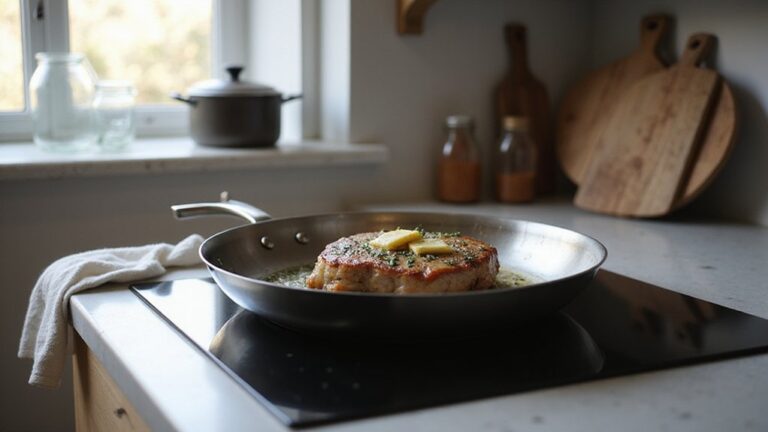
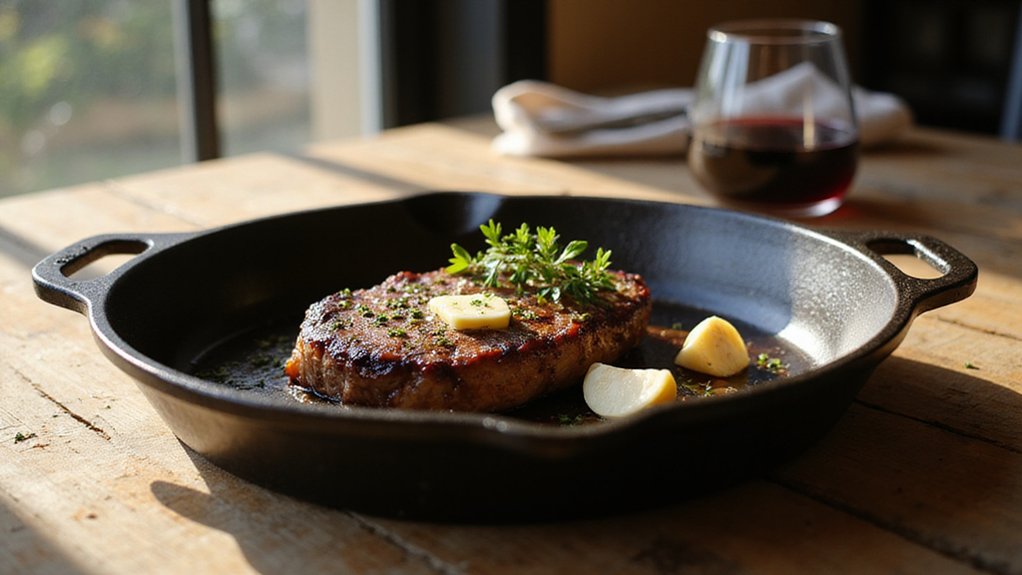
After you’ve achieved a golden-brown crust on the top sirloin, add butter and herbs to finish it. First, lower the heat to medium-low to prevent the butter from scorching. This ensures the butter melts gently and infuses the steak without burning. Use fresh herbs like thyme and rosemary; their volatile oils release fragrant aromatics that enhance the meat’s flavor. Tilt the skillet and pool the melted butter, then spoon it repeatedly over the steak for 1 to 2 minutes. For added aroma, stir in minced garlic or a pinch of dried herbs if fresh options are unavailable. The butter is ready when it develops a nutty aroma and begins to brown slightly. This basting technique locks in moisture, builds a rich crust through the Maillard reaction, and prevents the surface from burning. Avoid adding butter too early, as it can inhibit proper caramelization. Wait until you have flipped the steak and confirmed the first side is seared before starting to baste with the butter and herbs. For precise control over steak doneness, sous vide can be used to cook the steak at a set temperature before searing, similar to how 145°F and 195°F settings yield different egg textures. If sous vide is your method, using specialized Ziploc vacuum bags with a compatible sealer ensures a reliable seal for both wet and dry foods. Rest the steak for at least five minutes after cooking to allow juices to redistribute evenly, ensuring a moist and tender bite.

The information below is per-pack only

BOLD STEAKHOUSE-STYLE FLAVOR: Bring rich, savory flavor to steak and vegetables with a Cast Iron Steak Seasoning featuring brown butter, herbs, garlic and onion for a distinctive steakhouse-inspired profile

Complete 3 PCS Basting Pot Set: Our ROCKSHEAT set includes a 15.5 Oz cast iron basting pot, 8-inch food-grade silicone BBQ basting brush, and heat-resistant silicone handle cover, for safe, hassle-free grilling & smoking.
Rest Top Sirloin 5°F Below Target for Perfect Doneness
Pull the top sirloin about 5°F below your target temperature. This takes into account carryover cooking, which will finish the job during resting. For a 1.25-inch steak, you can expect it to rise about 5°F within the first five minutes of resting. If you aim for a medium-rare finish at 130–132°F, pull the steak at around 125°F. Relying solely on the cooking temperature can lead to overcooking; resting techniques help ensure even heat distribution. Insert your thermometer through the side of the thickest part, avoiding bone or fat, for an accurate reading. To ensure the measurement covers only the steak surface, hold the thermometer perpendicular to the forehead at a distance of 3-5 centimeters when checking ambient pan temperature. Rest the steak for 5 to 8 minutes before slicing. Waiting until the steak hits the target temperature in the pan tends to overshoot the ideal doneness—resting early allows the heat to redistribute gently, preventing overcooking. Trust the resting process to deliver a perfectly cooked steak. To maintain a durable nonstick surface, ensure your skillet is seasoned with a thin coat of oil and baked upside down at high heat.