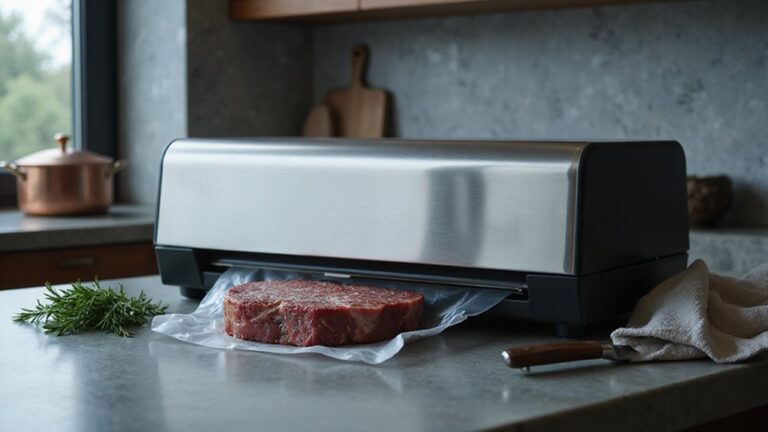
Yes, you can sous vide with marinade in the bag—it accelerates flavor penetration while reducing marination time. Use a chamber sealer or water displacement method to prevent liquid from compromising your seal. Apply marinade sparingly, pat food dry beforehand, and maintain 60–70% vacuum pressure. Freeze marinade into cubes for controlled intensity. However, timing matters critically; over-marinating causes mushy textures. Proper technique transforms your results profoundly.
How Marinades Enhance Sous Vide Cooking
When you vacuum seal food with marinade, you’re creating an environment where flavors penetrate meat, fish, and tofu far more effectively than traditional open-air marinating. Reduced external pressure allows marinades to infuse tissue more rapidly, dramatically accelerating absorption compared to conventional methods.
Beyond flavor penetration, marinades loosen connective tissues, improving tenderness while enhancing texture. When you cook sous vide in the sealed marinade, you lock in these absorbed flavors, producing deeper and more consistent flavor profiles than traditional cooking achieves.
Different marinade types work most effectively at low temperatures. Oil-based or spice-blend marinades deliver aromatic complexity without adverse effects, while mild, flavor-boosting formulations prevent over-marination and texture degradation during extended cooking.

✔️【Wide Range of Use】Made of PE/PA food grade material, FIRAWER sous vide cooking bags are reusable up to 10 times, can keeps fresh for meat, seafood, vegetables, fruits, grains, nuts snacks and sandwiches, ect. Suitable for kitchen, camping, spring outing, travel and other scenes.
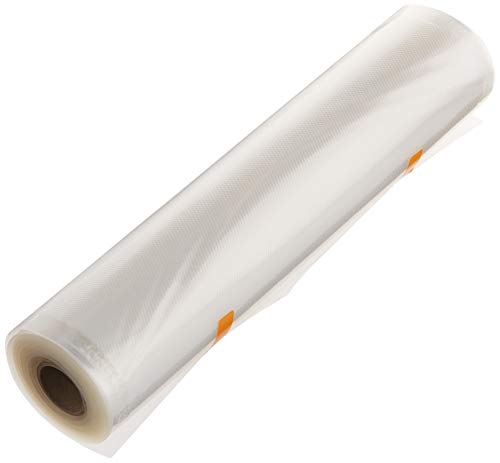
ROLL OUT: Including 2 rolls measuring 11" x19. 6' each, you have the ability to custom cut your bags to any length you wish. A perfect option for the cook who likes to keep their options open.

SEAL THE DEAL: Vacuum sealing is hands down the best way to ensure no air enters your bag during a sous vide cook – ensuring your food will stay fully submerged while cooking, and seal in maximum flavor. Additionally, the ability to seal, freeze, and store food for later makes prepping your meals in advance a breeze (Voltage: 110).
Pre-Marinating Your Food Before Vacuum Sealing
Because marinades work most efficiently when they penetrate raw tissue before the sous vide cooking process begins, you’ll want to pre-marinate your food in the refrigerator rather than relying solely on the sealed-bag environment. Marinade timing markedly impacts flavor penetration—aim for 2–24 hours depending on your protein type and desired intensity. Longer marination periods allow salt and other components to denature proteins more effectively than during cooking alone, similar to how rust removal helps restore cast iron to its optimal condition before use.
Before vacuum sealing, pat your food dry and drain excess marinade to prevent sealing complications. If you’re using a wet marinade, employ the water displacement method to manage liquid levels. This preparation guarantees ideal texture, moisture retention, and prevents overpowering flavors from acids that won’t evaporate during the sous vide process. Additionally, vacuum sealing locks out air and moisture to help maintain the integrity of your marinade flavors throughout the cooking process.

Made in USA: Proudly manufactured in the United States

Compatible with All Desktop Vacuum Sealers: These vacuum sealer bags are designed to work with all traditional desktop vacuum sealer machines. Simple to operate and convenient to use. (Note: These bags do not feature an air valve and are not compatible with handheld vacuum sealers.)
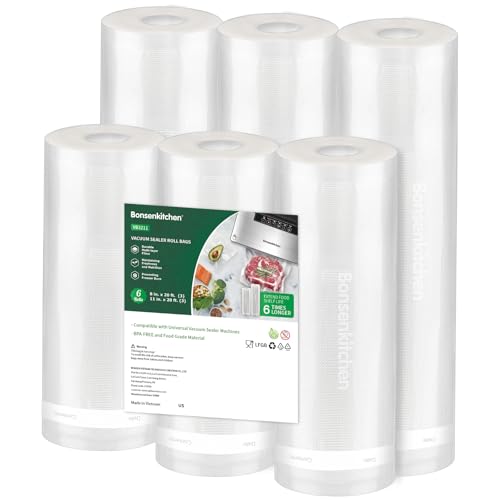
BPA FREE: Bonsenkitchen vacuum food sealer roll bags can be microwaved, frozen, re-used, washed, boiled and dishwasher safe. Allows you to precisely control your cooking temperature to achieve perfect results. You can cook sous vide in Bonsenkitchen bags by placing them in water at any temperature up to 230°F/110°C
Adding Marinade Directly to Your Sous Vide Bag
While pre-marinating offers superior flavor development, you can also add marinade directly to your sous vide bag for convenience, though this method requires careful technique to guarantee proper sealing and best results. Apply marinade sparingly at the bag’s bottom using a brush to avoid air pockets that compromise seals. Use the water displacement method—submerging the sealed bag to expel air before final closure—to prevent liquid from being drawn into your vacuum sealer. Additionally, using a vacuum sealer can enhance your cooking results by removing air, which is crucial in sous vide cooking. Alternatively, freeze liquid marinade into small cubes beforehand. Control marinade intensity by limiting acid and salt concentrations; aggressive marinades prematurely toughen proteins during cooking. This direct approach works best with mild, balanced formulations that won’t overpower your food or degrade texture during the sous vide process. Using a vacuum sealer can prevent aerobic bacteria growth and help enhance the overall quality of your sous vide meals.

Multilayer Design: Ensures an airtight seal, extending freshness and locking in flavors.

MULTIPURPOSE, REUSABLE BAGS: These BPA-free, multilayer FoodSaver vacuum seal bags are durable and easy to hand-wash; also safe to use in the microwave, for sous vide cooking, and for freezer storage
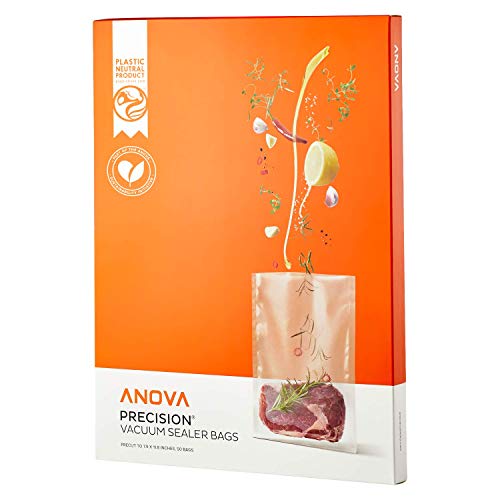
PRE-CUT FOR THE QUICKNESS: Including 50 8. 6″ x 11. 8″ bags with easy-tear tops, you can drop your food directly into your bag, seal it up, and get straight to cooking. A perfect option for the cook who likes to move quickly in the kitchen.
Mastering the Vacuum Sealing Process With Liquids
Successfully sealing marinades and liquid-rich foods requires understanding how your specific vacuum sealer handles pressure differentials. Chamber sealers reduce atmospheric pressure inside and outside the bag, making them superior for liquid management since they prevent marinades from being sucked into the machine. This process also helps prevent freezer burn, ensuring that flavors and textures are preserved during storage.
If you’re using an external sealer, employ these sealing techniques: freeze liquids partially beforehand, use pulse or manual modes to control suction strength, and angle bags 15–20 degrees during vacuuming. Position the sealing strip away from liquid by maintaining adequate clearance. Proper sealing prevents unwanted moisture from affecting the food quality, making it essential.
Alternatively, try the water displacement method—slowly submerge your bag in water to push out air before sealing. Keep vacuum pressure at 60–70% and avoid hot liquids entirely. These strategies guarantee reliable seals without equipment damage. Additionally, achieving the right internal temperature is crucial for ensuring food safety and quality during sous vide cooking.

【𝐃𝐮𝐚𝐥 𝐕𝐚𝐜𝐮𝐮𝐦 𝐙𝐨𝐧𝐞𝐬 & 𝟔 𝐋 𝐂𝐡𝐚𝐦𝐛𝐞𝐫】Seal liquids, soups, and powders in the roomy upper chamber (approx. 6 L / 300 × 260 × 80 mm). The upper chamber is bag-friendly, working with smooth chamber bags and textured or embossed rolls—from small pouches to larger bags that fit inside—so it isn’t picky about bag types. For bags that can’t fit in the chamber, the independent lower work area handles out-of-chamber sealing with compatible rolls.
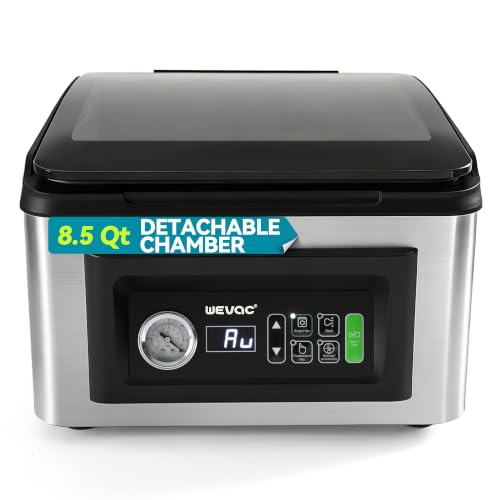
No Guesswork with Auto Vacuum Time: Manual timers often lead to under- or over-vacuuming. This chamber sealer automatically senses the food volume and sets the optimal vacuum cycle for you. One touch is all it takes to achieve a perfect, airtight seal—every time

Lock In Freshness Up To 8x Longer — The InstaSeal vacuum sealer pulls a powerful 60 kPa] airtight seal that stops freezer burn and slows spoilage, so meat, produce, and leftovers stay fresh for weeks instead of days — ideal for meal preppers, hunters, and families buying in bulk.
Accelerating Flavor Absorption in the Sous Vide Environment
How can you dramatically reduce marination time while achieving deeper flavor penetration than traditional methods? Vacuum sealing creates pressure effects that accelerate marinade penetration considerably. By removing air, you increase external pressure on the meat and marinade, forcing flavor compounds deeper into protein structures faster than conventional marinating.
This pressure-driven process reduces required marination time from hours to minutes while maintaining equivalent flavor infusion depth. The enhanced contact between marinade liquids and meat surfaces, combined with eliminated air pockets, facilitates rapid acid and enzyme activity on proteins.
During sous vide cooking, this accelerated initial penetration continues developing. The gentle, controlled heat preserves enzymatic activity longer than conventional methods, allowing flavors to integrate progressively into the meat matrix without texture degradation when timing and acid concentrations remain balanced.
Texture and Tenderness: What to Expect
Because marinating fundamentally alters protein structure before cooking even begins, you’ll notice texture changes in sous vide meat that differ markedly from unmarinated preparations. Extended marinating (12+ hours) reduces rubberiness and gumminess, delivering improved tenderness compared to short 2-hour soaks. You’ll achieve ideal tenderness balance by matching marinade type to your meat cut—acidic marinades work well for tender cuts, while enzymatic options excel on tougher cuts rich in collagen. Additionally, the precision of sous vide cooking helps in achieving consistent results every time.
Sous vide’s low-temperature precision preserves juiciness by preventing collagen contraction, complementing your marinade’s tenderizing effects. However, recognize that marinades don’t replace proper sous vide temperature and timing; both must work together. Over-marinating risks mushiness despite precise cooking, so monitor marination duration carefully to avoid texture degradation. Additionally, utilizing the right hanging techniques for cookware can enhance your kitchen workflow, making your cooking space more efficient and aesthetically pleasing.
Finishing Your Sous Vide Meal for Optimal Results
Once your marinated protein emerges from the sous vide bath perfectly tender and juicy, you’ll need to finish it properly to develop the complex flavors and appealing textures that complete the dish. Start by thoroughly drying your protein with paper towels—moisture prevents crust formation during searing. Pan-fry fish skin-side down in preheated oil over high heat until golden, then flip briefly to finish. For meats, brown all sides evenly to trigger the Maillard reaction, creating richer flavor and color. Additionally, consider the importance of optimal temperature settings when finishing your dish, as proper heat can enhance the Maillard reaction further. Alternatively, use a blowtorch for delicate items or a very hot oven for larger cuts. These finishing techniques create essential flavor contrast between the tender, marinated interior and the caramelized exterior. The importance of finishing techniques can dramatically elevate your dish’s overall taste. Serve immediately to preserve crispness.

REPLACES 12 COOKING TOOLS & APPLIANCES: This cooker replaces the need for a slow cooker, food warmer, nonstick pot, sauté pan, cast iron skillet, saucier, saucepan, stock pot, Dutch oven, roasting pan, bread maker, and utensil

REPLACES 8 COOKING TOOLS & APPLIANCES: Slow cooker, food warmer, nonstick pot, saute pan, sauce pan, stock pot, dutch oven and integrated spoon

Non-Stick: The 10" cast iron skillet is milled smooth for even heat distribution and non-stick cooking.
Storing Marinated Proteins for Later Cooking
To maximize flavor development and secure food safety, you’ll want to marinate your proteins before vacuum sealing them—marinating beforehand allows flavors to penetrate the meat, whereas absorption considerably decreases once cooking begins. When freezing marinated proteins, verify thorough mixing of meat and marinade before transferring to vacuum or zip-seal bags, distributing the marinade evenly throughout.
Store sealed bags in the freezer where marinated proteins maintain quality from one month up to one year, depending on meat type and cut size. Vacuum seal as completely as possible to prevent freezer burn and preserve texture. Always label storage bags with the date and marinade details for quality control tracking. This labeling system verifies you’ll use proteins within prime freshness windows and maintain accurate inventory management.
Safety Guidelines for Marinaded Sous Vide Meals
While proper storage sets the foundation for quality marinated proteins, understanding the safety parameters during sous vide cooking guarantees you’ll produce meals that are both delicious and safe to eat. You must maintain core temperatures of at least 130°F (54.4°C) within 6 hours to prevent Clostridium perfringens growth. For pasteurization, hold proteins at 55°C (131°F) for a minimum of four hours. Marinade safety requires discarding used marinade unless fully pasteurized during cooking. You shouldn’t reuse marinade without thorough boiling. Additionally, while vacuum packaging creates anaerobic conditions that can promote botulinum growth, using alternatives like freezer-safe Ziploc bags can mitigate this risk, so rapid chilling below 38°F after cooking is essential. Following these guidelines is crucial, especially since vacuum sealing can significantly extend the shelf life of your proteins, allowing them to remain safe and high-quality for 1 to 2 weeks in the refrigerator. Follow these sous vide guidelines rigorously, especially when serving high-risk groups including pregnant women, infants, elderly, and immunocompromised individuals.