You’ll maximize flavor by combining coarse kosher salt at 1-3% of meat weight with freshly ground black pepper and garlic powder. Add whole sprigs of rosemary, thyme, or oregano for earthy complexity. Include minced garlic cloves and shallots to build umami depth. Use high-heat fats like avocado oil or ghee as flavor vehicles that carry aromatics throughout the bag. These layered components transform your cooking environment into an ideal seasoning delivery system, though proper technique execution distinguishes exceptional results from merely good ones.
Seasonings for Optimal Flavor and Texture
To maximize your sous vide steak’s flavor profile, you’ll want to start with the foundational elements: salt and pepper. Use coarse kosher or sea salt at approximately 1-3% of your meat’s weight to enhance natural flavors and promote tenderization without excessive moisture loss. Freshly ground black pepper adds aromatic heat when applied before cooking, allowing it to infuse deeply into the meat.
Elevate your seasoning strategy with dry rubs incorporating garlic powder for savory complexity. Layer herb combinations like rosemary, thyme, and oregano—two to four sprigs total—directly into your bag. These fresh herbs impart earthy, piney notes during low-temperature cooking while contributing antioxidant properties that preserve color and freshness. Additionally, using fresh herbs can help infuse rich flavors into the steak, much like in a butter-basting technique.
For robust depth, add whole or minced garlic cloves that mellow and sweeten at low temperatures, creating sophisticated umami undertones that penetrate muscle fibers thoroughly. Additionally, consider using a Dutch oven technique after sous vide cooking for a final sear to achieve a rich, crusty exterior that complements the tender interior.

Premium kosher sea salt from the Mediterranean

Premium Mediterranean sea salt from Spain

PREMIUM QUALITY - Haddar Kosher Salt is sourced directly from the pristine Waters of the Mediterranean Sea in Sicily, Italy, providing you with a naturally mineral rich, high quality, coarse salt.
Fats and Oils to Enhance Your Steak
While your seasoning layers establish the steak’s foundational flavor profile, the right fat selection during the searing phase determines whether you’ll achieve that coveted caramelized crust. Your sous vide fats should possess smoke points exceeding 450 degrees Fahrenheit to facilitate proper Maillard reaction development without burning. Avocado oil and refined safflower oil both reach 520 degrees Fahrenheit, offering ideal performance. Ghee and refined peanut oil provide cost-effective alternatives at 450 degrees Fahrenheit. For enhanced flavor, consider animal-based options like beef tallow or lard, which contribute rich, savory notes to your crust formation. Additionally, using a well-marbled cut of meat can significantly intensify the overall taste and texture of your steak. Avoid extra virgin olive oil, vegetable oils, and unrefined varieties—their lower smoke points generate burnt flavors and potentially harmful compounds. Strategic oil selection directly impacts browning efficiency while preserving your steak’s natural qualities. For food safety, make sure the steak is cooked to a minimum of 165 degrees Fahrenheit to eliminate harmful bacteria before enjoying your meal.

Graza Frizzle Oil Made from 100% Olives: A neutral-flavored, high heat cooking oil made from 100% peak harvest olives. With a smoke point of up to 450 degrees, Frizzle is your high-heat kitchen hero. 1 bottle/750ml.

Light Buttery Flavor That Elevates Every Meal: Algae Cooking Club Chef-Grade Algae Oil enhances every dish with subtle richness. Its neutral profile makes it ideal for searing, baking, and dressings, transforming everyday meals into gourmet experiences.

Light Buttery Flavor That Elevates Every Meal: Algae Cooking Club Chef-Grade Algae Oil enhances every dish with subtle richness. Its neutral profile makes it ideal for searing, baking, and dressings, transforming everyday meals into gourmet experiences.
Aromatics and Flavor Enhancers
Beyond seasoning alone, you’ll want to strategically layer aromatics and flavor enhancers into your sous vide bag to develop complexity that complements the steak’s inherent qualities. Fresh herb combinations like rosemary and thyme create nuanced aromatic profiles when added as whole sprigs, preventing overpowering flavors while infusing subtle herbal notes throughout cooking. The perfect steak rub combines kosher salt and coarse-ground black pepper, which can also be utilized during the searing process for an additional flavor boost. Employ garlic methods strategically—whole cloves or lightly crushed garlic impart rich, savory depth without aggressive intensity. Shallots contribute mild sweetness that enhances overall aroma, particularly during the searing stage. Consider butter as a flavor vehicle that carries aromatics to the meat’s surface, creating a classical enhancement blend. Place all aromatics loosely in your bag to guarantee proper water circulation and even flavor distribution around your steak. Using heat-stable fats like butter or beef tallow will also enhance flavor while ensuring a perfect sear during cooking.

Pros have been doing it for years, and now you can too. Sous vide (pronounced sue-veed) is a cooking technique that utilizes highly precise temperature control in a circulating bath of water to deliver consistent, edge-to-edge perfect results, with virtually no risk of overcooking your food.

Perfect results every time: Never over or under cook your food again. The Anova Precision Cooker Nano circulates water at the exact temperature required for perfectly cooked meals, no matter what's on your menu..Temperature : 0˚-92˚C (32˚-197˚F) | +/- 0.1˚C (0.2˚F) accuracy.
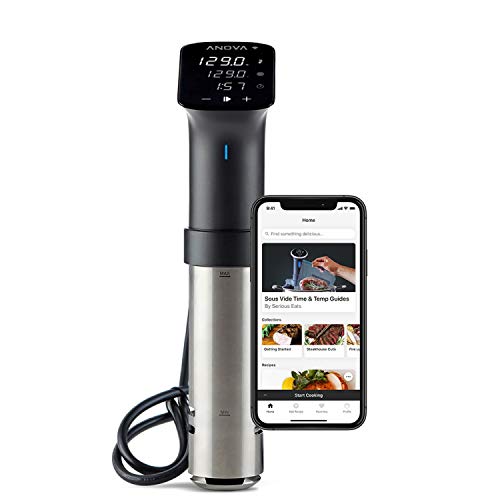
Perfect results every time: never over or undercook your food again. The Anova precision cooker sous vide (pronounced “sue-veed”) circulates water at the exact temperature required for perfectly cooked meals, no matter what's on your menu. Use the Anova app to access thousands of free recipes and monitor your cook from anywhere via your smartphone
Choosing the Right Bag and Sealing Method
Once you’ve layered your aromatics and seasonings, selecting the proper bag and sealing method becomes equally important to preserve those carefully chosen flavors throughout the cooking process. You’ll want to choose bag materials suited to your steak’s cooking temperature—nylon/polythene laminates handle high-heat applications up to 121°C, while CPA/PE bags excel at extending shelf life with superior barrier properties. Make certain your bags are food-grade and BPA-free to prevent chemical migration. Additionally, consider using a thermometer that withstands high heat, as precise temperature control is crucial for the candle making process. For sealing techniques, vacuum sealing with chamber or external sealers removes air completely, enhancing texture and heat transfer. If you prefer convenience, quality zip-top bags work adequately, though they’re less efficient at air removal. Select bag thickness between 80-150 microns based on your cooking duration, then match your size to your steak cut for ideal submersion and even heat distribution. Additionally, ensure you are cautious while working with heat to prevent any fire hazards during your cooking process.

1. Altinatives for Plastic Bags: Made with food-grade silicone which has very stable chemical properties. Not release chemical particles BPA & Phthalates and reduce the risk of microplastics exposure even in long time heating situation.

VACUUM SEALER BAGS ROLLS: 8"x20' 3rolls+11"x20' 3rolls, XinBaoLong Food Saver Bags Rolls, Commercial Grade, Heavy Duty, BPA Free for Vac Storage, Kitchen Gadgets, Kitchen Accessories

✔️【Wide Range of Use】Made of PE/PA food grade material, FIRAWER sous vide cooking bags are reusable up to 10 times, can keeps fresh for meat, seafood, vegetables, fruits, grains, nuts snacks and sandwiches, ect. Suitable for kitchen, camping, spring outing, travel and other scenes.
Temperature and Cooking Considerations Inside the Bag
Because precise temperature control defines sous vide’s fundamental advantage, you’ll need to match your water bath temperature directly to your desired doneness level. For medium steaks, you’ll maintain 54-57°C for ideal results. Your cooking times depend entirely on thickness: thinner cuts require 15-50 minutes, while thicker steaks demand 12-48 hours for even heat distribution. Additionally, cooking steak at a consistent temperature is key for achieving the perfect texture.
Maintain temperature stability within 1-2°F variance to guarantee consistent texture and doneness. Insert a probe thermometer through your bag to verify internal temperatures independently of water bath readings. Thicker cuts (3-4cm) benefit from lower, sustained temperatures rather than high-heat approaches. This extended cooking at lower temperatures produces buttery-soft texture throughout. Remember that sealed bags at 130°F or higher for several hours eliminate pathogenic bacteria, ensuring food safety during extended cooking periods. Additionally, many outdoor chefs enjoy creating delicious desserts as a perfect complement to a hearty sous vide meal.
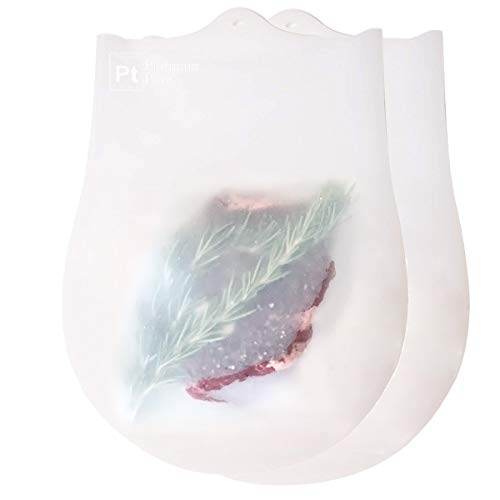
NOT ALL SILICONE IS CREATED EQUAL: 100% Platinum Pure LFGB silicone with No FILLERS – Surpasses minimums, the silicone in our sous vide bags is certified to the much more stringent European LFGB standards. Our platinum pure curing process ensures there are no by-products, BPA, BPS, PVC, or Phthalates. Our silicone bags are completely odorless and will not affect food odor or flavor.


All-in-One: Includes everything you need for Sous Vide cooking, 30 reusable sous vide vacuum bags of different sizes(3 Sizes: 8.6"x8.2", 11"x10.2", 13.4"x10.2"), 1 hand pump, 6 Sealing Clips, 5 Sous Vide Bag Clips, and 2 replacement air valves
Finishing Techniques and Additional Tips
While your sous vide steak emerges perfectly cooked and uniformly tender, the finishing phase transforms it into a restaurant-quality dish through controlled high-heat searing that develops the Maillard reaction‘s complex flavor compounds. Pat your steak completely dry with kitchen towels before sous vide searing to maximize crust formation. Remove aromatics from the cooking bag beforehand to prevent charring. After searing on cast iron or grill at 550-600°F for approximately two minutes per side, implement brief resting techniques—only 1-2 minutes—to stabilize carryover cooking without compromising tenderness. This minimal resting period prevents excessive juice loss while maintaining ideal texture. Additionally, it is crucial to heat the cast iron pan until very hot before adding oil and the steak to ensure a good sear. Finish with butter smearing to add richness and complexity, delivering the refined crust and flavor profile characteristic of professional preparations. Additionally, you can achieve a crispy bottom crust by preheating your cast iron skillet before adding the steak for searing.