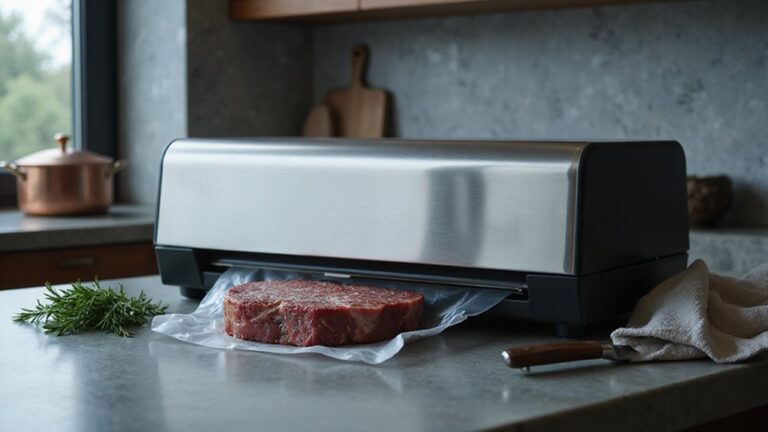
You can sous vide without a bag by using glass jars, stainless steel containers, or reusable silicone storage bags. Stainless steel pots offer excellent thermal conductivity and durability, while glass jars work well for liquid-based preparations like grains and desserts. You’ll need to weight items down to prevent floating and maintain precise temperature control—typically a minimum of 55°C for food safety. Each method requires careful monitoring and sealing verification to prevent water infiltration, though the specific techniques vary considerably.
Glass Jars and Canning Containers
Glass jars—particularly canning containers—offer a practical alternative to vacuum-sealed bags for sous vide cooking, though they’re best suited for liquid-based preparations rather than solid proteins. You’ll find they work exceptionally well for infusions, desserts, grains, and legumes that benefit from expansion room. During glass jar preparation, you must leave adequate headspace to prevent seal popping or breakage as contents expand. For temperature calibration, remember that immersion circulators measure water temperature, not internal jar temperature, so minor adjustments may be necessary. You should weight jars down to prevent floating and guarantee even heat distribution. While glass eliminates chemical leaching concerns associated with plastic, it requires careful handling post-cooking due to heat retention and fragility. Additionally, using room-temperature ingredients similar to the Dutch baby pancake technique can enhance the effectiveness of sous vide cooking in jars. The even heat transfer capabilities of sous vide cooking may also contribute to achieving more consistent results in your jars.

4 OZ GLASS JARS WITH LIDS – Set of 6 small clear glass jars with silver one-piece lids. Ideal for jam, jelly, preserves, honey, spices, condiments, and portioned foods.

Includes Set of 2 Weck Canning Jars with Silicone Lids 743 - 3/4 Liters

32 oz Quart Jars: Each wide mouth mason jar holds 32 oz / 1 quart, a practical size for sourdough starter, layered salads, meal prep, jam, sauce, dry goods, and pantry organization
Metal Pots and Stainless Steel Containers
While glass jars excel at containing liquid-based preparations, metal pots and stainless steel containers offer you a more versatile approach to sous vide cooking. You’ll find that stainless steel pots—particularly large stockpots ranging from 6-12 quarts—work exceptionally well for most applications. The metal advantages are significant: they’re non-toxic, won’t leach chemicals at sous vide temperatures, and you can easily clamp your immersion circulator to their flat sides. Stainless durability guarantees these containers resist corrosion and withstand repeated use without degradation. You’ll appreciate their excellent thermal conductivity, which promotes even heat distribution. While they’re heavier than plastic alternatives and their exterior becomes hot during operation, their longevity and multi-purpose kitchen utility make them a practical, environmentally friendly choice for sustained sous vide cooking. Additionally, they are perfect for achieving various egg textures, with precise temperature control being crucial for sous vide cooking. Investing in a vacuum sealer can further enhance your experience by providing better flavor retention, making these containers even more effective for serious sous vide enthusiasts.

Pros have been doing it for years, and now you can too. Sous vide (pronounced sue-veed) is a cooking technique that utilizes highly precise temperature control in a circulating bath of water to deliver consistent, edge-to-edge perfect results, with virtually no risk of overcooking your food.

The HydroPro initiates a new generation of professional sous vide immersion circulators; Features the Sous Vide Toolbox, a built-in cooking guide that uses scientific algorithms to calculate time to temperature and pasteurization for a vast range of foods
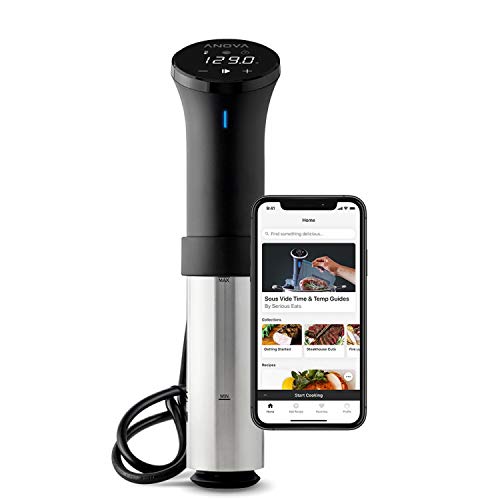
Perfect results every time: Never over or under cook your food again. The Anova Precision Cooker circulates water at the exact temperature required for perfectly cooked meals, no matter what's on your menu. Use the Anova app to access thousands of free recipes and monitor your cook from anywhere via your smartphone.Power 1100 Watts.Power 1100 Watts
Silicone Food Storage Bags
If you’re seeking a reusable alternative to single-use vacuum-seal bags, platinum-cured silicone food storage bags deliver a safer, more sustainable option for sous vide cooking. These food-grade containers withstand temperatures from -50°C to 250°C, far exceeding plastic breakdown thresholds. Their pinch lock sealing mechanism prevents water infiltration during extended cooking sessions, though you’ll need triple-verification before submersion to minimize failure rates. Additionally, the importance of proper sealing ensures that the sous vide process achieves desired results without compromising the integrity of the food.
The silicone durability supports years of repeated use, greatly reducing environmental impact and kitchen waste. You’ll appreciate the stand-upright design’s convenience during filling and storage operations. However, note that thicker silicone grades may require slightly increased cooking times compared to traditional vacuum-seal bags. Proper maintenance protocols guarantee consistent performance across thousands of cooking cycles, making them a cost-effective long-term investment. Additionally, it is essential to remember that once seafood has been thawed, it should be cooked and consumed within 1–2 days to ensure freshness and safety.


Works with any Sous Vide Machine — Compatible with Anova, Joule, Instant Pot, and ChefSteps circulators. No vacuum sealer needed — just zip, seal, and cook perfect steak, chicken, or fish every time
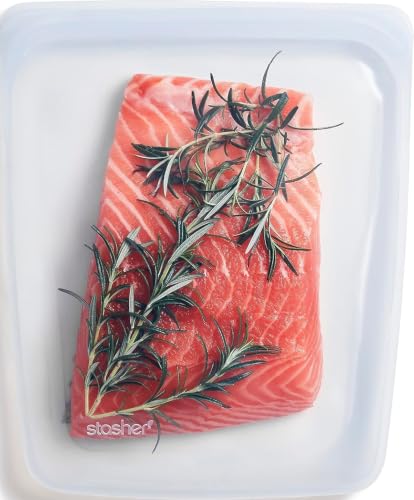
BETTER SILICONE BAGS & BOWLS: Made with platinum food-grade silicone and a leak-free Pinch-Loc seal, these reusable food containers are free from lead, latex, phthalates, BPA, and BPS. Plus, one bag replaces 260 single-use plastic bags per year.
Water Displacement Sealing Method
You’ll find the water displacement method to be a vacuum-free sealing technique that rivals commercial equipment without requiring any financial investment beyond standard kitchen containers. You’ll place food inside a freezer-grade zipper-top bag, leaving a two-inch opening at the seal. During water submersion, you’ll press the bag’s bottom downward, directing air toward the unsealed opening while maintaining the zipper above the water surface. This technique achieves air removal effectiveness comparable to professional vacuum sealers through hydrostatic pressure. Additionally, reaching the safe internal temperature of 165°F during sous vide cooking will ensure any harmful bacteria are effectively killed, enhancing food safety. You’ll execute this method with manual precision, as proper technique directly impacts sealing integrity. While more time-intensive than automatic machines, you’ll benefit from cost savings and reusable bag applications. Additionally, using food-grade plastic bags ensures food safety and enhances the overall sous vide cooking experience. This approach works particularly well for delicate foods requiring gentle handling during preservation.

40-count box of double-zipper quart freezer bags

Package Includes—Seventy four (74) Hefty Slider Quart Freezer Bags for meal prepping, lunch packing, camping, traveling, freezer storage, organizing, and more

Food Preservation: Ziploc Brand Freezer Half Gallon bags help protect against freezer burn for up to 12 weeks
Alternative Cooking Vessels and Unconventional Methods
Beyond traditional vacuum-sealed bags, several alternative cooking vessels and unconventional methods can accommodate sous vide preparation while reducing plastic consumption. You can utilize glass mason jars for desserts, grains, and legumes, though expect longer cooking times due to slower heat transfer. Additionally, it is important to ensure that these alternatives can withstand the cooking temperature without compromising safety or food quality. Silicone bags offer reusable alternatives suitable for smaller items and accommodate water displacement sealing. Stainless steel containers like the EVERIE 18/8 eliminate bagging entirely, allowing direct food submersion for foods that don’t require sealed environments. Himalayan stone or food-grade metal weights keep foods submerged without bags, ideal for vegetables and fish. Innovative techniques include emerging devices like Neovide, which employ alternative heating and sealing methods. These alternative materials and innovative techniques provide sustainable options that maintain sous vide’s cooking precision while minimizing environmental impact.
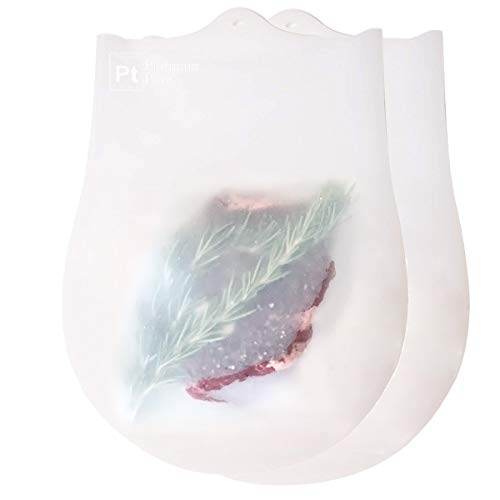
NOT ALL SILICONE IS CREATED EQUAL: 100% Platinum Pure LFGB silicone with No FILLERS – Surpasses minimums, the silicone in our sous vide bags is certified to the much more stringent European LFGB standards. Our platinum pure curing process ensures there are no by-products, BPA, BPS, PVC, or Phthalates. Our silicone bags are completely odorless and will not affect food odor or flavor.

1. Altinatives for Plastic Bags: Made with food-grade silicone which has very stable chemical properties. Not release chemical particles BPA & Phthalates and reduce the risk of microplastics exposure even in long time heating situation.

【100% SILICONE - MICROPLASTIC FREE】Tired of disposable ziplock plastic bags? Switch to silicone! Made from 100% food-grade silicone, Annaklin reusable ziplock bags are free of PVC, lead, chlorine, phthalates, BPA, and microplastics. Non-toxic and odorless, they keep your family’s food safe and healthy. The perfect alternative to single-use plastic bags—help reduce waste and protect our planet
Temperature Control and Heat Management Without Vacuum Equipment
Since immersion circulators aren’t available when cooking sans bags, you’ll need to rely on precise temperature monitoring and manual water management to maintain the thermal consistency that sous vide demands. Deploy accurate digital thermometers with 0.1°C tip sensitivity positioned near the vessel’s top to track temperature fluctuations continuously. Periodically circulate water manually to eliminate hot and cold zones that stationary water creates. Maintaining vacuum-sealed food at safe temperatures not only helps avoid spoilage but also ensures quality by preserving nutritional value. Keep temperatures at 55°C minimum for cooking safety, preventing bacterial proliferation within the danger zone spanning 5°C to 60°C. Monitor water temperature frequently, adjusting heat as needed to compensate for drift. Elevate food approximately one inch above the pot bottom to prevent direct contact with concentrated stovetop heat. These methodical adjustments replicate sous vide’s precision without specialized equipment. It’s important to use accurate thermometers to ensure food safety and cooking accuracy, just as with traditional cooking methods.
Choosing the Right Method for Your Cooking Needs
When selecting a bagless or alternative-container approach for sous vide cooking, the decision hinges on balancing sealing effectiveness, heat transfer efficiency, and practical constraints specific to your ingredients and equipment.
For delicate foods like custards, glass jars deliver superior cooking efficiency while maintaining structural integrity. Conversely, silicone reusable bags suit solid proteins, offering reliable seals and sous vide benefits through heat retention without environmental waste. The water displacement technique with Ziploc bags provides cost-effective sealing for most applications, though it demands precision to avoid water infiltration. Additionally, adjusting temperature control is vital to ensure optimal cooking results, especially when using alternative methods. It’s important to ensure that any plastic containers used are food-safe, as not all plastics are suitable for cooking.
Your choice ultimately depends on ingredient type, container compatibility with immersion circulators, and frequency of use. Evaluate seal quality requirements against your equipment capabilities to optimize both cooking results and operational practicality.