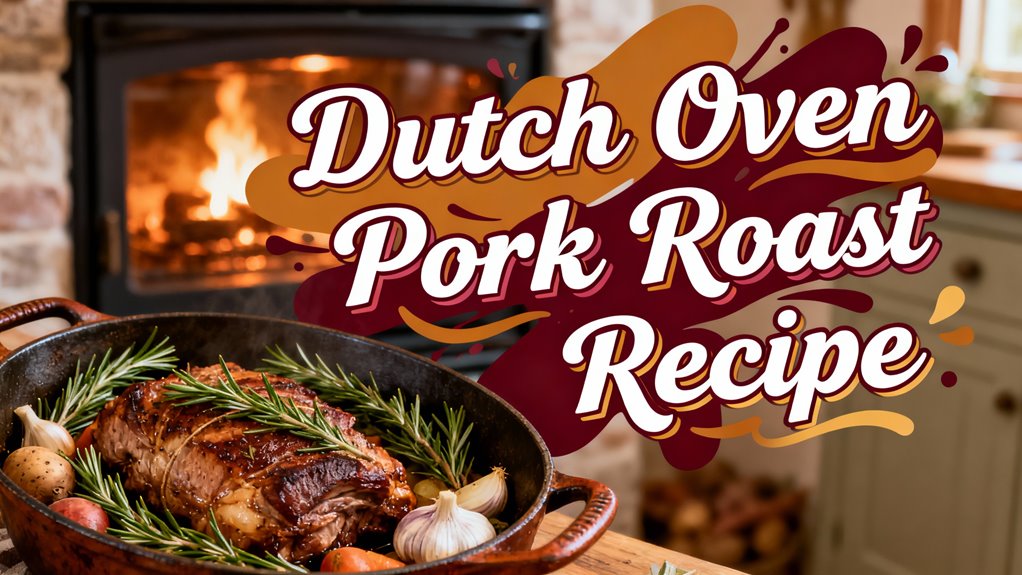
You’ll transform a pork shoulder into a fork-tender masterpiece using Dutch oven braising. Start by patting your 3-5 lb roast dry, scoring the fat cap, and searing it until golden-brown. Build a flavorful base with sautéed onions, garlic, and fresh herbs like rosemary and thyme. Combine apple cider, broth, and mustard for your braising liquid. Roast at 325°F for three hours until perfectly tender. Rest for 5-15 minutes before carving against the grain. Uncover how mastering each step elevates your technique.
Selecting and Preparing Your Pork Roast
Because a Dutch oven roast’s success hinges on selecting the right cut, you’ll want to understand which pork options deliver the best results. Pork shoulder excels for slow roasting due to its high fat content and connective tissue, which break down beautifully during extended cooking. A bone in roast adds flavor and moisture, though boneless options carve more easily. Aim for a 3–5 lb roast that fits comfortably in your Dutch oven.
Before cooking, pat your roast dry with paper towels to guarantee superior browning. Scoring the fat cap in an “X” pattern to help render fat and allow seasoning penetration is essential for a flavorful crust. Remove any silver skin for improved tenderness, then bring your roast to room temperature for even cooking throughout. To enhance the flavor of the dish, consider using apple cider or hard cider as part of your cooking liquid for a deliciously sweet-tart infusion.

One bone-in pork shoulder blade roast weighing between 1.6 and 3.8 pounds
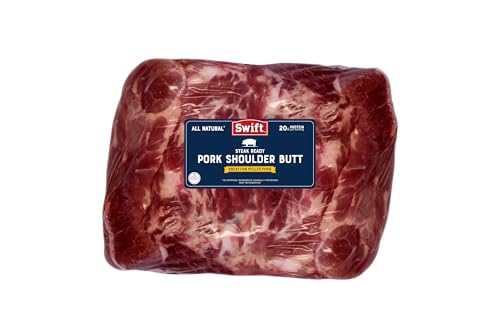
One package of Pork Butt Roast weighing between 6 and 9 pounds.

One bone-in pork shoulder blade roast weighing between 1.6 and 3.8 pounds
Essential Seasonings and Flavor Profiles
The magic of a Dutch oven pork roast lies in its seasoning foundation—you’ll want to balance bold aromatics with complementary spices that won’t overpower the meat’s natural richness. Start with kosher salt, black pepper, garlic powder, and onion powder as your base layer. Your spice balancing improves when you add ground mustard, smoked paprika, and a touch of cumin for warmth and depth.
For herb selections, you’ve got flexibility. Fresh rosemary and thyme deliver aromatic complexity, while dried thyme contributes earthy notes to your dry rub. Brown sugar introduces subtle sweetness that enhances caramelization during searing. Dijon mustard acts as both flavor enhancer and binder for herb coatings. This thoughtful combination creates layers of flavor that make your roast unforgettable, particularly as the rich braising liquid forms during the cooking process.
Slow braising the roast in a Dutch oven allows for melt-in-your-mouth tenderness as the connective tissues break down during cooking.
Searing and Building the Base
Once you’ve seasoned your pork roast, you’re ready to transform it with a flavorful crust that’ll lock in moisture and deepen its natural richness. Heat your cast iron Dutch oven to medium-high, then add two to four tablespoons of vegetable oil. When the oil shimmers, carefully place your dry-patted pork into the pan without disturbing it for sixty seconds. This critical pause allows browning to develop. Use effective sautéing techniques by searing each side for two to four minutes until golden-brown. When the meat releases easily, flip it. After searing all sides, transfer your roast to a plate. Immediately deglaze the hot pan with broth, scraping up the flavorful fond with a wooden spoon. This technique captures essential compounds that’ll enrich your braising liquid and enhance moisture retention throughout cooking. A Dutch oven’s ability to retain and distribute heat ensures an even cooking process that can elevate the overall flavor of your pork roast. To achieve a truly tender result, consider adding a flavorful liquid such as broth or wine to the pot during the slow-roasting process.

Even Heat Distribution Retention: This Umite Chef Dutch oven Made with heavy-duty enameled cast iron, ensures even heat distribution for perfect searing and slow cooking, locking in flavors. thickened walls lock in heat for slow braising, searing, and baking. Unlike thin pots that scorch food, this professional-grade Enameled cast iron potSuperior heat retention after preheating (allow 5-7 mins for even distribution). CRITICAL: Always cool naturally for 45+ mins before cleaning. Thermal shock (hot-to-cold contact) cracks enamel. USE TIP: Preheat 2-3 mins on medium-low only

BREAD BAKER'S DUTCH OVEN, 500°F OVEN-SAFE, SOURDOUGH-READY – one of the highest ratings in its class – delivering the sustained heat that sourdough, artisan bread, and pizza dough demand. Thick cast-iron walls trap and circulate heat like a brick oven, producing bakery-quality crusts at home. The tight-sealing lid features raised self-basting nodes that continuously recirculate steam: a perfect moisture chamber, every single bake.

PFAS-FREE & NON-TOXIC COOKWARE: ATTENTION: If your manual mentions "enamel" or "low-medium heat only", it is incorrect. This is 100% pure cast iron cookware! Not Enamel-Coated: Safe for High-Heat Cooking! Metal utensils OK (avoid sharp edges) Every Umite Chef cast iron pot has been burned with 100% natural, food-grade vegetable oils—absolutely zero PFAS, PFOA, PTFE, synthetic coatings, or toxic chemicals. Our seasoning naturally builds with use, developing a superior non-stick surface over time while ensuring oven-to-table safety
Braising Liquid and Aromatics
Your seared pork roast and caramelized pan drippings have set the stage for the next critical layer of flavor—building a braising liquid that’ll transform your roast into something truly spectacular. You’ll sauté four thinly sliced yellow onions for four minutes, then add six minced garlic cloves until fragrant. This aromatic foundation captures the browned bits clinging to your Dutch oven’s bottom. Deglaze with white wine, scraping intensely with a wooden spoon to incorporate those caramelized flavors. Your braising techniques now pivot toward flavor balance: combine unfiltered apple cider with broth, mustard, and apple cider vinegar for the classic approach, or blend beer with balsamic vinegar and brown sugar for deeper complexity. Fresh thyme and rosemary sprigs complete this foundational layer, infusing hearty flavors throughout the braising process. Remember to allow the braising liquid to simmer gently to enhance the even cooking of your pork for optimal tenderness.

16 fl oz of raw unfiltered organic apple cider vinegar

Product Type:Vinegar
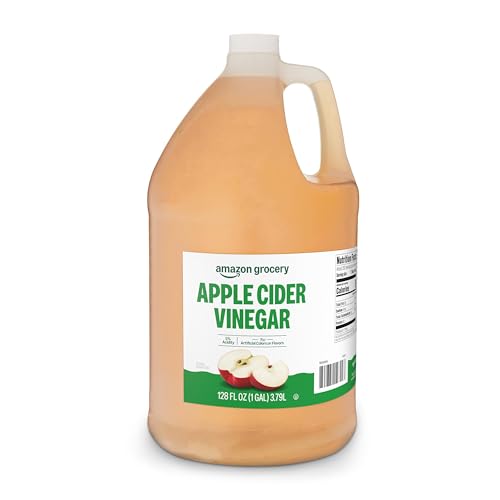
One gallon bottle of Apple Cider Vinegar
Cooking Time and Temperature Guidelines
Achieving that fall-apart tenderness you’re after hinges on understanding how different pork cuts respond to heat and time. For shoulder roasts using braising cooking methods, you’ll maintain 325°F for approximately three hours until the meat reaches fork-tender perfection. If you’re preparing a pork loin instead, you’ve got flexibility: roast at 350°F for roughly 20 minutes per pound, or crank your oven to 425°F for faster results around 40-50 minutes.
Remember that a well-marbled cut impacts the overall tenderness and flavor of your roast. Just like with chicken, employing stovetop searing before roasting can enhance the meat’s exterior, leading to a more flavorful crust. Your doneness tips require a reliable meat thermometer. Shoulder cuts surrender to fork-tender texture as your endpoint, while loins need 145°F for food safety. Remember that carryover cooking adds 5°F during resting, so you can remove your loin slightly earlier. Dutch oven efficiency means checking earlier than standard roasting, preventing unwanted dryness.
Adding Vegetables and Accompaniments
While you’ve mastered the timing and temperature for perfectly tender pork, the vegetables you choose will transform your Dutch oven dish from simple to exceptional. Build your vegetable combinations around hardy root vegetables like carrots and potatoes, adding aromatic onions, celery, and garlic for depth. Consider fennel or parsnips for complexity. The incorporation of aromatic ingredients such as these will elevate the overall flavor profile of your roast.
Your roasting techniques matter equally. Cut vegetables into uniform 2-3 inch pieces for even cooking, then layer tougher roots first to guarantee tenderness. Coat them with olive oil and season generously with kosher salt, black pepper, and fresh thyme or rosemary. Add broth to create a rich sauce that infuses flavors throughout. The vegetables absorb meat drippings, creating an integrated, savory medley that needs no additional sides. The seasoning blends can further enhance the dish’s flavor profile, balancing sweetness and savory notes beautifully.

Bring every charcuterie board to life; These crisp bites double as appetizers for a party or casual get-together

Made in Italy, 100% natural, cold-pressed extra virgin olive oil infused with rosemary extract.

Sophisticated taste bringing incredible toasty-ness and savory deliciousness; Unstoppably toppable, these crackers pack exceptional flavor
Resting and Serving Your Roast
After you’ve pulled your Dutch oven from the heat, resist the urge to slice immediately—the resting period is where your pork roast truly reaches its potential. Your resting duration should range from 5 to 15 minutes depending on the roast’s size. During this critical window, cover your roast loosely with foil to retain heat while juices redistribute evenly throughout the meat rather than pooling on your cutting board. As you wait, consider how the simmering process encourages flavor development, much like in a well-prepared stew. This is similar to the way flavor layering enhances the richness of a traditional pot roast.
When you’re ready to carve, employ proper slicing techniques by cutting against the grain. This approach produces noticeably more tender, appetizing slices. Use tongs to handle the roast carefully, and position your cutting board strategically to catch any remaining juices. These practiced techniques transform your perfectly cooked pork into an impressive presentation that showcases your culinary skill.