You’ll master Dutch oven cobblers by combining simple ingredients with proper heat management. Start with eight cups of mixed berries, sugar, cornstarch, and a homemade topping, then bake at 350°F for 40–45 minutes. Can’t decide? Try the quick four-ingredient shortcut using canned fruit, boxed cake mix, butter, and lemon-lime soda—ready in 30–60 minutes over campfire coals. Serve your warm cobbler with ice cream for perfect contrast. Uncover essential equipment, campfire preparation, and flavor variations that’ll elevate your outdoor and home desserts.
Essential Equipment for Dutch Oven Cooking
Since you’re beginning your journey into Dutch oven cooking, you’ll want to start with the right vessel. A 12-inch cast iron Dutch oven serves 10–12 people and retains heat evenly for perfectly cooked cobblers. You’ll need essential tools to handle this heavy cookware safely: a lid lifter, long metal tongs, and elbow-length insulated gloves prevent burns while managing hot lids and charcoal briquettes. Understanding proper temperature control is crucial for achieving the best results.
Dutch oven accessories like trivets keep your hot lid off the ground during cooking intervals. Metal pans store coals and regulate heat effectively. For food prep and cooking, gather wooden utensils, measuring tools, and mixing bowls to organize ingredients at your campsite. Additionally, consider bringing ingredients for a classic Dutch Oven Peach Cobbler to impress your fellow campers with minimal effort.
Don’t overlook cleaning supplies: nylon scouring pads, wash pans, and paper towels maintain your seasoned cast iron. Finally, invest in a nylon carrier bag to keep all your Dutch oven accessories organized and protected during transport.

SUPERIOR HEAT RETENTION & EVEN COOKING – Heavy-duty cast iron construction delivers exceptional heat retention and even heat distribution for consistent cooking results, from slow-simmered stews to perfectly roasted meals.

Heavy-Duty Camping Cookware: Designed for campfire coals, the Lodge Seasoned Cast Iron Camp Dutch Oven uses a flanged lid to distribute heat above and below for even cooking

PRE-SEASONED CAST IRON: 7-quart heavy-duty dutch oven pot with lid and dual side handles for easy lifting and maneuvering
Preparing Your Campfire or Heat Source
Three essential elements—proper firewood, strategic fire-building techniques, and precise heat management—transform a basic campfire into a reliable cooking platform for your Dutch oven cobbler.
For heat source selection, gather dry, seasoned hardwoods like oak or hickory that burn steadily without excessive smoke. Build an upside-down fire platform with larger logs beneath kindling, creating sustained coals rather than flames. You’ll want to burn your wood down completely before cooking begins, as coals deliver the consistent, even heat your cobbler requires. Remember that achieving consistent, even heat is akin to the stovetop sear followed by oven roasting technique employed when cooking chicken, which helps in attaining perfect desserts. Cooking over coals also ensures that your cobbler benefits from a rich flavor profile, reminiscent of savory-sweet pork roast methods often used in Dutch oven recipes.
During campfire preparation, establish a stable cooking zone using rock rings or grill grates that’ll support your Dutch oven at adjustable heights. Monitor flame color—white indicates intense heat, while red-orange signals moderate temperatures. Keep water nearby for safety, and remember that patience while your fire develops proper coals pays dividends in perfectly baked cobblers.
Classic Berry Cobbler Recipe
With your campfire coals glowing at the perfect temperature, you’re ready to assemble a classic berry cobbler that’ll reward your preparation efforts. Start by combining eight cups of mixed berries—blueberries, blackberries, raspberries, and strawberries—with one-half to two-thirds cup sugar, two tablespoons cornstarch, one teaspoon lemon juice, and one-half teaspoon vanilla extract in your Dutch oven. The use of a Dutch oven allows for even cooking and helps to create a wonderfully tender topping.
For topping variations, mix one to two and two-thirds cups flour, one-half to one cup sugar, one and one-half to two teaspoons baking powder, and one-quarter to one-half teaspoon salt. Stir in one-half to one and one-half cups buttermilk and melted butter until you’ve created a thick batter. Pour this over your berry selection, then bake at 350°F for forty to forty-five minutes until the topping turns golden brown and the filling bubbles at the edges. These delicious desserts are a highlight of Dutch oven dessert recipes perfect for outdoor adventures.
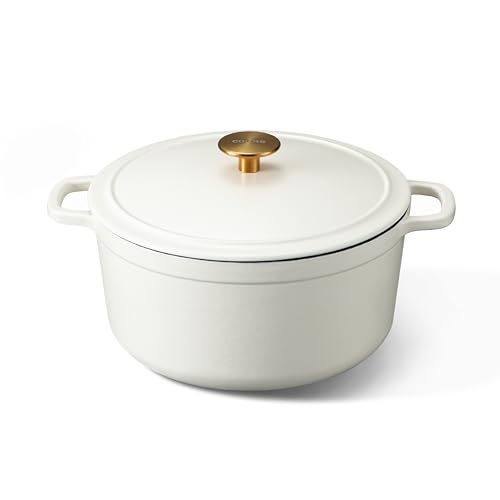
Superior Even Heat Control: One-piece thick cast iron delivers uniform heat with zero hot spots and excellent heat retention, ideal for searing, braising and crusty bread baking. Preheat on medium-low heat; cool naturally before washing to prevent enamel cracking.

【Airtight Lid Locks In Freshness & Flavor】Experience the magic of this Dutch oven with lid, precision-engineered to create a tight seal. It locks in moisture and essential nutrients, delivering richer flavor and incredibly tender, juicy results in every dish—from slow-braised meats to hearty soups. Achieve a perfect, crispy crust on your artisan loaves—it's the ultimate Dutch oven for bread baking. The interior self-basting dots continuously redistribute condensation, ensuring your food stays perfectly moist, never dry or mushy

Even Heat Distribution Retention: This Umite Chef Dutch oven Made with heavy-duty enameled cast iron, ensures even heat distribution for perfect searing and slow cooking, locking in flavors. thickened walls lock in heat for slow braising, searing, and baking. Unlike thin pots that scorch food, this professional-grade Enameled cast iron potSuperior heat retention after preheating (allow 5-7 mins for even distribution). CRITICAL: Always cool naturally for 45+ mins before cleaning. Thermal shock (hot-to-cold contact) cracks enamel. USE TIP: Preheat 2-3 mins on medium-low only
Cherry and Peach Cobbler Variations
Once you’ve mastered the berry foundation, you’re ready to explore the stone fruit territory where peaches and cherries shine in their own right. You’ll combine canned peach slices in light syrup with cherry pie filling for balanced sweetness and tartness. Your cobbler layering starts with fruit on the bottom, followed by two boxes of yellow cake mix blended with a stick of butter. This straightforward fruit combinations approach delivers a cake-like topping without stirring. Place additional butter atop the batter to melt during baking, creating a golden crust. The Dutch oven method works equally well over campfire coals or in your home oven, making this variation incredibly versatile for any setting. These desserts emphasize simplicity and adaptability for diverse occasions, ensuring everyone can enjoy a sweet treat. With just a few basic ingredients, including Bisquick mix, you’ll be able to whip up this delicious dessert in no time.

CAKE MIX: Bake a delicious, moist cherry chip cake dessert

Bring the heart of Southern cooking into your kitchen with our Peach Cobbler Mix—designed specifically to highlight the sweet, juicy flavor of peaches. Just add canned or fresh peaches, milk, and butter to create a homemade dessert that’s full of comfort and tradition. It’s a foolproof way to enjoy peach cobbler any time of year.

Quick Four-Ingredient Shortcut Method
If you’re seeking the easiest Dutch oven cobbler possible, this four-ingredient method delivers a foolproof dessert without fussy measurements or complex layering techniques. You’ll need canned fruit filling, boxed cake mix, butter, and carbonated lemon-lime soda—that’s it. The method essentially relies on a heavy-bottomed pot to ensure even heat distribution, much like the stovetop baking technique for bread.
For quick assembly, pour your fruit with syrup into a greased Dutch oven, then sprinkle dry cake mix evenly across the top. Drizzle melted butter over the mixture, allowing it to penetrate the dry ingredients. The soda creates a light, bubbly topping as it bakes.
Using shortcut ingredients streamlines your prep work considerably. Place hot coals beneath and above your Dutch oven, cooking for 30–60 minutes until the cake turns golden and fruit juices bubble. Rotate the oven and lid quarterly for even browning. Serve warm with ice cream. Remember, after you’re done cooking, it’s important to dry thoroughly your Dutch oven to prevent rust.


OLD-FASHIONED SOUTHERN COBBLER - ANY FRUIT, ANY TIME: Cobbler has been a beloved American dessert since the early 1800s, known by names like "Cut and Come Again," "Grunt," "Buckle," and "Pandowdy" before "Cobbler" became the standard in the 1860s. Old School Brand brings this timeless Southern staple to your table with a simple, wholesome mix that works beautifully with any fruit you love.

Hospitality Easy To Make Fruit Cobbler or Fruit Crisp Mix in a 7 oz. Packet. Fast, Easy and Delicious.
Temperature Management and Cooking Techniques
While that four-ingredient method gets your cobbler in the Dutch oven quickly, mastering the heat source itself separates a golden, evenly baked dessert from a burnt bottom and undercooked top. You’ll want roughly twice as many coals on your lid as beneath—about a 2:1 ratio—to achieve proper temperature control. For a 12-inch Dutch oven targeting 350°F, use 24 briquettes total: 8 below and 16 on top. Arrange coals in circular patterns to prevent hot spots. Every 10-15 minutes, rotate both oven and lid in opposite directions for uniform heat distribution. Additionally, the Dutch oven traps steam during the cooking process, helping to ensure a moist interior for your cobbler. Check doneness with a toothpick at the 34-minute mark; add extra briquettes if browning’s sluggish. Preheating the Dutch oven also helps optimize heat retention for an even bake.
Flavor Enhancements and Topping Ideas
The right blend of spices, extracts, and sweeteners transforms your Dutch oven cobbler from simple to extraordinary. Cinnamon, ground ginger, and nutmeg add warmth to peach or apple fillings, while vanilla and almond extracts provide aromatic depth. Lemon zest brightens fruit flavors and prevents browning when combined with fresh lemon juice.
For ideal flavor pairing, layer granulated and brown sugar to enhance caramelization. Honey works beautifully in peach cobblers, letting ice cream remain the star.
Your topping variations range from traditional flour-based batters with cold butter for flakiness to quick cake mix alternatives combined with lemon-lime soda. Consider mini marshmallows for inventive twists. Finish with coarse sugar for crunch, then crown your warm cobbler with vanilla ice cream or whipped cream for creamy contrast.


PUMPKIN PIE SPICE- Pumpkin pie spice is a versatile blend of warm, aromatic spices that typically includes cinnamon, nutmeg, ginger, cloves, and allspice. It's known for its ability to enhance the flavor of various dishes beyond just pumpkin pie.

- Ingredients that are USDA Organic, salt-free, sugar-free, and gluten-free
Serving Your Cobbler and Cleanup Tips
Serving your cobbler while it’s still warm creates that magical contrast between the hot, bubbling fruit filling and cold vanilla ice cream, but you’ll want to let it cool for about 10 minutes first to avoid burns from the extremely hot filling. Scoop generous portions directly into serving bowls, topping each with a vanilla ice cream scoop for ideal flavor combination.
For cleanup strategies, line your dutch oven with tin foil before cooking to simplify post-meal washing. Never dump cold water into the hot vessel, as thermal shock damages seasoning. Instead, heat leftover residue with water, then dump two-thirds out and refill with room temperature water for gentle hand cleaning. It’s also safe to clean with dish soap and warm water, which helps remove food residue without damaging your Dutch oven. Avoid aggressive scrubbing to preserve your cast iron’s protective layer. Regular maintenance of your cast iron skillet is essential for its longevity.