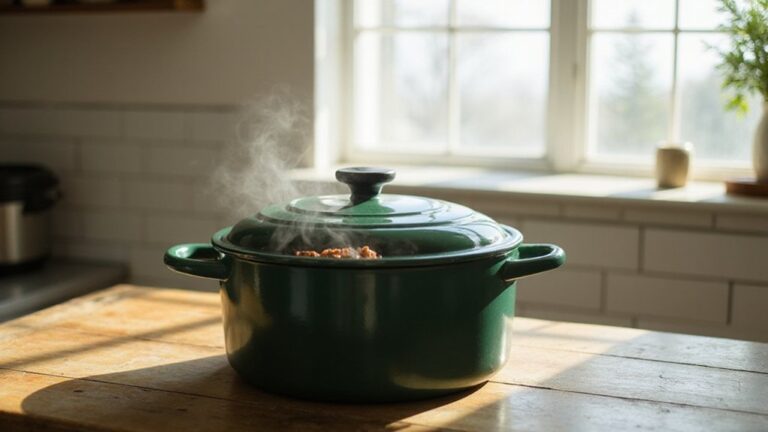
You’ll layer sliced potatoes with bacon, onions, and mushrooms in a Dutch oven, seasoning each tier with sea salt, pepper, garlic powder, and fresh herbs like rosemary. Distribute butter between layers for even browning, then bake covered at 375°F for 75–90 minutes, stirring halfway through. The steam trapped inside keeps potatoes moist while developing golden edges. Finish with melted butter and cheese for richness. Master these fundamentals, and you’ll reveal countless variations that’ll elevate your next meal.
Essential Ingredients for Dutch Oven Potatoes
Potato selection sets the foundation for your dish’s texture and appearance. You’ll find that baby potatoes—particularly tri-color varieties—offer convenience and visual appeal without requiring chopping. Fingerling potatoes serve as an excellent alternative with similar size and texture. If you prefer larger potato varieties, russet potatoes provide structural integrity when sliced properly, while Yukon Gold potatoes deliver a softer consistency that risks mushiness if overcooked. When cooking these potatoes to perfection, it’s important to keep in mind the accuracy of temperature measurements—especially if you’re using a thermometer to monitor the cooking process.
For cooking oils, you’ll choose based on your flavor profile and dietary preferences. Salted butter creates richness and coating, while olive oil works well for roasting and layering. Bacon grease adds smoky complexity alongside cooking fat. Vegan butter accommodates dairy-free variations effectively. Additionally, utilizing Dutch oven recipes will help you experiment with a range of delicious dishes.
These foundational ingredients—your selected potato varieties and cooking oils—establish the flavor and texture framework for your Dutch oven creation.

One 1.5 pound bag of Baby Medley Potatoes

One 1.5 pound bag of Baby Gold Potatoes

One 1.5 pound bag of Baby Red Potatoes
Preparation and Layering Techniques
Once you’ve selected your potatoes and cooking oil, it’s time to arrange them strategically in your Dutch oven. Slice your potatoes to approximately 1/4 inch layer thickness for even cooking. Soak them in salted water to prevent discoloration, then dry thoroughly before layering.
Alternate potatoes with bacon, onions, and mushrooms in proportional thirds, seasoning each layer with salt and pepper. Distribute butter or olive oil between layers to promote browning and prevent sticking. For deeper Dutch ovens, maintain single to slightly stacked layers to guarantee thorough cooking and avoid sogginess. It is also wise to be mindful of cast iron cookware that may scratch surfaces if not handled carefully. Additionally, ensure to remove rust from your cast iron before use to maintain its cooking performance. Finish with cheese or bacon on top for a crispy golden crust. This methodical arrangement optimizes cooking time while ensuring balanced flavor and texture throughout your dish.
Cooking Methods and Temperature Guidelines
Now that you’ve layered your ingredients strategically, you’ll want to bake your Dutch oven potatoes at 350°F to 400°F, adjusting based on your potato cut size and recipe specifics. Smaller whole potatoes need 35-45 minutes at 400°F, while sliced potatoes require 75-90 minutes at 375°F. It’s crucial to keep your Dutch oven covered throughout cooking to trap steam and retain moisture, which mirrors the moisture-trapping capabilities of a Dutch oven in overall cooking efficiency.
Your temperature control depends on your cooking method. In conventional ovens, maintain consistent heat. Over campfires, adjust briquette placement and quantity—typically 15 on top and bottom—to simulate oven temperatures. Stovetops and pellet grills around 350°F offer reliable heat distribution.
Implement these cooking techniques halfway through: shake or stir your potatoes for even browning and prevent sticking. Additionally, remember that charcoal briquette placement affects the heat distribution for optimal cooking results. This methodical approach guarantees fork-tender results with properly rendered flavors integrated throughout.
Seasoning and Flavor Enhancements
With your potatoes halfway through their cook time and fork-tender, you’ll want to build a seasoning foundation that transforms simple tubers into a deeply flavorful dish. Start with sea salt and cracked black pepper, then layer in garlic powder and onion powder to avoid burning risks. Specialty seasoning salts like Johnny’s or Spike contribute complex umami depth beyond standard seasonings.
Incorporate herb combinations such as rosemary and thyme, adding them early for infusion or fresh at the end for brightness. It’s also wise to avoid using acidic foods in cast iron when preparing your dish, as they can interact negatively with the seasoning. Finish with butter melted into pockets throughout the dish, which carries flavors while facilitating caramelization. If using cheese, add it near completion to preserve sharpness and create a pleasing crust. Lemon zest brightens the entire profile, enhancing balance through subtle acidity. Additionally, removing air during freezing helps maintain food quality, ensuring your seasoned potatoes taste fresh even after storage.

Simple, yet flavorful ingredients of cracked black pepper, garlic & sea salt

Simple, high-quality ingredients of sea salt, garlic and cracked black pepper

QUALITY FLAVOR: Each salt or pepper grinder delivers freshly ground flavor to your favorite foods.
Popular Variations and Ingredient Swaps
While seasoning creates the flavor foundation, your ingredient choices fundamentally shape the dish’s character and texture. You can select from russet potatoes for sturdy texture or Yukon Gold for creaminess. Protein options like bacon, chicken, or mushrooms layer throughout for depth, making recipes highly adaptable for savory Dutch oven chicken variations. Your dairy swaps range from cream of mushroom soup to heavy cream or sour cream, with cheese varieties altering the final profile. Herb choices—rosemary, thyme, sage—contribute aromatic complexity. Adjusting your layering strategies and cooking times accommodates different potato sizes and cuts. Whether you’re incorporating asparagus, using ghee instead of butter, or reducing cooking times for fingerlings, each swap refines the dish’s outcome. Additionally, seasoning the chicken with herbs and spices enhances the overall flavor of the dish, creating a rewarding culinary experience. Strategic ingredient selection guarantees your Dutch oven potatoes meet your specific texture and flavor preferences.

Delicious with cod, tilapia, flounder, halibut or catfish

Hearty beef stew seasoning with onion, paprika, black pepper and thyme
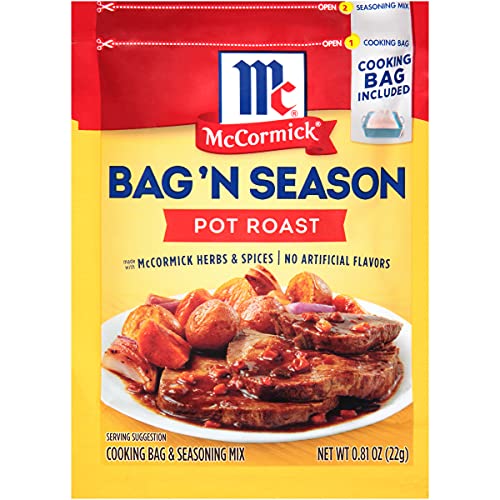
Easy pot roast seasoning mix
Serving and Storage Recommendations
To maximize your Dutch oven potatoes’ appeal and safety, you’ll want to serve them hot immediately after baking when their flavor and texture are at their peak. Present them directly in the Dutch oven for rustic charm and communal serving ease. Garnish with fresh herbs or melted butter to elevate visual appeal. Additionally, consider using a cast iron skillet for side dishes as they offer even heat distribution, ensuring your potatoes cook uniformly throughout. Proper calibration of your cooking tools, including thermometers, can further enhance your cooking experience by ensuring accurate temperature readings.
Store cooled leftovers in airtight containers for three to five days. Label containers with preparation dates for tracking freshness. For reheating tips, return potatoes to your Dutch oven at 350°F for 10–15 minutes, or use a baking sheet for smaller portions. Add melted butter during reheating to restore moisture and prevent drying. These presentation styles and efficient reheating methods guarantee consistent quality throughout your meal service.