You’ll sear your drained, rinsed corned beef fat side up for 2-5 minutes per side, then simmer it in seasoned broth with aromatics at medium-low heat for 50 minutes per pound. After about two hours, add potatoes, carrots, and onions, followed by cabbage 15-20 minutes later. Let everything cook until tender, then rest the meat 15-20 minutes before slicing. Uncover the specific techniques that guarantee perfectly balanced flavors and textures throughout your entire dish.
Preparation Steps
You’ll want to start by draining the corned beef package and discarding the excess liquid while keeping the seasoning packet for later use. Next, focus on rinsing the brisket thoroughly under cold water for 2-3 minutes to remove excess brine and pink discoloration. Flip the meat several times during this process to guarantee all surfaces are evenly cleaned.
After rinsing, pat the brisket completely dry with paper towels. This meat drying step is essential—excess moisture interferes with proper searing and browning. A well-seared exterior also helps to develop a rich crust that enhances flavor. Rub the corned beef evenly with the spice packet contents, then sprinkle half the steak seasoning on the fat side. Apply minced garlic directly to the meat surface for additional flavor development. Reserve the remaining seasoning for the underside after flipping midway through cooking.
To achieve the best flavor and tenderness, utilizing a Dutch Oven can enhance the cooking process significantly.
Cooking Liquid and Seasoning
Building the right foundation with your cooking liquid and seasonings will make or break your corned beef dish. You’ll cover your meat completely with cooking liquid—water serves as a neutral base, but beef broth or beer deepens flavor considerably. Combine liquids to balance intensity and moisture retention.
Use the included brine seasoning packet containing cracked pepper, coriander, bay leaves, and mustard seeds. Consider seasoning variations by adding fresh aromatics: studded onions with cloves, garlic cloves, and additional bay leaves. For enhanced umami, incorporate Worcestershire sauce into your liquid. To create a rich flavor, consider using braising liquid that includes additional aromatics like onions and garlic, which can elevate the taste of your corned beef. Vacuum sealing your leftovers after cooking can help preserve their freshness for future meals.
Rub your corned beef evenly with seasonings before adding liquid. Skim foam during simmering to maintain clarity. Maintain a slow simmer rather than boiling, and adjust liquid levels if reduction occurs, ensuring your meat remains fully submerged throughout cooking.
Initial Cooking Process
Now that you’ve assembled your cooking liquid and seasonings, it’s time to prepare your brisket for the Dutch oven. Rinse your corned beef brisket thoroughly under cold water to remove excess salt, then pat it dry with paper towels. Position the brisket fat side up in your Dutch oven, ensuring it fits comfortably for even heat distribution. Sprinkle your spice packet or preferred seasoning blend across the meat’s surface.
Heat oil in the Dutch oven over medium-high heat and sear the brisket on all sides for 2–5 minutes per side until deeply browned. This step creates a flavorful crust and enhances the overall taste. Remove the seared brisket and set it aside temporarily. Though optional, searing delivers noticeably richer results and is highly recommended for peak flavor development. Additionally, a well-seared cut of meat can dramatically enhance the overall taste of any dish, contributing to a more savory flavor profile. For those looking to enjoy a meal outdoors, consider pairing your corned beef with Delicious Dutch Oven Desserts that make camping a sweet experience.

PREMIUM QUALITY CORNED BEEF: Made with tender, premium quality meat, Iberia corned beef is specially cured for a balanced flavor that will bring flavors to all your dishes.

CLASSIC CORNED BEEF FLAVOR – A bold, aromatic seasoning blend made to bring traditional corned beef flavor to brisket, cabbage, potatoes, carrots, and hearty meals.

Vegetable Addition
Once your corned beef has simmered for approximately 2 hours and become nearly fork-tender, it’s time to introduce vegetables to the Dutch oven. Add potatoes, carrots, and onions first, submerging them in the simmering liquid. These vegetable combinations work synergistically for ideal flavor enhancement, absorbing the broth’s richness while contributing their own subtle sweetness.
Continue cooking for 15–20 minutes before adding cabbage. Place cabbage wedges on top of the other vegetables, spooning broth over them to guarantee even cooking. The cabbage should remain tender yet structurally intact.
Monitor the pot closely during this final 15–20 minutes. All vegetables should reach tenderness simultaneously with your corned beef. Once cooked through, remove everything from the pot and season vegetables with salt and pepper before serving alongside your sliced meat.

IDEAL FOR FAMILY MEALS - Perfectly sized for families of 3–5 people, this 5.5QT Dutch oven handles everything from hearty soups and stews to one-pot dinners, pasta dishes, and Sunday pot roasts. Spacious enough for a whole chicken yet practical for everyday cooking, it delivers the ideal balance between daily family meals and weekend entertaining. Also well-sized for artisan bread bakers who want one pot for both family dinners and sourdough baking.

COMPLETE 2-IN-1 SET: DUTCH OVEN AND FITTED STEAMER BASKET INCLUDED - One 3-quart stainless steel Dutch oven and one fitted steamer basket — everything you need for steaming and stovetop cooking in a single purchase, with no additional accessories required.

【Well-Designed Individual Servings】The package includes a set of 4 mini casserole dishes with lids, each with a maximum liquid capacity of 12 oz. These dishes are perfect for single servings, helping to manage portion sizes and avoid food waste. They are especially useful for those on specific diets or meal plans, allowing precise control over portion sizes.
Temperature and Timing
Three critical factors determine whether your corned beef emerges tender and flavorful: maintaining the correct heat level, timing each cooking phase precisely, and managing your cooking liquid throughout the process.
Set your cooking temperature to medium or medium-low, achieving a gentle simmer around 180-200°F rather than a rolling boil. Calculate your simmering time at approximately 50 minutes per pound. Most corned beef requires 1 hour 45 minutes to 2 hours until fork-tender. Target an internal temperature of 190-200°F for ideal tenderness without toughening the meat. As with pot roast, using a well-marbled cut of meat enhances the overall flavor and tenderness, making it more succulent. Additionally, ensure that you use warm water and soap for cleaning your Dutch oven after cooking, which will help maintain its quality.
After cooking, rest your corned beef covered for 15-20 minutes, allowing juices to redistribute and the meat to firm slightly for easier slicing. This resting period prevents moisture loss and enhances the final result.

Even Heat Distribution Retention: This Umite Chef Dutch oven Made with heavy-duty enameled cast iron, ensures even heat distribution for perfect searing and slow cooking, locking in flavors. thickened walls lock in heat for slow braising, searing, and baking. Unlike thin pots that scorch food, this professional-grade Enameled cast iron potSuperior heat retention after preheating (allow 5-7 mins for even distribution). CRITICAL: Always cool naturally for 45+ mins before cleaning. Thermal shock (hot-to-cold contact) cracks enamel. USE TIP: Preheat 2-3 mins on medium-low only

2-in-1 Versatile Cookware Design: The Lodge Cast Iron Double Dutch Oven is a Dutch oven and dual-handle skillet in one smart design, expanding your options for searing, baking, frying, and more

【Even Heating & Outdoor Cooking】Constructed from premium cast iron, this black dutch oven pot with lid delivers superior heat retention and distribution for consistent, even heating throughout both the bottom and sidewalls. This enables energy-efficient outdoor cooking while the durable, non-toxic finish withstands rigorous camp use
Finishing and Serving
You’ve successfully brought your corned beef to fork-tender perfection, and now the final steps will guarantee you preserve those juices and present your dish beautifully. Remove the Dutch oven from heat and transfer the corned beef to a cutting board using tongs. Let it rest 10–15 minutes before slicing, allowing the meat to retain its moisture.
For ideal finishing techniques, slice across the grain with a sharp knife, cutting approximately 1/4-inch-thick pieces. Discard any tough portions and arrange slices neatly on your platter.
Your serving suggestions should include pairing the corned beef with traditional sides like boiled potatoes, carrots, and cabbage. Additionally, consider incorporating flavorful juices from the cooking liquid to enhance the overall taste of the dish. Offer condiments such as mustard, horseradish, or gravy. Garnish with fresh parsley and serve warm with strained cooking liquid as broth.
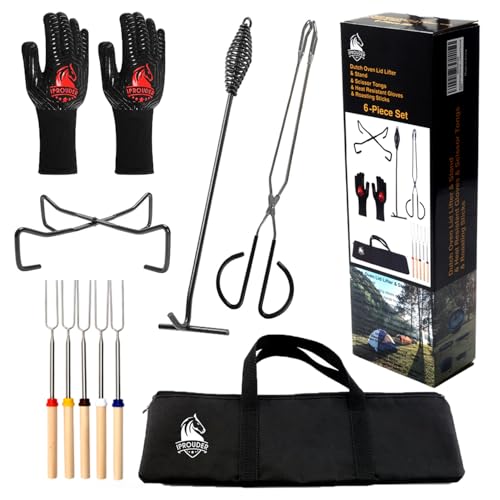
Dutch Oven Lid Stand: 10.6″/27cm; fits different sizes of dutch oven; As a versatile tool, the lid stand can be used as trivet, as a lid stand or invert to use oven lid as griddle

Protects your Hands from heat as a lid or bail lifter

PROVEN RESULTS - Quickly determine the number of charcoal briquettes needed and the perfect briquette placement for cooking any dutch oven meal. The placements on this guide have been tried and tested for the best results
Tips for Best Results
Achieving consistently tender, flavorful corned beef requires attention to several key factors throughout the cooking process. You’ll want to rinse your meat thoroughly before cooking to remove excess brine, then pat it dry for ideal browning. Choose your cooking methods carefully—low, slow heat in a Dutch oven preserves tenderness far better than high-temperature approaches. For different meat cuts, adjust your cooking time accordingly: approximately 40-50 minutes per pound until fork-tender. You’ll maximize moisture retention by positioning the corned beef fat side up and allowing 15-20 minutes resting time after cooking before slicing. Finally, you’ll achieve the best results by skimming surface foam regularly, maintaining proper liquid levels, and adding vegetables at staggered intervals to prevent overcooking. Additionally, incorporating aromatic cooking liquid can enhance the overall flavor profile of your corned beef dish. It’s also helpful to monitor the distance-to-spot ratio when using a thermometer, as this ensures accurate readings for effective cooking and preparation.

IDEAL FOR FAMILY MEALS - Perfectly sized for families of 3–5 people, this 5.5QT Dutch oven handles everything from hearty soups and stews to one-pot dinners, pasta dishes, and Sunday pot roasts. Spacious enough for a whole chicken yet practical for everyday cooking, it delivers the ideal balance between daily family meals and weekend entertaining. Also well-sized for artisan bread bakers who want one pot for both family dinners and sourdough baking.

GENEROUS CAPACITY: With a 4.5 quarts capacity, this enamel Dutch oven is perfect for large meals, ideal for chilis, seafood, soups, stews, sauces, and pasta, making it great for family gatherings and meal prepping

IDEAL FOR FAMILY MEALS - Perfectly sized for families of 3–5 people, this 5.5QT Dutch oven handles everything from hearty soups and stews to one-pot dinners, pasta dishes, and Sunday pot roasts. Spacious enough for a whole chicken yet practical for everyday cooking, it delivers the ideal balance between daily family meals and weekend entertaining. Also well-sized for artisan bread bakers who want one pot for both family dinners and sourdough baking.
Storing Leftovers
Because corned beef’s safety depends on prompt refrigeration, you’ll want to store leftovers within 2 hours of cooking or reheating. Divide the meat into smaller portions and place them in shallow airtight containers for faster, even cooling. Keep your refrigerator below 40°F and consume leftovers within 3 to 4 days.
For extended leftover storage, freeze portions within 2 hours in heavy-duty freezer bags, wrapping them tightly to prevent freezer burn. Label containers with dates and use frozen corned beef within 2 to 3 months for ideal quality.
When reheating, thaw frozen meat in the refrigerator only, never at room temperature. Heat leftovers to 165°F using a food thermometer, adding broth to prevent dryness. Additionally, ensure you check your oven’s true temperature when reheating to achieve even cooking. Discard any corned beef showing off odors or discoloration, prioritizing food safety throughout storage and preparation.