You’ll maximize nutrient retention by leveraging your Dutch oven’s superior heat retention and tight-fitting lid, which trap steam and preserve water-soluble vitamins. Create protein-rich soups delivering 18–39 grams per serving, hearty legume stews supporting digestive health, and one-pot meals combining proteins, vegetables, and grains for complete nutrition. The enamel coating protects against acidic ingredients while captured condensation redistributes nutrients back into your dishes. Batch cooking becomes effortless, enabling portion control and minimal food waste throughout your week.
Why Dutch Ovens Transform Your Cooking
Because Dutch ovens feature thicker walls and lids that retain heat approximately 9% more effectively than stock pots, you’ll achieve superior, uniform cooking results. This exceptional heat retention enables even distribution across cooking surfaces, eliminating hot spots that typically cause uneven browning and nutrient loss.
You’ll experience remarkable cooking efficiency through moisture retention, as tight-fitting lids trap steam that breaks down tough connective tissues in proteins. This mechanism tenderizes meats while preserving natural juices and inherent flavors, reducing your reliance on added fats or sodium for palatability. Additionally, the Dutch oven’s ability to braise meats makes it an excellent tool for creating flavor-rich dishes without excessive added ingredients.
The enamel coating creates a non-reactive surface, protecting against metallic interactions with acidic ingredients. By minimizing active monitoring time, Dutch ovens streamline meal preparation while maximizing flavor enhancement through controlled, extended cooking. Their versatility across heat sources—ovens, stovetops, and open flames—simplifies nutritious one-pot meal creation. Additionally, understanding charcoal briquette placement for outdoor cooking can enhance your cooking experience with these versatile pots.

Quality Enameled Dutch Oven: The Lodge Essential Enamel Cast Iron Dutch Oven gives you all the benefits of cast iron cooking, great heat retention and durability, without fear of rust; it's also PFAS free

Moisture-Locking Lid: The Lodge Essential Enamel Cast Iron Dutch Oven features a moisture-locking design ideal for roasting, braising, and slow cooking pot meals

Even Heat Distribution Retention: This Dutch oven Made with heavy-duty enameled cast iron, ensures even heat distribution for perfect searing and slow cooking, locking in flavors. thickened walls lock in heat for slow braising, searing, and baking. Unlike thin pots that scorch food, this professional-grade Enameled cast iron pot maintains steady temperatures
Protein-Packed Soups and Broths
Dutch ovens’ superior heat retention and moisture-trapping capabilities make them ideal vessels for developing nutrient-dense soups that maximize protein absorption and flavor integration. You’ll uncover diverse protein varieties—chicken breast, ground meats, beans, legumes, and dairy products—each contributing distinct nutritional profiles to your broths. Incorporating savory chicken thighs enhances the richness of your soup, delivering both flavor and a satisfying texture.
Employ proven soup techniques to enhance protein content: sauté aromatics first to build flavor foundations, then incorporate your chosen proteins. Creating a rich, flavorful broth with shredded meats and vegetables enhances both taste and nutrition. Blending cottage cheese creates creaminess while delivering 39+ grams per pot. Slow simmering allows thorough flavor infusion and protein tenderization.
You can achieve 18-39 grams of protein per serving while maintaining under 500 calories. Combine multiple plant proteins for complete amino acid profiles in vegetarian options. Adding vegetables boosts fiber and micronutrients without excess calories. Fresh herbs and citrus amplify palatability without caloric addition, ensuring satisfying, nutritious meals.
Bean and Legume Dishes for Weight Loss
Beans and legumes represent nutritionally dense staples that can markedly enhance weight loss efforts through their unique combination of high fiber, plant-based protein, and low caloric density. You’ll benefit from legume nutrition’s satiety-promoting properties, which stabilize blood sugar and extend fullness between meals. When you incorporate black beans, chickpeas, or lentils into Dutch oven dishes, you’re leveraging their weight loss benefits effectively. Cooking chicken breast in a Dutch oven with legumes results in tender, juicy protein that complements the dish beautifully. Try slow cooker chicken and lentil soup or vegetarian stuffed peppers with chickpeas for nutrient-dense, calorie-controlled meals. You can replace higher-fat animal proteins by combining legumes with whole grains, creating complete amino acid profiles. Additionally, using a Dutch oven for these meals helps to achieve a rich, comforting flavor while keeping the cooking process simple. Prepare batch recipes that yield multiple servings, enabling consistent intake of these fiber-rich, protein-packed foods that support sustainable weight management.
One-Pot Main Courses That Satisfy
One-pot main courses deliver satisfying meals that combine protein, vegetables, and grains in single Dutch oven preparations, minimizing cleanup while maximizing nutritional value. Hearty soups like sausage, white bean, and kale provide complete nutrition through smoky peppers, protein-rich legumes, and nutrient-dense greens. Satisfying stews such as port-braised short ribs offer tender meat and umami-rich flavors alongside mashed potatoes or polenta, making them just as crowd-pleasing as classic beef pot roasts. You’ll find versatile options in farro risotto with sausage and vegetables, delivering whole grains and sustained energy. Seafood choices like cioppino provide omega-3 fatty acids and high-quality protein in tomato broth. These integrated preparations guarantee you’re consuming balanced macronutrients and micronutrients without multiple cooking vessels, supporting your nutritional goals efficiently. Additionally, using a Dutch oven allows for seamless transitions from stovetop to oven, enhancing the depth of flavors in your dishes.


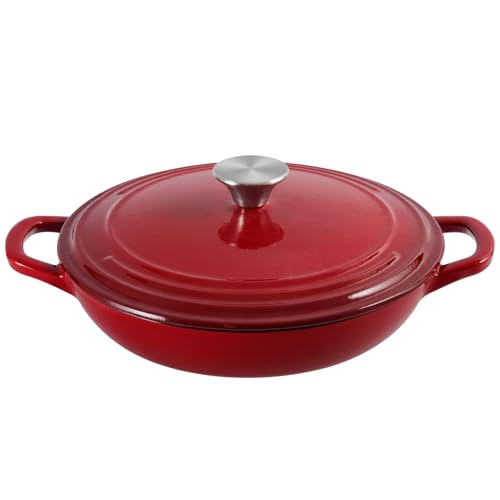
ENAMELED CAST IRON BRAISER FOR SMALL MEALS – This 2.25 QT braiser enameled cast iron cookware is ideal for 1-2 people, perfect for braising, simmering, baking bread, soups, pasta and everyday one pot meals.
Nutritional Benefits of Slow-Cooked Meals
While slow cooking extends meal preparation time, it simultaneously enhances your nutritional intake through superior nutrient retention. Unlike boiling, your slow cooker’s moist heat and closed-lid environment trap steam, preserving water-soluble vitamins and minerals that’d otherwise leach away. You’ll benefit from improved bioavailability of carotenoids and vitamin E as heat inactivates degradative enzymes, increasing antioxidant availability in vegetables like spinach and broccoli. For instance, the addition of savory beef stew can incorporate a variety of nutrients through its diverse ingredients. Compared to other cooking methods, slow cooking minimizes nutrient degradation by maintaining steady, low temperatures over hours, preventing burning that compromises sensitive nutrients. The captured condensation redistributes leached nutrients back into your dish, maintaining nutrient density. You’ll consume fiber-rich whole grains and vegetables more easily, supporting digestive health while preserving balanced macronutrient and micronutrient profiles. Additionally, hearty beef stew prepared in a Dutch oven offers an excellent way to combine various ingredients, enriching the overall nutritional content of your meal.
International Flavors in Your Dutch Oven
Your Dutch oven’s superior heat retention and even cooking environment make it the ideal vessel for authentically preparing global cuisines while maximizing nutrient preservation. Mediterranean stews retain water-soluble vitamins through gentle simmering, while Asian curries‘ turmeric and ginger deliver potent anti-inflammatory compounds. Latin mole’s complex spice blend provides polyphenols and antioxidants without excess sodium. African tagines and European goulash preserve heat-sensitive nutrients through low-temperature cooking, while Caribbean oxtail stews develop collagen-rich broths supporting joint health. Each cuisine leverages Dutch ovens’ thermal properties to extract maximum bioavailable nutrients from lean proteins, legumes, and vegetables. Additionally, understanding safe refilling tips for your kitchen tools can enhance your cooking experience and ensure safety, transforming your kitchen into a global culinary laboratory where tradition meets nutritional science. You’ll achieve authentic flavor profiles while maintaining nutritional integrity—transforming your kitchen into a global culinary laboratory where tradition meets nutritional science. Additionally, using a meat thermometer ensures precise cooking of proteins, allowing you to safely enjoy the full nutritional benefits of your meals.
Vegetarian and Plant-Based Options
Plant-based cooking in your Dutch oven reveals the same nutritional advantages you’ve found with global meat-based cuisines—but with legumes, whole grains, and vegetables as your protein and fiber anchors. You’ll realize that Dutch oven vegetarian recipes consistently deliver over 20 grams of protein per serving. Harira soup combines lentils and chickpeas with Moroccan spices, while creamy white bean soup with kale provides 16 grams of fiber alongside plant-based protein. Your plant-based meals benefit from the Dutch oven’s even heat distribution, which intensifies flavors through slow cooking. Incorporate quinoa, wild rice, and varied legumes to create balanced macronutrient profiles. Vegetables like kale, eggplant, and sweet potatoes contribute essential vitamins, minerals, and antioxidants, transforming your weeknight dinners into nutritionally complete, satisfying meals. Additionally, you can enhance your desserts with Dutch oven dessert recipes, allowing you to satisfy your sweet tooth while camping.
Batch Cooking and Meal Prep Strategies
Since Dutch ovens excel at producing large quantities of nutrient-dense meals through slow cooking, they’re ideally suited for batch cooking—a strategy that amplifies the nutritional consistency you’ve already achieved with plant-based recipes. The batch cooking benefits are substantial: you’ll reduce preparation time across multiple days while maintaining precise portion control and macronutrient balance. Your meal prep efficiency increases dramatically when you dedicate 1-2 hours to cooking legume-based stews, grain pilafs, and roasted vegetable medleys simultaneously. Additionally, incorporating healthy fats like beef tallow into your cooking can enhance flavor and improve the overall nutritional profile. By storing components separately in airtight containers and labeling them with preparation dates, you’ll facilitate meal variation throughout the week while minimizing food waste. This systematic approach transforms your Dutch oven into an investment vehicle for consistent, balanced nutrition that eliminates last-minute dietary compromises. Additionally, if you have cast iron cookware, seasoning your skillet properly can help enhance your cooking experience by ensuring food releases easily and infuses flavor into every meal.

Even Heat Distribution Retention: This Umite Chef Dutch oven Made with heavy-duty enameled cast iron, ensures even heat distribution for perfect searing and slow cooking, locking in flavors. thickened walls lock in heat for slow braising, searing, and baking. Unlike thin pots that scorch food, this professional-grade Enameled cast iron potSuperior heat retention after preheating (allow 5-7 mins for even distribution). CRITICAL: Always cool naturally for 45+ mins before cleaning. Thermal shock (hot-to-cold contact) cracks enamel. USE TIP: Preheat 2-3 mins on medium-low only

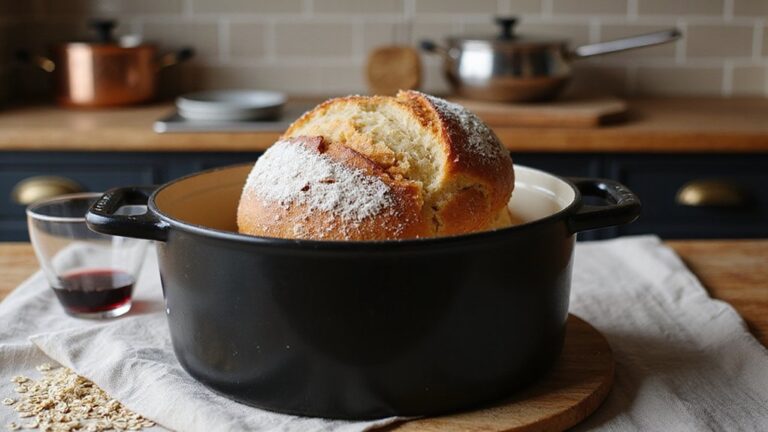
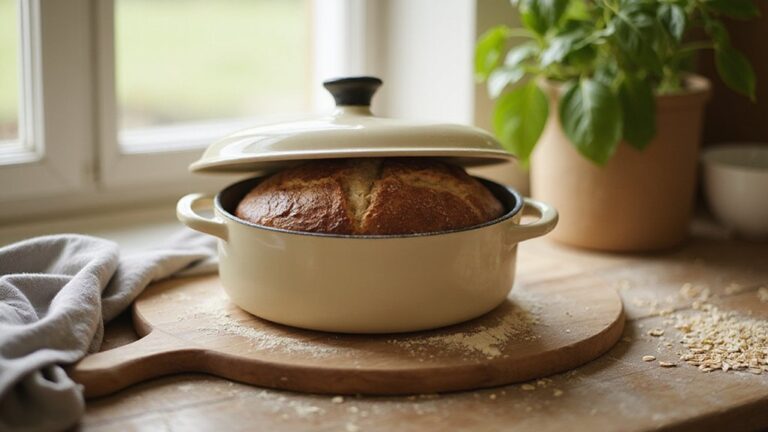
BREAD BAKER'S DUTCH OVEN, 500°F OVEN-SAFE, SOURDOUGH-READY – one of the highest ratings in its class – delivering the sustained heat that sourdough, artisan bread, and pizza dough demand. Thick cast-iron walls trap and circulate heat like a brick oven, producing bakery-quality crusts at home. The tight-sealing lid features raised self-basting nodes that continuously recirculate steam: a perfect moisture chamber, every single bake.

PFAS-FREE & NON-TOXIC COOKWARE: ATTENTION: If your manual mentions "enamel" or "low-medium heat only", it is incorrect. This is 100% pure cast iron cookware! Not Enamel-Coated: Safe for High-Heat Cooking! Metal utensils OK (avoid sharp edges) Every Umite Chef cast iron pot has been burned with 100% natural, food-grade vegetable oils—absolutely zero PFAS, PFOA, PTFE, synthetic coatings, or toxic chemicals. Our seasoning naturally builds with use, developing a superior non-stick surface over time while ensuring oven-to-table safety
Tips for Achieving Perfect Texture and Flavor
While batch cooking establishes nutritional consistency, mastering texture and flavor elevates those meals from merely balanced to genuinely satisfying.
You’ll achieve texture enhancement by searing proteins before braising, initiating the Maillard reaction that creates caramelized surfaces while preserving interior moisture through the Dutch oven‘s tight-fitting lid. This technique transforms lean cuts into tender, nutrient-dense options, similar to how a chuck roast can be made fall-apart tender through careful cooking techniques.
For flavor layering, add ingredients strategically: aromatics first, then proteins, followed by broths or wines. This staged approach prevents nutrient loss from overcooking while building complex taste profiles. You’ll develop deeper flavors at lower temperatures (250-275°F) over extended periods, allowing fat-soluble vitamins to distribute throughout the dish. Adding a Dutch oven pork roast recipe can serve as a wonderful way to implement these cooking techniques.
The Dutch oven’s exceptional heat retention supports consistent cooking temperatures, ensuring uniform browning without nutrient-degrading scorching. These techniques transform wholesome ingredients into meals you’ll actually crave.

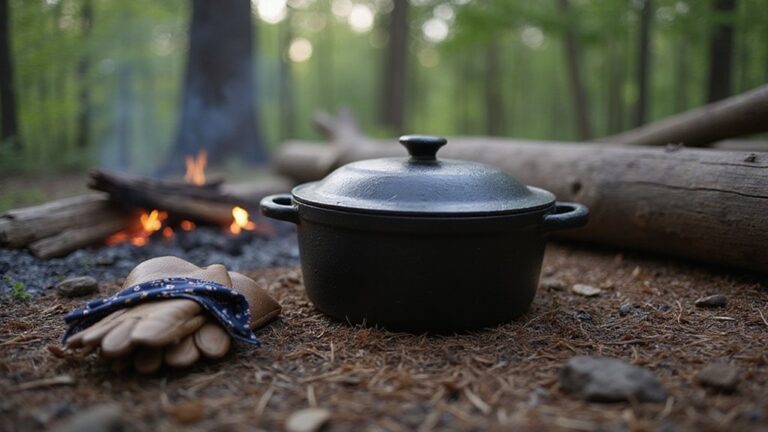
【10QT CAMPING DUTCH OVEN】 The Velaze 10 Quart camping dutch oven is made of cast iron with a high-quality design and excellent thermal conductivity and heat retention. The flanged lid holds hot coals and inverts for use as a griddle. The extra stand support allows the oven to sit perfectly over the table.

𝐃𝐨𝐦𝐞 𝐃𝐞𝐬𝐢𝐠𝐧: Perfect for Crusty Sourdough The AHJ pre-seasoned Dutch oven is ideal for sourdough baking. When used with the lid in the oven, it locks in steam—ensuring condensation drips down the lid walls without soggying the bread—for an ultra-crisp crust and soft, fluffy interior. The 5-quart large capacity easily accommodates big sourdough loaves, perfect for sharing with the whole family.

【CAST IRON DUTCH OVEN】 Velaze enamel cast iron dutch oven pot with lid is solid and durable, can be used for multiple cooking methods such a cooking, baking, stewing etc. Large capacity dutch oven is great for beginners or pros and almost meet all the needs of family gatherings. Please always use oven gloves or a pot rack when handling the pot. The handle will be very hot!
Building Your Healthy Recipe Collection
Now that you’ve mastered the techniques for creating satisfying meals, you’ll build a recipe collection that consistently delivers nutrition and flavor by systematically reviewing your current recipes, incorporating evidence-based guidelines, and organizing them for practical use. Start by evaluating existing recipes for nutritional alignment with USDA MyPlate standards. Apply healthy ingredient substitutions—swapping unhealthy fats for olive oil, reducing sodium through herbs and spices, and incorporating plant-based proteins alongside lean meats. Additionally, many of your meals can be enhanced by using a Dutch oven’s versatility which allows for techniques like slow-cooking and baking to boost both nutrition and taste. Adjust balanced portion sizes to meet caloric targets while maintaining satiety. Organize recipes by meal type, dietary focus, preparation time, and cost to facilitate meal planning across diverse budgets and schedules. This systematic approach guarantees your collection supports accessible, nutrient-dense eating that fits your lifestyle. Additionally, consider experimenting with rich gravy techniques from savory pot roast recipes to enhance flavors in your healthy dishes.

7-PIECE VERSATILE COOKWARE SET – Includes a 10" fry pan, 3-quart wok with lid, 2-quart saucepan with lid, and a 5.5-quart Dutch oven with lid. Fully compatible with induction, gas, electric, and ceramic stovetops, this vibrant red set covers all your daily cooking needs from frying to slow-simmering.

IDEAL FOR FAMILY MEALS - Perfectly sized for families of 3–5 people, this 5.5QT Dutch oven handles everything from hearty soups and stews to one-pot dinners, pasta dishes, and Sunday pot roasts. Spacious enough for a whole chicken yet practical for everyday cooking, it delivers the ideal balance between daily family meals and weekend entertaining. Also well-sized for artisan bread bakers who want one pot for both family dinners and sourdough baking.